


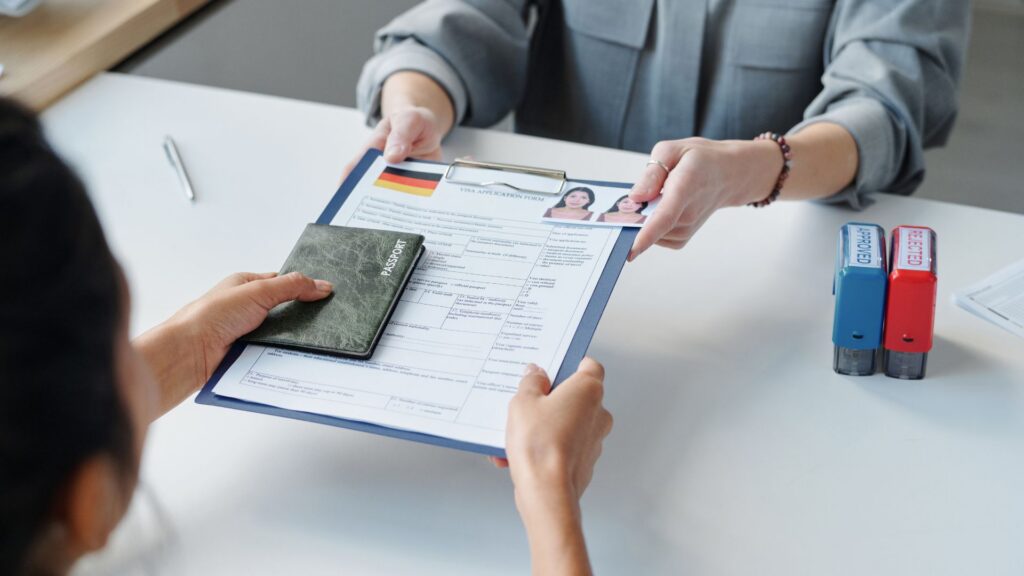
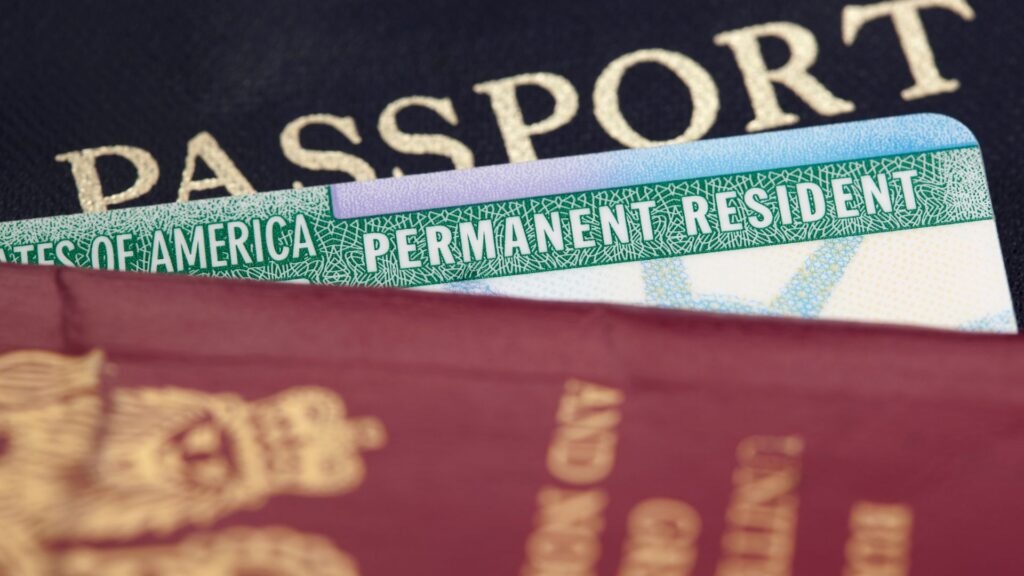












Federal law does not let a grandmother petition a grandchild for a green card directly. Form I-130, the petition for a relative, covers only a spouse, child, son or daughter, parent or sibling. Which of those relatives qualify depends on whether the petitioner is a U.S. citizen or a permanent resident, also called a green card holder. Grandchildren are not on that list.
A grandmother still has indirect routes. She can often petition for her own son or daughter, and the grandchild may immigrate alongside that parent. Adoption and, in limited cases involving abuse, neglect or abandonment, a state juvenile court order can also open a path. Faragalla Law prepares family filings like these through its I-130 petition practice.
How Can a Grandmother Petition a Grandchild for a Green Card Indirectly?
The main route runs through the grandchild’s parent. In the family preference categories, the spouse and children under 21 of the relative a grandmother sponsors can come as derivative beneficiaries. That means they share the parent’s place in line without a petition of their own.
Her own status decides which children she can sponsor. A U.S. citizen can petition for a son or daughter who is married, or unmarried and 21 or older. A permanent resident can petition only for a child under 21 or an unmarried son or daughter. Permanent residents cannot sponsor married sons or daughters at all.
One gap surprises many families. When a citizen petitions for an unmarried child under 21, that child is an immediate relative, the category for a citizen’s spouse, young children and parents. Immediate relative petitions do not carry derivatives. The grandchild then usually needs a separate petition from the parent once the parent becomes a permanent resident.
For example, a U.S. citizen grandmother in San Antonio whose married daughter lives in Monterrey with two young children could file an I-130 for her daughter. The children could immigrate with their mother as derivatives if they stay eligible. Waits in the married son or daughter category run for years, and the wait for Mexico is longer than for most countries.
Nationality can also block a grandchild’s visa. Proclamation 10998, effective January 1, 2026, generally suspends immigrant visas for nationals of listed countries who were outside the United States on that date. Its categorical exceptions do not include family-based visas, although case-by-case waivers exist.
What Happens if the Grandchild Turns 21 Before the Green Card?
A derivative must be a child, which immigration law defines as unmarried and under 21. Marriage ends derivative eligibility. A grandchild who turns 21 during the wait may still qualify under the Child Status Protection Act (CSPA). That law can reduce a child’s counted age by the time USCIS took to process the petition. USCIS measures the reduced age when a visa becomes available, and the child must generally seek a green card within one year of that date.
If the grandchild ages out anyway, the parent can file a new petition after becoming a permanent resident. That petition falls in the category for unmarried sons and daughters of permanent residents. It gets its own priority date, the date that marks its place in line. The Visa Bulletin, the State Department’s monthly chart of visa availability, shows how each category is moving.
Can a Grandparent Adopt a Grandchild to Sponsor Them?
Adoption can create a parent and child relationship that immigration law recognizes. The adoption must happen before the child turns 16. The child must also have lived with the adopting grandparent, in that grandparent’s legal custody, for at least two years. After that, the grandmother petitions as a parent. The birth parents then lose any immigration benefit through that child.
Guardianship or custody without a completed adoption does not meet that definition. A separate route, Special Immigrant Juvenile (SIJ) classification, can help a grandchild already in the United States who is under 21 and unmarried. First, a state court with authority over child custody must find that reunification with one or both parents is not viable because of abuse, neglect or abandonment. A court or administrative proceeding must also find that returning to the home country would not serve the child’s interest.
The court can place the child in the custody of an individual, which may be a grandparent. For example, a grandmother in Dallas raising a 15-year-old grandson whose parents abandoned him might ask a Texas court for custody and for the findings SIJ requires.
Official Sources on Family Petitions for Grandchildren
Federal regulation 8 CFR 204.2 lists the relatives that U.S. citizens and permanent residents may petition for. The USCIS Policy Manual chapter on SIJ eligibility explains the court findings and custody rules.
The State Department’s Visa Bulletin shows monthly waits for each family category and country. Section 203(d) of the Immigration and Nationality Act sets the derivative rule, and section 101(b)(1)(E) sets the adoption rule.
Start a Grandchild’s Family Petition With Faragalla Law in Texas
A grandmother who wants to sponsor a grandchild for a green card usually starts with a petition for the grandchild’s parent. Faragalla Law can map out your family tree, each person’s age and marital status, and the category that moves your family forward.
Grandparents can reach the firm for a free consultation at (800) 707-3038.
You may also send details through the contact form, including where your children and grandchildren live now.