


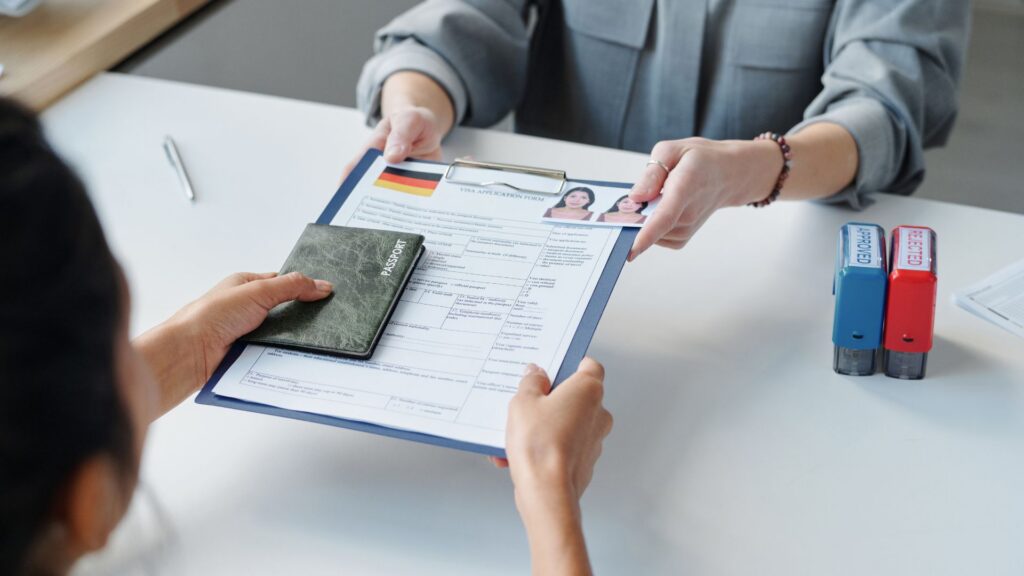
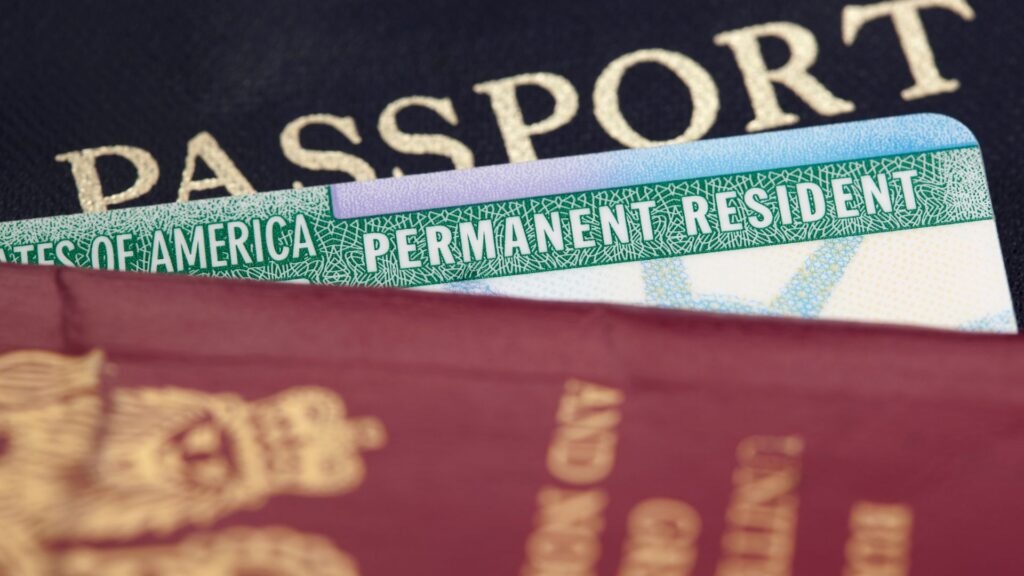








U.S. Citizenship and Immigration Services (USCIS) sets no fixed date for a green card after an RFE response. A Request for Evidence (RFE) is a notice asking for more documents before USCIS decides your case.
Federal rules pause USCIS processing time limits when it issues the RFE. The clock resumes where it stopped once USCIS receives your answer.
From there, an officer reviews the updated file. The case may move to approval, an interview, a Notice of Intent to Deny or a denial. The USCIS processing times tool lists current ranges for each form and office.
What Happens After USCIS Receives Your RFE Response
Federal rules require you to send every requested item together, along with the original RFE. A partial response counts as a request for a decision on the record as it stands. Sending everything at once lets the officer review all the new evidence together.
A strong response may allow the officer to approve the case. In adjustment of status cases, where the applicant seeks a green card inside the United States, USCIS generally holds an interview before approval unless it waives one.
If concerns remain, the officer may issue a Notice of Intent to Deny (NOID). A NOID explains the reasons for a possible denial and gives you no more than 30 days to answer.
Suppose a U.S. citizen in Fort Worth sponsors her husband, and USCIS asks for more proof that the marriage is genuine. The couple mails joint lease records, shared bank statements and photos in one package with the original notice. After that, the officer may approve the case, schedule an interview or issue a NOID if doubts remain. Faragalla Law prepares RFE responses for couples like this through its marriage green card practice.
How Long Do You Have to Respond to an RFE?
Your RFE lists the deadline. Federal rules cap the response period at 12 weeks, which the USCIS Policy Manual counts as 84 days. If USCIS mails the RFE, it accepts a response that arrives up to 3 days after the deadline.
Officers cannot give you more time. The regulation bars any extension of the response period. Miss the deadline, and USCIS may deny the case as abandoned, on the record or for both reasons.
Plan backward from the date on the notice. Request missing records from courts, employers or foreign agencies right away, because those offices set their own pace. Then send one complete response with the original RFE.
Why a Green Card After an RFE Response Can Still Take Time
Because the clock resumes at the same point, your case picks up where it paused rather than starting over. The time left depends on the form, the office, the officer’s workload and whether an interview is still required.
An open investigation can delay the decision too. USCIS may withhold adjudication while an inquiry into eligibility or discretion is pending and sharing details with you would harm it. The agency then reviews that hold at regular intervals.
Some responses also raise new questions. A document that conflicts with the application, or a record of a new arrest, may lead to more review. If USCIS plans to deny a case based on negative information you do not know about, it generally must tell you. You then get a chance to rebut that information before USCIS decides.
Imagine a conditional resident in Lubbock who answered an RFE on Form I-751, the Petition to Remove the Conditions on Residence. Her receipt date may fall before the Case Inquiry Date in the processing times tool. If so, she can submit an outside normal processing time service request online. A related answer explains what happens after the biometrics appointment.
Official Sources on RFE Deadlines and USCIS Processing
The USCIS Policy Manual chapter on requests for evidence and notices of intent to deny covers response periods and mailing time. It also explains what happens after a late or partial response. Federal regulation 8 CFR 103.2 sets the 12-week cap, bars extensions and pauses processing while an RFE is pending.
Current ranges by form and office appear in the USCIS case processing times tool. It also lists the Case Inquiry Date, which tells you when you can ask USCIS about a delayed case.
Ask a Houston Immigration Firm About Your RFE Response
Waiting for a green card after an RFE response is easier when you know your answer covered every item USCIS requested. Faragalla Law can compare the RFE with your response and explain what may come next.
Phone (800) 707-3038 to request a free consultation about your RFE. Faragalla Law serves clients across Texas, from Dallas to El Paso, through remote meetings.
If an RFE still needs an answer, write to the firm and include the deadline printed on the notice.