












Why Is My Green Card Renewal Taking So Long in Texas
If you are dealing with a delayed green card renewal in Texas, Faragalla Law, an experienced green card renewal delay lawyer in Texas, understands how frustrating the process can be. USCIS publishes estimated processing times, but those estimates do not always explain why one applicant receives a new card within months while another waits much longer. We help Texas residents evaluate the cause of a delayed green card renewal and understand their options.
The reason behind a delayed green card renewal often becomes clear only after a detailed case review. Some delays start inside USCIS processing centers. Others involve missed biometrics appointments, unresolved identity checks, mailing errors, requests for additional evidence, card production problems, or filing mistakes that were never fixed. Common reasons for a delayed green card renewal may include:
Each delay reason can affect the next step. Faragalla Law reviews the full filing history, USCIS notices, case status updates, address records, receipt date, and supporting documents to determine whether the delay appears routine or requires legal action. The firm works with lawful permanent residents throughout Texas to identify why a renewal remains pending and what steps may help move the case forward.
Why Should I Call a Green Card Renewal Delay Lawyer
A delayed green card renewal can affect more than your immigration file. It can disrupt employment verification, international travel, driver’s license renewals, professional licensing, banking, and government services. Calling a green card renewal delay lawyer can help you understand whether your pending Form I-90 is simply slow or stuck for a fixable reason.
Many people assume that a receipt notice means the case will resolve on its own. Yet renewal applications can remain pending because of missed biometrics, identity verification problems, address errors, data mismatches, unanswered requests, or broader immigration concerns. Faragalla Law reviews the full case history instead of relying only on online updates.
Call a Green Card Renewal Delay Lawyer in Texas at Faragalla Law
If your Form I-90 has been pending for months, your green card has expired, or USCIS has stopped updating your case, Faragalla Law can review what may be causing the delay. We examine USCIS communications, receipt notices, biometrics history, address records, filing details, card delivery issues, and the problems affecting your work, travel, licensing, or identification needs.
Waiting too long can make a green card renewal delay harder to fix. Missed notices, returned mail, unanswered requests, and expired document problems can create more pressure over time. Sam Faragalla brings more than 27 years of immigration law experience, and the firm answers calls 24 hours a day. Faragalla Law helps lawful permanent residents across Houston, Dallas, San Antonio, Austin, Fort Worth, and throughout Texas take informed steps based on the facts.
Call Faragalla Law today at (800) 707-3038 or contact us to speak with a green card renewal delay lawyer in Texas about your delayed renewal and available options.
USCIS Backlogs Can Slow I-90 Renewals
USCIS case processing time delays remain a common reason green card renewals take longer than expected. Form I-90 applications move through a system that handles a high volume of immigration filings. When filing volumes rise, or agency workflows change, renewal applications may sit for months without visible progress.
Still, a case may appear delayed because of normal workload issues, or it may be stuck because USCIS needs something from the applicant. A green card renewal delay lawyer in Texas helps clients separate ordinary waiting from problems that need attention.
Receipt Dates Help Measure Renewal Delays
The receipt notice gives the case a starting point. It shows when USCIS accepted the Form I-90 and allows the applicant to compare the case against current processing trends.
For example, a Houston resident may file a renewal and wait months without a new card. If USCIS has moved beyond that filing period, the case may deserve closer review. We check receipt dates, case updates, and notice history to determine whether the delay appears unusual.
Processing Trends Can Reveal Case Problems
Online case status rarely tells the whole story. A stronger review compares the filing date, receipt date, biometrics history, USCIS notices, and current processing data. That review may show whether the application is still waiting in line or sitting because of an administrative problem. Finding that distinction early can prevent months of unnecessary waiting.
Biometrics Problems Can Stall Green Card Renewals
For biometrics, USCIS may need fingerprints, a photo, or identity verification before it issues a renewed card. Some applicants receive a new biometrics appointment, while others have prior biometrics reused. Many applicants also want to know how long a green card takes after biometrics.
Problems arise when a notice never reaches the applicant, or an appointment gets missed. A resident who moved from Austin to Dallas may update everyday accounts but forget to update USCIS records. That kind of mailing issue can stall the renewal without a clear explanation.
Missed Biometrics Notices Need Fast Review
A missed biometrics appointment can slow or endanger a pending renewal. USCIS may pause the case until the applicant reschedules or explains what happened. A green card renewal delay lawyer in Texas reviews notice dates, address records, and online updates to see whether biometrics caused the delay. Quick review matters because waiting too long can make the problem harder to fix.
Warning Signs Point to Biometrics Delays
Warning signs may include no biometrics notice after months of inactivity, case updates that reference an appointment, missed mail after a move, or conflicting USCIS records. When those signs appear, repeated case-status checks usually do not solve the problem. Faragalla Law helps clients identify whether biometrics issues are blocking the renewal and what steps may come next.
Address Changes Can Disrupt USCIS Notices
Mail problems cause many green card renewal delays. USCIS sends important notices through the mail, including biometrics appointments, requests for evidence, and card delivery updates. If those notices go to the wrong address, the case can stall.
Texas residents often relocate between Houston, Dallas, Fort Worth, San Antonio, Austin, Plano, Frisco, McKinney, Sugar Land, and The Woodlands. Each move creates a risk if USCIS records do not match the applicant’s current address.
Texas Moves Require Careful Case Tracking
A delayed renewal may trace back to a simple address problem. USCIS may have mailed a request, notice, or card update that never reached the applicant.
A green card renewal delay lawyer in Texas reviews address changes, notice history, and case activity to find where communication may have broken down. That review can explain why the renewal stopped moving.
Requests for Evidence Can Go Missing
Requests for evidence can involve identity information, name discrepancies, prior immigration records, or supporting documents. Missing one can delay the case or lead to a denial. Faragalla Law checks whether USCIS sent an RFE and whether the applicant had a fair chance to respond. This step often reveals the real cause of a stuck green card renewal.
Filing Errors Can Delay Green Card Renewal Cases
Some delays begin inside the Form I-90 itself. Incorrect filing categories, name mismatches, fee issues, missing documents, or inconsistent immigration records can slow USCIS review.
These problems do not always cause an immediate rejection. Instead, USCIS may place the case into longer review while it checks records. Faragalla Law reviews the application, receipt notice, prior card, and supporting documents to identify possible filing issues.
Wrong I-90 Categories Can Slow Review
The filing category tells USCIS why the applicant needs a new card. Renewal requests differ from replacement requests involving lost, stolen, damaged, or incorrect cards. When the selected category does not match the facts, USCIS may need more time to review the filing. A green card renewal delay lawyer in Texas compares the selected category against the client’s actual situation and determines whether the delay may stem from that mistake.
Conditional Green Cards Need Different Action
A two-year conditional green card usually requires removal of conditions, not a standard renewal. Filing Form I-90 in that situation can create serious confusion and delay. Faragalla Law helps clients distinguish between a true green card renewal delay and a removal of conditions issue. That distinction protects the client from wasting time on the wrong process.
Card Production Delays Can Happen After Approval
Some applicants think the process ends when USCIS approves the renewal. In reality, delays can still happen during card production or delivery. USCIS must produce the physical green card and mail it to the correct address. Printing errors, returned mail, and delivery problems can leave applicants waiting after approval.
Approval Does Not Guarantee Fast Delivery
An approval notice does not always mean the card will arrive within days. The card may face production delays, mailing issues, or address-related delivery problems. A green card renewal delay lawyer in Texas reviews approval notices, mailing updates, and card delivery information. That review helps determine whether the delay involves processing or physical card delivery.
Returned Mail Can Delay Your Card
Returned mail can create confusion because the applicant may never know that USCIS attempted delivery. The case may appear quiet while the card sits in the returned mail process. Faragalla Law helps clients review mailing history and delivery updates. This can show whether the card needs reissuance, address correction, or follow-up with USCIS.
Expired Cards Create Work and Travel Pressure
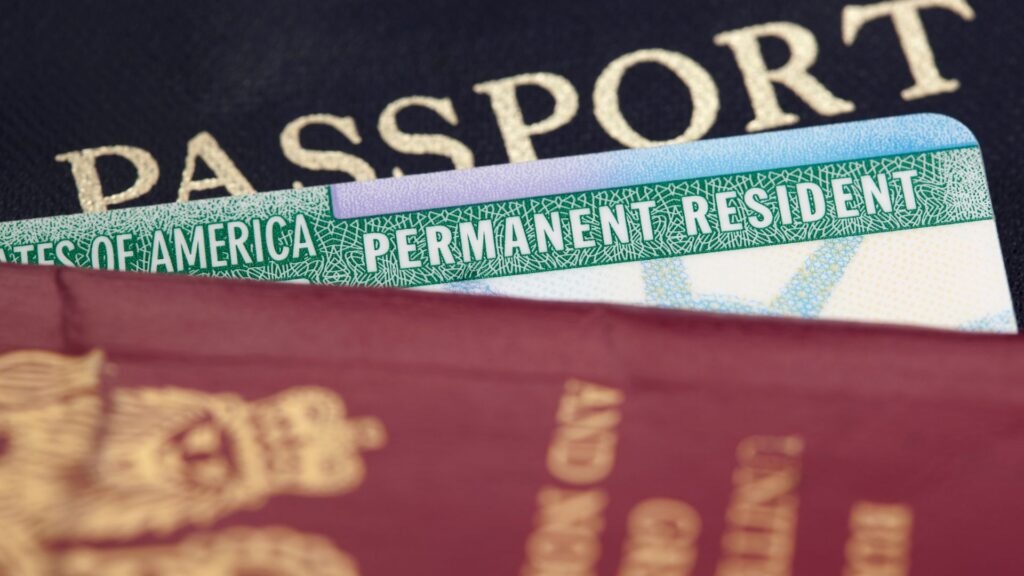
An expired green card can create practical problems even when lawful permanent resident status continues. Employers, licensing boards, state agencies, airlines, and border officials may request current proof of status.
This pressure affects Texas residents in different ways. A worker in Plano may need documents for onboarding. A family in El Paso may need travel proof. A resident in Corpus Christi may need identification for state records. We help clients organize available proof and review what may be missing.
Receipt Notices May Extend Status Proof
Certain USCIS receipt notices may extend proof of green card validity when presented with the expired card. The wording and timing of the notice matter. Faragalla Law reviews the receipt notice, expired green card, passport, and related documents. This helps clients understand what proof they have before employment or travel questions arise.
ADIT Stamps May Help Some Residents
Some permanent residents may need temporary evidence of lawful permanent resident status during a long renewal delay. In some cases, an ADIT stamp may help provide proof when the physical green card is expired or unavailable. We help clients evaluate whether temporary proof may be appropriate. This review matters when work, travel, licensing, or identification needs cannot wait for USCIS to finish the renewal.
Missing USCIS Notices Can Stop Progress
USCIS notices often control what happens next in a green card renewal case. A missed biometrics appointment, request for evidence, or delivery notice can stop progress without clear warning.
This issue often affects applicants who moved during the renewal process. USCIS may continue sending mail to an outdated address if its system was not updated correctly.
Address Changes Can Interrupt the Renewal Process
Updating an address with the post office does not automatically update USCIS records. Mail forwarding may not protect an immigration case from missed notices. We review USCIS address records, notice dates, and case activity. This helps determine whether a missed notice or returned mail caused the renewal delay.
Notice History Shows What Went Wrong
Notice history can reveal whether USCIS tried to contact the applicant, mailed a request, scheduled biometrics, or attempted card delivery. Faragalla Law uses that record to help clients understand what happened and what response may make sense. This gives the client more than a vague pending status.
USCIS Inquiries Need More Than a Status Request
A USCIS inquiry may help when a case falls outside normal processing time. Yet a generic request often leads to a generic response. A stronger inquiry should include receipt information, filing dates, biometrics history, missing updates, prior notices, and the reason the delay creates a problem. A green card renewal delay lawyer in Texas helps clients decide whether an inquiry is worth submitting and how to present it clearly.
Timing Matters Before Contacting USCIS
Submitting an inquiry too early can waste time. Waiting too long can create problems with work, travel, identification, or license renewal. We compare current USCIS processing trends with the applicant’s filing history. This helps determine when action may be appropriate.
Detailed Inquiries Can Get a Better Review
A detailed inquiry gives USCIS a clearer reason to look at the case. It should point to the timeline, the missing update, and the specific problem the delay now creates. We help clients gather the right documents before contacting USCIS. Organized facts can make the request more useful.
Employment Issues Can Require Fast Answers
Many lawful permanent residents worry when their green card expires before the renewal is finished. Permanent resident status generally continues, but proof can become harder to show. Employers may request documents during hiring, onboarding, reverification, audits, or licensing reviews. We help clients understand what proof they have and what steps may help address gaps.
Expired Green Cards Can Confuse Employers
Human resources departments may not see delayed green card renewal issues often. Misunderstandings can happen when a worker has an expired card and a pending renewal. Workers in healthcare, engineering, education, energy, transportation, manufacturing, and technology may face strict document requirements. A green card renewal delay lawyer in Texas helps clients organize receipt notices, expired cards, and related proof before employment pressure grows.
Receipt Notices May Support Work Proof
Some USCIS receipt notices extend the validity of an expired green card for a stated period. The exact notice language matters. Faragalla Law reviews the notice and related documents to determine what proof may help show continuing lawful permanent resident status during the renewal process.
Travel During Renewal Delays Needs Review
International travel during a green card renewal delay requires careful document planning. Airlines may review documents before boarding, and border officials may examine proof during reentry. A delayed renewal may require more preparation depending on the card expiration date, receipt notice, passport, and travel destination. We review these issues before clients leave the United States.
Texas Airport Travel Can Raise Questions
Permanent residents regularly travel through George Bush Intercontinental Airport, Dallas Fort Worth International Airport, Austin Bergstrom International Airport, and San Antonio International Airport. Expired cards, receipt notices, passports, and other documents may receive close review during travel. Faragalla Law helps clients prepare before those questions arise.
Travel Mistakes Can Create Delays
A travel mistake can cause stress at the airport or during return inspection. The problem may become harder to solve once the client has already left. Faragalla Law reviews travel plans, pending renewal status, and available proof before departure. Early review helps clients make informed decisions.
Broader Immigration Issues Can Affect Renewals
Not every delayed renewal comes from a backlog. USCIS may review prior filings, criminal history concerns, name changes, identity verification issues, or discrepancies in government records. Applicants often do not know these factors exist until the delay becomes unusually long. Faragalla Law reviews the broader immigration record to determine whether the renewal delay points to a deeper issue.

Prior Immigration Records May Slow Processing
Past petitions, adjustment filings, travel records, name changes, and prior cards may affect the current review. USCIS may compare older records against the new application before issuing a card. Even when the applicant did nothing wrong, inconsistencies can slow processing. Faragalla Law helps identify those issues and evaluate possible next steps.
Case History Reveals the Real Problem
Many applicants focus only on processing times when the real issue involves missed notices, filing mistakes, or older immigration records. Faragalla Law studies the case history, USCIS mail record, filing documents, and current status. This helps Texas residents learn why USCIS has not moved the case forward.