














Understanding When You Need an I-751 Waiver Lawyer in Texas
Many conditional permanent residents believe that obtaining a two-year green card means the most challenging part of the immigration process is complete. Unfortunately, that assumption often changes when they learn that another important filing remains before they can obtain a ten-year permanent resident card. The removal of conditions process creates an additional layer of review, and the outcome can significantly affect a person's future in the United States. For some individuals, this process arrives during a period of stability and cooperation. For others, major life events create complications that make a traditional joint filing impossible. Divorce, separation, abuse, abandonment, and other unexpected circumstances can leave applicants searching for answers while facing important immigration deadlines. During these situations, guidance from an I-751 Waiver Lawyer in Texas can help applicants understand their options and move forward with greater confidence.
A properly prepared I-751 waiver petition does more than satisfy a filing requirement. It provides an opportunity to explain the circumstances surrounding the marriage, present supporting evidence, and demonstrate continued eligibility for lawful permanent resident status. Every case tells a different story, which is why personalized preparation often becomes one of the most important parts of the process.
How An I-751 Waiver Lawyer In Texas Helps Respond To USCIS Requests
Few moments create more anxiety during the removal of conditions process than receiving a notice from the United States Citizenship and Immigration Services requesting additional information. Many applicants assume they submitted everything required with their original petition. Then a Request for Evidence arrives and raises new concerns about delays, eligibility questions, or the strength of the case.
Although receiving a request from USCIS can feel discouraging, it does not automatically mean a petition will be denied. In many situations, immigration officers simply need additional documentation before making a final decision. The way an applicant responds often plays a significant role in the outcome of the case. For conditional permanent residents pursuing an I-751 waiver, these requests frequently involve questions about the marriage, supporting evidence, financial records, living arrangements, or eligibility for a particular waiver category. Responding strategically becomes extremely important because every submission provides another opportunity to strengthen the overall petition.
When applicants work with an I-751 Waiver Lawyer in Texas, they gain guidance that extends beyond filing paperwork. We help identify the purpose behind the request, evaluate potential concerns, and prepare responses that address the issues directly while supporting the broader immigration case.
Speak With An I-751 Waiver Lawyer In Texas Now
Immigration journeys rarely follow a perfectly straight path. A marriage may end unexpectedly. A spouse may refuse to cooperate. Life circumstances may change in ways that nobody could have predicted when a conditional green card was first approved. Fortunately, a setback does not always mean the end of your opportunity to secure permanent resident status in the United States.
Whether you need guidance regarding an I-751 divorce waiver, good faith marriage waiver, abuse-based waiver petition, or hardship waiver application, taking action sooner often creates more options. Every day spent waiting is time that could be used to gather evidence, strengthen your petition, and prepare for the next stage of the removal of conditions process.
At Faragalla Law, we understand that your immigration case is about more than forms and government filings. It is about your future, your family, your career, and the opportunities you have worked hard to create. We take the time to understand your circumstances, answer your questions, and develop a strategy tailored to your goals.
If you are searching for an experienced I-751 Waiver Lawyer in Texas, our team is ready to help. Whether you are facing a pending deadline, responding to a USCIS request, preparing a waiver petition after divorce, or simply trying to understand your options, we are here to provide the guidance and support you need. Call (800) 707-3038 today to schedule a consultation.
Why Conditional Permanent Residents Must Remove Green Card Conditions
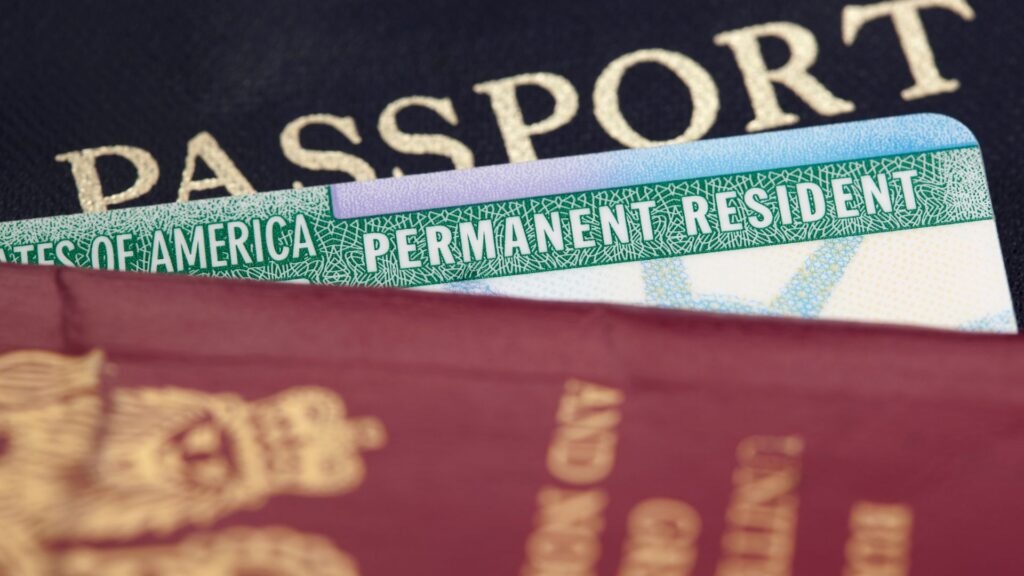
Conditional permanent residency exists because federal immigration law requires additional review for certain marriage-based green card recipients. Instead of immediately receiving a ten-year green card, qualifying applicants receive a conditional green card that remains valid for two years.
The purpose of this system is to allow immigration authorities to conduct a later review of the relationship and supporting evidence. While this additional step can feel frustrating, it serves as a standard part of the immigration process for many families throughout the country.
The Removal Of Conditions Process Creates Another Immigration Milestone
Many immigration cases involve several important stages rather than a single application. Individuals may first pursue a fiancé visa, marriage-based green card, or adjustment of status application before eventually reaching the removal of conditions stage.
Because of this progression, many applicants have already invested significant time, effort, and emotional energy into their immigration journey. The final removal of conditions filing often represents an important step toward securing permanent resident status without restrictions.
A Conditional Green Card Is Not The Same As Permanent Status
Although a conditional resident enjoys many of the same benefits as other permanent residents, important differences remain. The conditional designation means additional action must be taken before unrestricted permanent residency can be obtained.
As a result, conditional residents should remain proactive about deadlines and filing requirements. Waiting until the last minute often creates unnecessary stress and can reduce the amount of time available to gather strong supporting evidence.
Immigration Officers Review More Than Forms Alone
Government agencies do not evaluate cases based solely on completed paperwork. Officers frequently examine the totality of the evidence presented throughout the petition.
Documents, financial records, housing arrangements, travel history, photographs, and other supporting materials often help create a broader picture of the applicant's circumstances. Strong submissions generally present a clear narrative that is supported by consistent evidence.
Evidence Helps Tell The Story Behind The Marriage
Many people focus exclusively on forms and government instructions. However, immigration officers often learn far more about a relationship through the supporting evidence than through the forms themselves.
Bank statements, lease agreements, insurance policies, tax returns, family photographs, and correspondence can help demonstrate how a couple built a life together. These details frequently become especially important in an I-751 waiver case.
When An I-751 Waiver May Become Necessary
Not every marriage follows the path originally envisioned by the spouses. Life changes quickly, and circumstances can shift long before the removal of conditions deadline arrives.
Fortunately, federal immigration law recognizes that legitimate marriages sometimes end or encounter serious difficulties. Several waiver provisions exist to help conditional residents continue pursuing permanent residency when a joint filing is no longer possible.
Divorce Can Create The Need For An I-751 Waiver
One of the most common reasons individuals seek an I-751 waiver involves divorce after obtaining a conditional green card. Many applicants worry that the end of a marriage automatically ends their immigration future.
In reality, immigration law focuses heavily on whether the marriage was entered into in good faith. A relationship that later ends in divorce may still qualify for an I-751 waiver if the applicant can demonstrate that the marriage was genuine from the beginning.
Good Faith Marriage Evidence Often Becomes Critical
Applicants pursuing an I-751 divorce waiver frequently need substantial documentation showing that the relationship was real during the marriage.
Joint financial accounts, shared residences, travel records, photographs, correspondence, and statements from individuals familiar with the relationship may all help support a petition. The stronger the evidence, the easier it becomes to present a complete picture of the marriage.
Separation And Noncooperative Spouses Create Unique Challenges
Some conditional residents remain legally married but cannot obtain a spouse's participation in the filing process. In certain situations, spouses move away, refuse communication, or simply decline to cooperate.
These circumstances often create uncertainty because applicants are unsure how to proceed. Understanding available waiver options becomes particularly important when cooperation is no longer possible.
Delays Often Make These Cases More Difficult
Waiting for an unresponsive spouse to suddenly cooperate rarely improves the situation. Instead, delays may reduce preparation time and increase stress as filing deadlines approach.
Early planning often allows applicants to gather alternative evidence, explore waiver eligibility, and develop a stronger strategy before time becomes a significant concern.
Abuse And Extreme Cruelty May Support A Waiver Petition
Federal immigration law includes important protections for conditional residents who experience abuse or extreme cruelty during a marriage. These protections recognize that individuals should not remain in harmful situations out of fear regarding their immigration status.
Each situation presents unique facts. Therefore, careful preparation and detailed documentation frequently become essential parts of the petition process.
Personal Safety Remains An Important Consideration
Immigration concerns can feel overwhelming, but personal safety should never be overlooked. Applicants dealing with abusive circumstances often face both legal and personal challenges at the same time.
A thoughtful legal strategy can help address immigration requirements while allowing applicants to focus on building a safer future.
How An I-751 Waiver Lawyer In Texas Can Help
Many waiver petitions involve more than simply submitting forms. Applicants often need to determine which waiver category applies, identify supporting documentation, respond to potential concerns, and prepare for possible requests from immigration authorities.
Because every case presents different facts, individualized guidance often provides significant value throughout the process.
Building A Stronger Immigration Narrative
Successful petitions frequently present a clear and consistent explanation of the applicant's circumstances. Immigration officers review thousands of cases every year, which makes clarity especially important.
A well-organized filing helps officers understand how the relationship developed, why circumstances changed, and why the applicant continues to qualify for permanent residency.
Preparation Can Reduce Avoidable Problems
Many challenges arise because applicants underestimate the amount of preparation involved in a waiver petition. Missing records, inconsistent information, and incomplete evidence can create obstacles that may have been avoided with earlier planning.
Careful preparation often strengthens the overall petition while helping applicants feel more confident throughout the process.
Understanding Options Before Making Important Decisions
Every immigration case presents choices. Some applicants qualify for more than one waiver category. Others may need to decide when to file, what evidence to prioritize, or how to address unusual circumstances.
Evaluating those decisions early can help create a stronger foundation for the entire case. An I-751 Waiver Lawyer in Texas can help applicants understand the available pathways while developing a strategy aligned with their individual goals and circumstances.
The Right Strategy Depends On The Facts
No two waiver petitions look exactly alike. The circumstances surrounding a divorce differ from those involving abuse, hardship, or a noncooperative spouse.
For that reason, successful case preparation often begins with understanding the details rather than relying on assumptions. Taking the time to evaluate the full picture frequently leads to stronger and more persuasive petitions.
Why USCIS Issues Requests During I-751 Waiver Cases
Immigration officers review thousands of petitions every year. Some applications move forward without additional questions, while others generate requests for clarification or supplemental documentation.
The existence of a Request for Evidence does not necessarily indicate a problem. Instead, it often reflects a need for additional information before USCIS can complete its review.
Additional Evidence May Be Needed
Some waiver petitions contain strong evidence but still leave unanswered questions. An officer may want additional documentation regarding a shared residence, joint financial activity, family relationships, or the timeline of the marriage.
In these situations, USCIS often provides applicants with an opportunity to submit supporting records that strengthen the file before a final determination is made.
Every Case Presents Different Evidence Challenges
No two marriages generate identical records. Some couples maintain extensive financial accounts together. Others separate responsibilities while still maintaining a genuine relationship.
Because of these differences, immigration officers sometimes request documentation that helps them better understand the specific facts surrounding a particular case.
Immigration Officers May Need Clarification
Certain requests focus less on missing evidence and more on clarifying information already submitted. Dates may appear inconsistent. Documents may raise follow-up questions. A statement included within the petition may require additional context.
Providing clear explanations often becomes just as important as providing additional paperwork.
Clear Responses Often Reduce Confusion
Immigration officers must evaluate large amounts of information within limited timeframes. When responses are organized and easy to understand, officers can review the evidence more efficiently.
A clear response package frequently creates a stronger presentation than simply overwhelming the file with hundreds of unrelated documents.
Common USCIS Requests In I-751 Waiver Petitions
While every case remains unique, certain issues appear more frequently during the removal of conditions process. Understanding these concerns helps applicants prepare stronger responses.
Many requests focus on evidence supporting the good faith nature of the marriage or eligibility for the waiver category being pursued.
Requests For Good Faith Marriage Documentation
One of the most common areas of scrutiny involves whether the marriage was genuine at its inception. Even when a relationship later ends, immigration officers still want evidence that the marriage began with legitimate intentions.
As a result, USCIS may request additional proof showing how the couple built a life together during the marriage.
Financial And Residential Records Often Matter
Joint tax returns, lease agreements, mortgage documents, utility bills, insurance policies, and shared bank account records frequently help establish the history of the relationship.
These documents can demonstrate that the couple combined important aspects of their daily lives rather than maintaining completely separate households.
Family And Community Evidence Can Also Help
Financial records are important, but they do not always tell the entire story. Family photographs, travel records, correspondence, social events, and affidavits from individuals familiar with the relationship may provide valuable context.
Together, these materials help create a more complete picture of the marriage.
Requests Related To Divorce Waiver Eligibility
Applicants seeking an I-751 divorce waiver often receive requests related to the timing of the divorce or the circumstances surrounding the end of the marriage.
Immigration officers may seek additional records that explain how the relationship evolved and why the marriage ultimately ended.
Divorce Documentation Must Be Complete
Missing court documents can create unnecessary complications. USCIS generally expects applicants to provide complete and accurate records supporting the divorce waiver request.
When documentation is incomplete, additional requests may follow, which can extend processing times and create further delays.
Requests In Abuse-Based Waiver Cases
Abuse and extreme cruelty waiver petitions often involve sensitive circumstances. USCIS may request additional evidence that supports the applicant's experiences and eligibility under the applicable waiver provisions.
These cases require careful preparation because the evidence often differs significantly from traditional financial documentation.
Supporting Evidence Can Take Many Forms
Police reports, medical records, counseling records, protective orders, witness statements, and other forms of documentation may contribute to the overall case. Every situation is different, which makes individualized case evaluation particularly important.
How We Build Strong USCIS Responses
Many applicants make the mistake of treating a Request for Evidence as a simple checklist. In reality, each response creates an opportunity to strengthen the petition and address potential weaknesses before a final decision is issued. We approach every request strategically rather than mechanically.
Identifying The Real Concern Behind The Request
The language used in a Request for Evidence does not always reveal the full concern driving the inquiry. Sometimes a request appears straightforward while actually signaling broader questions about the case.
Understanding the underlying issue often helps shape a more effective response.
Strong Responses Address More Than The Minimum Requirement
Submitting only the exact document requested may not always resolve the officer's concerns. In many situations, additional supporting materials help provide context and reinforce the overall narrative.
This approach often creates a more persuasive submission while reducing the likelihood of future requests.
Organizing Evidence For Maximum Clarity
The presentation of evidence matters. Large collections of records can become difficult to review if they are poorly organized or submitted without explanation.
We focus on creating clear and logical submissions that allow immigration officers to quickly understand the significance of the evidence provided.
A Cohesive Narrative Strengthens The Petition
Documents become more powerful when they work together to tell a consistent story. Rather than viewing evidence as isolated pieces of information, we help connect the records to the broader circumstances of the case. This strategy often makes the petition easier to evaluate while highlighting important facts that support approval.
Why Prompt Action Matters After Receiving A USCIS Notice
Time becomes especially important once USCIS issues a request. Deadlines apply, and failing to respond appropriately can have serious consequences.
Applicants should avoid assuming they can wait until the final days before taking action.
Delays Can Limit Your Options
Gathering financial records, court documents, affidavits, and supporting evidence often takes longer than expected. Waiting too long may reduce the available time needed to build a complete response.
Early action frequently creates greater flexibility and allows applicants to address unexpected issues before submission.
Preparation Creates More Opportunities To Strengthen The Case
The strongest responses rarely come together overnight. Instead, they often result from careful review, thoughtful planning, and strategic evidence collection.
When questions arise regarding a Request for Evidence, working with an I-751 Waiver Lawyer in Texas can help applicants respond effectively while protecting their path toward permanent resident status.