















Do You Need a Citizenship Application Lawyer in Texas
You may need a citizenship application lawyer in Texas if your naturalization case involves more than a simple Form N-400 filing. Faragalla Law helps lawful permanent residents review eligibility, prepare documents, and address possible USCIS concerns before they become delays. A lawyer can help if you have:
USCIS does not only review your citizenship application. It may compare your N-400 with prior visa applications, adjustment filings, employment petitions, family petitions, travel history, tax records, and criminal background information. Faragalla Law helps Texas applicants find these issues early, organize the right documents, and prepare for the citizenship interview with more confidence.
What Evidence Supports a Strong Citizenship Application
A strong citizenship application does more than answer Form N-400 questions. It gives USCIS records that support eligibility, explain concerns, and reduce confusion during review.
Texas applicants should gather evidence before filing, especially when travel, taxes, arrests, marriage history, or prior immigration records may raise questions. A citizenship application lawyer in Texas, Faragalla Law helps applicants identify what proof may strengthen the case.
Call a Citizenship Application Lawyer in Texas Today
Do not let a preventable mistake delay your path to citizenship. Faragalla Law helps Texas permanent residents review eligibility, prepare Form N-400, organize evidence, and get ready for USCIS interviews.
If travel history, taxes, arrests, selective service, prior immigration filings, or interview questions worry you, speak with a citizenship application lawyer in Texas before filing. Early guidance can help you address problems before USCIS reviews your case. Call Faragalla Law at (800) 707-3038 or contact us today to speak with a Texas citizenship application attorney and take the next step toward naturalization.
Citizenship Eligibility Requirements Before Filing
Naturalization eligibility involves more than holding a green card for a certain number of years. USCIS may review residence, travel, tax history, family records, criminal history, and prior immigration answers before approving citizenship. A Texas citizenship lawyer can help applicants review these issues before filing. This gives the applicant a clearer path and helps avoid filing before the case is ready.
Five-Year Rule for Permanent Residents
Most lawful permanent residents apply under the five-year rule. USCIS reviews whether the applicant maintained permanent resident status and satisfied the required time period. Applicants who moved often, traveled frequently, or changed jobs during the qualifying years should review their records carefully. A filing mistake can create delays even when the applicant may otherwise qualify.
Three-Year Rule Through Marriage
Some permanent residents qualify under the three-year rule based on marriage to a U.S. citizen. This option usually requires proof that the applicant remained married to and living with the citizen spouse during the required period.
USCIS may review joint tax returns, shared addresses, bank records, insurance records, and other proof of the marriage. If separation, divorce, or separate residences occurred, legal review can help determine the better filing path.
Travel History and Residence Problems
Travel history often causes problems because applicants may not remember exact dates. USCIS asks for details about trips outside the United States, including departure dates, return dates, and destinations.
Texas residents who travel through Houston, Dallas, Austin, or San Antonio for work or family reasons should build a clear travel timeline before filing. Missing or inaccurate dates may create questions during the interview.
Trips Longer Than Six Months
Trips longer than six months can raise concerns about continuous residence. USCIS may ask whether the applicant kept the United States as their main home during the absence.
Evidence may include Texas lease records, mortgage statements, tax returns, employment records, bank activity, and proof of family ties. These records can help explain why the applicant remained connected to the United States.
Frequent Short Trips Abroad
Frequent travel can affect physical presence even when no single trip seems long. Applicants who travel often for business, family, or emergencies should count their days before filing. A citizenship application lawyer in Texas can help review passports, flight records, work travel logs, and other records. This helps prevent mistakes on Form N-400 and prepares the applicant for USCIS questions.
Tax and Good Moral Character Issues
USCIS reviews good moral character during naturalization. Tax filings, unpaid balances, child support issues, and prior legal problems may all come up during the process. Applicants should not wait for the interview to address these issues. Faragalla Law helps Texas applicants gather records and prepare clear explanations before USCIS asks questions.
Missing Tax Returns and Tax Debt
Missing tax returns can create problems during citizenship review. USCIS may ask whether the applicant filed required returns and handled tax obligations properly. Owing taxes does not automatically stop a citizenship application. Payment plans, IRS transcripts, proof of payment, and tax correspondence may help explain the situation.
Child Support and Financial Records
Child support issues may affect good moral character if payments are unpaid or unclear. USCIS may ask whether the applicant complied with court orders. Helpful records may include payment histories, wage withholding records, court orders, and modification documents. Gathering these records early can help prevent avoidable delays.
Arrest Records and Criminal History Concerns
Old arrests, dismissed charges, traffic offenses, and sealed records can still matter during naturalization. Applicants should not assume a case no longer matters because it happened years ago. USCIS may ask for certified court records showing exactly what happened. A naturalization lawyer can help applicants identify records before filing, rather than waiting for an interview problem.
Dismissed Charges and Expunged Records
Dismissed charges and expunged cases may still require disclosure on Form N-400. Immigration rules do not always match state criminal record rules. Applicants may need certified dispositions, charging documents, probation records, or proof that court requirements were completed. Getting these records early can save time later.
Traffic and Driving Offenses
Routine traffic tickets usually create fewer concerns than criminal charges. Driving offenses involving alcohol, reckless driving, suspended licenses, or repeated violations need closer review. USCIS may look at patterns of conduct, not just one event. A citizenship attorney can help applicants decide what records and explanations may be needed.
Prior Immigration Problems Before Citizenship
Naturalization may bring old immigration issues back into focus. USCIS can review visa applications, green card filings, work authorization records, family petitions, and prior answers. Inconsistent dates, addresses, employment history, or marital information may create questions. Reviewing old records before filing helps applicants avoid confusion during the interview.
Inconsistent Answers in Prior Filings
Small differences across immigration records can raise questions. An applicant may forget an old address, list employment dates differently, or remember travel details incorrectly. These issues may not mean the applicant did anything wrong. Still, they should be reviewed before filing so the applicant can explain them clearly.
Prior Status and Removal Issues
Applicants with prior overstays, unauthorized employment, removal proceedings, or status violations should review their history before filing. These issues may affect how USCIS views the case. A citizenship application lawyer in Texas helps applicants understand whether older immigration concerns may create questions during naturalization. Early review can help protect the filing strategy.
Selective Service and Name Change Issues
Some male applicants must show they complied with Selective Service registration rules. This issue can surprise applicants who were permanent residents during the registration age range. Name changes can also affect the naturalization process. Applicants should make sure legal names, prior names, marriage records, divorce records, and identity documents match the application.
Selective Service Registration Concerns
USCIS may ask about Selective Service registration for certain male applicants. Missing registration does not always end the case, but it may require an explanation. A Texas citizenship application attorney can help review age, status, and registration history. This helps determine what records or statements may be needed.
Naturalization Name Change Requests
Some applicants request a legal name change during naturalization. Others need to explain name differences across passports, green cards, marriage records, or court documents. Name issues should be addressed before filing. Consistent records can help prevent identity questions during USCIS review.
USCIS Interview Preparation in Texas
The citizenship interview can feel stressful because applicants must answer questions about their form, background, English ability, and civics knowledge. Preparation helps applicants understand what USCIS may ask.
A citizenship application lawyer in Texas, Faragalla Law helps Texas applicants prepare for interview topics tied to their actual case facts. This support can help when the application includes travel, tax records, arrests, prior filings, or name issues.
N-400 Interview Questions
USCIS officers usually review Form N-400 during the interview. They may ask about travel history, addresses, employment, family details, taxes, arrests, and immigration history. Applicants should review the filed application before the interview date. Months may pass between filing and the interview, so details should be fresh.
English and Civics Test Concerns
Most applicants must complete English and civics testing. Some applicants may qualify for age-based exceptions, disability accommodations, or other special rules. Applicants with medical concerns should review these issues early. Waiting until the interview may make the process harder than necessary.
Requests for Evidence and Citizenship Delays
USCIS may issue a Request for Evidence when it needs more information before deciding the case. These requests may involve travel records, taxes, court documents, marriage evidence, or residence proof. A response should be clear, complete, and filed on time. Faragalla Law helps applicants organize evidence and address USCIS concerns directly.
N-400 Requests for Evidence
An RFE does not always mean the case will be denied. It does mean USCIS needs more proof before moving forward. Applicants should take the request seriously and avoid sending incomplete records. A citizenship application lawyer in Texas can help prepare a focused response.
Address Changes After Filing
Applicants must keep address information current after filing. Missing USCIS mail can lead to missed appointments, delays, or case problems. Texas applicants who move between Houston, Dallas, Austin, San Antonio, or other cities should update USCIS promptly. Keeping records current helps protect the application.
Citizenship Denials and N-336 Hearings
Some citizenship applications are denied after the interview. Denials may involve eligibility, travel, taxes, criminal history, good moral character, testing, or missing evidence. Applicants may have options after a denial. In some cases, they can request a hearing through Form N-336 and ask USCIS to review the decision.
Why Citizenship Applications Get Denied
Denials may happen when USCIS finds missing records, inconsistent answers, residence problems, failed testing, or unresolved legal concerns. The denial notice should explain the reason. A Texas naturalization lawyer can review the notice and identify possible next steps. Some applicants may need to appeal, refile later, or fix the issue first.
Hearing Requests After Denial
Form N-336 allows certain applicants to request a hearing after denial. Timing matters because USCIS sets deadlines for this request. Legal guidance can help applicants decide whether a hearing makes sense. The right strategy depends on the reason for denial and the evidence available.
Core Records for Naturalization Applicants
Most applicants need identity records, green card records, residence history, travel history, tax documents, and any records tied to special issues. The exact evidence depends on the facts of the case. Organized records help USCIS review the application faster. They also help applicants answer interview questions with more confidence.
Green Card and Identity Documents
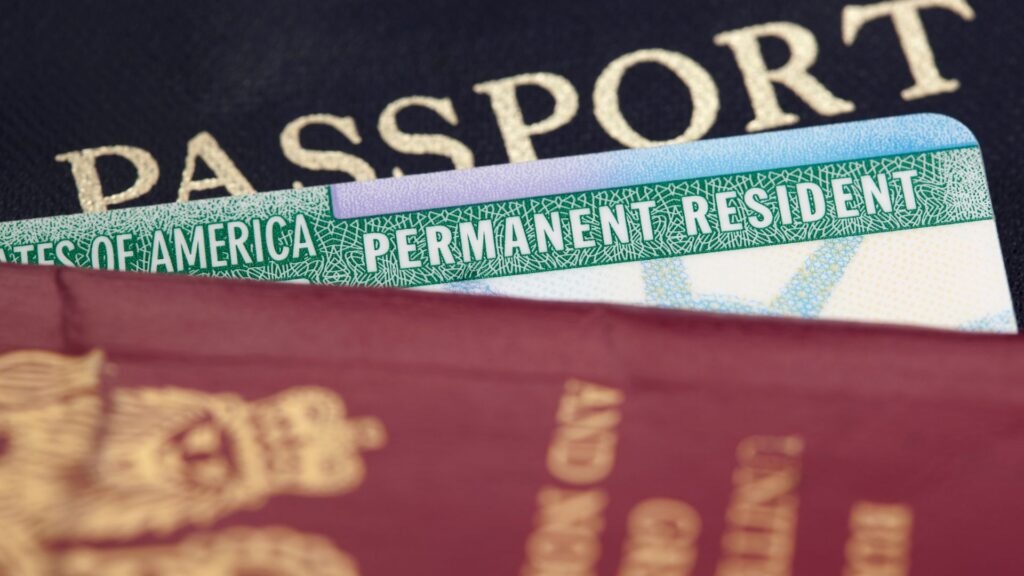
Applicants should gather their permanent resident card, passports, state identification, and any legal name change records. These documents help confirm identity and immigration status. Expired passports may still matter because they can show travel history. Applicants should not throw away older records before naturalization.
Residence and Employment Records
Residence records may include leases, mortgage statements, utility bills, tax returns, pay stubs, and school records. These materials can help show where the applicant lived during the required period. Employment records may also help explain travel, income, and residence. This matters for applicants who worked across state lines or traveled internationally for work.
Evidence for Marriage-Based Naturalization
Applicants filing under the three-year rule through marriage need proof of the qualifying relationship. USCIS may review whether the couple lived together and remained in a valid marriage. This evidence should be organized before filing. Missing or inconsistent marriage records may slow the case.
Joint Financial and Household Records
Helpful records may include joint tax returns, bank statements, leases, mortgages, insurance policies, utility bills, and shared accounts. These records can show that the couple built a life together. USCIS may ask questions when documents show different addresses or limited shared records. A legal review can help identify gaps before filing.
Marriage and Divorce Records
Applicants should gather marriage certificates, prior divorce decrees, and related court records. USCIS may review prior marriages when checking eligibility. These records should match the information listed on Form N-400. Inconsistent dates or missing records can create avoidable problems.
Evidence for Travel and Residence
Travel records help USCIS review continuous residence and physical presence. Applicants should create a complete list of trips before filing. Texas applicants who travel often through airports in Houston, Dallas, Austin, or San Antonio may need to rebuild travel history from several sources. Faragalla Law can help sort those records.
Passports and Travel Records
Passports, flight receipts, I-94 records, hotel records, and employer travel logs may help create an accurate travel timeline. Applicants should include trips even when passport stamps are missing. Accurate travel reporting helps prevent confusion during the interview. USCIS may compare travel answers against government records.
Proof of Texas Ties
Evidence of Texas ties may include leases, mortgage records, utility bills, employment records, school records, tax returns, and family records. These materials may help explain extended travel.
For example, a Houston applicant who spent months abroad for a family emergency may need records showing continued residence in Texas. The goal is to show the United States remained the applicant’s home.
Evidence for Tax and Financial Issues
Tax records often matter in naturalization cases. Applicants should gather returns, transcripts, payment plans, and proof of payment when tax issues exist. Financial records can help answer good moral character questions. They may also help explain employment, residence, or self-employment history.
IRS Transcripts and Tax Returns
IRS transcripts and filed tax returns can help show compliance. Applicants with missing returns should address the issue before filing when possible. Self-employed applicants should make sure income records match other parts of the immigration history. Inconsistent records may create questions.
Payment Plans and Proof of Compliance
Applicants with tax debt may need proof of a payment plan or payment history. This can show USCIS that the applicant has taken steps to address the issue. Child support records may serve a similar purpose. Payment histories and court orders can help show compliance with family obligations.
Evidence for Criminal and Court Records
Applicants with arrests, charges, citations, or court cases should gather records before filing. Waiting until the interview can delay the case.
USCIS may ask for certified records even when a case ends without a conviction. A citizenship application lawyer in Texas can help identify what the applicant may need.
Certified Court Dispositions
Certified dispositions show how a case ended. USCIS often needs these records to review criminal history accurately.
Applicants should request records early because courts may take time to provide them. Older cases can take longer to locate.
Proof of Completed Requirements
Some cases require proof that fines, classes, probation, or other court requirements were completed. These records can help show compliance. Applicants should keep copies of payment receipts, completion certificates, and court letters. Organized records help avoid delays during USCIS review.
Evidence for Interview and Testing Issues
Interview preparation should include the filed N-400, supporting records, and updates since filing. Applicants should bring records that explain any changes. Testing issues may require extra preparation or specific forms. Applicants who believe they qualify for an exception should review the rules before the interview.

Application Updates After Filing
Life can change after Form N-400 is submitted. Applicants may move, travel, marry, divorce, change jobs, or receive a citation. These updates should be handled carefully. A citizenship application lawyer in Texas helps applicants understand how to report changes during the process.
Disability Exceptions and Accommodations
Some applicants may qualify for disability exceptions or accommodations during naturalization. Medical records and proper forms may be required. Applicants should not wait until the interview to raise these concerns. Early preparation can help USCIS review the request properly.