













Why a Marriage Green Card Interview Lawyer in Texas Matters Before USCIS Questions Begin

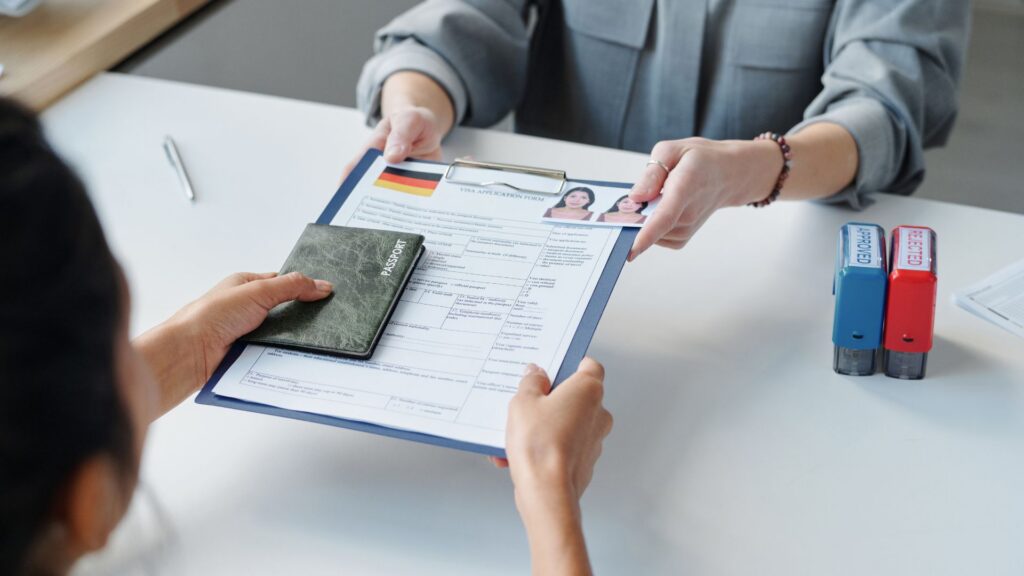
A marriage green card interview can test details that couples rarely think to organize before the appointment. USCIS may ask about the home, bills, schedules, family events, wedding choices, prior marriages, travel, and changes since the original filing. A marriage green card interview lawyer in Texas can review those question areas before the couple has to answer under oath. The goal is not to rehearse a perfect story, but to make sure truthful answers match the documents already in the file. Faragalla Law prepares couples for the parts of the interview that may feel ordinary at home but important inside a USCIS office.
Texas couples may need more focused preparation when their household does not fit a simple paper trail. Some spouses live with relatives, split expenses informally, keep separate accounts, work opposite schedules, or moved before they could update every record. Those facts do not make a marriage weak, but they can require context when USCIS expects documents that show shared life. Interview preparation should identify where the file may look thin, where answers may need detail, and where supporting records can explain the couple’s real circumstances. A stronger interview begins before the officer controls the conversation.
What Happens When USCIS Separates Spouses During the Interview
A separated marriage green card interview can feel very different from a standard appointment. USCIS may place spouses in different rooms when an officer wants to compare answers about the marriage without either person hearing the other's response. The questions may cover private routines, financial habits, household layout, wedding events, travel, family contact, and earlier immigration answers. A marriage green card interview lawyer in Texas can prepare couples for this process by identifying the areas where inconsistent answers may create concern. Separated questioning requires accuracy, calm recall, and answers grounded in real married life.
Texas couples should not assume separation means the officer has already decided the case negatively. Officers may separate spouses because the file contains limited records, unusual living arrangements, prior relationship history, age differences, short courtships, address issues, or answers that need closer testing. The main risk comes from careless answers that sound different from each other or different from the documents. Faragalla Law reviews likely question categories before the interview so couples understand how ordinary facts may be examined under pressure. Preparation gives both spouses a better grasp of the details USCIS may compare.
How Faragalla Law Builds Interview Readiness for Texas Marriage Green Card Cases

Faragalla Law prepares marriage green card interviews by looking at the appointment from the officer’s point of view and the couple’s lived reality at the same time. USCIS may have forms, photos, bank records, address documents, prior immigration filings, and interview notes, while the couple has the everyday context behind those records. A marriage green card interview lawyer in Texas can identify where the file may look thin, where the relationship history may need explanation, and where both spouses should understand the documents before questioning begins. This approach matters when a real marriage includes informal finances, shared housing with relatives, work travel, or recent life changes that do not create perfect paperwork. Interview preparation should make the couple’s actual life easier for USCIS to understand.
The firm also prepares couples for the possibility that the interview may shift direction. An officer may start with simple biographical questions, then move into detailed topics involving household routines, prior marriages, immigration history, money, addresses, or family events. Faragalla Law reviews those areas before the appointment so couples do not hear difficult questions for the first time in the interview room. The preparation focuses on accurate memory, document support, and honest explanations rather than scripted answers. A stronger interview begins when both spouses understand the record USCIS will review.
Talk With a Marriage Green Card Interview Lawyer in Texas Before Your USCIS Appointment
A USCIS interview can turn ordinary marriage details into questions that need specific, consistent answers. Even a real marriage can feel harder to explain when documents are limited, addresses changed, or nervous answers do not match the record exactly. Faragalla Law prepares Texas couples for the questions that may come from their own facts, rather than from a generic interview checklist. The right preparation can make the appointment feel less like a guessing test and more like an organized conversation about the marriage.
Your relationship has its own history, routines, challenges, and paperwork. Sam Faragalla reviews the interview concerns before USCIS asks about them, including household records, prior filings, separate finances, family involvement, and possible follow-up requests. Call Faragalla Law at (800) 707-3038 or visit our contact page to speak with our marriage green card interview lawyer in Texas before your interview date arrives.
Household Details Officers May Ask About
USCIS officers may ask questions about the couple’s home because shared living details can show how the marriage works in daily life. Questions may cover bedrooms, rent, utilities, parking, furniture, groceries, pets, neighbors, morning routines, and who handles certain household responsibilities. These details can feel too ordinary to prepare, yet nervousness can make simple answers sound uncertain. Couples should understand how their living arrangement appears in leases, mail, identification records, and utility documents. Interview preparation should connect real household facts with records the officer may review.
Shared Address Records That Need Context
Shared address records may include leases, mortgage papers, mail, driver records, insurance documents, school records, or bank statements. Couples who live with relatives or recently moved may not have every record in both names. The interview should explain the housing arrangement with documents that support the address history.
Daily Routine Questions During Interview Review
Daily routine questions may focus on work schedules, meals, chores, transportation, and time spent together. Officers may compare those answers against employment records, addresses, and household documents. The couple should answer from actual habits rather than broad descriptions.
Wedding and Relationship Timeline Questions
Marriage green card interviews often include questions about how the relationship moved from dating to marriage. USCIS may ask how the spouses met, who proposed, why the wedding happened when it did, who attended, and how families responded. The officer may compare those answers with photos, messages, travel records, marriage documents, prior filings, and any statements submitted earlier. A couple should know the timeline well enough to explain it naturally without sounding memorized. Specific details make the relationship history easier to follow.
Wedding Records That Support Testimony
Wedding records may include photographs, invitations, receipts, venue documents, religious records, courthouse paperwork, and family messages. These records work best when they match the couple’s explanation of the ceremony and surrounding events. The interview should show how the wedding fits the relationship timeline.
Family Involvement and Relationship History
Family involvement may become relevant when officers ask who knew about the relationship and when relatives met each spouse. Photos, messages, travel records, and event details can support those answers. The testimony should reflect real family contact without overstating the record.
Documents That Explain Unusual Marriage Facts
Some marriages are genuine even when the documents do not look typical. A couple may have separate bank accounts, limited insurance options, cash payments to relatives, recent address changes, long work travel, or cultural reasons for certain household arrangements. USCIS may ask about those facts when the paper record does not show the relationship clearly. A marriage green card interview lawyer in Texas can identify which explanations need documents and which answers need better organization. The interview should help the officer understand the marriage as it actually functions.
Separate Finances and Shared Responsibilities
Separate accounts do not always mean separate lives. Couples may share rent, groceries, transportation, phone plans, medical costs, or family responsibilities without using one joint bank account. Records should show how the spouses manage responsibilities in the way their household actually works.
Moves and Address Changes Before Interview
Moves can create confusion when forms, mail, leases, and identification records show different addresses. Couples should understand when each move happened and which documents support the current residence. Address explanations should match both the filing history and present living arrangement.
Prior Immigration or Marriage History Concerns
Prior immigration filings or earlier marriages can affect the tone of a marriage green card interview. USCIS may ask about old petitions, visa history, previous spouses, divorce timing, entry records, or answers that appeared in earlier filings. These topics can feel uncomfortable, but avoiding them can create bigger problems when the officer already has access to records. Couples should review sensitive history before the interview so answers stay accurate and direct. Older records should not surprise either spouse during questioning.
Prior Filings Compared With Current Answers
Prior filings may contain addresses, dates, relationship details, employment information, or travel history that USCIS can compare against current answers. Differences should be understood before the interview begins. Prepared explanations reduce the chance that an old record creates confusion.
Divorce Timing and Earlier Relationships
Divorce timing may matter when the current marriage followed a prior relationship. USCIS may review whether earlier marriages ended legally and whether the current relationship timeline makes sense. Certified divorce records and accurate dates should remain ready for review.
Separate Rooms and Matching Answer Review
During separated questioning, each spouse may answer similar questions without knowing what the other person said. USCIS may compare answers about daily life, household layout, family events, bills, meals, work schedules, and shared plans. Small differences do not always harm the case, but major contradictions can lead the officer to question the marriage record. Couples should understand which details matter before nervousness turns simple facts into inconsistent testimony. Matching answers work best when they come from real memory, not rehearsed scripts.
Household Layout Questions During Separation
Officers may ask about bedrooms, bathrooms, furniture, closets, parking spaces, appliances, or where certain personal items are kept. These questions test whether both spouses know the shared home in a practical way. Couples should answer based on actual living conditions rather than guessing what sounds ideal.
Work Schedules and Daily Timing
Work schedules can explain when spouses see each other, who leaves first, and how household responsibilities are handled. USCIS may compare those answers with employment records, address documents, and routine details. Accurate timing helps explain daily married life.
Wedding Memories and Family Involvement
Separated interviews often test whether both spouses remember important relationship events in similar ways. USCIS may ask about the proposal, wedding date, ceremony location, guests, clothing, meals, photos, family reactions, and celebrations after the marriage. The officer may compare those answers with wedding records, photographs, messages, travel documents, and earlier statements. Couples should know the difference between a harmless memory gap and a contradiction that changes the relationship timeline. Important events should be recalled with practical detail.
Ceremony Details Officers May Compare
Ceremony questions may cover who attended, who arrived first, what happened afterward, and which documents were signed. Photos, courthouse records, religious documents, receipts, and family messages may support those answers. The couple’s testimony should match the real event shown in the records.
Family Contact Before and After Marriage
Family contact can matter when USCIS asks who knew about the relationship and how relatives were involved. Spouses may need to explain visits, calls, messages, cultural expectations, or family distance. The answer should reflect the actual relationship between both families.
Conflicting Answers After the Interview
Conflicting answers do not always end a marriage green card case, but they can lead to more review, requests for evidence, or a difficult credibility assessment. The seriousness of the conflict depends on the topic, the documents, and whether the difference can be explained with reliable proof. A mismatch about a minor household item is different from conflicting answers about where the couple lives or when the relationship began. Faragalla Law reviews post-interview concerns by separating ordinary memory differences from issues that may affect eligibility. The response should address the real conflict instead of overwhelming USCIS with unrelated documents.
Explaining Minor Memory Differences
Minor memory differences may happen when spouses recall dates, events, or household details differently. USCIS may accept an explanation when the core marriage evidence remains consistent and well documented. The strongest response explains the difference without changing the underlying facts.
Responding to Serious Credibility Concerns
Serious credibility concerns require a focused response supported by documents that address the exact inconsistency. Housing records, financial proof, travel history, messages, affidavits, or corrected explanations may become important after the interview. A targeted response gives USCIS a reason to reassess the disputed issue.
Green Card File Review Before Interview Strategy
Faragalla Law reviews the marriage green card file before building an interview strategy because the strongest preparation starts with the documents already submitted. The firm examines forms, relationship evidence, address history, financial records, prior immigration answers, marriage documents, and any USCIS notices that may shape the appointment. That review can show where the officer may ask for clarification, where documents support the couple well, and where additional records may reduce confusion. Some concerns come from missing evidence, while others come from records that tell an incomplete story. Interview strategy should come from the actual file, not a generic question list.
Records That May Draw Officer Questions
Certain records may draw officer questions because they affect how USCIS understands the marriage. Separate addresses, limited joint accounts, prior marriages, late document updates, or inconsistent dates may require explanation during the interview. Faragalla Law identifies those records before the officer raises them.
Evidence That Needs Added Context
Some evidence needs context because documents alone do not always explain how the couple lives. A lease in one spouse’s name, cash household contributions, or separate bank accounts may still fit a real marriage. The explanation should connect the document to the couple’s actual arrangement.
Interview Practice Around Real Marriage Details
Interview preparation should focus on the details that belong to the couple’s real life. Faragalla Law discusses topics such as household routines, shared expenses, family involvement, wedding events, address changes, work schedules, and important relationship dates. This preparation helps spouses answer from memory and experience rather than trying to sound rehearsed. The goal is to reduce confusion around ordinary details that can feel harder to recall under pressure. Real preparation makes honest answers easier to deliver.
Household Questions Based on Daily Life
Household questions may involve sleeping arrangements, meals, bills, chores, transportation, schedules, and personal items in the home. Officers may ask these questions to determine how well the spouses know their shared living situation. Couples should prepare around facts they actually live every day.
Relationship Dates and Family Events
Relationship dates and family events may become important when USCIS reviews the timeline. The officer may ask about first meetings, proposals, wedding details, family visits, holidays, or travel together. Spouses should understand the major timeline without forcing identical wording.
Preparation for Follow-Up After the Interview
Faragalla Law also prepares couples for what may happen after the interview ends. USCIS may approve the case, request more documents, schedule another review, or raise concerns that require a written response. Couples should understand that the interview is not always the final step, especially when the officer needs updated records or clarification about testimony. The firm reviews any post-interview notice and focuses the response on the issue USCIS identified. Follow-up preparation can protect the case when the interview leaves unanswered questions.
Requests for More Marriage Evidence
USCIS may request more marriage evidence when the officer wants updated proof after the interview. Housing records, financial documents, insurance proof, family photos, travel records, or affidavits may become relevant. The response should answer the officer’s concern without burying the file in unrelated records.
Concerns Raised by Interview Testimony
Interview testimony can create concerns when answers conflict with documents or with each other. Faragalla Law reviews the exact issue before preparing any response so the couple does not guess at what USCIS meant. A focused explanation should address the disputed fact directly.