Featured Immigration Topic
What Consular Officers Look for Before Issuing a K-1 Visa
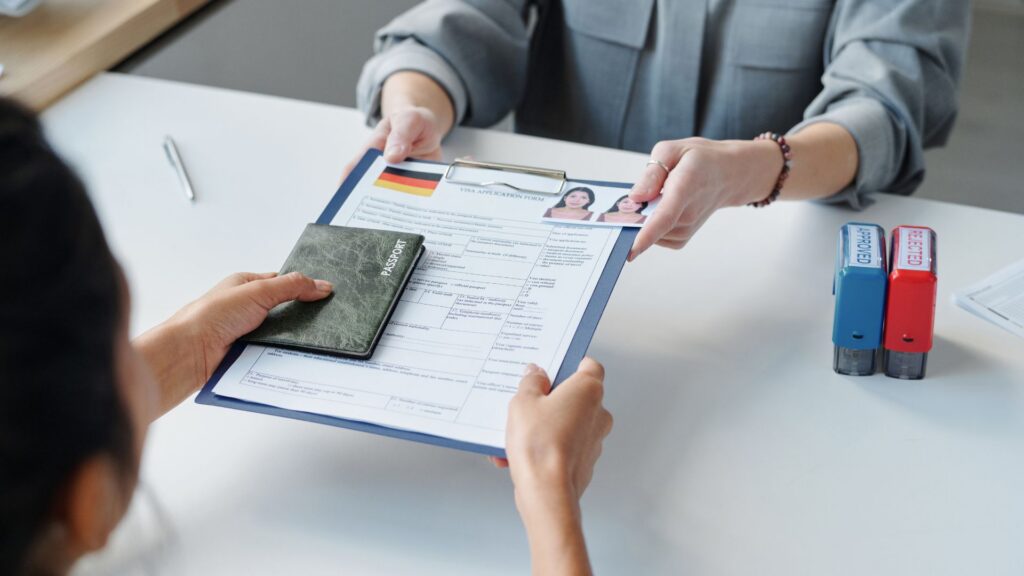
A K-1 case changes tone once it reaches the consular interview. USCIS may have approved the petition, but the consular officer still decides whether the foreign fiancé qualifies for visa issuance after reviewing identity, background, relationship facts, and interview answers. A K-1 fiancé visa attorney in Texas can prepare couples for that stage by looking at what the officer must decide at the window, not only what the earlier petition included. The interview may turn on how the applicant explains the relationship, prior visa history, civil records, sponsorship, and plans after arrival in the United States. Faragalla Law prepares this stage as a separate decision point because consular review can raise issues that did not appear during USCIS processing. The officer needs confidence that the applicant qualifies for the visa and understands the purpose of K-1 entry.
Consular questioning can feel intimidating because the foreign fiancé usually attends alone and must answer without the Texas petitioner beside them. The officer may move quickly through relationship history, prior travel, employment, family background, earlier applications, and wedding plans. A short answer can create confusion when it conflicts with the petition, but an overexplained answer can also distract from the question being asked. Preparation should focus on accuracy, calm recall, and familiarity with the documents already submitted. The interview is not a performance, but it does require the applicant to understand the case. A prepared applicant can answer directly while staying aligned with the record.
Visa Eligibility Questions at the Interview Window
The consular officer may ask questions that test whether the applicant qualifies for K-1 visa issuance, even after USCIS petition approval. Those questions may involve identity, relationship history, prior travel, criminal background, health documentation, earlier visa applications, and intent to marry after entry. The applicant should understand which facts belong to eligibility and which facts simply provide background. Confusing those categories can make a simple answer sound uncertain. Interview preparation should focus on what the officer legally needs to decide.
Prior Travel and Visa Application History
Prior travel can shape consular questions when the applicant previously visited the United States or applied for another visa. The officer may compare earlier applications with current answers about relationship timing, employment, family ties, or travel purpose. The applicant should know what prior records may show before answering new questions.
Civil Documents Needed for Visa Issuance
Civil documents may include a birth certificate, police certificate, passport, divorce record, medical exam confirmation, and required translations. The officer may ask for originals or documents that match the consulate’s instructions. Missing or incorrect records can stop visa issuance even after a strong interview.
Relationship Answers Without the Texas Petitioner Present
The foreign fiancé must usually explain the relationship without the United States citizen partner sitting beside them. Questions may cover how the couple met, when the engagement happened, who knows about the relationship, and what marriage plans exist after entry. The officer may compare those answers with photos, travel records, written statements, and messages included in the petition. The applicant should answer from real memory instead of trying to repeat memorized language. Natural answers work best when they stay specific and consistent.
Questions About First Meeting and Engagement
Questions about the first meeting may focus on where the couple met, how long they spent together, and what happened afterward. Engagement questions may cover the proposal, family knowledge, wedding discussions, and future plans in Texas. The answers should match the timeline already documented in the case.
Wedding Plans After K-1 Entry
Wedding plans should show that the couple understands the 90-day marriage requirement after arrival. The plan may involve a courthouse ceremony, religious service, family gathering, or simple private wedding. The officer should hear a practical plan that fits the couple’s real circumstances.
Administrative Review After the Interview
A consular interview does not always end with immediate visa issuance. The officer may place the case in administrative review, request another document, keep the passport for processing, or ask for clarification about background or relationship details. This stage can frustrate couples because the interview may have seemed successful before another requirement appeared. Faragalla Law reviews post-interview instructions carefully so the response matches the consulate’s actual request. The family should not assume approval is complete until the visa has been issued. Post-interview steps deserve the same attention as the petition.
Additional Documents Requested by the Consulate
The consulate may request updated police certificates, financial records, civil documents, medical information, or relationship proof after the interview. Each request should be answered with the specific record the officer identified. Sending unrelated materials can slow review by burying the needed answer.
Passport Return and Travel Timing
Passport return can take time after a visa decision, especially when printing, courier steps, or administrative review remain pending. The applicant should wait for the passport and visa before making final travel plans. Entry timing should be based on the issued visa, not the interview outcome alone.