











Why K-1 Fiancé Visa Cases Get Denied in Texas

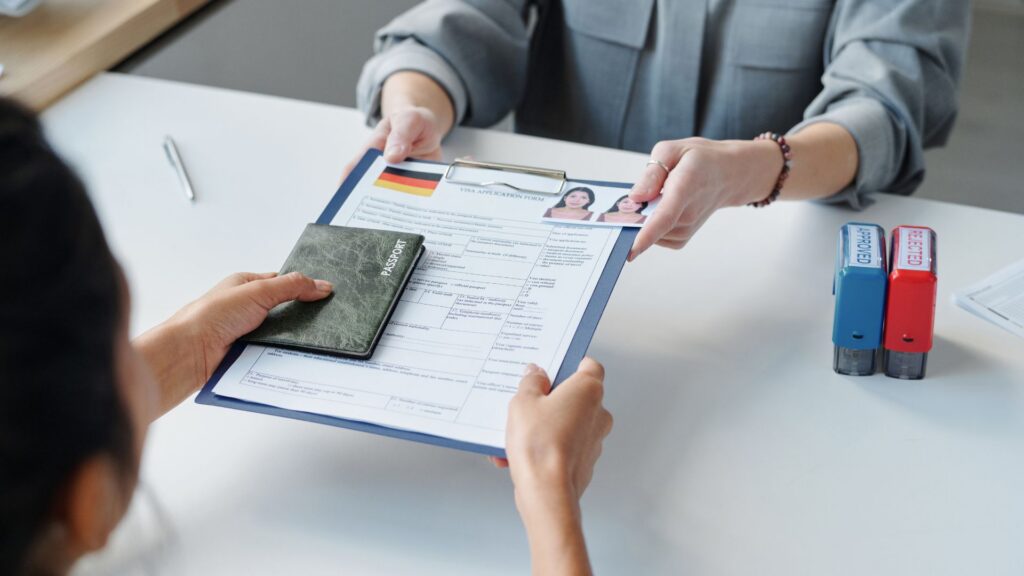
A K-1 fiancé visa denial usually traces back to a specific weakness in the record rather than a simple government mistake. Officers may question whether the couple met within the required period, whether both partners were legally free to marry, whether the relationship evidence supports a real engagement, or whether prior immigration history creates a separate problem. Faragalla Law examines the decision point and identifies which part of the case failed under USCIS or consular review. Some denials involve missing documents, while others come from interview answers that did not match the petition. The reason for denial should guide the next filing decision.
Texas couples may also face denial when the case contains facts that were never explained before the officer reached a decision. A brief in-person visit, unclear engagement timeline, older visa refusal, foreign divorce document, income issue, or inconsistent relationship history can all affect the outcome. Refiling the same packet may repeat the same problem if the couple does not know what the government questioned. Faragalla Law reviews the denial against the submitted evidence, interview history, and immigration record before recommending the next step. A stronger response begins with knowing exactly where the case broke down.
How a K-1 Visa Denial Lawyer in Texas Reviews a Visa Refusal
A visa refusal should be reviewed by tracing the decision back to the exact stage where the case changed direction. A K-1 visa denial lawyer in Texas can look at whether the problem came from USCIS petition review, consular interview questioning, missing civil documents, financial sponsorship concerns, or a possible admissibility issue. Some couples receive a written notice that points to a specific defect, while others only know that the officer refused the case after a difficult interview. The review should separate document problems from eligibility problems because each category requires a different response. A useful refusal analysis identifies the issue that must be fixed before the couple spends time on another filing.
The next step after a refusal should not begin with recreating the same packet. A couple may need certified records, updated relationship proof, a corrected timeline, a stronger explanation of prior immigration history, or a different legal strategy if the refusal involved inadmissibility. Faragalla Law compares the government’s stated concern with the documents, answers, and case history already submitted. That comparison can show whether the case needs a targeted response, a new petition, or preparation for a separate immigration issue before refiling. A denial review should turn uncertainty into a specific action plan.
The Approach Faragalla Law Uses for K-1 Fiancé Visa Denial Cases

Faragalla Law begins a denied K-1 case by reading the refusal through the exact pressure point that stopped approval. A denial may involve a consular concern, a returned petition, missing civil records, weak engagement proof, prior immigration history, or an admissibility issue that requires separate analysis. The firm compares the refusal history with the petition, interview facts, submitted evidence, and any prior government records tied to the couple. A K-1 visa denial lawyer in Texas should identify the problem before asking a couple to spend more time and money on another filing. The next strategy should answer the defect that actually caused the refusal.
A denied fiancé visa case can feel personal because the decision affects wedding plans, travel, and the couple’s future in the United States. Faragalla Law treats that urgency seriously while still separating emotion from the legal issue that must be corrected. Sam Faragalla reviews the refusal with attention to proof gaps, timing problems, relationship questions, document errors, and eligibility barriers. The firm then explains which options may fit the case, including a targeted response, a rebuilt petition, or a different immigration path when the denial reveals a deeper concern. Couples need a plan that responds to the denial, not a repeat submission.
Speak With a K-1 Visa Denial Lawyer in Texas About What Went Wrong
A refusal can leave a couple searching for the exact moment the visa case shifted from hopeful to overwhelming. The couple may need to know whether the issue came from relationship proof, the two-year meeting rule, prior marriage documents, sponsorship records, or older immigration history. Faragalla Law’s legal review gives the next visa filing a clear direction to ensure everything goes smoothly.
You should not have to guess your way through the next filing after a denial. Sam Faragalla looks at the decision point, identifies the weakness that affected the outcome, and explains what must change before the case moves forward again. Call Faragalla Law at (800) 707-3038 or visit our contact page to have a K-1 visa denial lawyer in Texas review the visa refusal today.
Denials From Missing Two-Year Meeting Proof
The two-year meeting requirement can cause denial when the petition does not prove when and where the couple met in person. USCIS may reject weak evidence when photos lack dates, passport stamps do not match the claimed visit, or travel records do not connect both partners to the same location. A couple may have genuinely met but still fail to document the visit in a way the government accepts. The denial review should compare the meeting statement against passports, tickets, hotel records, receipts, and dated photographs. Meeting proof must establish both the visit and the required timing.
Passport Stamps That Conflict With Claimed Visits
Travel records can create problems when dates, locations, or names conflict with the petition. A boarding pass, passport stamp, or hotel receipt may support the case only when it fits the relationship timeline. A denial review should identify which records strengthen the meeting proof and which records create confusion.
Undated Photos That Cannot Prove Travel Timing
Photos alone may not prove a qualifying meeting when they lack dates, locations, or supporting records. USCIS may want evidence showing that the couple was together during the required two-year period. Stronger photo evidence connects images to travel documents and specific events.
Denials From Thin Engagement Evidence
A fiancé visa denial may happen when the government doubts whether the engagement is genuine. Officers may review communication records, visit history, family awareness, wedding plans, photographs, and statements from both partners. Sparse evidence can become a problem when the relationship developed across distance or when the couple spent limited time together in person. The review should identify whether the record showed a real relationship progression or only a small collection of disconnected proof. Relationship evidence should explain how the engagement developed over time.
Message Records With Unexplained Communication Gaps
Communication records may raise questions when long gaps appear without explanation. Couples may need messages, call records, travel planning, or family communications showing continued contact across distance. The strongest record explains both regular communication and any period where contact changed.
Wedding Plans Without Practical Post-Entry Details
Wedding plans do not need to be expensive or elaborate to support a K-1 case. The record should still show a realistic plan for marriage after entry into the United States. Practical proof may include ceremony discussions, family planning, venue messages, or courthouse preparation.
Denials From Unresolved Prior Marriage Records
K-1 eligibility requires both partners to be legally free to marry before the petition is filed. A denial may occur when a divorce decree, annulment record, death certificate, or foreign civil document does not clearly prove that a prior marriage ended. Foreign records may create additional problems when translations are incomplete or names do not match identity documents. The denial review should confirm whether every prior marriage was fully documented in the format the government expected. Marriage eligibility must be proven before the engagement can support a visa.
Divorce Packets Missing Final Judgment Pages
A divorce filing is not the same as a final divorce decree. USCIS or a consular officer may deny or refuse a case when the record does not show the final legal termination of a prior marriage. Certified final orders give the government a clearer basis to confirm marriage eligibility.
Foreign Divorce Translations With Identity Errors
Foreign divorce or death records may require certified translations before the government can evaluate them. Translation errors involving names, dates, courts, or final rulings can create serious confusion. Accurate translations protect the eligibility record from avoidable disputes.
Denials From Contradictory Interview Testimony
A consular interview can change the direction of a K-1 case when answers do not match the petition or supporting evidence. Officers may ask about first contact, visits, engagement details, wedding plans, prior marriages, financial support, and earlier immigration history. Nervous answers, forgotten dates, or inconsistent explanations may lead the officer to question the relationship or eligibility. A denial review should compare the interview concerns with the documents submitted before the appointment. Interview problems need a response that addresses the exact inconsistency.
Answers That Conflict With Travel Documents
Questions about meeting and engagement history test whether the couple understands their own timeline. Officers may compare spoken answers with travel records, messages, photographs, and written statements. A later filing should correct confusion with documents that support the accurate timeline.
Prior Visa Denials Raised During Questioning
Prior visa denials, overstays, or inconsistent applications may affect how the officer reviews the K-1 case. The foreign fiancé should understand what earlier records say before answering new questions. A denial analysis should address old immigration history directly rather than letting it remain unexplained.
Refusal Notices That Identify Missing Documents
A refusal notice may identify a missing form, incomplete civil record, weak financial document, or proof issue that prevented approval. These notices should be read closely because one sentence can explain what the officer needed but did not receive. Couples may hurt the case by sending a large packet of unrelated evidence instead of answering the exact request. The review should identify the missing item, confirm the correct format, and determine whether the record can be supplied quickly. A targeted response gives the agency the proof it requested.
Civil Records Missing Required Final Versions
Civil records can create refusal problems when the submitted document was not the final, certified, or complete version. Divorce decrees, birth certificates, death certificates, police certificates, and translations may all need specific formatting depending on the consulate. The response should provide the version the officer requested rather than another copy of the same defective record.
Sponsorship Documents Missing Current Income Proof
Financial sponsorship problems may arise when tax records, pay stubs, employment letters, or household information do not show current support clearly. The officer may need updated income proof that connects the petitioner’s finances to the visa applicant’s planned arrival. A corrected sponsorship response should address the exact financial gap raised during review.
Interview Notes That Reveal Relationship Concerns
Consular refusals may come from answers that caused the officer to question the engagement, meeting history, or future marriage plan. A review should compare the interview issues with the petition, written statements, travel records, photos, messages, and wedding plans. Couples should identify whether the problem was a misunderstood answer, a true inconsistency, or weak evidence that failed to support the testimony. The next filing should address the officer’s concern directly rather than hoping a different officer sees the case differently. Relationship concerns require proof that explains the issue clearly.
Timeline Answers That Did Not Match Evidence
Timeline inconsistencies can appear when dates in the interview differ from passport records, messages, photographs, or petition statements. The couple may remember events correctly but still present them in a way that conflicts with the written record. A later response or refiling should correct the timeline with documents that verify the accurate sequence.
Wedding Details That Sounded Unclear
Wedding plan questions can affect a K-1 case when the couple cannot explain where, when, or how they intend to marry after entry. Officers do not require luxury plans, but they do expect a realistic path toward marriage within 90 days. Updated proof should show practical arrangements that fit the couple’s circumstances.
Admissibility Issues Behind the Refusal
Some refusals involve deeper legal issues than missing proof or weak relationship evidence. A foreign fiancé’s prior overstay, removal history, criminal record, alleged misrepresentation, or past visa denial may affect whether the visa can be issued. These problems require a different review because stronger engagement proof may not resolve an inadmissibility concern. The couple should understand which legal ground affected the case before deciding whether a waiver, new filing, or other strategy is realistic. Admissibility problems must be addressed before relationship evidence can carry the case forward.
Prior Overstay or Removal Concerns
Prior immigration violations may affect visa eligibility even when the current relationship is genuine. The review should examine travel dates, departure records, removal orders, visa history, and any documents showing what happened before the K-1 case. A future strategy should account for those records before another interview occurs.
Misrepresentation Findings During Visa Review
A misrepresentation concern can create serious immigration consequences when an officer believes a prior answer or document was false. The review should identify the statement, form, interview answer, or record that triggered the concern. Any next step must respond to the exact finding rather than treating the refusal as a simple evidence problem.
Refiling Decisions After the Denial
Refiling may make sense when the couple can correct the reason for denial and submit a stronger case. It may not make sense when the same eligibility issue remains unresolved or when the refusal requires a separate legal response first. A K-1 visa denial lawyer in Texas can evaluate whether the case should be rebuilt, supplemented, delayed, or redirected based on the refusal history. Couples should know what changed before starting over with another filing fee and another waiting period. Refiling should happen only after the prior weakness has been corrected.
New Evidence Before Another Petition
A new petition should include evidence that fixes the specific issue that caused the prior denial. Updated travel proof, clearer relationship records, final civil documents, or corrected sponsorship materials may be necessary before refiling. The new record should show why the case now qualifies.
Strategy Changes Before Consular Return
Some cases require a different approach before the foreign fiancé returns to another consular interview. The couple may need updated explanations, stronger documents, waiver analysis, or preparation for questions tied to the earlier refusal. A new interview should not repeat the same unresolved problem.
Denial Review Based on the Officer’s Concern
Faragalla Law looks for the specific reason the officer refused or denied the K-1 case. That review may involve a written notice, consular comments, interview details, returned petition records, or document requests issued before the decision. The firm identifies whether the problem involved relationship proof, legal capacity to marry, meeting evidence, sponsorship records, admissibility, or inconsistent testimony. This step matters because each problem requires a different response and different proof. A useful review turns a confusing refusal into a focused legal issue.
Refusal Language Connected to Missing Proof
The wording in a refusal notice can reveal what the officer believed was missing. Faragalla Law reviews that language against the documents already submitted to determine whether the record was incomplete or misunderstood. The response should address the officer’s stated concern with records that directly answer it.
Interview Details That Changed the Case
Interview answers may explain why the officer doubted the petition. Faragalla Law compares those answers with travel records, written statements, photos, messages, and prior filings to locate the conflict. A later strategy should correct the issue that appeared during questioning.
Evidence Rebuilt Around the Weakest Record
A denied case should not be rebuilt by adding every document a couple can find. Faragalla Law focuses on the record that failed, then strengthens that area with proof that matches the government’s concern. Meeting proof may need better travel records, relationship evidence may need a stronger timeline, and prior marriage issues may need final certified documents. Financial concerns may require current income records that explain the sponsor’s household clearly. Rebuilt evidence should make the denied issue easier to decide.
Meeting Proof After a Prior Refusal
Meeting proof may need more than photos when USCIS questioned timing or location. Passport pages, flight records, hotel documents, receipts, and dated images can confirm the required in-person visit. Faragalla Law organizes those records so the meeting history follows a verifiable timeline.
Relationship Proof After Officer Doubts
Relationship proof should answer the doubt that appeared in the denial. Updated messages, family involvement, engagement records, visit history, and wedding planning documents may show the relationship continued after refusal. The new record should explain the engagement more clearly than the first submission.
Filing Strategy After the Denial Record Is Clear
Faragalla Law evaluates the next filing choice after the denial reason has been identified. Some couples may need a stronger K-1 petition, while others may need to address admissibility, prior immigration history, or a civil record issue before filing again. A new petition may fail if it repeats the same timeline gaps, unsupported statements, or missing legal documents. The firm explains what should change before the couple returns to USCIS or a consular interview. A better filing decision begins with a corrected record.
Refiling After Corrected Eligibility Problems
Refiling may make sense when the couple can correct the defect that caused denial. Faragalla Law reviews whether final divorce records, meeting proof, financial documents, or relationship evidence now satisfy the issue. The new petition should show a meaningful change from the denied case.
Alternative Options After Deeper Visa Barriers
Some denials reveal problems that a stronger K-1 packet cannot fix alone. Prior removal, unlawful presence, misrepresentation concerns, or serious admissibility issues may require a different legal strategy. Faragalla Law explains those options before couples invest in another petition.