













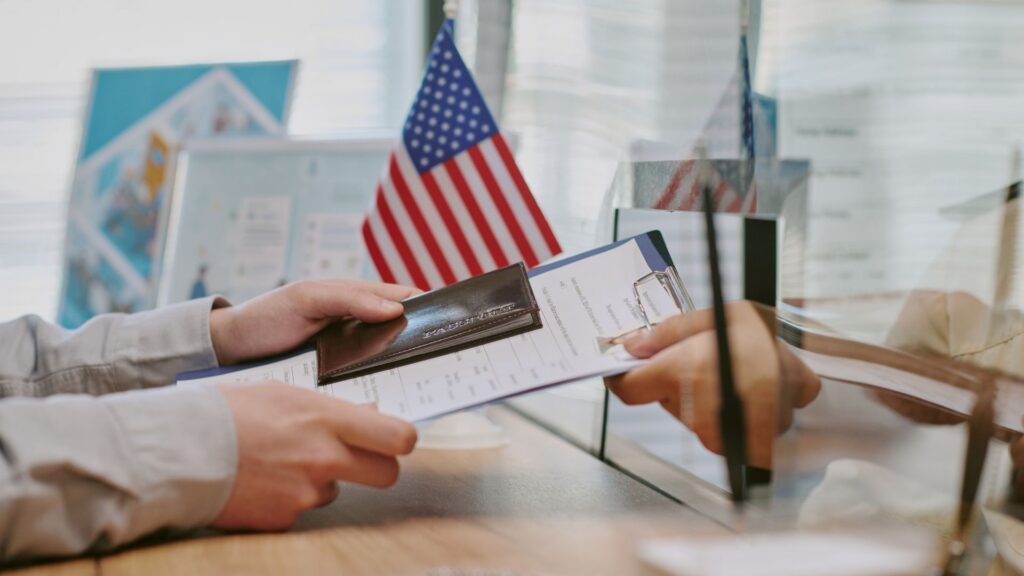
Why Hire a San Antonio Naturalization Lawyer Before Filing
Many lawful permanent residents assume that becoming a U.S. citizen starts with completing Form N-400 and waiting for an interview notice. In reality, naturalization cases often involve years of immigration history, travel records, tax filings, employment information, family relationships, and prior government filings. Working with a San Antonio naturalization lawyer before filing can help identify problems early, and Faragalla Law helps applicants prepare stronger citizenship applications before they reach USCIS.
A filing mistake can create months of delay. It can also cause USCIS to examine issues that could have been reviewed and addressed before submission. For a San Antonio applicant with long trips abroad, prior arrests, tax concerns, or older immigration filings, early legal review can make the difference between filing with a plan and filing with unanswered questions.
Sam Faragalla has helped immigrants with complex immigration matters for more than 27 years and has handled over 2,000 immigration cases. That experience matters because naturalization is not always a simple final step. USCIS may look backward before approving citizenship, and applicants need to know what their record says before the interview begins.
How Long Does Naturalization Take and Cost
For many lawful permanent residents in San Antonio, the decision to apply for U.S. citizenship comes after years of living, working, paying taxes, and building a life in the United States. One of the first questions people ask is how long the naturalization process takes and how much it will cost from start to finish. The answer depends on USCIS processing times, the applicant's immigration history, travel outside the United States, prior criminal matters, and the quality of the application.
Some applicants move through naturalization without major delays. Others encounter requests for evidence, interview complications, missing records, or eligibility concerns that extend the timeline. Faragalla Law helps individuals understand what to expect, what may slow the case down, and how to prepare before Form N-400 reaches USCIS.
Call a San Antonio Naturalization Lawyer at Faragalla Law
A San Antonio naturalization lawyer can help you avoid common filing mistakes involving travel history, tax records, criminal disclosures, selective service issues, prior immigration filings, and interview preparation. Sam Faragalla brings more than 27 years of immigration experience and over 2,000 immigration cases handled, backed by a dedicated team ready to guide you through each step.
Do not wait until USCIS finds a problem with your application. Call Faragalla Law at (800) 707-3038 or contact us today to speak with a San Antonio naturalization lawyer about your citizenship case.
Citizenship Eligibility Requires More Than a Green Card
Many people focus only on how long they have held a green card. The three-year and five-year residency rules matter, but USCIS reviews much more than the date printed on the card.
Naturalization officers review continuous residence, physical presence, good moral character, tax compliance, English and civics requirements, selective service registration when applicable, and truthfulness throughout the immigration process. Even a small issue can create more reviews if the application does not address it clearly.
Reviewing Immigration History Before Filing
Every immigration filing creates a record. USCIS officers may compare older applications against the information provided in Form N-400. A San Antonio naturalization lawyer can review prior filings before submission. This helps applicants spot differences in addresses, employment dates, marital history, travel records, and family information before those differences become interview questions.
Prior Applications Can Affect Naturalization
An applicant may have filed adjustment of status paperwork years ago, submitted family petitions, renewed a green card, or removed conditions after marriage. USCIS can review those filings during the citizenship process.
If old forms list different dates or facts, the officer may ask detailed questions. Faragalla Law helps applicants review those records and prepare accurate explanations when needed.
Marriage Green Card Cases Need Care
Applicants who obtained permanent residence through marriage may face added questions about the original relationship. This can happen when the marriage ended, when divorce followed soon after residency, or when the applicant files under the three-year rule based on marriage to a U.S. citizen.
A careful review of marriage records, divorce decrees, joint documents, and prior immigration submissions can help the naturalization application match the applicant's full history.
Filing at the Right Time Matters
Submitting Form N-400 too early can lead to rejection or denial. Waiting too long can delay voting rights, certain job opportunities, and the ability to petition for qualifying family members as a U.S. citizen.
Timing requires more than counting years from the green card date. Travel history, marital status, criminal history, tax issues, and selective service questions can all affect when filing makes sense.
The Early Filing Rule Can Cause Confusion
Some applicants may file up to 90 days before meeting the full residency period. That rule can help, but it can also cause problems when applicants calculate the date incorrectly.
A San Antonio naturalization lawyer can review the green card issue date, residency period, and travel history before filing. This helps avoid a rushed application that USCIS may reject.
Waiting Can Sometimes Strengthen the Case
Some applicants benefit from waiting before filing. A recent arrest, unresolved tax issue, lengthy absence, or missing court record may need attention first.
Faragalla Law helps applicants decide whether to move forward now or prepare more documentation before submitting Form N-400. That strategy can prevent avoidable problems during the interview.
Travel History Can Become a Citizenship Issue
International travel is one of the most common reasons USCIS asks additional questions. Many applicants underestimate how closely officers review departures and returns.
Even lawful permanent residents who kept their green cards can face questions if travel patterns suggest broken residence. This can affect San Antonio residents who travel for work, family obligations, military connections, or business.
Continuous Residence and Physical Presence Differ
Applicants often confuse continuous residence with physical presence. USCIS treats them as separate requirements.
An applicant may have enough days in the United States but still face questions about whether they kept residence here. Another applicant may maintain strong ties to Texas but fail to meet the required number of days physically present.
Long Absences Can Trigger Questions
Trips lasting more than six months often draw attention. USCIS may ask whether the applicant kept a home, job, bank accounts, family ties, and tax filings in the United States.
For example, a San Antonio resident who spent eight months overseas caring for a parent may need lease records, employment records, utility bills, tax filings, or proof of family ties in Texas. Preparing those records before filing can save time later.
Frequent Travel Creates Record Problems
Business travelers, consultants, airline workers, and applicants with family abroad may have dozens of international trips during the review period. Rebuilding those dates from memory can lead to errors.
Passports, entry stamps, airline records, travel histories, and employment calendars can help create a more accurate timeline. San Antonio naturalization lawyer Faragalla Law helps applicants organize these details before USCIS starts asking questions.
Tax Compliance Can Affect Naturalization
Those applying for naturalization often focus on immigration documents and forget tax records. USCIS may review tax compliance as part of the good moral character analysis.
Tax problems do not always block citizenship, but ignoring them can create serious issues. Applicants should understand what their tax history shows before filing.
Tax Filings Should Match Residency Claims
An applicant who claims continuous residence in the United States while filing taxes as a nonresident may face difficult questions. USCIS may compare tax records with the applicant's immigration history.
A citizenship lawyer can review these records before filing. This gives applicants time to gather explanations or correct issues when appropriate.
Payment Plans Can Help Show Responsibility
Some applicants owe taxes and assume they cannot apply until every dollar has been paid. That is not always the case.
USCIS often wants to see that applicants are addressing tax obligations responsibly. Payment plan records, IRS transcripts, and proof of compliance may help support the application.
Missing Returns Can Delay the Case
Failure to file required tax returns can lead to more review. USCIS may ask for tax transcripts or proof that the applicant resolved filing issues.
Gathering these records early helps applicants avoid delays after the interview. It also allows San Antonio naturalization lawyer Faragalla Law to review whether tax issues may affect filing timing.
Criminal Records Require Legal Review
Criminal history is one of the most misunderstood parts of naturalization. Many applicants believe old arrests, dismissed charges, or expunged cases no longer matter.
USCIS may still ask about them. The risk often comes from inaccurate answers, missing records, or misunderstanding what must be disclosed.
Arrests Must Be Reviewed Carefully
Even older incidents can become relevant during the citizenship process. USCIS may ask about arrests, citations, probation, deferred adjudication, dismissed cases, and expunged matters.
A San Antonio naturalization lawyer can review certified court records before filing. This helps applicants avoid guessing on Form N-400.
Dismissed Cases May Still Need Disclosure
A dismissal does not always mean the incident disappeared from immigration review. USCIS may still ask what happened and request proof from the court. Applicants should not rely on memory alone. Certified dispositions often provide the documentation needed to answer questions accurately.
Expungements Do Not Erase Immigration Concerns
Texas law and immigration law can treat expungements differently. A record that appears cleared under state law may still require disclosure in a naturalization case. A San Antonio naturalization lawyer helps applicants review what happened, what the court record shows, and how the issue may affect the citizenship application.
Form N-400 Errors Can Delay Citizenship
Form N-400 asks for detailed information about addresses, employment, travel, family, organizations, immigration history, and criminal background. Small mistakes can cause larger problems later.
Applicants should treat the form as a sworn record, not routine paperwork. USCIS may compare the answers against past filings and government databases.
Address and Job Histories Must Be Accurate
USCIS expects complete information about where the applicant lived and worked during the required period. Missing dates, temporary addresses, or unclear employment entries can lead to questions. A detailed timeline helps reduce gaps. It also helps applicants answer interview questions without searching their memory under pressure.
Selective Service Questions Need Attention
Certain male applicants must address selective service registration. A failure to register can raise questions, depending on age, status, and the facts involved.
Applicants should not ignore this section or guess. A San Antonio citizenship lawyer can help determine what records or explanations may be needed before filing.
Organizational Questions Can Cause Confusion
Form N-400 asks about memberships and affiliations. Applicants may misunderstand these questions or leave out groups they should disclose.
Community groups, professional associations, student groups, labor organizations, and international organizations may matter depending on the facts. A careful review helps prevent unclear answers during the interview.
Interview Preparation Should Cover the Whole Case
The naturalization interview is often the first time applicants speak directly with a USCIS officer about their full immigration history. Preparation should include more than studying civics questions.
A well-prepared applicant understands the application, knows how to explain travel history, can discuss prior filings, and has supporting documents ready. That preparation can reduce stress and make the interview more organized.
Officers Ask More Than Test Questions
Applicants often spend weeks memorizing civics answers while overlooking the personal history part of the interview. Officers may ask about travel, taxes, prior addresses, employment, marital history, and criminal records.
Faragalla Law helps applicants review the entire application before the interview. That way, the applicant understands what USCIS may ask and why.
Test Exceptions May Apply in Some Cases
Some applicants may qualify for English test exceptions based on age and length of permanent residence. Others may need disability accommodations or medical disability exceptions when a qualifying condition affects testing ability.
These issues require careful preparation and proper documentation. Applicants should review options before the interview instead of raising them for the first time at USCIS.
The Oath Ceremony Is the Final Step
Approval at the interview does not always mean the applicant becomes a citizen that day. Many applicants must attend an oath ceremony before citizenship becomes final.
Name changes, ceremony scheduling, missing documents, or continued review can affect timing. Faragalla Law helps applicants understand what to expect after the interview so they do not stop paying attention before the final step.
Naturalization Timelines Depend on USCIS Review
Naturalization does not become approved immediately after filing. USCIS reviews the application, conducts background checks, verifies eligibility, schedules an interview, administers the civics and English tests when required, and decides whether the applicant qualifies for citizenship.
USCIS processing estimates can change during the year. San Antonio applicants should plan for each stage of the case rather than relying on one projected date.
Form N-400 Begins the Citizenship Process
The timeline starts when USCIS accepts Form N-400 and issues a receipt notice. Once accepted, the agency creates a case file and begins reviewing the information provided.
This early stage matters because the application becomes the foundation for the rest of the case. Mistakes made here may follow the applicant to the interview.
Accuracy at Filing Can Affect Timing
Many delays begin with filing-stage mistakes. Missing travel dates, incomplete address histories, incorrect employment information, and skipped questions can trigger more review.
For example, an applicant who lived at six different addresses during the last five years should verify each move-in and move-out date before filing. Even small inconsistencies can lead to questions later.
Supporting Documents Matter Early
Applicants often focus on the form and overlook evidence. Marriage certificates, divorce decrees, tax records, selective service documentation, and court records may all matter depending on the applicant's history.
Submitting a more complete package from the beginning can reduce the chance of USCIS requesting records months later.
Biometrics and Background Checks Take Time
Many applicants must complete biometrics, though USCIS sometimes reuses fingerprints already on file. During this stage, government agencies conduct required background checks.
Applicants may feel concerned when nothing appears to happen after biometrics. In many cases, USCIS is waiting for background check results before scheduling the next step.
Security Checks Must Finish Before Approval
USCIS cannot approve naturalization until required security reviews are complete. These checks may take longer when a record requires more review.
Applicants with prior immigration filings, criminal records, or name variations may need extra time. That does not always mean the case has a problem, but it can affect timing.
Prior Immigration Filings May Be Compared
Applicants who previously filed petitions, adjustment applications, waivers, asylum claims, or other immigration benefits may receive closer review. USCIS officers often compare older filings against the current N-400 application.
Differences do not automatically create problems. Applicants should be ready to explain differences involving addresses, employment history, marital status, or travel records.
Interview Scheduling Varies by Case
After USCIS completes the preliminary review, the agency schedules the naturalization interview. The timing depends on field office workload, staffing, background checks, and case details.
San Antonio applicants often receive interview notices months after filing, but exact timing varies. A case with missing records or complicated facts may take longer than a simple filing.
Interview Notices Need Fast Attention
Once USCIS schedules an interview, applicants should review the notice right away. Missing an interview can create major delays and may require rescheduling. Applicants should also confirm that USCIS has their current mailing address. A basic address error can lead to missed notices and unnecessary problems.
Rescheduling Can Add Months
Medical emergencies, military obligations, or unavoidable travel may require rescheduling. USCIS may allow it when the reason qualifies. Still, a new interview date may not arrive quickly. Applicants should avoid rescheduling unless the situation truly requires it.
Citizenship Costs Include More Than Filing Fees
Many people assume the cost of naturalization consists only of the USCIS filing fee. In reality, citizenship expenses can include document collection, translations, certified records, legal representation, and preparation costs.
Understanding these expenses before filing helps applicants avoid surprises. It also helps families plan when more than one person in the household wants to apply.
USCIS Fees Are One Part of the Cost
The government filing fee is usually the largest required expense. Applicants should verify current fee amounts before submitting Form N-400 because USCIS updates its fee schedule from time to time.
Sending the wrong amount can cause rejection. That means the applicant must correct the payment and resubmit before the case can begin.
Fee Waivers May Be Available
Certain applicants may qualify for a reduced fee or fee waiver based on household income and financial circumstances. These requests require proper supporting records.
Applicants should review eligibility carefully before submitting a fee request. An incomplete request can delay filing and create added frustration.
Document Costs Can Add Up
Many applicants need records before filing. These costs vary based on personal history and the documents required.
Certified court records, archived files, divorce decrees, translations, and tax transcripts may take time and money to obtain. Planning for these costs helps applicants avoid last-minute delays.
Attorney Fees Depend on Case Complexity
Not every naturalization case requires the same amount of legal work. Some applicants have straightforward histories, while others need detailed review before filing.
Faragalla Law helps applicants understand what level of preparation their case may require. A San Antonio naturalization lawyer can explain whether the case appears routine or whether legal issues require more time.
Simple Cases Need Different Preparation
An applicant who maintains residence, files taxes, avoids criminal issues, and has clear records may need less legal work. The main focus may involve application review, document organization, and interview preparation. Even in a cleaner case, mistakes can still happen. Legal review can help confirm that the application matches the applicant's record.
Complex Cases Require More Review
Someone with lengthy international travel, prior immigration violations, tax concerns, divorce issues, criminal records, or prior denials may need more preparation before filing Form N-400. An early review can prevent a rushed filing. It can also help applicants decide whether now is the right time to apply.
Missing Information Can Delay Naturalization
One of the most common reasons naturalization cases slow down is incomplete information. USCIS officers rely on the accuracy of the application and supporting records.
When important details are missing, officers may request more evidence or continue the case after the interview. This can stretch a case that otherwise may have moved faster.
Travel History Creates Common Delays
Travel outside the United States affects continuous residence and physical presence. Applicants who travel often for work, family, or business may underestimate how closely USCIS reviews travel records.
Long absences can lead to more questions. Frequent trips can also create problems if the applicant cannot provide accurate dates.
Rebuilding Travel Records Takes Time
Many applicants struggle to remember exact travel dates covering several years. Passports, airline itineraries, entry stamps, tax records, employment records, and electronic travel histories can help.
Gathering these records before filing often prevents future problems. Faragalla Law helps applicants organize travel history so Form N-400 does not rely on guesswork.
Criminal Records Can Slow Review
Naturalization applicants are often surprised by how broadly USCIS reviews criminal history. Even incidents that did not lead to convictions may require disclosure and documentation.
Traffic-related offenses, misdemeanor charges, probation matters, dismissed cases, and expunged records may all become interview topics. The issue often involves whether the applicant answered accurately and provided complete records.
Interview Preparation Can Affect Timing
The naturalization interview serves as the central review point in most citizenship cases. USCIS officers evaluate eligibility, review the application, assess English ability when required, and administer the civics test.
Applicants who arrive prepared often move through the interview more efficiently than those seeing their application for the first time. Preparation should focus on the entire case, not only the test questions.
Officers Review More Than Civics
Many applicants spend weeks studying civics questions while overlooking the N-400 itself. The officer may spend a large part of the interview discussing travel history, employment records, family relationships, tax filings, selective service registration, and prior immigration filings.
A citizenship lawyer in San Antonio can help applicants prepare for those questions. This review helps the applicant understand the record before the officer starts asking.
English and Civics Exceptions Need Review
Some applicants qualify for English test exceptions based on age and years as a lawful permanent resident. Others may need medical disability accommodations when a condition affects testing.
These requests require careful documentation. Waiting until the interview to raise the issue can lead to delays or confusion.
Name Changes Can Affect the Final Step
Some applicants request a legal name change during naturalization. That request may affect the oath ceremony process, depending on how the local office handles the case.
Applicants should understand this issue before filing. A name change may be worthwhile, but it should fit into the overall timeline.
Additional Evidence Requests Can Extend Processing
Not every applicant receives a same-day decision after the interview. In some situations, USCIS requests more records before making a final decision.
These requests often involve tax records, court documents, travel evidence, selective service documentation, or proof of marital history. Responding quickly and accurately can help move the case forward.
Tax Issues Often Lead to Requests
Applicants who owe taxes, entered payment plans, or had filing problems may need to provide more records. USCIS reviews whether applicants met certain legal obligations.
Tax transcripts, payment plan records, and filing proof can help answer these questions. Applicants should gather them before USCIS asks when tax history may become an issue.
Missing Documents Can Delay Approval
An officer may continue the case if required records are unavailable during the interview. This can happen when applicants forget court records, tax documents, or proof related to travel.
Providing requested documents quickly helps reduce further delay. It also shows that the applicant takes the process seriously.
Cost Planning Helps San Antonio Families
Citizenship often affects entire families. Parents may apply alongside adult children, spouses may pursue naturalization together, and households may coordinate multiple applications over time.
Planning helps families understand both the financial commitment and the expected timeline. This matters when several family members need filing fees, records, translations, and interview preparation.
Multiple Applications Increase Costs
A household with two or three eligible permanent residents may face filing fees, document costs, translation fees, and preparation expenses for each applicant.
Creating a realistic budget before filing helps families avoid interruptions. It also helps decide whether everyone should file together or in stages.
Work Schedules Should Be Considered
Applicants may need time away from work for biometrics, interviews, document collection, or consultations. These obligations can affect hourly workers, business owners, and employees with strict schedules.
Planning reduces scheduling conflicts. It also helps applicants avoid missing USCIS appointments that may take time to reschedule.
Careful Preparation Can Save Money
Citizenship is one of the most valuable immigration benefits available to lawful permanent residents. Taking time to prepare thoroughly before filing often creates a smoother case than rushing through the process.
Incorrect travel histories, missing records, incomplete disclosures, and overlooked eligibility concerns can create delays that cost time and money. A San Antonio naturalization lawyer can identify these concerns before USCIS does.

Preventable Errors Can Become Expensive
A rejected filing, missed interview notice, incomplete response, or missing court record can extend the case. Fixing a problem later often takes more time than preparing correctly from the beginning.
Faragalla Law helps applicants prepare complete applications, anticipate likely questions, and understand what USCIS may review. That support can make the cost of legal help a smart investment in the citizenship process.
Denials May Require More Legal Work
If USCIS denies a naturalization application, the applicant may need to review appeal options, file a hearing request, or decide whether refiling makes more sense. These steps can create added expense and delay.
A cleaner filing strategy may reduce the chance of preventable denial. Faragalla Law helps applicants address risk factors before they become USCIS decision points.