














What Permanent Residents in Plano Should Know Before Applying for Citizenship
Naturalization begins with more than the desire to become a U.S. citizen. Permanent residents in Plano should look closely at the years leading up to filing because USCIS may review travel, taxes, address history, Selective Service issues, prior applications, and legal records. Faragalla Law's Plano naturalization lawyer can help applicants identify which parts of that history may need explanation before the N-400 is submitted. Citizenship preparation should feel steady and informed, especially when applicants have worked for years to reach this point. A careful review can help prevent old details from becoming unexpected concerns later.
Permanent residents may also need to understand how timing affects the decision to file. Some applicants qualify based on the standard residence period, while others may need to review marriage-based eligibility or time spent outside the United States. Filing too early can create avoidable delays, even when the applicant is close to qualifying. USCIS may also compare the N-400 against earlier immigration records, which makes accuracy important from the beginning. Good preparation helps applicants move toward citizenship with fewer unanswered questions.
How a Plano Naturalization Lawyer Helps Prepare for the Citizenship Interview
The citizenship interview can feel different from earlier immigration steps because the applicant must sit with a USCIS officer and discuss the N-400, background history, eligibility, English ability, and civics knowledge. A Plano naturalization lawyer can help applicants prepare by reviewing the application as a record that may become the basis for interview questions. The officer may ask about travel, addresses, employment, taxes, family history, prior filings, and legal issues, even when those details feel old or difficult to remember. Preparation should help applicants understand what they submitted and why certain topics may come up. A well-reviewed case can make the interview feel less intimidating.
Citizenship applicants may also need to prepare emotionally for an appointment that feels important to their future. The interview is not only about memorizing civics answers because USCIS may also evaluate consistency, credibility, and eligibility based on the full record. Applicants who review documents, timelines, and possible concerns before the appointment can walk in with a better sense of what to expect. Legal preparation can also help identify documents that should be brought to the interview. Strong interview readiness begins with knowing the applicant’s own history clearly.
How Faragalla Law Helps Plano Citizenship Applicants

Citizenship applicants usually want more than help completing the N-400 because the process asks them to account for years of residence, travel, records, and personal history. Faragalla Law helps Plano applicants review those details before the interview brings them into focus. The firm looks at the facts that may affect eligibility, including permanent residence history, trips outside the country, taxes, legal records, and prior immigration answers. Sam Faragalla brings more than 27 years of immigration law experience to naturalization cases where preparation can affect how confidently someone approaches USCIS review. A Plano naturalization lawyer should help applicants feel informed before they take such an important step.
Many people reach the citizenship stage after years of building a life in the United States, so the process can carry both pride and pressure. Faragalla Law understands that applicants may feel nervous about the interview, the civics questions, or explaining older records clearly. The firm’s approach centers on helping clients understand what USCIS may ask and why certain documents deserve attention before the appointment. That support can make the process feel more manageable without minimizing how meaningful citizenship can be. Applicants deserve steady legal direction when they are preparing for a decision that may shape their future.
Call Faragalla Law Today for a Consultation With Our Plano Naturalization Lawyer
Citizenship can bring a sense of progress, but the filing still deserves careful preparation before USCIS begins its review. Your travel history, tax records, address timeline, prior immigration answers, and interview readiness may all influence how the process unfolds. Faragalla Law helps Plano applicants look at those details with practical direction before avoidable concerns create pressure and delays. Our Plano naturalization lawyer can help you understand what should be reviewed before the N-400 moves forward.
Every naturalization case carries personal meaning because citizenship can affect voting rights, security, family planning, and long-term life in the United States. Faragalla Law can help you prepare for the questions, records, and next steps that may come with your application. You should feel informed before an interview notice arrives or an old record becomes difficult to explain. Call Faragalla Law at (800) 707-3038 or visit our contact page today to discuss your naturalization case.
Residence Requirements for Plano Citizenship Applicants
Residence requirements can affect when a permanent resident should file for naturalization. USCIS may review how long the applicant has held a green card, where the applicant has lived, and whether the applicant maintained the required connection to the United States. Long trips, frequent travel, or confusing address records can raise questions during review. Plano applicants should understand these issues before submitting the N-400 because residence problems may not be obvious from the filing date alone. Reviewing the timeline early can help applicants decide whether they are ready to apply.
Continuous Residence Needs Careful Review
Continuous residence focuses on the applicant’s connection to the United States over time. Long absences may require explanation, especially when work, family, or emergencies caused extended travel. Reviewing these facts before filing helps applicants prepare for questions.
Physical Presence Depends on Travel History
Physical presence requires a close review of days spent inside and outside the United States. Passport stamps, travel records, and old itineraries may help confirm dates. Accurate calculations can prevent confusion during naturalization review.
Tax Records and Citizenship Eligibility
Tax history can become part of naturalization review because USCIS may ask whether the applicant filed required returns and handled obligations properly. Permanent residents should review recent tax records before applying, especially when income, employment, marital status, or filing history changed over time. Unfiled returns, payment plans, or inconsistent records may need attention before the interview. A Plano naturalization lawyer can help applicants understand why these records may matter in a citizenship case. Preparing tax information early can reduce stress when USCIS asks about financial history.
Filing History Should Be Organized Early
Tax returns can help show consistency across employment, residence, and family information. Applicants should gather records before filing instead of waiting for interview preparation. Organized tax history can make citizenship review easier to navigate.
Unresolved Tax Issues Need Attention
Unpaid taxes or missing returns may create questions during naturalization. Applicants should understand the status of any payment plans or filing problems. Addressing tax concerns early can prevent unnecessary uncertainty later.
Prior Immigration Records May Return During Review
Naturalization often brings earlier immigration history back into focus. USCIS may compare the N-400 with green card filings, travel documents, prior petitions, address history, name changes, and old notices. An answer that feels minor can become important when it differs from information the government already has. Plano applicants should review prior records before filing so they understand what USCIS may see. A stronger application starts with knowing the full immigration record.
Green Card History Can Shape Questions
Green card records may include adjustment filings, renewals, replacements, or removal of conditions. USCIS can revisit those details during naturalization review. Applicants should understand their permanent residence history before filing.
Earlier Answers Should Stay Consistent
Prior immigration answers can affect how USCIS reads the N-400. Dates, addresses, marital history, and travel details should be reviewed carefully. Consistent answers help reduce avoidable follow-up questions.
Legal History Should Be Reviewed Before Filing
Past legal issues can affect naturalization even when the event happened years earlier. USCIS may ask about arrests, citations, charges, probation, court outcomes, and other records that applicants may not know how to describe. A dismissed case or old citation may still need disclosure depending on the question asked. Plano applicants should review legal history before filing because incomplete answers can create serious concerns. Honest preparation helps applicants understand what documents may be needed.
Court Records May Need Documentation
USCIS may request certified court records for certain legal issues. Applicants should locate dispositions, payment records, and related documents before the interview. Having records ready can prevent delays after filing.
Accurate Disclosure Protects the Application
Naturalization forms ask detailed questions about legal history. Applicants should answer carefully rather than relying on memory alone. Accurate disclosure helps protect credibility during USCIS review.
N-400 Interview Questions Need Careful Review
The N-400 contains many answers that may become interview questions, including residence history, employment, travel, family information, memberships, prior immigration filings, and legal background. Applicants should not assume that the officer will only ask about recent events, since older answers may still affect eligibility. A Plano naturalization lawyer can help applicants review the form carefully so they understand what each section means before the interview. This preparation can be especially helpful when an applicant has moved several times, traveled often, changed names, or filed immigration paperwork many years earlier. Reviewing the N-400 before the appointment helps applicants answer questions with better context and less confusion.
Application Answers Should Match Supporting Records
USCIS may compare N-400 answers with passports, tax documents, green card records, prior forms, and court documents. Applicants should review those records before the interview so they can correct misunderstandings or explain differences when needed. A careful record review helps prevent confusion when the officer asks about dates, addresses, or past answers.
Older Immigration Details May Return
Naturalization review can bring older immigration details back into focus, even when the applicant has held permanent residence for years. Prior green card filings, renewal applications, travel documents, and past USCIS notices may contain information the officer can compare against the N-400. Preparing for those older details helps applicants avoid being surprised by questions they did not expect.
English and Civics Testing Requires Steady Preparation
The naturalization interview may include English reading, writing, and speaking components along with civics questions about U.S. government and history. Applicants may feel nervous about testing, especially when English is not their first language or when they have not studied formal civics material in years. Preparation should include understanding the format of the test, reviewing study materials, and practicing answers in a way that feels manageable. A Plano naturalization lawyer can help applicants understand how the testing stage fits into the larger interview. Knowing what will be tested can reduce fear before the appointment.
Test Preparation Should Begin Before Scheduling
Applicants should begin reviewing English and civics materials before the interview notice arrives. Waiting until the appointment feels close can create unnecessary pressure and make studying harder. Early preparation gives applicants more time to learn the format, practice responses, and build comfort with the process.
Exemptions Need Proper Documentation
Some applicants may qualify for age-related English exemptions or other accommodations, depending on their circumstances. These issues should be reviewed before the interview so the applicant understands what USCIS may require. Proper documentation can help eligible applicants approach the testing portion with fewer uncertainties.
Interview Documents Should Be Organized Early
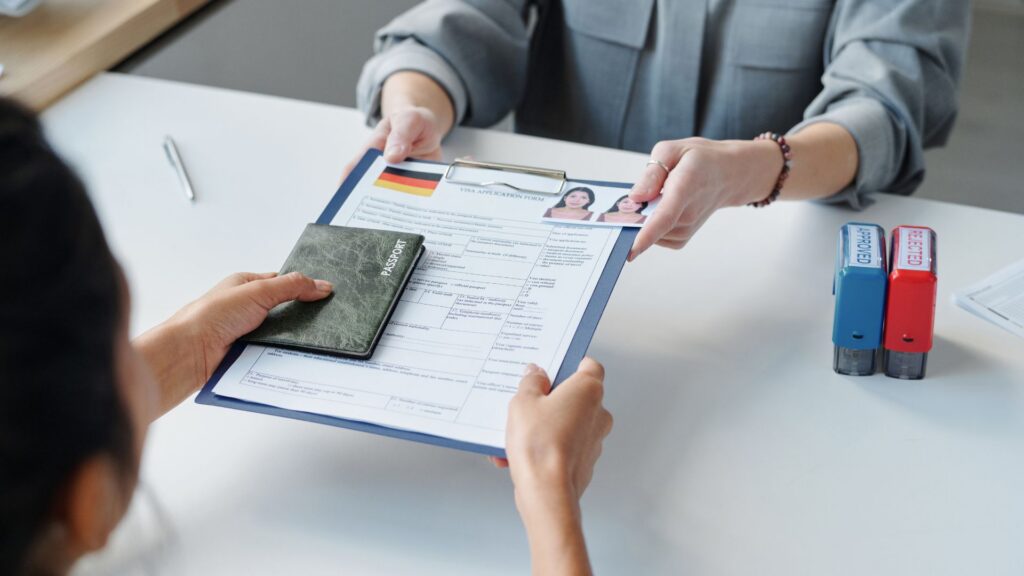
Naturalization applicants should bring documents that support the N-400 and answer likely questions from USCIS. The needed records may include a green card, passports, tax documents, marriage records, divorce decrees, court dispositions, selective service information, or proof related to travel and residence. Applicants who wait until the last moment may struggle to locate documents that take time to request or replace. A Plano naturalization lawyer can help identify which records may matter for the interview based on the applicant’s history. Organized documents can make the appointment easier to navigate.
Travel and Tax Records May Be Requested
Travel and tax records can support answers about residence, physical presence, and financial history. Applicants should review passport stamps, trip dates, tax filings, and any payment agreements before attending the interview. Having those records available can help answer officer questions more clearly.
Court Records Should Be Complete
Applicants with any legal history may need certified court dispositions, payment records, probation documents, or other official materials. USCIS may ask about incidents even when they were dismissed, minor, or old. Complete records help applicants respond accurately instead of relying only on memory.
Interview Confidence Comes From Understanding the Record
Confidence during a naturalization interview should come from preparation, not guessing what the officer may ask. Applicants who know their own timeline, documents, prior filings, and possible concerns can answer more calmly when the conversation becomes detailed. A Plano naturalization lawyer can help applicants identify topics that deserve extra review before the appointment. This can include travel gaps, tax questions, legal history, long absences, name changes, or differences between old forms and current answers. Understanding the record helps applicants approach the interview with steadier expectations.
Practice Can Reduce Interview Anxiety
Practice can help applicants become more comfortable explaining their history in an interview setting. Reviewing possible questions, documents, and timelines before the appointment can reduce nervousness during the actual conversation. This preparation helps applicants focus on accurate answers rather than fear.
Clear Explanations Can Protect Credibility
USCIS officers may ask follow-up questions when an answer needs more detail. Applicants should be prepared to explain facts directly, honestly, and consistently. Clear explanations can help protect credibility when the officer reviews complex history.
Citizenship Case Review for Plano Applicants
Faragalla Law reviews naturalization cases by looking at the applicant’s full path to citizenship rather than focusing only on the filing date. Residence history, travel patterns, family records, employment details, tax filings, and prior immigration forms may all shape how USCIS reviews the case. This broader review helps identify details that may require explanation before the interview takes place. Applicants also benefit from understanding how older records can become relevant again during naturalization review. Careful planning gives citizenship applicants a stronger foundation before the N-400 moves forward.
Travel Patterns Receive Individual Attention
Trips outside the United States can affect both residence and physical presence requirements. Faragalla Law helps applicants review dates, destinations, and trip lengths before USCIS asks about them. This review can help applicants understand whether travel history creates questions that need preparation.
Prior Filings Are Compared Before Review
Older immigration filings may contain dates, addresses, names, or explanations that USCIS can revisit. Faragalla Law reviews prior records so applicants understand how earlier answers may affect naturalization. Comparing records before the interview can reduce surprises during officer questioning.
Naturalization Interview Preparation With Clear Guidance
Faragalla Law helps applicants prepare for the citizenship interview by reviewing both the N-400 and the documents that may support it. The interview can involve questions about travel, family history, tax records, legal issues, English ability, civics knowledge, and prior immigration answers. Applicants may feel less anxious when they understand what each part of the appointment is designed to review. Preparation also helps clients recognize where they may need documents, clearer explanations, or additional review before attending. A practical interview plan can make the appointment feel less overwhelming.
N-400 Answers Need Careful Review
The N-400 contains answers that may guide much of the interview. Faragalla Law helps applicants review those answers in connection with records and prior filings. Understanding the application can help applicants respond more clearly during the appointment.
Civics and English Questions Deserve Preparation
Citizenship testing can feel stressful even for applicants who meet the requirements. Faragalla Law helps clients understand how the testing portion fits within the broader interview. Knowing what to expect can make preparation feel more focused and manageable.
Naturalization Concerns Before Immigration Filing
Some naturalization cases involve issues that applicants worry may affect approval. Tax problems, long absences, old citations, selective service questions, name changes, or inconsistent records may require careful review before filing. Faragalla Law helps applicants understand these concerns without creating unnecessary fear or false reassurance. The goal is to identify what can be explained, documented, or addressed before USCIS raises the issue first. Honest preparation can help applicants make better decisions about when and how to move forward.
Legal History Should Be Discussed Early
Past legal issues can affect naturalization even when they seem minor or old. Faragalla Law helps applicants review what must be disclosed and what records may be needed. Discussing these concerns early can prevent avoidable problems during the interview.
Tax Questions Need Organized Records
Tax filing history may become relevant during naturalization review. Faragalla Law helps applicants understand what records may support their answers. Organized tax documents can make financial history easier to explain.
Step-by-Step Support During Citizenship Review
Faragalla Law works with applicants from early review through filing preparation and interview readiness. Naturalization can involve several moving parts, and applicants deserve to know what is happening at each stage. The firm helps clients understand notices, document requests, appointment preparation, and possible concerns without using language that makes the process feel more intimidating. This steady approach matters when someone has waited years to become eligible for citizenship. Clear legal support can help applicants move through the process with greater confidence.
Notices Should Be Reviewed Promptly
USCIS notices may involve biometrics, interviews, evidence requests, or case updates. Faragalla Law helps applicants understand what each notice requires before deadlines create pressure. Prompt review can help clients stay prepared during the process.
Each Step Should Feel Understandable
Citizenship applicants should not feel lost after filing. Faragalla Law explains the next steps in plain language based on the applicant’s case. Better understanding can make the process feel steadier from start to finish.