











AustinImmigrationAttorney

Practice Area Overview

Austin Immigration Attorney

An immigration case can have a lasting impact on your future, affecting where you live, work, and build your life. Many individuals and families choose to work with an Austin immigration attorney before filing applications with USCIS to help ensure everything is completed correctly. At Faragalla Law, attorney Sam Faragalla and his team assist clients with green cards, fiancé visas, naturalization, work permits, travel documents, and a wide range of other immigration matters. Whether you live in Downtown Austin, Round Rock, South Austin, or a nearby community, experienced legal guidance can make the process easier to navigate.

Immigration law can become complex, and every case comes with its own requirements, deadlines, and challenges. Faragalla Law takes the time to understand each client's goals, explain available options, and provide practical guidance throughout the process. With decades of legal experience and thousands of immigration matters handled, our team is known for responsive service, clear communication, and personalized attention.

If you are looking for an immigration lawyer in Austin who will take your concerns seriously and help you move forward with confidence, call (713) 766-1335 us today to discuss your immigration goals and learn all about your options.

Why Choose Us

What Should You Know Before Hiring An Austin Immigration Attorney

If you need an Austin immigration attorney, the law firm you choose can shape the options available to you and your family. A Faragalla Law helps clients make decisions beyond the forms themselves, accounting for timing, eligibility, prior history, supporting evidence, and how each filing fits into a larger plan for work, family, status, or long-term security in the United States.
Before hiring an immigration lawyer in Austin, you should know whether the attorney can:

  • Explain your options clearly before recommending a filing
  • Identify issues that could delay or weaken your case
  • Help you understand deadlines, eligibility requirements, and documentation needs
  • Prepare your case with your work, family, status, or future plans in mind
  • Communicate consistently so you know what is happening at each stage
  • Understand how immigration issues affect people living and working in Austin, Round Rock, Pflugerville, Cedar Park, South Austin, and nearby communities
  • Austin continues to attract international students, technology professionals, entrepreneurs, healthcare workers, and families from around the world. For many people, the right legal guidance helps connect the immediate filing to the bigger picture, including stability, employment, family unity, and plans in the United States.

    What Immigration Services Does Faragalla Law Handle In Austin

    Immigration goals rarely fit into a single form or application. A person may start by seeking a marriage green card and later need work authorization, international travel permission, or citizenship assistance. Others may arrive with a pending case, a prior denial, or questions about maintaining lawful status while living and working in Austin. Because immigration law involves connected processes, each decision can affect future opportunities.Faragalla Law assists individuals and families throughout Austin with a range of immigration matters. Whether someone lives near Downtown Austin, North Lamar, East Austin, Round Rock, Cedar Park, or Pflugerville, immigration concerns often involve deadlines, eligibility requirements, and supporting evidence that must align with federal immigration rules.

    Austin Marriage Green Card Lawyer For Spouses

    Marriage-based immigration remains one of the most common paths to lawful permanent residence. However, many applicants underestimate how closely USCIS reviews these petitions. The agency does not simply verify that a marriage certificate exists. Officers examine whether the relationship developed in good faith and whether the evidence supports the couple's claims.

    For many Austin couples, gathering documentation becomes one of the most challenging parts of the process. Newly married spouses may not yet share extensive financial records. Others may have spent significant time apart because of work obligations, military service, or international travel. Faragalla Law helps couples understand what evidence may strengthen their case before filing.

    How Marriage Green Card Evidence Supports Your Case

    USCIS officers often evaluate the overall picture of a relationship rather than relying on a single document. Shared bank accounts, lease agreements, insurance policies, photographs, travel records, text messages, and affidavits from friends or family can all contribute to a stronger application when presented properly.

    A couple living together in South Austin may have different evidence than spouses who recently relocated from another country. Likewise, newlyweds may not possess years of joint financial records. The key is demonstrating consistency across the evidence and showing how the relationship developed over time.

    Common Marriage Green Card Issues Austin Couples Face

    Many applicants become concerned when they realize their situation does not resemble examples they find online. Some couples maintain separate bank accounts. Others live apart temporarily because of employment opportunities or educational commitments. These circumstances do not automatically prevent approval.

    Instead, USCIS generally wants a clear explanation supported by credible documentation. Addressing potential questions before filing often creates a more organized application and reduces the likelihood of confusion during review.

    The K-1 fiancé visa process allows a United States citizen to petition for a foreign fiancé to enter the country for marriage. While the concept appears straightforward, the process involves multiple stages, government agencies, and strict eligibility requirements.

    Many Austin residents pursuing a fiancé visa have already invested significant time and resources into maintaining a long-distance relationship. They may have traveled several times internationally, coordinated visits around work schedules internationally, and gathered evidence spanning months or years. An Austin immigration attorney can help couples understand what documentation may support their petition.

    Why K-1 Visa Timing Matters For Austin Couples

    Timing affects nearly every aspect of a fiancé visa case. Couples frequently coordinate immigration plans with wedding venues, housing arrangements, employment transitions, and family travel. Delays can disrupt those plans and create additional expenses.

    Federal immigration rules also require compliance with specific deadlines after entry into the United States. Missing important milestones can create complications that affect future immigration benefits. Understanding these timelines early allows couples to make informed decisions.

    Preparing Relationship Evidence For A Fiancé Visa Petition

    Relationship evidence often forms the foundation of a successful K-1 visa filing. Travel itineraries, passport stamps, photographs together, communication records, and proof of in-person meetings frequently play an important role.

    Couples should also consider how their evidence tells a complete story. Rather than submitting random documents, it helps to present records that demonstrate the progression of the relationship from initial contact through engagement and future marriage plans.

    Becoming a United States citizen represents a significant achievement for many lawful permanent residents. Beyond obtaining a passport, citizenship provides voting rights, eligibility for certain federal positions, and protection from some immigration-related concerns that permanent residents may still face.

    Many Austin residents spend years building careers, purchasing homes, raising families, and contributing to their communities before deciding to pursue naturalization. As a result, citizenship applications often involve reviewing a lengthy immigration history that may include international travel, prior visa classifications, employment records, and tax filings.

    How Citizenship Preparation Can Reduce Stress

    Applicants frequently focus on the civics test and English examination. While those components matter, many naturalization cases require a broader review of eligibility requirements. Travel outside the United States, criminal history concerns, selective service registration issues, and prior immigration filings can all affect the application process.

    Preparing in advance allows applicants to identify potential concerns before submitting paperwork. This approach often creates a smoother experience and helps applicants feel more confident during the naturalization interview.

    Understanding Continuous Residence Requirements

    Continuous residence remains one of the most misunderstood aspects of naturalization eligibility. Some permanent residents assume that maintaining a green card automatically satisfies the requirement. However, lengthy trips abroad can sometimes raise questions about whether continuous residence has been preserved.

    Individuals who travel frequently for business, family obligations, or international employment opportunities should carefully evaluate how those trips may affect citizenship eligibility before filing.

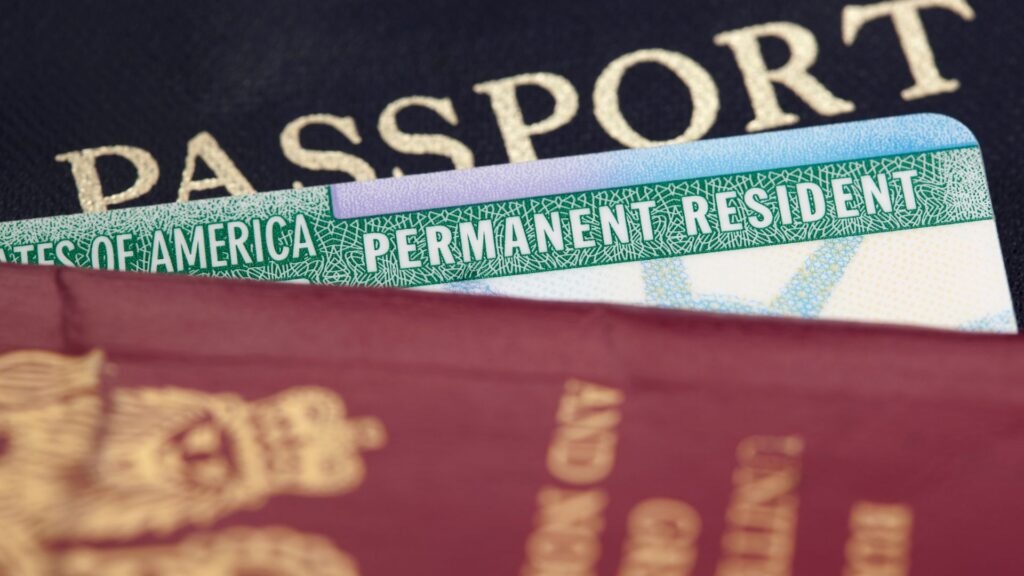
    A green card serves as proof of lawful permanent resident status. Although many people focus on obtaining permanent residence, maintaining valid documentation remains equally important. An expired, damaged, or lost green card can create practical difficulties that affect everyday activities.

    Employers may request updated documentation during employment verification processes. International travel can become more complicated. Certain identification and licensing transactions may also require proof of current immigration status. Addressing these issues promptly often prevents unnecessary disruptions.

    Why Green Card Problems Should Not Be Ignored

    Some permanent residents assume they can simply wait until a future immigration filing to address an expired card. Unfortunately, delays can create avoidable complications. Even though lawful permanent resident status generally does not disappear solely because a card expires, the lack of valid documentation can still create challenges.

    Individuals who recently moved, changed their name, or discovered errors on their card should also evaluate whether corrective action is necessary. Small inaccuracies can sometimes create larger issues later when applying for citizenship or other immigration benefits.

    Green Card Renewal Versus Removing Conditions

    Many applicants mistakenly believe all green card renewals follow the same process. In reality, conditional permanent residents often face different requirements than individuals holding standard ten-year green cards.

    Conditional residents who obtained status through marriage typically must remove conditions before receiving a permanent card. Filing the wrong application can lead to delays and confusion. Understanding the distinction early helps applicants pursue the correct immigration pathway.

    Employment authorization application often affects a person's ability to support themselves and their family while pursuing immigration benefits. For many Austin residents, obtaining a work permit means accepting a job offer, advancing a career, or maintaining financial stability during a pending immigration process.

    Eligibility for an Employment Authorization Document depends on the underlying immigration category. Because different immigration classifications carry different requirements, applicants should understand the basis for their request before filing.

    How Work Authorization Supports Austin Families

    A work permit can influence far more than employment alone. It may affect housing decisions, educational opportunities, healthcare access, and long-term financial planning. Families often rely on employment authorization to maintain stability while waiting for other immigration benefits to be processed.

    Austin's growing economy attracts professionals from around the world. Individuals working in technology, healthcare, education, hospitality, and construction frequently need clarity regarding employment authorization requirements and timelines.

    Avoiding Common Work Permit Filing Mistakes

    Errors involving eligibility categories, supporting documentation, or filing procedures can delay processing. Applicants sometimes submit incomplete evidence or misunderstand which immigration category applies to their situation.

    Careful review before filing helps reduce these risks. Understanding how a work permit request connects to the broader immigration case often creates a more organized application strategy.

    International travel can become complicated when an immigration application remains pending. Many individuals assume they can leave and return to the United States without consequences. However, certain departures may affect pending benefits depending on immigration status and the type of application involved.

    Travel document issues frequently arise when families face emergencies abroad, professionals receive international work assignments, or students plan educational travel. Before making arrangements, it is important to understand how travel may interact with current immigration filings.

    Why Travel Planning Requires Immigration Review

    A pending adjustment of status application, asylum matter, or other immigration benefit may require specific travel authorization before departure. Leaving the country without proper documentation can sometimes create unexpected complications.

    Austin residents often travel through Austin-Bergstrom International Airport for both personal and professional reasons. Reviewing travel plans before departure helps identify potential concerns and allows individuals to make informed decisions regarding timing and documentation.

    Advance Parole And Reentry Permit Considerations

    Different travel documents serve different purposes. Advance parole may apply in certain situations involving pending immigration applications, while reentry permits often address separate concerns for lawful permanent residents planning extended travel.

    Selecting the appropriate document depends on immigration status, travel duration, and future immigration goals. Understanding these distinctions before departure can help avoid unnecessary disruptions.

    Many immigration applicants become worried when USCIS sends a Request for Evidence, schedules additional review, or takes longer than expected to process a case. These issues can affect green cards, work permits, travel documents, naturalization applications, and family-based petitions.

    Faragalla Law helps Austin clients understand what the notice means, what evidence may be needed, and how the response should be organized. Acting quickly matters because government notices usually include strict deadlines.

    Why Prior Denials Need Careful Review

    A prior denial does not always mean a person has no options. However, it can affect future filings and should be reviewed before submitting another application. USCIS may look closely at the reason for the denial, the evidence previously submitted, and any facts that have changed.

    An Austin immigration lawyer can help identify what went wrong and whether a new strategy may be available. This review can be especially important when a client has a deadline, a pending status issue, or a family member waiting abroad.

    How Faragalla Law Helps Clients Respond

    Faragalla Law reviews immigration notices, prior filings, and available documents to help clients understand the next step. The goal is to prepare a response that addresses the issue directly and avoids unnecessary confusion.

    For many Austin clients, this support can provide relief during a stressful moment. Instead of guessing how to respond, they can work with a team that understands how important the case is to their future.

    Many immigration matters overlap in ways that are not immediately obvious. A fiancé visa case may eventually lead to adjustment of status. A marriage green card applicant may later seek employment authorization and travel permission. A permanent resident may need to renew documentation before pursuing citizenship.

    Viewing each filing as part of a larger plan often helps individuals make better decisions. Rather than focusing solely on the next form, it becomes possible to evaluate how current actions may affect future opportunities.

    Why Austin Immigration Planning Goes Beyond One Filing

    Immigration law involves long-term considerations. Decisions made today can influence eligibility for future benefits years later. Filing strategies, supporting evidence, travel history, and compliance with immigration requirements all contribute to the broader picture.

    Individuals who understand these connections often feel more prepared when new opportunities arise. Whether pursuing family-based immigration, citizenship, work authorization, or travel-related benefits, planning can reduce uncertainty.

    Why Austin Residents Turn To Faragalla Law

    People seeking immigration assistance often want straightforward answers to complex questions. They want to understand what documents matter, what challenges may arise, and what steps come next.

    From marriage green cards and K-1 fiancé visas to naturalization, green card renewal, employment authorization, travel documents, and related immigration concerns, Faragalla Law helps Austin clients navigate important immigration decisions with greater clarity and preparation.

    What Immigration Services Does Faragalla Law Handle In Austin Image