












How The Two-Year Meeting Rule Applies To Texas Fiancé Visa Cases
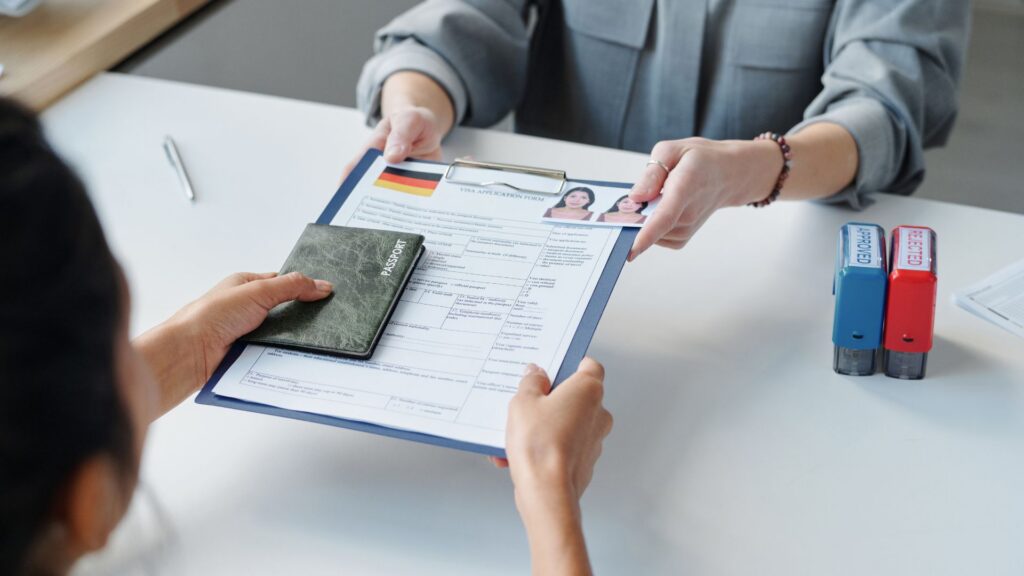
The two-year meeting rule is one of the first requirements USCIS checks in a K-1 fiancé visa petition. The United States citizen petitioner generally must prove that the couple met in person during the two years before filing, unless a narrow exception applies. A K-1 visa requirements lawyer in Texas at Faragalla Law reviews travel records, passport stamps, flight receipts, hotel confirmations, dated photos, and other proof that connects the visit to the relationship. This requirement can become harder when a couple had one short visit, lost travel records, met during a family trip, or traveled through several countries before returning home. The petition should make the meeting history easy for USCIS to verify.
Texas couples may also need to explain why the timing of the visit satisfies the rule. A meeting that happened too early may not count for a new petition, even when the relationship is genuine and ongoing. USCIS may also question vague photo evidence, unclear travel dates, or statements that do not match the documents attached to the case. Faragalla Law reviews the meeting record before filing so couples can identify missing proof and correct timeline problems early. The two-year rule should be proven with records, not assumptions.
When Prior Marriages or Immigration History Affect Your K-1 Visa Eligibility
K-1 eligibility can change when either partner has a past marriage, prior immigration filing, visa denial, removal history, or record that raises questions about admissibility. A K-1 visa requirements lawyer in Texas can review those issues before the petition moves forward because USCIS and consular officers may compare new answers against older records. Prior marriages require proof that each relationship ended legally before the engaged couple can qualify for a fiancé visa. Immigration history may also affect the case when earlier filings contain inconsistent dates, different relationship details, or unresolved government concerns. Eligibility review should address those issues before they appear in a request or interview question.
Some couples feel uncomfortable discussing old relationships, visa problems, or prior immigration contact, yet those details can become important once the government reviews the case. A divorce decree, annulment record, death certificate, prior petition, removal document, or denial notice may affect how the filing should be prepared. The issue is not only whether the current engagement is real, but whether the legal record supports the couple’s ability to move forward under K-1 rules. Faragalla Law reviews these background details so the petition does not leave important eligibility questions unanswered. A stronger case begins with the full history on the table.
How Faragalla Law Reviews K-1 Visa Requirements for Texas Couples
Faragalla Law understands that a fiancé visa case affects where a couple will live, when a wedding can happen, and how long two people may remain separated by immigration processing. A K-1 visa requirements lawyer in Texas can review the rules that control eligibility before a couple spends months on a petition that may need stronger proof. The firm examines meeting history, prior marriages, immigration concerns, sponsorship records, and post-entry plans with the care these personal decisions deserve. Some couples need confirmation that the basic requirements are satisfied, while others need a deeper review before a prior denial, divorce record, or travel problem affects the case. A stronger filing begins when every requirement is matched to documents USCIS can evaluate.
Couples should not have to wonder whether one missing record could slow the future they are trying to build together. Faragalla Law reviews each requirement separately so the couple understands what is ready, what needs more documentation, and what may require legal analysis before filing. Sam Faragalla brings over 27 years of immigration experience and more than 2,000 immigration cases handled to couples navigating fiancé visa decisions. The firm prepares the case around eligibility, proof, timing, and interview readiness instead of treating the petition as a simple form package. The result is a K-1 filing built to answer government questions before they become costly delays.
Speak With Faragalla Law’s K-1 Visa Requirements Lawyer in Texas Today
K-1 visa requirements influence when your fiancé enters the United States, when you can marry, and whether the petition survives government review. Meeting proof, prior marriage records, sponsorship documents, admissibility concerns, and post-entry marriage plans should be reviewed before the filing reaches USCIS. Faragalla Law works with Texas couples who need to know which requirements are satisfied and which records need more attention. A requirements review can prevent a missing document, weak timeline, or unresolved eligibility issue from delaying the case.
The K-1 visa petition should start with eligibility answers that match what USCIS and the consulate will review. Sam Faragalla reviews the facts behind the petition so couples understand eligibility, timing, and proof before they move forward, so they can feel confident in the legal process. Call Faragalla Law today at (800) 707-3038 or visit our contact page to discuss the next step with your K-1 visa today.
Travel Proof That Confirms The Meeting Date
Travel proof should show when the couple met, where the visit happened, and how the records connect to both partners. Passport pages, boarding passes, visa stamps, hotel records, dated photos, and receipts may all support the meeting timeline. Couples should organize these records in a way that makes the visit understandable without requiring USCIS to infer important dates. Evidence works better when several records support the same meeting period. A complete travel record can prevent unnecessary questions about eligibility.
Passport Stamps And Flight Records
Passport stamps and flight records can confirm entry dates, exit dates, and travel locations connected to the couple’s meeting. These records become more useful when they match hotel bookings, photographs, and written statements. USCIS should be able to follow the visit timeline from the documents alone.
Photos Connected To Travel Dates
Photos should include context that explains when and where the couple spent time together. Captions, location details, relatives, landmarks, or matching travel records can make the images more persuasive. A few dated photos usually carry more value than many disconnected images.
Meeting Exceptions In Limited K-1 Cases
USCIS allows limited exceptions to the in-person meeting requirement, but those exceptions require strong proof. A couple may request an exception based on extreme hardship or a deeply rooted cultural or religious practice that prevents an in-person meeting before marriage. These requests need more than personal preference, travel inconvenience, cost concerns, or family disagreement. The evidence must explain why the couple cannot meet before filing and why the exception fits the legal standard. Most couples should expect USCIS to require an actual meeting.
Extreme Hardship Evidence
Extreme hardship evidence must show why an in-person meeting would create a serious problem beyond ordinary travel difficulty. Medical records, safety concerns, travel restrictions, or other documented barriers may become relevant depending on the facts. A weak explanation can lead USCIS to deny the exception request.
Cultural Or Religious Meeting Limits
Some couples may rely on cultural or religious customs that prevent meeting before marriage. USCIS may review statements from religious leaders, family records, cultural documentation, and explanations of the tradition. The evidence should show that the custom applies to this couple specifically.
Relationship Timeline Around The Meeting
The meeting should fit naturally within the couple’s larger relationship history. USCIS may review how the couple first connected, when communication became serious, when the in-person visit happened, and how the engagement developed afterward. Messages, call logs, family introductions, travel records, and engagement proof can place the visit in a stronger context. A meeting record with no relationship timeline may leave the petition feeling incomplete. The strongest timeline connects communication, travel, and marriage plans.
Communication Before The Visit
Communication before the visit can show how the relationship developed before the couple met in person. Messages, call records, video logs, emails, and travel planning details may support the timeline. These records should match the dates described in the petition.
Engagement Plans After The Meeting
Engagement plans after the meeting can show that the relationship continued toward marriage. Family discussions, ceremony planning, ring receipts, messages, and future travel plans may support that progression. The evidence should connect the visit to the couple’s intent to marry.
Filing Risks When Meeting Proof Is Weak
Weak meeting proof can slow a K-1 petition even when the couple truly qualifies. USCIS may issue a request for evidence when dates are unclear, documents are missing, or the petition does not show that the meeting occurred within the required period. Couples should not rely on a general statement when the rule requires proof connected to time and place. A K-1 visa requirements lawyer in Texas can identify these risks before the petition reaches USCIS review. Stronger proof at the filing stage can reduce avoidable delays.
Requests For Evidence About Meeting History
A request for evidence may ask for clearer proof that the couple met in person during the required period. The response should provide records that directly answer the timing issue, not unrelated relationship materials. Targeted proof gives USCIS a cleaner basis for review.
Timeline Corrections Before Submission
Timeline corrections should happen before the petition is filed whenever possible. Wrong dates, missing travel records, and unclear statements can create preventable problems later. A corrected timeline keeps the petition focused on eligibility.
Prior Marriage Records For Fiancé Visa Eligibility
Prior marriage records can affect a K-1 petition because both partners must be legally free to marry. USCIS may require divorce decrees, annulment orders, death certificates, or foreign civil records showing that every earlier marriage ended before the fiancé visa petition was filed. These documents must match names, dates, locations, and identity records used in the current petition. A missing final order can delay the case even when both partners genuinely intend to marry. The legal end of each prior marriage should be documented before filing.
Foreign Divorce Documents And Translations
Foreign divorce documents may need certified translations before USCIS or a consulate can review them. The translation should accurately reflect names, court details, dates, and the final legal result. Incomplete translations can create confusion about whether the prior marriage truly ended.
Name Changes After Earlier Marriages
Name changes after divorce, remarriage, or foreign civil proceedings can affect identity review. USCIS may compare passports, birth records, divorce decrees, and petition forms for consistency. Records should connect every name variation to the same person.
Prior Visa Denials And Consular Concerns
A prior visa denial does not automatically prevent a new K-1 case, but it may affect how the petition and interview should be prepared. Consular officers may ask about earlier applications, prior statements, suspected misrepresentation, overstays, or reasons another visa was refused. The couple should know what happened before the foreign fiancé attends a new interview. Old denial records can shape new questions even when the current petition involves a different visa category. Preparation should address prior consular history directly.
Denial Notices And Earlier Applications
Denial notices may identify the reason a prior visa application failed. Earlier applications may also contain answers about work, family, travel, or relationships that officers can compare later. Reviewing those records helps prevent conflicting explanations during the K-1 process.
Misrepresentation Questions During Review
Misrepresentation concerns can create serious immigration consequences when an officer believes a prior answer was false. Applicants should not guess about earlier statements when records may exist. Legal review can identify whether the issue needs explanation before the interview.
Removal History And Admissibility Problems
Removal history, unlawful presence, prior overstays, or immigration violations may affect whether the foreign fiancé can receive a K-1 visa. These issues can trigger deeper review because the consulate must decide whether the applicant is admissible to the United States. Some cases may require waiver analysis before the couple can understand the realistic path forward. Ignoring those issues until the interview can create stress, delay, or a refusal that could have been anticipated. Eligibility planning should include admissibility review when immigration history is complicated.
Overstays And Unlawful Presence Issues
Overstays and unlawful presence may affect future visa eligibility depending on the length of time and travel history. The foreign fiancé should understand how past presence in the United States may affect consular review. These issues should be reviewed before any new petition advances.
Prior Removal Or Deportation Records
Prior removal records can change the legal analysis for a fiancé visa case. USCIS and consular officers may review orders, departure records, and any later immigration filings. The petition strategy should account for those records from the beginning.
Older Petitions And Relationship History Questions
Older family, fiancé, or marriage-based filings may create questions in a new K-1 petition. Government records may show prior sponsors, prior beneficiaries, earlier relationship timelines, or explanations that differ from the current case. A new engagement can be genuine while still requiring careful review of older immigration paperwork. The couple should understand what the government may already know before submitting another petition. Consistent records reduce avoidable doubt during review.
Multiple Petitions In The Immigration File
Multiple petitions may lead officers to ask why earlier cases ended or how the current relationship developed. Prior filings should be reviewed for names, dates, relationship descriptions, and case outcomes. The new petition should not conflict with earlier records.
Relationship Timelines Across Different Cases
Relationship timelines can matter when older filings overlap with the current engagement history. USCIS may question dates that suggest confusion about prior relationships or marital eligibility. A documented timeline helps explain the sequence accurately.
Eligibility Review Before the Petition Moves Forward
A K-1 visa case should begin with the rules that decide whether the couple qualifies. Faragalla Law reviews whether the petitioner is a United States citizen, whether the couple met in person within the required period, and whether both partners are legally free to marry. The firm also examines prior divorce records, identity documents, travel history, and any past immigration issues that may affect visa eligibility. This step matters because a genuine engagement still needs a filing that satisfies each legal requirement. Couples gain a clearer filing decision before USCIS receives the petition.
Meeting Rule and Marriage Eligibility
The meeting rule and marriage eligibility questions should be answered with documents, not assumptions. Travel records, passport pages, divorce decrees, death certificates, and translated civil records may all affect whether the petition is ready. Faragalla Law reviews those materials before filing so couples can fix missing proof before processing starts.
Petitioner and Foreign Fiancé Records
Both partners bring records that can shape the K-1 case. The United States citizen may need citizenship proof, income records, and prior filing information, while the foreign fiancé may need identity documents, civil records, and immigration history review. A complete record keeps the petition aligned with the rules USCIS must apply.
Evidence Organized Around Real Relationship Facts
A fiancé visa filing should show the relationship honestly without making the couple feel like they must perform their story. Faragalla Law reviews photos, messages, travel records, engagement details, family involvement, and wedding plans to identify proof that reflects the relationship’s actual timeline. Some couples have years of communication but limited visits, while others have strong travel proof but need better documents showing intent to marry. The firm organizes evidence around the requirements rather than filling the packet with unrelated materials. Focused evidence gives USCIS a clearer reason to accept the relationship timeline.
Proof That Matches the Couple’s Timeline
Relationship proof should follow the couple from first contact through engagement and planned marriage. Records become stronger when messages, travel documents, photos, and family involvement all point to the same timeline. Faragalla Law reviews the evidence for consistency before a mismatch creates preventable USCIS questions.
Wedding Plans and Post-Entry Intent
K-1 cases require a real plan to marry after entry into the United States. Wedding plans may involve a courthouse ceremony, family gathering, religious service, or practical arrangements that fit the couple’s circumstances. The evidence should show how the couple will complete the marriage requirement after entry.
Legal Guidance Through Future K-1 Visa Stages
A strong K-1 case should prepare for more than the first USCIS filing. Faragalla Law also considers the consular interview, medical exam requirements, civil document collection, sponsorship questions, and the 90-day marriage deadline after entry. Couples may feel relieved after petition approval, but the case still has important stages before marriage and later green card filing. The firm explains what each stage requires so couples can plan with fewer surprises and less last-minute pressure. Better preparation keeps the case aligned from petition filing through post-entry marriage planning.
Consular Documents and Interview Preparation
The foreign fiancé may need police certificates, birth records, passport documents, translations, medical exam records, and updated relationship proof before the interview. Consular officers may ask about meeting history, marriage plans, prior immigration contact, and financial support after entry. Faragalla Law prepares couples for questions that connect directly to the requirements.
Planning After K-1 Visa Entry
Entry on a K-1 visa begins a short and important timeline. The couple must marry within 90 days and then prepare for the next immigration step if permanent residence is the goal. Post-entry planning helps the couple protect the marriage deadline and prepare for the later green card filing.