


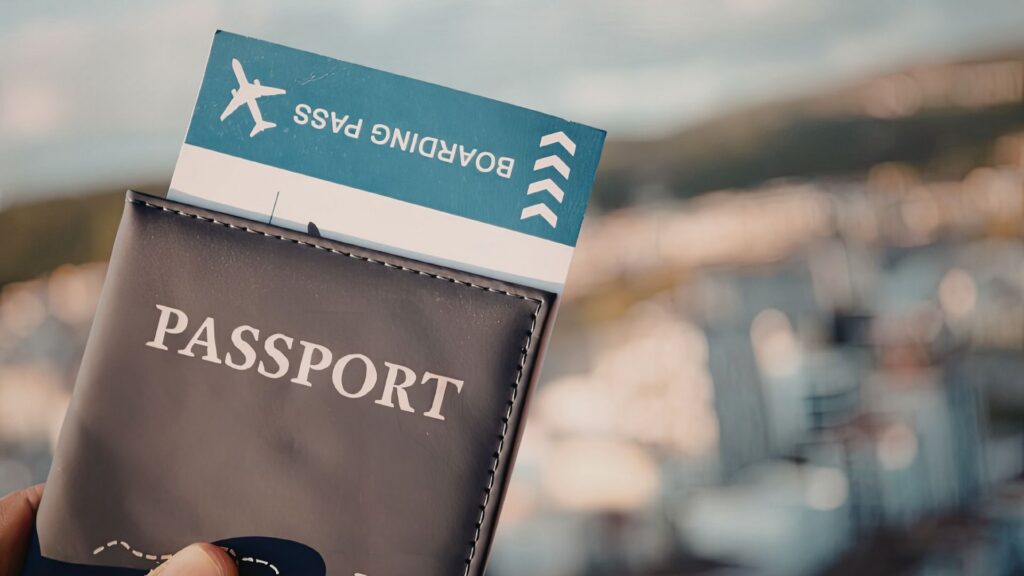











How a Consular Processing Lawyer in Texas Maps the Case From NVC to Embassy Review

Consular processing places one family case across several locations at the same time. The petitioner may be in Texas handling sponsorship records, while the applicant may be abroad collecting police certificates, civil records, medical exam instructions, and interview documents. A consular processing lawyer in Texas at Faragalla Law can map those responsibilities before one side assumes the other side completed a required step. That coordination matters when a missing foreign record, delayed translation, or incorrect financial document can keep the case from reaching interview readiness. The overseas visa path works best when the family understands who must handle each requirement before the consulate reviews the file.
The case also changes depending on the petition type, visa category, applicant location, and prior immigration history. A spouse case may move differently than a parent, child, or sibling case, especially when visa availability or admissibility concerns affect the timeline. Faragalla Law reviews the process from the family’s actual position instead of treating consular processing like one standard checklist. The firm looks at NVC submissions, embassy instructions, sponsorship proof, applicant documents, and interview risks as connected parts of one case. A better plan gives both the Texas petitioner and the overseas applicant specific responsibilities before deadlines tighten.
Why National Visa Center Document Review Can Delay Consular Processing
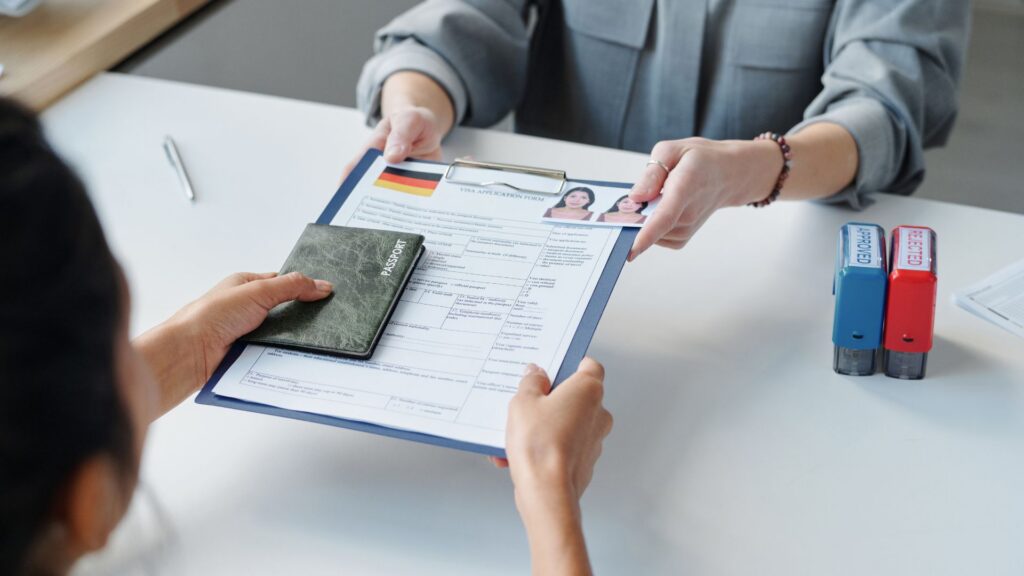
NVC delays often begin with a document that looks complete to the family but fails the agency’s upload rules. A consular processing lawyer in Texas can review rejected submissions, financial sponsor records, civil documents, translations, and agency notes before the case sits through another correction cycle. The National Visa Center will not schedule the embassy interview until required submissions meet its standards, even when USCIS already approved the petition. Families may lose weeks when a police certificate comes from the wrong office, a birth record lacks required details, or an affidavit of support does not match current income. Document review can control the pace of the entire overseas case.
A short NVC message can create confusion because it may not explain the full reason a record was rejected. The problem may involve country-specific document rules, missing pages, outdated tax records, unreadable uploads, incorrect file labels, or a translation that leaves out important information. Faragalla Law reads those notices against the actual submission to identify the precise correction needed. The goal is not to upload more paperwork, but to submit the right record in the right format. A precise correction can move the case closer to documentarily qualified status.
How Faragalla Law Manages Texas Consular Processing From NVC Review to Visa Issuance

Faragalla Law manages consular processing by treating the NVC stage, embassy interview, and final visa issuance as separate decision points that need different preparation. The Texas petitioner may be responsible for sponsorship records, tax transcripts, agency notices, and household information, while the applicant abroad may need police certificates, civil records, passport documents, translations, and medical exam instructions. A consular processing lawyer in Texas can organize those moving parts so the family understands what must happen before the file reaches the embassy. This matters because a case can lose time when one document is accepted by a local agency but rejected under immigrant visa rules. The process becomes easier to manage when each stage has its own record strategy.
Faragalla Law also looks beyond document upload because consular processing does not end when NVC marks a case ready. Embassy instructions, interview questions, administrative processing, passport return, visa expiration, and travel timing can all affect the family’s next steps. Sam Faragalla reviews the file for issues that could interrupt movement between stages, including sponsorship gaps, country-specific records, prior visa concerns, and post-interview document requests. The firm gives families a practical sequence for handling the case from Texas while the applicant completes requirements abroad. Consular processing needs coordination that follows the case until visa issuance is complete.
Speak With Our Consular Processing Lawyer in Texas Before the Overseas Interview
Consular processing places the final visa steps in another country, where distance can make each notice and document request harder to manage. Before the interview, families may need to coordinate NVC uploads, sponsorship records, civil documents, police certificates, medical exam instructions, and embassy-specific requirements. Faragalla Law reviews the file with the overseas stage in mind, so families know which records need correction and which questions may require preparation. A stronger consular file gives the applicant a better chance to reach the interview with fewer unresolved issues and fewer delays.
The final steps should not depend on scattered updates or assumptions about embassy timing. Sam Faragalla reviews the case from document qualification through interview readiness and visa issuance concerns. Call Faragalla Law today at (800) 707-3038 or visit our contact page to speak with our consular processing lawyer in Texas about your family’s overseas visa case.
Texas Petitioner Duties During NVC Processing
The Texas petitioner usually carries responsibility for financial sponsorship records, agency communication, fee payment, and accurate petitioner information during NVC processing. These duties can affect the applicant abroad because NVC may not move the file toward interview scheduling until the financial and civil document submissions meet agency requirements. Tax transcripts, income proof, household size information, and affidavit of support forms should match the petitioner’s current financial situation. Petitioners should also watch for agency notices that identify missing documents or rejected uploads. A petitioner who understands each duty can prevent avoidable delays before the file reaches the embassy.
Sponsor Records That Must Match Current Income
Sponsor records should show the petitioner’s current income, tax history, employment status, and household size without unexplained conflicts. NVC may question the file when affidavit numbers differ from tax transcripts, pay records, or employer letters. The sponsorship packet should give the agency a direct way to verify financial eligibility.
Agency Notices Sent to the Petitioner
Agency notices may identify rejected documents, unpaid fees, missing uploads, or corrections needed before document qualification. Petitioners should read every notice closely because short agency comments can still control the next step. A missed correction can keep the family waiting without meaningful progress.
Overseas Applicant Records Before Embassy Scheduling
The overseas applicant often needs records from local agencies before an interview can be scheduled or completed. These records may include birth certificates, marriage records, divorce documents, police certificates, passport pages, photographs, translations, and medical exam instructions. Country rules matter because the correct document in one place may not satisfy the consulate in another country. Applicants should confirm the required version before relying on a record that looks official but lacks the needed details. Embassy readiness depends on documents that meet the local instructions.
Police Certificates From Each Required Country
Police certificate requirements may depend on where the applicant lived and how long they remained there. Some applicants need records from more than one country before the consulate will complete visa review. Each certificate should match the applicant’s residence history and the embassy’s document rules.
Civil Records With Country Specific Formats
Civil records may need registry numbers, seals, issuing authority information, or complete parent details before consular acceptance. Foreign documents can also require certified translations that preserve every important legal detail. The applicant should collect the version the embassy recognizes, not only the version easiest to obtain.
Embassy Interview Preparation Before Visa Issuance
The embassy interview is not simply a document drop-off after NVC processing. The applicant may need to explain relationship history, family category, prior immigration contact, financial sponsorship, criminal records, past visa refusals, or future plans in the United States. Interview preparation should connect the uploaded documents with the answers the applicant may give at the appointment. Families should also understand that visa issuance may still require passport processing, administrative review, or additional documents after the interview. The interview should be prepared as a decision point, not a formality. Applicants preparing for the medical exam often ask whether latent TB can affect a green card application.
Questions Tied to the Applicant’s History
Consular officers may ask about prior travel, visa denials, overstays, criminal records, family relationships, or earlier immigration filings. The applicant should understand how those facts appear in the submitted forms and supporting documents. Prepared answers reduce the risk that truthful information sounds inconsistent under pressure.
Passport Return and Post-Interview Timing
After the interview, the applicant should wait for actual visa issuance before making final travel plans. Passport return, administrative processing, or added document requests can affect the timing even after a positive interview. Families should plan around the issued visa, not the hope of immediate approval.
Rejected Civil Records From Foreign Agencies
Civil records create delays when they do not match the version required for immigrant visa processing. NVC may reject birth certificates, marriage records, divorce decrees, death certificates, adoption documents, or police certificates if the document lacks required registry information, official seals, complete names, or certified translations. Some countries issue multiple versions of the same record, and the easiest version to obtain may not be the version NVC accepts. Families should confirm the exact requirement before uploading a document that appears official but does not satisfy the agency. A correct civil record should prove the fact clearly without forcing another review cycle.
Birth Records Missing Required Parent Details
Birth records may need parent names, registration dates, issuing authority information, and long-form details before NVC accepts them. A short-form certificate can fail review when it does not prove identity or family connection completely. The corrected upload should provide the required version and match the applicant’s other identity documents.
Police Certificates From Incorrect Offices
Police certificates may need to come from a specific national, regional, or local authority depending on the country. NVC may reject a certificate when it covers the wrong jurisdiction, wrong dates, or wrong residence period. The certificate should match the applicant’s address history and the consulate’s document instructions.
Financial Sponsorship Uploads With Inconsistent Proof
Affidavit of support problems can stop a consular case before interview scheduling begins. NVC may question income when tax transcripts, pay stubs, employer letters, household size, and affidavit entries do not tell the same financial story. Petitioners with self-employment income, recent job changes, missing tax filings, or mixed household income may need added explanation before sponsorship can be accepted. A joint sponsor may also create delays when forms are incomplete, or proof does not stand on its own. Sponsorship uploads should show present financial eligibility with documents that match each other.
Tax Transcripts That Conflict With Affidavit Entries
Tax transcripts can reveal differences between reported income and the numbers listed on the affidavit of support. NVC may request clarification when current income, prior tax income, or household size does not align. The financial packet should explain the difference through current pay records, employment letters, or self-employment proof.
Joint Sponsor Files Missing Household Evidence
A joint sponsor must prove income, status, household size, and financial responsibility separately from the petitioner. NVC may reject the file when the sponsor omits tax records, proof of citizenship or residence, or required household information. Each sponsor’s record should be complete enough for independent review.
Translation Errors That Create Record Confusion
Translations can delay consular processing when they change, shorten, or omit details from the original document. Names, dates, court numbers, registry seals, parent information, and final legal outcomes must carry over accurately into English. A translation that summarizes a divorce decree, birth record, or police certificate may leave NVC unable to confirm what the document proves. The original record may be valid in the foreign country, yet still fail review because the English version does not support the submission. Translation accuracy affects whether the agency can rely on the document.
Name Order Changes Across Translated Documents
Name order can shift across languages, cultures, and record systems. NVC may question whether documents belong to the same person when translations handle surnames, middle names, accents, or family names inconsistently. Supporting identity records can connect those variations before they slow review.
Court Terms Missing From Translated Orders
Court records may contain terms that show whether a divorce, adoption, custody order, or criminal matter reached a final outcome. If the translation leaves out those legal details, NVC may treat the record as incomplete. The English version should preserve the legal meaning of the original order.
NVC Submissions Built Around Agency Review
NVC review depends on whether each upload meets the agency’s document category, formatting expectations, and financial requirements. Faragalla Law checks sponsorship forms, tax records, civil documents, translations, and applicant information before the family waits through another correction cycle. A file may look complete to the family while still missing a required page, seal, registry detail, or income explanation. The firm reads agency notices against the actual submission so the response addresses the exact reason for rejection. NVC preparation should reduce repeat corrections before embassy scheduling begins.
Financial Records That Match Sponsor Obligations
The sponsor’s records should show current income, household size, tax history, and employment information in a consistent way. Faragalla Law reviews pay records, tax transcripts, employer letters, self-employment proof, and joint sponsor documents when needed. Sponsorship evidence should answer financial eligibility questions before NVC returns the file.
Civil Documents Uploaded in the Correct Format
Civil records must match the immigrant visa document rules for the applicant’s country. Birth certificates, police certificates, marriage records, divorce documents, and translations may each require specific details. Correct formatting can prevent the file from being delayed before interview scheduling.
Embassy Interview Preparation for Overseas Applicants
The embassy interview requires more than appearing with documents already uploaded to NVC. Faragalla Law prepares applicants to understand the file, bring original records, and answer questions connected to family relationships, immigration history, sponsorship, identity, and future plans in the United States. Some applicants need added preparation when earlier visa refusals, long separations, criminal records, or foreign civil documents may draw questions. The firm connects the interview preparation to the records the officer will likely review. A prepared applicant should understand both the documents and the story those documents prove.
Original Records Needed at the Interview
Embassies may require original civil documents, passport pages, photographs, translations, police certificates, medical exam instructions, and appointment records. Faragalla Law reviews those items before the interview so the applicant does not rely only on uploaded copies. Original records should match the NVC file and consular instructions.
Answers Connected to Prior Visa History
Prior visa refusals, overstays, removals, or inconsistent applications may affect consular questioning. Faragalla Law reviews those issues before the appointment so the applicant understands what the government may already know. Interview answers should stay accurate and consistent with earlier records.
Family Plans After Visa Approval
Consular officers may ask about where the applicant will live, who will provide support, and how the family plans to settle after entry. Faragalla Law prepares applicants to answer those questions with practical details that match sponsorship records. Post-approval plans should align with the immigrant visa file.
Post-Interview Steps Before Travel to the United States
After the interview, the family may still need to wait for passport return, administrative processing, added documents, or final visa printing. Faragalla Law reviews any consular notice and identifies what must be answered before the applicant can rely on travel plans. A request after the interview may involve updated financial records, police certificates, civil documents, medical information, or admissibility concerns. Families should avoid buying tickets or finalizing relocation plans until the visa has actually been issued. The final stage should protect entry timing rather than assume approval is complete.
Consular Requests After the Interview
A consular request should be answered with the exact document or explanation the officer identified. Faragalla Law reviews the wording of the request and prepares a response that addresses the missing issue directly. Unrelated records can distract from the proof the embassy needs.
Visa Printing and Passport Return Timing
Visa printing and passport return can take additional time after the interview. Administrative processing, document review, courier steps, and expiration dates may affect when travel becomes realistic. Families should plan entry only after the passport returns with the issued visa.