









San AntonioImmigrationAttorney

Practice Area Overview

San Antonio Immigration Attorney

Whether you are applying for a green card, seeking U.S. citizenship, sponsoring a family member, or responding to a request from USCIS, the choices you make early in the process can have a significant impact on the outcome. Working with a San Antonio immigration attorney can help you better understand your options and avoid common mistakes that may lead to delays or complications.

Attorney Sam Faragalla and his team assist families, couples, workers, and lawful permanent residents throughout San Antonio with a wide range of immigration matters. Clients often seek guidance because immigration laws and procedures can be difficult to navigate without experienced support. Faragalla Law focuses on providing clear answers, practical advice, and personalized strategies based on each client's goals and circumstances.

With more than 27 years of immigration experience, Faragalla Law helps clients make informed decisions before filing applications and throughout the immigration process. From Downtown San Antonio to Stone Oak, Alamo Heights, Leon Valley, and surrounding communities, we are committed to helping individuals and families move forward with confidence while pursuing the immigration benefits they need. If you want legal guidance before filing or need help with an existing case, call (713) 766-1335 today to speak with a San Antonio immigration lawyer today.

Why Choose Us

How To Choose a San Antonio Immigration Attorney

Choose a San Antonio immigration attorney by looking for a lawyer who focuses on immigration law, explains your options clearly, and takes time to review the details that could affect your case. Faragalla Law helps individuals and families understand what forms, deadlines, evidence, and potential risks may apply before anything is filed with USCIS, allowing clients to make informed decisions about their immigration matters.

For many people in San Antonio, immigration concerns involve more than one document. A spouse may live outside the United States, a green card may be close to expiring, a naturalization applicant may have long trips abroad, or a delayed work permit may affect household income. Faragalla Law helps individuals and families review these issues with direct communication, organized case preparation, and immigration-focused legal support.

What Immigration Services Does Faragalla Law Handle in San Antonio

Two people can file for the same immigration benefit and still need very different evidence. One person may want to bring a spouse to San Antonio while dealing with a prior visa overstay. Another may qualify for citizenship but worries that years of international travel could affect eligibility. Others need a work permit quickly because a job offer depends on it.Faragalla Law assists individuals and families throughout San Antonio with family-based immigration, fiancé visas, naturalization, green card matters, travel documents, employment authorization, and related immigration filings. Whether a client lives near the Medical Center, Stone Oak, Alamo Ranch, Downtown San Antonio, Helotes, Schertz, or elsewhere in Bexar County, the case should start with the right strategy rather than a rushed filing.

San Antonio Marriage Green Card Lawyer for Couples

Marriage-based immigration remains one of the most common paths to lawful permanent residence. Many couples still underestimate how closely USCIS examines these petitions. Approval depends on much more than presenting a marriage certificate.

Marriage green card applications often involve financial records, living arrangements, prior immigration history, prior marriages, sponsorship requirements, and interview testimony. Small inconsistencies can trigger additional review, especially when the couple has spent significant time apart or has limited shared documentation.

Marriage Evidence Must Show a Genuine Relationship

USCIS officers look for evidence that demonstrates a real marital relationship developed over time. The strongest cases usually tell a complete story rather than relying on a stack of unrelated documents.

Joint tax returns, shared leases, mortgage statements, utility bills, insurance policies, beneficiary designations, photographs with family members, travel records, and financial accounts often help establish credibility. The evidence should show how the couple built a life together rather than simply proving they met.

Couples With Limited Joint Documents Need More Proof

Many legitimate couples do not have extensive financial records together. Military deployments, international employment assignments, educational programs, immigration restrictions, and family obligations can keep spouses apart for extended periods.

In those situations, alternative evidence becomes especially important. Travel itineraries, passport stamps, hotel reservations, communication records, engagement photographs, money transfers, affidavits from relatives, and plans can help explain the relationship.

Marriage Green Card Interviews Can Decide Key Issues

Even a well-prepared petition may require an interview. During that meeting, officers often ask detailed questions about daily routines, family relationships, finances, employment, housing arrangements, and major events in the couple's history.

Applicants often become nervous because they assume every answer must be perfect. Officers usually look for consistency and credibility. Faragalla Law helps couples review their filings, organize their records, and prepare for questions before the interview date arrives.

The K-1 fiancé visa allows a United States citizen to bring a foreign fiancé to the United States for marriage. Many couples view the process as simple at first, but the petition requires strong evidence and careful timing.

Unlike marriage-based green card cases, fiancé visa petitions focus heavily on proving the relationship existed before filing. They also require proof that the couple has a genuine intent to marry after arrival. Missing evidence can create delays at the USCIS stage and the consular interview stage.

Meeting Requirements Matter in K-1 Visa Cases

Federal immigration rules generally require the couple to have met in person within the required period before filing. Evidence supporting those meetings often becomes one of the most important parts of the petition.

Travel records, airline tickets, passport stamps, photographs, hotel receipts, restaurant receipts, and communication records may help establish compliance. Strong documentation makes it easier to show that the relationship is real.

Consular Interviews Require Thorough Preparation

Many fiancé visa applicants focus entirely on USCIS approval and overlook the embassy or consulate interview. Yet this stage often determines whether the visa is issued.

Consular officers may ask detailed questions about the relationship timeline, wedding plans, employment history, prior marriages, family members, and future living arrangements in Texas. Preparing for those questions beforehand can reduce confusion and help applicants provide clear answers.

Couples Should Plan for the Step After Entry

The K-1 visa is only one stage of the immigration process. After entering the United States and marrying, the foreign spouse generally must apply for adjustment of status to obtain lawful permanent residence.

Many couples benefit from understanding this transition before the fiancé arrives. Housing decisions, employment expectations, travel plans, and financial sponsorship requirements often become easier to manage when the couple understands the full immigration timeline.

Becoming a United States citizen represents a major milestone for many immigrants. Citizenship can provide voting rights, eligibility for certain federal jobs, protection from removal in many situations, and the ability to petition for additional family members.

Although naturalization may appear simpler than obtaining a green card, many applicants encounter issues involving travel history, criminal records, tax compliance, selective service registration, or prior immigration filings.

Continuous Residence Requirements Create Challenges

One of the most misunderstood parts of naturalization involves continuous residence and physical presence requirements. Applicants often assume that maintaining a green card automatically satisfies these rules.

Extended trips outside the United States can create complications. USCIS may examine whether an applicant maintained ties to the country during lengthy absences. Employment records, tax filings, housing arrangements, and family connections can become important.

Travel Records Should Be Verified Before Filing

Many applicants estimate travel dates from memory. Even minor mistakes can create inconsistencies during the citizenship interview.

Reviewing passports, airline records, entry stamps, employment records, and prior immigration filings before submitting Form N-400 can improve accuracy. A carefully prepared travel history often prevents unnecessary delays later in the process.

Citizenship Interviews Cover More Than Civics Questions

Applicants frequently focus on studying the civics test while overlooking other portions of the interview. USCIS officers commonly review the entire application and ask about employment, taxes, family relationships, addresses, travel history, and prior interactions with law enforcement.

Preparation helps applicants understand what information may come up during questioning. Consistent answers supported by documentation can make the interview process smoother. San Antonio immigration attorney Faragalla Law works with citizenship applicants throughout San Antonio to help them prepare thoroughly.

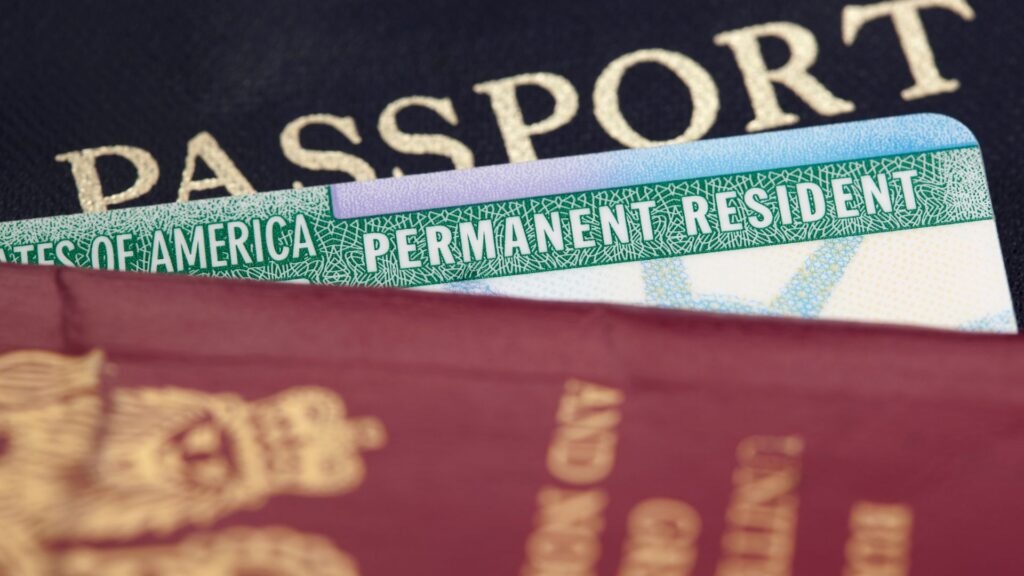
A green card serves as proof of lawful permanent resident status. Permanent resident status generally does not disappear simply because the card expires, but an expired or missing card can create practical difficulties in everyday life.

Employers, government agencies, financial institutions, and transportation authorities often require valid documentation. Delaying renewal or replacement can create avoidable problems.

Expired Green Cards Can Affect Employment and Travel

Many permanent residents discover problems only when applying for a new job, renewing identification documents, or planning international travel. An expired card may trigger additional verification requirements and create delays.

Renewing a green card before expiration often provides greater flexibility and reduces stress. Early action becomes especially important for individuals who travel frequently or anticipate employment changes.

Lost or Stolen Green Cards Require Prompt Attention

A lost green card creates more than an inconvenience. Individuals may suddenly lack proof of lawful status when dealing with employers, government agencies, or immigration officials.

Replacement applications often require detailed explanations regarding the circumstances of the loss. Supporting documentation can help establish identity and permanent resident status while the replacement request remains pending.

Correcting Errors on Permanent Resident Cards

Government-issued documents occasionally contain mistakes involving names, dates of birth, gender designations, or other identifying information. Even minor errors can create problems when records must match across multiple agencies.

Correcting those issues promptly helps avoid complications involving employment verification, travel, driver's licenses, and immigration filings. Faragalla Law assists permanent residents with renewal, replacement, and correction requests throughout San Antonio.

Conditional permanent residents generally receive a two-year green card when their residence comes through a qualifying marriage that was relatively recent at the time of approval. Before that card expires, additional action is usually required.

The removal of conditions process allows USCIS to evaluate whether the marriage continued as a legitimate relationship after the first approval. This stage deserves careful attention because it can affect long-term permanent resident status.

USCIS Reviews the Marriage After Approval

Many couples assume that approval of the initial green card resolves all concerns regarding the marriage. USCIS often expects updated evidence covering the entire conditional residence period.

Joint tax returns, mortgage records, lease agreements, insurance policies, children's birth certificates, shared financial accounts, photographs, travel records, and household documentation frequently help demonstrate an ongoing marital relationship.

Life Changes Should Be Explained Clearly

Couples often experience major changes during the two-year conditional period. They may relocate, change jobs, welcome children, attend school, or spend time apart because of employment obligations.

Providing context for those changes helps USCIS understand the reality of the relationship. A well-organized filing can address potential questions before they arise.

Waiver Cases Require a Different Strategy

Not every conditional resident remains married when it becomes time to file. Divorce, separation, abuse, or the death of a spouse can change the filing process.

These situations frequently require additional evidence and a different legal approach. Filing the wrong petition can create unnecessary complications. A San Antonio immigration attorney can help determine the filing strategy that matches the facts.

International travel can affect immigration status in ways many people do not anticipate. A trip that appears routine may create serious consequences if a person leaves the United States without proper authorization.

Before making travel arrangements, immigrants should understand how pending applications, prior immigration violations, and current status may affect reentry.

Advance Parole and Pending Applications

Individuals with certain pending immigration applications often need advance parole before departing the United States. Leaving without proper authorization may result in abandonment of the pending case.

This issue commonly affects adjustment of status applicants who assume they can travel freely while waiting for a decision. Reviewing travel plans before departure can prevent costly mistakes.

Emergency Travel Situations Require Immediate Review

Family emergencies often arise without warning. Serious illness, funerals, and urgent family matters abroad can force people to make quick decisions.

In these situations, travel options should be reviewed as soon as possible. Immigration consequences should be evaluated before departure whenever a pending application remains under review.

Reentry Concerns for Permanent Residents

Permanent residents generally enjoy greater travel flexibility than many other immigrants. Long absences can still create questions regarding residence and intent to maintain permanent status.

Trips extending many months may trigger additional review upon return. Reviewing travel plans beforehand can help permanent residents avoid unexpected issues at ports of entry.

Work authorization affects nearly every part of daily life. A valid Employment Authorization Document allows eligible immigrants to accept employment, support family members, establish financial stability, and pursue career opportunities.

Because processing times vary, timing often becomes one of the most important factors in work permit cases.

Delayed Work Permits Can Disrupt Employment Plans

Many applicants secure job opportunities before receiving employment authorization. Delays can postpone start dates, interrupt income, and create uncertainty for employers.

Careful preparation of the application helps reduce avoidable issues involving missing evidence, incorrect filing categories, or incomplete documentation. A properly prepared filing can reduce the risk of corrections that slow the case.

Renewal Applications Should Not Be Delayed

Waiting until the last minute to renew a work permit can create unnecessary employment interruptions. Processing times fluctuate, and delays sometimes occur even when applications are filed correctly.

Reviewing expiration dates well in advance allows applicants to take action before work authorization becomes a concern. Early planning often helps preserve employment continuity.

Work Permit Eligibility Depends on Immigration Status

Eligibility for employment authorization depends on the underlying immigration category. Adjustment applicants, asylum applicants, certain spouses, and other qualifying individuals may have different filing requirements and renewal procedures.

Understanding the specific rules that apply to a particular immigration category helps applicants avoid mistakes that could delay approval. Faragalla Law assists clients with employment authorization applications and renewals across a variety of immigration categories.

Immigration matters affect families, careers, travel plans, and long-term goals. Many clients seek more than assistance with forms. They want clear answers about what to expect, what risks may exist, and how to move forward with a workable plan.

San Antonio immigration attorney Faragalla Law assists clients throughout San Antonio with immigration matters ranging from marriage green cards and fiancé visas to citizenship applications, work permits, travel documents, and permanent resident issues. The firm focuses on practical solutions tailored to each client's circumstances rather than relying on a one-size-fits-all approach.

Consistent Communication Helps Reduce Uncertainty

Immigration cases often involve waiting periods, government notices, requests for evidence, and interview scheduling. During those periods, unanswered questions can create serious stress.

Clients benefit from knowing where their case stands and what steps may come next. Clear communication helps individuals make informed decisions throughout the process. Faragalla Law prioritizes keeping clients informed as their cases move forward.

Strong Immigration Preparation Can Reduce USCIS Delays

Many immigration problems begin long before a denial occurs. Missing records, inconsistent information, overlooked deadlines, and incomplete filings frequently create obstacles that could have been prevented.

Careful preparation from the outset helps identify potential concerns early. Whether the goal involves obtaining a marriage green card, securing a fiancé visa, renewing a green card, applying for citizenship, or obtaining employment authorization, a thoughtful strategy can make the process more manageable from beginning to end.

What Immigration Services Does Faragalla Law Handle in San Antonio Image