










Why Couples Turn to an Austin Marriage Green Card Lawyer Before Filing
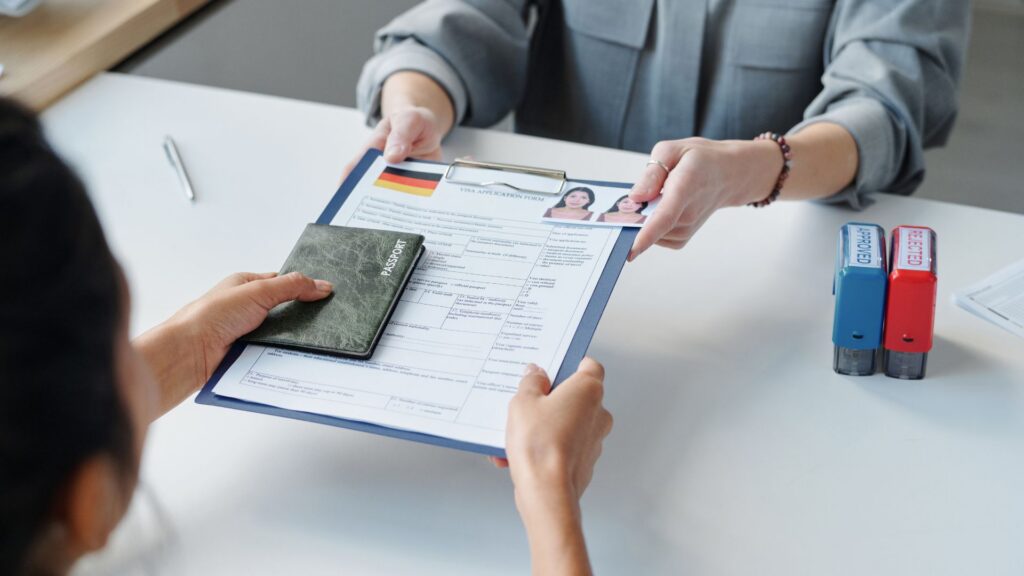
Many couples contact Faragalla Law because they want to file correctly the first time. They may have questions about the forms, worry that their evidence is not strong enough, or fear that one mistake could lead to delays, a request for more evidence, or a denial. A marriage certificate is important, but USCIS reviews much more than whether the couple is legally married.
An Austin marriage green card lawyer can help couples understand what USCIS may question before the case is filed. Officers may review immigration history, financial sponsorship, prior relationships, travel records, living arrangements, and the overall credibility of the evidence submitted. Early legal guidance can be especially helpful when one spouse has overstayed a visa, entered on a temporary visa, has a prior immigration filing, lived in multiple countries, or has records that may need explanation.
Faragalla Law helps Austin couples prepare with a clearer plan instead of guessing through the process. Whether a spouse entered on an H-1B visa for work, came to Texas as an F-1 student, or has a more complicated immigration history, our firm can help review the facts, organize supporting evidence, and address potential concerns before they become obstacles.
What Documents Delay a Marriage Green Card Application
A marriage-based green card case often appears straightforward at the beginning. A couple gets married, gathers documents, submits forms, and expects the process to move forward. In reality, many delays occur because USCIS, the National Visa Center, or a U.S. consulate identifies inconsistencies, missing evidence, financial sponsorship concerns, or unanswered questions about the relationship.
Some delays add a few weeks to processing times. Others can add several months or trigger extensive requests for evidence. Couples in Austin frequently discover that issues they considered minor become important once immigration officers begin reviewing the file. A missing translation, an unexplained address discrepancy, an incomplete medical exam record, or incomplete financial records can slow progress even when the marriage is genuine.
Austin marriage green card lawyer Faragalla Law works with couples throughout Austin, including Downtown Austin, Mueller, South Congress, Cedar Park, Round Rock, Pflugerville, and surrounding communities. A document review before filing can catch missing translations, incomplete divorce records, weak sponsor proof, timeline conflicts, and missing USCIS forms. Faragalla Law regularly helps clients identify potential marriage green card issues before they become costly delays.
Why Weak Marriage Evidence Delays Green Card Cases
One of the most important parts of a marriage green card case involves proving that the marriage was entered into in good faith. USCIS wants evidence showing that the couple built a real life together rather than marrying solely for immigration benefits.
Strong cases typically demonstrate shared responsibilities, ongoing communication, financial integration, family involvement, and a consistent relationship history. Weak evidence often leads to additional review, especially when the couple has limited joint records or a short marriage timeline.
How Sponsorship Issues Delay Marriage Green Card Approval
Every marriage green card case requires financial sponsorship through Form I-864, Affidavit of Support. This requirement exists because the government wants assurance that the immigrant spouse will have adequate financial support after obtaining permanent residence.
Financial sponsorship issues remain one of the most common reasons USCIS and the National Visa Center issue requests for additional evidence in a marriage green card case. The numbers, tax records, household size, and sponsor documents all need to make sense together.
Why Prior Marriages and Visa History Need Review
Marriage green card applications frequently require examination of events that occurred years before the current relationship began. Prior marriages, previous immigration filings, visa history, and earlier interactions with immigration agencies can all affect processing times.
Addressing these issues before filing often prevents delays later in the process. Faragalla Law helps clients review prior immigration records and supporting documents before filing a marriage green card application.
How Interview Mistakes Can Delay a Marriage Green Card
The marriage green card interview gives immigration officers a chance to verify information contained in the application. Most interviews focus on understanding the relationship and confirming that the submitted evidence accurately reflects the couple's life together.
Problems often arise when spouses forget details or provide answers that conflict with previously submitted records. A careful review of the filing helps couples prepare for questions without turning the interview into a memorized script.
How Consular Processing Can Delay a Marriage Green Card
When the immigrant spouse lives outside the United States, the case typically proceeds through consular processing. This path involves multiple agencies, each with separate review procedures and documentation requirements.
Because several government entities participate in the process, delays can occur at different stages of a marriage green card case. USCIS, the National Visa Center, and the consulate may each request different records before the spouse receives a visa.
Call an Austin Marriage Green Card Lawyer at Faragalla Law - Contact Us Today
Faragalla Law helps Austin couples prepare spouse-based green card cases with organized evidence, accurate forms, and guidance through adjustment of status or consular processing. The earlier you get help, the easier it may be to address weak evidence, sponsorship issues, or immigration history concerns before they slow the case. Do not wait for USCIS to find the problem first. Call Faragalla Law at (800) 707-3038 or contact us today to speak with an Austin marriage green card lawyer about your next step.
Marriage Green Card Attorney for Evidence Review
One of the most misunderstood parts of a marriage green card case involves evidence. USCIS does not simply verify that a marriage occurred. Officers evaluate whether the marriage was entered into in good faith and whether the couple has built a genuine life together.
Good evidence should show how the spouses actually live, share responsibilities, communicate, and plan their future. Rather than submitting random documents, couples should present records that explain how their relationship developed and how they manage daily life together. An Austin marriage green card lawyer can help organize and present this evidence effectively.
Building a Convincing Marriage Green Card Evidence Package
The strongest evidence packages typically combine multiple categories of documentation. Financial records, housing records, insurance policies, photographs, travel history, communication records, and family involvement often work together to create a complete picture.
A couple living near Mueller may share a lease, utility bills, renter's insurance, and joint banking records. Another couple may own property together in Travis County and maintain shared health insurance coverage through an employer. These records often carry weight because they demonstrate ongoing commitments beyond the wedding itself.
Financial Evidence USCIS Often Finds Persuasive
Documentation and evidence such as joint checking accounts, savings accounts, credit cards, tax returns, retirement beneficiary designations, and insurance policies frequently help establish a shared financial life. USCIS generally looks for evidence showing that both spouses actively participate in financial responsibilities.
Simply opening a joint account shortly before filing may not carry the same value as records showing consistent use over time. Transaction history, recurring expenses, and long-term account activity often provide stronger support.
Residential Evidence That Supports a Marriage Case
Housing records frequently matter because they help show that spouses actually live together. Leases, mortgage statements, homeowner insurance policies, utility bills, and property tax records can all support the overall evidence package.
When spouses temporarily live apart due to employment, military service, education, or immigration restrictions, additional documentation may be necessary to explain the circumstances and demonstrate the ongoing nature of the relationship.
Weak Evidence That Can Trigger Additional Scrutiny
Some couples unknowingly submit evidence that leaves important questions unanswered. Limited documentation does not mean the marriage is not real, but it may prompt USCIS to request additional information.
Cases involving newly married couples often face this challenge because the spouses have had less time to accumulate joint records. In those situations, alternative evidence becomes especially important.
Inconsistent Information Across Documents
One of the most common problems involves conflicting information. Different addresses, inconsistent dates, contradictory employment histories, or mismatched relationship timelines can raise concerns during review.
Even minor discrepancies may lead officers to examine the case more closely. Reviewing documents carefully before filing helps identify inconsistencies that should be corrected or explained.
Photographs spanning several years, travel itineraries, correspondence, affidavits from friends and family members, and records of ongoing communication may help fill evidence gaps when traditional joint documentation is limited.
Austin Spouse Green Card Lawyer for USCIS Forms and Documentation
Marriage green card applications involve multiple forms that must work together accurately. USCIS reviews the entire filing package as a single case. Information entered on one form should match information appearing elsewhere in the application.
Errors frequently occur when couples prepare forms separately without reviewing the full filing for consistency. Address histories, employment records, travel dates, immigration information, and sponsorship documents should match throughout the submission. Faragalla Law helps clients review these details before USCIS finds a problem.
Understanding the I-130 Petition Process
The I-130 petition establishes the qualifying family relationship between the petitioner and the foreign national spouse. Although the form appears straightforward, mistakes can create delays that affect the entire case.
USCIS often reviews supporting documents alongside the petition to verify identity, marital history, and eligibility. Missing records or conflicting information may result in requests for evidence that extend processing times.
Prior Marriages and Divorce Documentation
Previous marriages require careful documentation. USCIS generally expects proof that every prior marriage ended legally before the current marriage occurred.
Divorce decrees, annulment orders, and death certificates should be reviewed carefully to make sure they are complete and consistent with the information provided in the petition.
International Documents and Translation Requirements
Many marriage green card cases involve foreign documents. Birth certificates, marriage records, police certificates, and civil records from other countries often require certified English translations.
Submitting incomplete translations or unofficial documents can create avoidable delays. Reviewing foreign records before filing helps identify potential issues early with the assistance of an Austin marriage green card lawyer.
Financial Sponsorship Requirements for Marriage Green Cards
Financial sponsorship remains a major part of most marriage-based immigration cases. The sponsoring spouse generally must demonstrate sufficient income or qualifying assets to support the immigrant spouse.
Income requirements change based on household size and other factors. Reviewing sponsorship documents before filing helps prevent delays tied to financial eligibility.
When a Joint Sponsor May Be Necessary
Some petitioners do not meet the required income threshold on their own. In those situations, a qualifying joint sponsor may help satisfy sponsorship requirements.
The joint sponsor must meet specific eligibility standards and provide supporting financial documentation. Proper preparation helps make sure sponsorship evidence is complete before submission.
Common Affidavit of Support Problems
Issues frequently arise when tax returns are missing, income documentation is incomplete, or household size calculations are inaccurate. These problems often lead to requests for additional evidence.
Reviewing sponsorship documents carefully before filing helps reduce the likelihood of delays related to financial eligibility. It can also help couples decide whether they need a joint sponsor before the case reaches USCIS or the National Visa Center.
Austin Marriage Green Card Attorney for USCIS Interview Preparation
The marriage green card interview often causes anxiety because couples do not know what to expect. While every interview differs, USCIS officers generally focus on verifying information already contained in the application and evaluating the authenticity of the marriage.
Interview preparation helps couples review dates, addresses, submitted forms, updated records, and common questions before the appointment. Faragalla Law works closely with clients so they can explain their relationship clearly without sounding rehearsed.
Questions About Daily Married Life
Interview questions frequently focus on ordinary aspects of married life. Officers may ask how the couple met, where they live, how household expenses are handled, and how family members interact with one another.
These questions help officers determine whether the relationship appears genuine and consistent with the evidence submitted.
Relationship Timeline Questions
USCIS officers often explore the progression of the relationship. Questions may address the first meeting, engagement, wedding planning, major trips, holidays spent together, and significant milestones.
Couples should be familiar with important dates and events reflected in their application materials. Reviewing the timeline beforehand helps avoid confusion during the interview.
Household and Family Questions
Officers may ask about sleeping arrangements, daily routines, employment schedules, family gatherings, and plans. These questions help evaluate whether the spouses genuinely share a life.
A couple living near South Congress may be asked about their apartment, commute, neighborhood activities, or how they divide household responsibilities. Specific answers often carry more credibility than vague responses.
Reviewing Documents Before the USCIS Interview
Many interview issues arise because applicants forget what they submitted months earlier. Reviewing forms, supporting evidence, and prior immigration filings before the appointment helps improve consistency.
Updated records should also be gathered before the interview. New joint bank statements, recent photographs, updated insurance policies, tax returns, and additional proof of shared life may strengthen the case.
Bringing Updated Evidence to the Interview
USCIS officers often review evidence that shows the marriage continued after filing. Recent records can help show that the relationship remains active and ongoing.
Examples may include newly renewed leases, updated beneficiary designations, recent travel records, additional financial statements, or documentation related to children born during the marriage.
Addressing Potential Interview Concerns Before They Arise
Certain cases require additional preparation. Significant age differences, short courtships, language barriers, prior immigration petitions, or previous visa denials may lead to more detailed questioning.
Identifying these issues before the interview allows couples to prepare accurate explanations supported by documentation. With guidance from Faragalla Law and an Austin marriage green card lawyer, couples can present their relationship clearly and reduce uncertainty throughout the interview process.
Missing Marriage Green Card Documents
USCIS cannot approve a marriage green card application without the required supporting evidence. While many couples focus on completing the forms, immigration officers spend substantial time reviewing the documents attached to those forms. Missing records frequently result in Requests for Evidence, interview delays, or extended review periods.
The problem is not always the absence of a document. Sometimes the wrong version is submitted. In other situations, the document contains conflicting information that requires clarification before the case can move forward.
Civil Records From Another Country
Foreign civil documents create unique challenges because every country maintains records differently. USCIS and the Department of State maintain country-specific requirements regarding acceptable birth certificates, marriage certificates, divorce decrees, and police records.
A spouse who has lived in more than one country may need records from multiple government agencies. When those documents take time to obtain, the full marriage green card process can slow down before the case is ready for review.
USCIS Forms With Incomplete Answers
Marriage green card applications involve multiple forms that must work together as a complete package. Officers compare information across every filing. When dates, addresses, employment history, or immigration history do not match, additional review often follows.
These issues matter because the forms create a permanent record. USCIS may compare a current marriage-based filing with prior visa applications, previous petitions, border records, or statements made years earlier.
Address History Discrepancies
Address history mistakes are more common than many couples realize. A spouse may list an apartment move on one form but forget to include it on another. USCIS systems often flag these inconsistencies.
Austin residents who have moved between neighborhoods such as East Austin, Hyde Park, West Campus, and North Austin during school or employment transitions should carefully verify every address and date before filing.
Employment and Travel Timeline Errors
Employment history and international travel records frequently create confusion. A spouse may estimate dates from memory rather than reviewing actual records. Later, those estimates may conflict with passport stamps, tax filings, or prior immigration applications.
Immigration officers often compare these timelines during interviews. Accurate records help prevent unnecessary questions and requests for clarification during the marriage green card process.
Work Authorization and Travel Document Mistakes
Many adjustment of status applicants also file for work authorization and travel permission. These requests can affect a spouse's ability to work legally or travel while the green card case remains pending.
Mistakes on work authorization or travel document forms may cause delays that affect daily life. A spouse in Austin may need work authorization for a new job or travel permission for an urgent family matter abroad.
Travel Before Approval Can Create Problems
International travel before receiving proper permission can create serious immigration concerns. Some applicants may risk abandoning an adjustment of status application if they leave the United States at the wrong time.
Before making travel plans, couples should understand how advance parole works and whether travel could affect the pending case. This is one reason early legal guidance matters.
Limited Joint Financial Records
Financial records help immigration officers understand how spouses manage their lives together. While joint bank accounts are common evidence, officers generally look beyond the existence of an account and examine how it is actually used.
A couple does not need to have every financial record in both names. Still, the filing should explain how the spouses share expenses, plan financially, and support one another.
Separate Addresses or Living Arrangements
Living apart does not automatically prevent approval of a marriage green card. However, separate residences often trigger additional questions because officers expect married couples to share a household whenever possible.
A strong filing should explain why the spouses lived apart and what evidence shows the relationship continued. Without that explanation, USCIS may question whether the marriage functions as a real partnership.
Legitimate Reasons for Living Apart
Many couples have valid reasons for maintaining separate residences. One spouse may attend graduate school at the University of Texas while the other works in another city. Healthcare obligations, military service, family caregiving responsibilities, or temporary employment assignments may also explain separate living arrangements.
The central issue is documentation. USCIS wants evidence supporting the explanation rather than a simple statement that the spouses lived apart.
Request for Evidence Risk
A Request for Evidence can delay a marriage green card case because USCIS pauses review while waiting for the applicant's response. These requests often arise when evidence does not fully answer the officer's concerns.
An RFE may ask for more proof of a shared life, stronger financial sponsorship records, missing civil documents, or clarification about prior immigration history. Responding with scattered documents can create more confusion.
RFE Responses Need Organized Proof
A strong RFE response should directly answer the issue USCIS raised. If USCIS asks for marriage evidence, the response should show the relationship through records, timelines, and clear explanations.
An Austin marriage green card lawyer helps couples organize the response so the officer can follow the evidence. This can matter when the case already has gaps that caused the request.
Notice of Intent to Deny Concerns
A Notice of Intent to Deny is more serious than a routine request for evidence. It means USCIS has identified a concern that may lead to denial if the applicant does not respond properly.
Couples should take this type of notice seriously. A complete response can address the government's concern with evidence, legal analysis, and a clear explanation of the marriage history.
Income That Does Not Meet Requirements
The sponsoring spouse generally must demonstrate income at or above the applicable federal poverty guideline threshold based on household size. Problems arise when income fluctuates or documentation does not clearly establish current earnings.
This often affects younger couples, self-employed sponsors, graduate students, and spouses who recently changed jobs. Austin's workforce includes many contract workers, startup employees, and business owners, which can make income proof less straightforward.
Self-Employment and Variable Income Challenges
Self-employed sponsors often face additional scrutiny because income may vary from year to year. Tax returns alone may not accurately reflect current earnings.
Business owners frequently need supplemental evidence such as profit and loss statements, client contracts, business bank records, invoices, and recent financial statements to establish ongoing income.
Recent Job Changes and New Employment
A sponsor who recently accepted a higher-paying position may qualify financially even if prior tax returns show lower earnings. USCIS typically wants evidence proving that the new employment is stable and ongoing.
Employment verification letters, recent pay statements, offer letters, and payroll records often become critical in these situations.
Joint Sponsor Evidence Issues
When the petitioning spouse cannot independently satisfy financial requirements, a joint sponsor may help support the application. Yet joint sponsor cases frequently encounter delays because required documentation is incomplete.
The joint sponsor should understand the responsibility before signing. USCIS does not treat the form as a casual favor, and incomplete proof can slow the case.
Divorce Records That Need Review
Every prior marriage must be legally terminated before a new marriage can support a green card application. USCIS carefully reviews divorce documentation because the validity of the current marriage depends on the validity of prior terminations.
This issue becomes more complicated when a spouse is divorced abroad, has lost the final order, or has documents with different names or dates. Those details should be resolved before filing whenever possible.
Foreign Divorce Decrees
Foreign divorce records sometimes create complications because legal systems vary significantly across countries. Officers may need confirmation that the divorce was legally recognized where it occurred.
Incomplete decrees, unofficial copies, or documents lacking final judgment language often trigger requests for additional evidence.
Visa Overstays and Prior Filings
Previous immigration history often influences how officers evaluate a marriage green card application. Prior filings create a paper trail that officers can compare against current submissions.
A prior overstay, visa denial, unauthorized work issue, or earlier petition does not always prevent a spouse from moving forward. Still, the filing should address the facts accurately instead of ignoring them.
Tourist Visa Entry Concerns
Some spouses enter the United States on a visitor visa and later marry or file for adjustment of status. USCIS may review the timeline to determine whether the spouse misrepresented intentions at entry.
These cases require careful fact review. The timing of the relationship, travel plans, engagement, wedding, and filing can affect how USCIS views the case.
Relationship Timeline Confusion
Months may pass between filing and the interview date. During that time, couples naturally forget exact dates and details.
Small differences may not matter, but major conflicts can cause concern. For example, an officer may question why one spouse gives a different engagement date than the date shown in photos, messages, or prior forms.
Building a Clear Relationship History
Reviewing photographs, travel records, messages, and prior submissions before the interview helps couples refresh their memory. The goal is not memorization. Instead, both spouses should understand the timeline reflected in the evidence.
A clear relationship history helps the officer connect the documents to the couple's actual life together.
New Evidence Before the Interview
A marriage continues evolving after the application is filed. Updated evidence often strengthens the case because it demonstrates that the relationship remains active.
This is especially important when many months have passed since filing. USCIS may want to see whether the couple continued sharing finances, housing, family events, and long-term plans after the original submission.
Documents That Can Strengthen an Interview File
Recent tax returns filed jointly, updated lease agreements, insurance policies, utility bills, vehicle registrations, and newly opened financial accounts may all help support the application.
Officers generally appreciate seeing evidence that covers the period between filing and the interview date.
National Visa Center Document Problems
The National Visa Center reviews financial sponsorship documents and civil records before scheduling an immigrant visa interview abroad. The case cannot move to the interview stage until the required documents are accepted.
This stage often frustrates couples because one rejected upload or a missing record can hold up the case. Preparing records early helps reduce that risk.
Embassy Interview and Security Review
After National Visa Center approval, the immigrant spouse attends an interview at a U.S. embassy or consulate. While many cases conclude shortly after the interview, some enter additional review.
This review can feel difficult for couples because the timing may be uncertain. The spouse may have completed the interview but still needs to wait for final clearance or additional document review.