














Why Arlington Naturalization Lawyer Guidance Matters Before Filing N-400
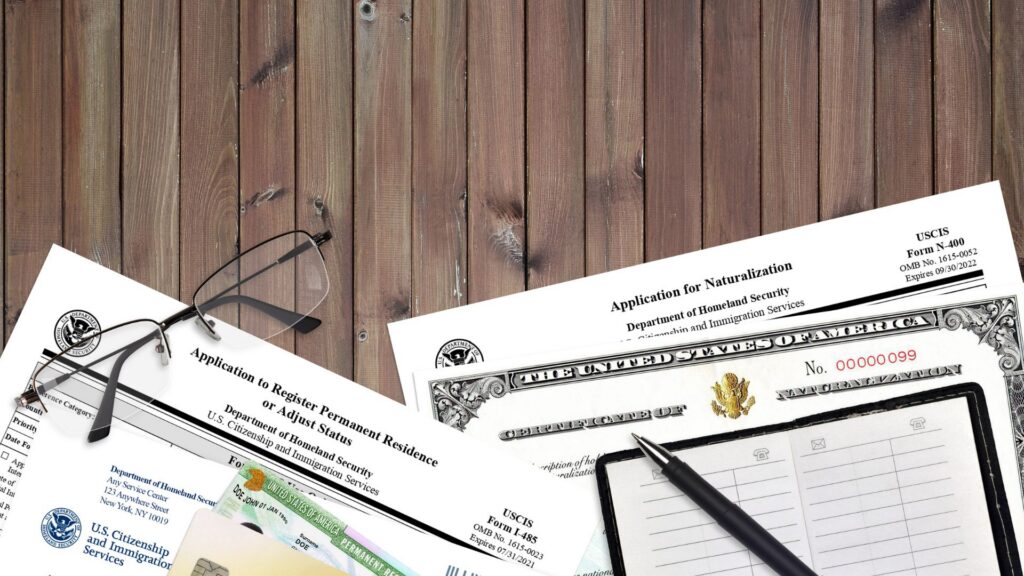
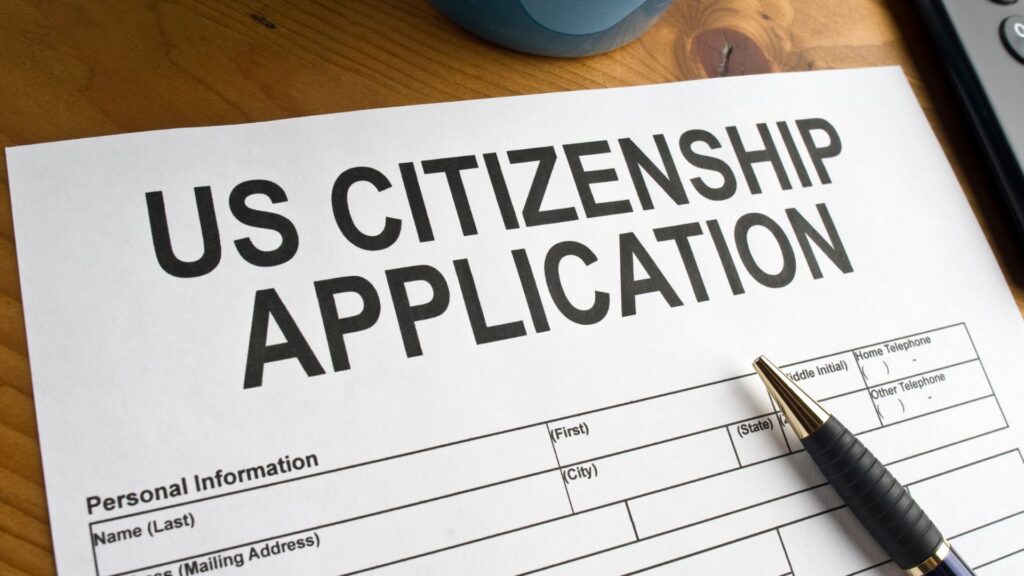
Filing Form N-400 is not only a citizenship paperwork step. It places your full immigration history, travel patterns, address record, employment information, marital history, tax behavior, and background details in front of USCIS for review. An Arlington naturalization lawyer can identify problems that may not look serious on the surface, including long absences, inconsistent dates, unpaid obligations, old citations, or prior statements made on earlier immigration forms. Faragalla Law reviews those details before filing so applicants can correct records, gather explanations, and avoid sending an application that creates preventable questions. Early preparation gives USCIS a cleaner file and gives the applicant a stronger interview position.
Naturalization problems rarely appear for the first time at the oath ceremony. They usually start with a form answer that lacks context, a missing document, a travel entry that needs explanation, or an old issue the applicant hoped would not matter anymore. Applicants in Arlington may also need to account for work changes, family moves, foreign travel, court records, or gaps between prior immigration filings. An Arlington naturalization lawyer can compare the application against the supporting documents before USCIS uses inconsistencies to slow the process. Better filing decisions begin before the application leaves your hands.
What an Arlington Naturalization Lawyer Looks For Before the Interview
The interview is where USCIS tests whether the written application matches the person sitting across from the officer. Before that appointment, an Arlington naturalization lawyer reviews the file for answers that may sound incomplete, inconsistent, or unsupported when spoken aloud. The goal is not to rehearse a script, but to make sure the applicant understands the records behind each answer. Travel history, family changes, criminal disclosures, tax records, and prior immigration filings may all shape the officer’s questions. Faragalla Law prepares Arlington applicants by connecting the interview topics to the documents already inside the case.
Citizenship interviews can move quickly when the officer sees organized records and direct answers. Problems develop when applicants guess dates, minimize old incidents, forget prior filings, or bring documents that do not match the N-400. A legal review before the interview gives the applicant time to correct confusion before the officer asks about it. Applicants should know which issues require explanation and which records should remain ready during questioning. Interview readiness begins when every important answer has a document behind it.
How Faragalla Law Guides Arlington Naturalization Applicants

Faragalla Law approaches naturalization by first identifying what USCIS may need to verify before approving citizenship. Some Arlington applicants have straightforward records, while others bring years of travel, employment changes, family transitions, prior immigration filings, or background concerns into the process. The firm reviews those details through the lens of eligibility, documentation, interview preparation, and timing. That approach gives applicants a stronger sense of what must be addressed before the filing or interview moves forward. An Arlington naturalization lawyer should make the process easier to understand without making the applicant feel rushed.
The firm also recognizes that citizenship carries personal weight for families who have waited years for this moment. A naturalization case may affect voting rights, future travel, family immigration options, federal job eligibility, and long-term security in the United States. Sam Faragalla uses more than 27 years of immigration experience to prepare applicants for the legal and practical parts of the process. The work focuses on accurate records, organized answers, and preparation that matches the applicant’s actual history. Applicants deserve steady legal direction before USCIS reviews their citizenship request.
Reach Out to Faragalla Law Today for Help On Your Naturalization Case
Citizenship should not depend on rushed answers, incomplete records, or uncertainty about what USCIS may ask next. Travel gaps, tax records, prior immigration filings, family history, and court documents can all influence how the agency reviews your application. Faragalla Law gives Arlington applicants a focused place to organize those details before a filing, interview, or follow-up request creates pressure. A prepared citizenship case gives you a better path toward the oath ceremony.
Sam Faragalla brings over 27 years of immigration experience to naturalization cases involving both straightforward filings and more complicated records. Our firm reviews your history, identifies concerns, prepares supporting documents, and explains the steps ahead in language that feels manageable. If you want an Arlington naturalization lawyer to evaluate your citizenship case before USCIS does, call Faragalla Law at (800) 707-3038 or visit our contact page for help today.
N-400 Answers That Need More Attention
The N-400 asks detailed questions about residence, travel, employment, family history, criminal history, taxes, organizations, and prior immigration activity. Some answers seem simple until USCIS compares them with older green card files, address records, airport entries, or court documents. A wrong date, incomplete explanation, or missing disclosure can make an interview longer and more stressful than expected. Applicants should not treat the form like a basic questionnaire when several answers may carry legal consequences. Careful preparation makes the application easier to defend.
Travel Dates That Affect Continuous Residence
USCIS reviews travel outside the United States to decide whether the applicant maintained continuous residence and physical presence. Long trips, repeated travel, missing passport stamps, or unclear return dates may require supporting explanations before filing. Applicants should organize passports, flight records, and employment details before submitting travel information.
Address History That Must Match Prior Records
Address history can affect credibility when new answers conflict with earlier immigration filings. USCIS may compare old forms, green card records, tax documents, and interview testimony. A consistent timeline reduces avoidable confusion during the naturalization review.
Green Card History Before Citizenship Filing
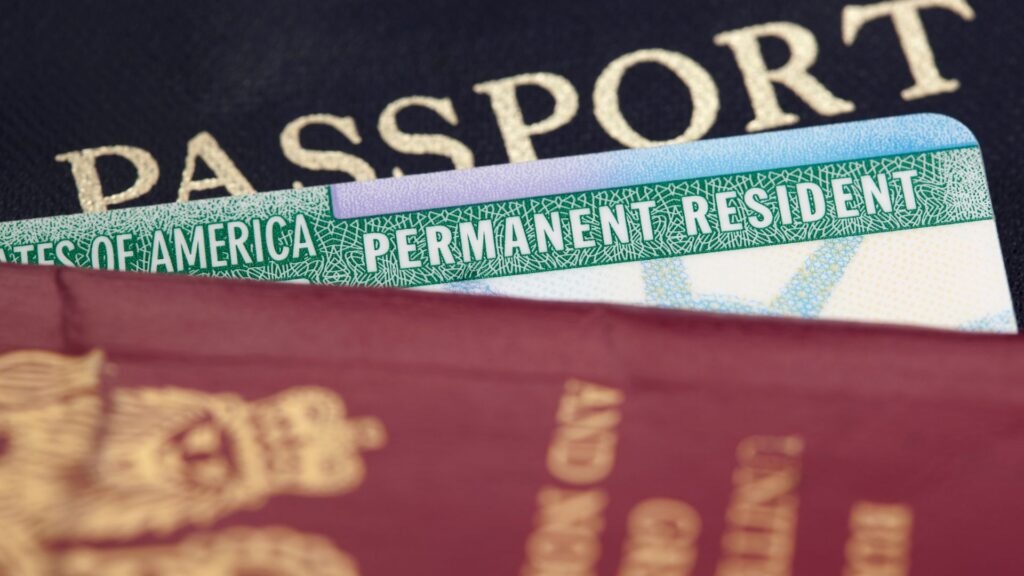
Your permanent resident history shapes the naturalization case long before the citizenship interview begins. USCIS may look at when the green card started, how the applicant obtained it, and whether any earlier immigration issue remains relevant. Marriage-based green cards, conditional residence, replacement cards, renewals, and old petitions may all create documents that should match the N-400. Applicants who changed names, moved often, divorced, remarried, or filed prior immigration requests need a complete record before applying. Naturalization works better when the history behind the green card receives attention first.
Conditional Residence and Prior Marriage Records
Applicants who received residence through marriage may need records showing the relationship history accurately. Divorce documents, removal of conditions filings, joint records, and prior interview details may become relevant during review. USCIS may ask questions when naturalization follows a complicated relationship timeline.
Green Card Dates and Filing Eligibility
The green card issue date controls when many applicants may file for naturalization. Filing too early can waste time, fees, and preparation effort. Eligibility should be confirmed before the application enters USCIS processing.
Background Issues That USCIS May Question
Good moral character review reaches beyond serious criminal convictions. USCIS may ask about arrests, dismissed charges, probation, traffic offenses involving alcohol, unpaid taxes, child support issues, selective service registration, or statements made to immigration officers. Some applicants believe an old or dismissed case no longer matters, but disclosure rules may still require accurate reporting. Missing information can damage credibility even when the underlying issue does not prevent citizenship. A complete background review reduces surprises during the interview.
Court Records That Need Certified Copies
USCIS may request certified dispositions for arrests, citations, or charges. Applicants should not rely on memory when court records contain precise outcomes and dates. Certified paperwork allows the officer to evaluate the issue without extended delay.
Tax and Support Issues Before Filing
Tax compliance and support obligations may affect good moral character questions. Payment plans, filing records, and proof of compliance can matter during review. Applicants should collect those records before interview scheduling begins.
Interview Risks Created by Weak Filing Preparation
A citizenship interview becomes harder when the officer must clarify basic application details. Incomplete travel history, vague work dates, inconsistent marital information, or missing court records can shift the interview away from normal eligibility questions. Applicants may know their own history well, yet still struggle when USCIS asks for exact dates, document explanations, or reasons behind earlier filings. Preparation before filing allows the applicant to understand the likely interview path and organize answers around documented facts. Stronger filing preparation creates fewer openings for confusion.
USCIS Questions Based on Personal History
Interview questions often come directly from the applicant’s own N-400 answers. Travel, employment, marriages, children, arrests, taxes, and prior immigration filings may all shape the officer’s focus. Applicants prepare more effectively when they know which answers need careful explanation.
Documents That Support Interview Testimony
Documents should reinforce the applicant’s answers rather than create new uncertainty. Passports, tax transcripts, court records, marriage documents, and prior immigration notices may all support testimony. Organized records make the interview less dependent on memory alone.
Interview Questions From the N-400 Application
USCIS officers usually build many interview questions from the exact answers written on Form N-400. Employment dates, addresses, marriages, children, travel, arrests, affiliations, and tax history may all receive follow-up questions. Applicants should understand why each answer appears the way it does, especially when the form includes older events or complicated timelines. A rushed review may leave someone unprepared to explain a true answer that still needs context. The interview becomes more manageable when the application feels familiar.
Spoken Answers That Match Written Records
Officers listen for answers that align with the application and supporting documents. A small wording change may create confusion when it changes the meaning of a past event. Applicants should practice explaining facts accurately without adding unnecessary details.
Dates That Officers May Compare Closely
Dates matter during naturalization because they connect residence, travel, employment, and eligibility. USCIS may compare testimony against passports, tax records, leases, or older immigration forms. Applicants should know the timeline before the interview begins.
Citizenship Test Preparation With Legal Facts
The English and civics test receives significant attention, but eligibility questions may carry greater risk for some applicants. A person may study every civics answer and still face problems if the officer questions travel history, moral character, or immigration records. Interview preparation should cover both the test requirements and the legal facts that USCIS may examine. Applicants who feel nervous may benefit from knowing the order of events, the types of questions asked, and the documents officers commonly request. Confidence grows when preparation reaches beyond memorization.
English Questions During the Interview
The officer may evaluate English ability through reading, writing, and ordinary conversation. Applicants should expect questions about the N-400 in addition to the formal test portion. Preparation should include both eligibility answers and basic interview communication.
Civics Study And Case Readiness
Civics study prepares applicants for one part of naturalization. Case readiness prepares them for questions about their own history. Both forms of preparation matter before the USCIS appointment.
Documents Officers May Ask To See
A naturalization interview may require documents that prove eligibility, identity, residence, family history, or good moral character. Applicants may need passports, green cards, state identification, tax transcripts, marriage records, divorce judgments, child support proof, court dispositions, or selective service records. The right documents depend on the applicant’s history, not a generic checklist. Missing paperwork may lead to a delay even when the applicant qualifies for citizenship. Strong interview preparation starts with building a document set around likely questions.
Records Connected To Family Changes
Marriage, divorce, name changes, children, and support obligations may become interview topics. USCIS may request official documents when family history affects eligibility or credibility. Applicants should bring records that match the information listed on the application.
Proof Connected To Residence And Travel
Residence documents can support continuous presence when travel history seems complicated. Passports, leases, employment records, and tax transcripts may clarify where the applicant lived. Organized proof reduces the chance of unnecessary follow-up requests.
Sensitive Issues That Require Careful Legal Answers
Some naturalization interviews become difficult because the applicant tries to avoid an uncomfortable topic. Prior arrests, unpaid taxes, long trips, immigration denials, selective service problems, or inaccurate past filings should receive legal review before the appointment. Honest answers still need careful organization because USCIS may ask why something happened and what records prove the outcome. An Arlington naturalization lawyer can prepare applicants for those moments without turning the interview into a guessing exercise. Difficult facts create fewer problems when the explanation stays accurate, documented, and direct.
Prior Arrests And Case Outcomes
USCIS may ask about arrests even when charges were dismissed. Certified court records give the officer the official outcome instead of leaving uncertainty. Applicants should understand what the record says before answering questions.
Past Immigration Filings And Denials
Older immigration filings may still appear in government records during naturalization. Prior denials, withdrawals, mistakes, or inconsistent statements may require explanation. Applicants should know that history before the officer raises it.
Citizenship Planning Before the Application Moves Forward
Some applicants should not begin with the form itself. They should begin with a review of eligibility dates, travel history, tax compliance, marriage records, criminal disclosures, and prior immigration activity. Faragalla Law looks for issues that may affect the timing or structure of the naturalization filing. That review may show that the applicant can proceed now, needs additional records, or should resolve a concern before submitting the case. Strong citizenship planning protects the applicant from filing before the record is ready.
Eligibility Review Built Around Your Record
Naturalization eligibility depends on facts that vary from person to person. Green card timing, residence history, physical presence, good moral character, and English or civics requirements may all require different preparation. A record-based review gives the applicant advice connected to real documents.
Timing Decisions Before Filing N-400
The filing date matters because early submission may cause avoidable problems. Some applicants qualify under a five-year rule, while others rely on a marriage-based three-year pathway. Timing should match the rule that applies to the applicant.
Arlington Applicants With Complicated Immigration Histories
Citizenship may require extra planning when earlier immigration records contain denials, renewals, petitions, removals of conditions, name changes, or inconsistent information. USCIS may compare the N-400 with records created years before the naturalization filing. Faragalla Law reviews those older filings so applicants understand what the government may already have in its file. That review matters when an applicant does not remember every date, answer, or document from earlier immigration steps. Old paperwork should not surprise someone during a citizenship interview.
Prior Filings That May Affect Citizenship Questions
Earlier immigration forms may contain answers that USCIS can compare against the naturalization application. Differences involving addresses, marriages, travel, employment, or family information may require explanation. Applicants should understand those differences before the officer raises them.
Records From Renewals And Replacement Cards
Green card renewals and replacement filings may contain details about identity, residence, and immigration history. Those records may look routine, yet they still become part of the applicant’s immigration file. Citizenship preparation should account for every prior filing.
Interview Preparation With Attorney-Led Review
Faragalla Law prepares applicants for the interview by focusing on the questions most likely to arise from their own record. A person with extended travel needs different preparation than someone with a dismissed arrest, unpaid taxes, or prior marriage-based residence. The attorney-led review connects the N-400 answers with the documents USCIS may examine during questioning. Applicants can then walk into the interview knowing which topics require direct and accurate explanation. Preparation becomes more useful when it reflects the applicant’s real case.
Questions Connected To Travel And Residence
Travel history may affect continuous residence and physical presence. Applicants should know which trips may draw attention and what records support their timeline. Interview answers should match passports, dates, and application entries.
Questions Connected To Good Moral Character
Good moral character review may include taxes, support obligations, arrests, citations, and truthful disclosures. Applicants should prepare accurate explanations supported by official records when needed. Direct answers reduce the risk of unnecessary confusion.
Legal Direction After USCIS Requests More Information
A naturalization case may continue after the interview when USCIS asks for more records or clarification. A request may involve tax transcripts, court dispositions, travel proof, marital records, selective service documentation, or updated identity documents. Faragalla Law reviews the request, identifies what USCIS is asking for, and organizes a response that addresses the issue directly. Applicants should not send incomplete explanations when the agency has already identified a concern. A focused response can protect the case from avoidable delay.
Document Requests After The Interview
USCIS may issue a request when the officer needs proof before making a decision. The requested documents should match the exact concern listed by the agency. Unrelated paperwork may distract from the issue that needs resolution.
Next Steps Before The Oath Ceremony
Approval is not always the final practical step. Applicants still need to attend the oath ceremony and confirm that no new issue affects eligibility. Final preparation keeps the process steady until citizenship becomes official.