












What Should Austin Couples Ask Before Hiring a K-1 Visa Lawyer
Before hiring an Austin K-1 visa lawyer, couples should ask how the attorney evaluates potential problems before filing Form I-129F. At Faragalla Law, Attorney Sam Faragalla reviews the broader immigration picture before a petition is filed, including prior visa applications, previous marriages, criminal history concerns, travel patterns, financial sponsorship requirements, and possible consular interview issues. These details can affect a case long before the interview stage.
Couples should also ask how the lawyer approaches relationship evidence. A strong K-1 petition requires more than forms. It requires evidence that clearly demonstrates a genuine relationship in a way USCIS and consular officers can evaluate. The type of evidence that works for one couple may not be enough for another.
Austin couples should also ask what kind of guidance they will receive after filing. With more than 27 years of immigration experience, Attorney Sam Faragalla helps couples identify potential concerns early, prepare supporting documentation, and understand what to expect as their case moves through the K-1 visa process.
Why Does Austin Planning Matter During a K-1 Visa Case
The K-1 visa process follows federal immigration law, but Austin planning still affects the couple’s next steps. Many couples focus so heavily on visa approval that they overlook what must happen after arrival in Texas.
Austin’s housing market, marriage procedures, work opportunities, and family plans can all affect the transition from fiancé visa holder to permanent resident applicant. Faragalla Law helps couples think past the first approval so they can prepare for marriage, adjustment of status, and practical life after entry.
What Complex Issues Can Affect Austin K-1 Visa Cases
Not every fiancé visa case follows a simple path. Some relationships involve prior immigration issues, limited visits, prior marriages, children, criminal history concerns, or cultural factors that require more careful preparation.
Couples with unusual facts should not assume their case is hopeless. They should also avoid filing without reviewing how those facts may appear to an immigration officer. Faragalla Law helps clients prepare stronger explanations and organize documents before those issues create delays.
How Can Austin Couples Prove a Real Engagement
A successful K-1 fiancé visa petition depends on far more than an engagement announcement or a collection of photographs. USCIS and consular officers want evidence that two people built a genuine relationship over time and both intend to marry within the required period after entry. Every document submitted should help tell that story.
Many Austin couples are surprised to learn that immigration officers review both the evidence and how the evidence fits together. A boarding pass may prove travel. A photograph may prove a meeting. When travel records, communication logs, family involvement, engagement details, and plans support one another, the petition becomes stronger.
Faragalla Law works with couples throughout Austin, Round Rock, Cedar Park, Pflugerville, Georgetown, and nearby communities to prepare K-1 fiancé visa petitions that document the relationship clearly. Strong organization at the start can help reduce delays, requests for evidence, and unnecessary questions later in the process.
Call an Austin K-1 Fiancé Visa Lawyer at Faragalla Law Today
Attorney Sam Faragalla helps couples review eligibility, organize proof, address possible concerns, and understand what happens after visa approval. Whether you live near Downtown Austin, South Austin, North Austin, The Domain, Round Rock, Cedar Park, or another Central Texas community, Faragalla Law has an office in Texas and can help you move forward with focused immigration guidance.
Do not wait until USCIS asks for more evidence or the interview date is already close. Speak with an Austin K-1 fiancé visa lawyer today by calling Faragalla Law at (800) 707-3038 or contact us to schedule a consultation and start preparing your fiancé visa case.
How Does the Attorney Review a K-1 Visa Case
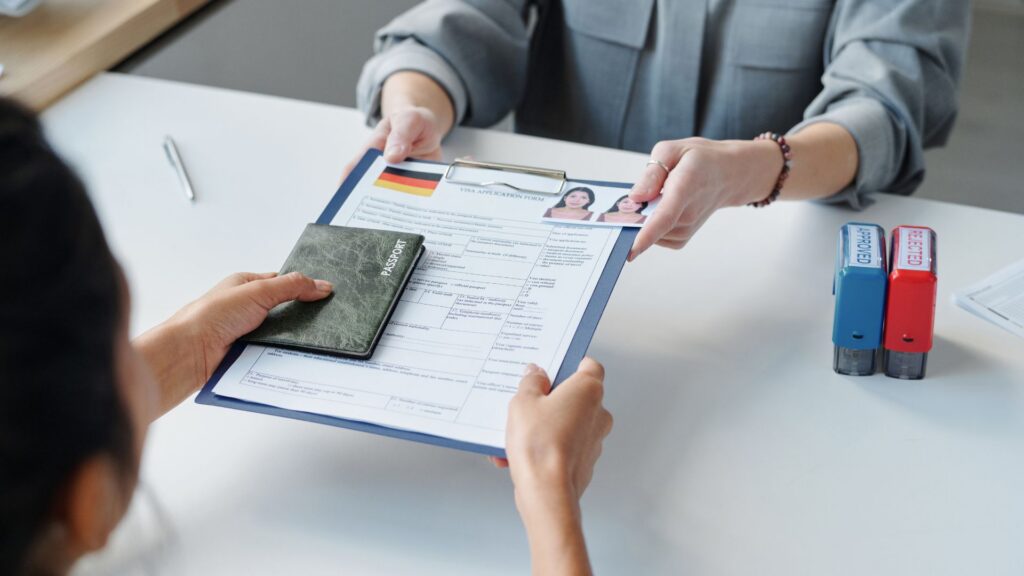
Many couples assume they can gather documents as the case moves forward. In reality, stronger K-1 visa petitions often begin with a full relationship review before filing. An Austin K-1 fiancé visa lawyer should learn when the couple met, how the relationship developed, how often they communicate, where they have traveled together, and what plans they have made for marriage.
This review can reveal issues that deserve attention before USCIS sees the petition. For example, passport stamps may not clearly show an in-person meeting. A couple may also need more proof to explain a long separation caused by work assignments, travel restrictions, or family obligations.
What Relationship Evidence Should Be Reviewed First
USCIS officers evaluate whether the relationship is genuine and whether both partners intend to marry within the required timeline. Evidence should support those points clearly and consistently.
Photos alone rarely carry the entire case. Strong fiancé visa petitions often include travel itineraries, hotel reservations, airline records, engagement evidence, communication records, family statements, and proof of ongoing contact. The goal is to create a timeline that shows a real relationship instead of scattered interactions.
Which K-1 Visa Red Flags Need Early Review
Certain facts do not automatically prevent approval, but they often receive closer review. Large age differences, short courtships, language barriers, prior immigration filings, earlier visa denials, and limited in-person meetings may need more explanation.
An Austin K-1 fiancé visa lawyer should identify these concerns before filing. Faragalla Law helps couples prepare supporting documents that explain the issue directly, instead of waiting for USCIS or the consulate to raise questions later.
How Should an Austin K-1 Fiancé Visa Lawyer Communicate
Couples often spend months apart while waiting for government processing. During that time, silence from a law firm can create more stress than the paperwork itself.
An Austin K-1 fiancé visa lawyer should explain what happens after filing, how receipt notices work, when USCIS reviews the petition, when the National Visa Center becomes involved, and how the consular interview stage works. Couples should know who will answer questions and how the office will share updates.
What Should Couples Expect During Processing Delays
Government timelines change, and online forums often create confusion. A case moving through one consulate may not follow the same pace as a case in another country.
An Austin K-1 fiancé visa lawyer should help clients set realistic expectations based on the current stage of the case, the counsel involved, and any facts that may require closer review. This helps couples make better decisions about wedding planning, travel, housing, and future relocation to Austin.
How Should an Austin K-1 Fiancé Visa Lawyer Handle a Request for Evidence
A Request for Evidence, often called an RFE, does not always mean the case is in trouble. It does mean the response must address every issue clearly.
When USCIS asks for more documents, the response should address the officer’s concerns without creating new confusion. Missing information or weak explanations can lead to longer delays. Strong preparation before filing often lowers the chance of an RFE.
How Do Couples Coordinate Immigration and Wedding Plans
The K-1 visa requires marriage within 90 days after the foreign fiancé enters the United States. Three months can pass quickly when a couple still needs to handle travel, housing, family schedules, and marriage paperwork.
Some couples choose a simple ceremony in Travis County before hosting a larger celebration later. Others schedule weddings near South Austin, West Lake Hills, Round Rock, Cedar Park, or Lake Travis. The wedding style can vary, but the immigration deadline remains the same.
What Texas Marriage Documents Matter After Arrival
After the ceremony, certified copies of the marriage certificate become important for the next immigration filing. This document helps support the adjustment of status application after the K-1 visa marriage.
Couples should understand where marriage records come from, how long certified copies may take, and how those records fit into the green card filing. A delay in getting documents can slow down the next stage.
How Can Couples Avoid the 90 Day Deadline Problem
Some couples wait until the final weeks of the 90 days before scheduling a ceremony. That creates unnecessary risk if travel delays, illness, venue problems, or record issues arise.
Planning early gives couples more breathing room. It also allows them to focus on settling into life together rather than rushing to satisfy an immigration deadline.
What Happens After Marriage on a K-1 Visa
The fiancé visa is not the final immigration step. After marriage, the foreign spouse generally applies for adjustment of status to become a lawful permanent resident.
Many couples are surprised by how much paperwork this stage involves. The green card application may require marriage evidence, financial sponsorship forms, medical documentation, identity records, and other supporting materials.
How Do Couples Show a Shared Life in Austin
Once married, couples should begin keeping records that show they live and make decisions together. Joint bank accounts, lease agreements, utility bills, insurance records, photos, and shared mail can help document the marriage.
An Austin K-1 fiancé visa lawyer can explain what documents may support the adjustment of status application. This helps couples avoid weak evidence after the wedding, especially if they have only lived together for a short time.
How Do Work Authorization and Travel Fit In
Many foreign spouses want to work or travel internationally after marriage. Immigration rules make this area important because leaving the United States too early can create problems.
Employment authorization and travel permission often require separate planning during adjustment of status. Faragalla Law helps couples understand how these filings work so they do not make decisions that disrupt the case.
How Do Limited Visits Affect a K-1 Visa Petition
International relationships often develop under travel limits. Employment obligations, military service, money concerns, school schedules, and visa restrictions can all affect how often couples meet in person.
USCIS may accept that couples have different circumstances, but officers still expect proof of a continuing relationship. Couples should show communication, travel efforts, family awareness, wedding plans, and ongoing commitment despite physical distance.
How Can Couples Prove a Long-Distance Relationship
Communication records often matter most when couples spend long periods apart. Text messages, video calls, emails, social media records, travel plans, and family conversations can help show continuity.
The strongest cases usually present evidence from the full relationship, not just the weeks before filing. This helps show that the couple stayed connected over time.
How Should Couples Explain Gaps in Travel
Periods without visits do not automatically hurt a case. The problem comes when the petition leaves those gaps unexplained.
Work obligations, denied visitor visas, family emergencies, financial limits, medical issues, or country-specific travel problems may explain why visits were limited. Supporting records can help officers understand the reason.
How Do Prior Immigration Issues Affect a Fiancé Visa
Some applicants have immigration histories that need careful review before filing. Prior visa denials, overstays, removal proceedings, or earlier family-based petitions may affect how officers review the current case.
Prior marriages also require documentation. Both partners must be legally free to marry before the K-1 visa can move forward.
What If the Foreign Fiancé Had a Prior Denial
A prior visa denial does not always block a K-1 visa. The reason for the denial matters.
An Austin K-1 fiancé visa lawyer should review old applications, refusal notices, consular notes when available, and any information the applicant previously gave the government. Inconsistent answers can create problems during the new review.
What Documents Should Be Fixed Before Filing
Missing divorce decrees, incomplete travel histories, unclear name changes, or inconsistent immigration records can slow down a case. These issues are easier to address before the petition is filed.
An Austin K-1 fiancé visa lawyer at Faragalla Law helps couples review documents before submission so the record starts cleaner. That preparation can reduce confusion later in the process.
What Evidence Shows a Genuine K-1 Visa Relationship
Immigration officers look for relationships that developed naturally over time. Evidence should show consistency, ongoing contact, and real involvement in each other’s lives.
Strong K-1 fiancé visa evidence often includes several document categories rather than one type of proof. A petition supported by travel records, communication history, photographs, engagement evidence, and witness statements usually gives officers a fuller picture than a petition built around photos alone.
How Do Travel Records Prove In-Person Meetings
The in-person meeting requirement is one of the most important parts of a K-1 fiancé visa case. Travel documentation often gives the clearest proof of when and where the couple spent time together.
What Documents Verify Time Spent Together
Travel evidence should show when the couple met, where they met, and how long they spent together. Passport stamps, airline itineraries, boarding passes, hotel confirmations, train tickets, rideshare receipts, and attraction tickets can help create a detailed record.
For example, if an Austin resident traveled to Bogotá for ten days, the petition may include flight confirmations, passport entry stamps, hotel records showing both names, photos from several locations, and receipts from activities completed together. When those records match the same trip, they give officers a stronger record to review.
Why Multiple Visits Can Strengthen the Petition
One qualifying meeting may satisfy the basic rule, but multiple visits often show a more developed relationship. Repeated travel can show continued commitment despite distance, cost, and scheduling barriers.
A couple that met abroad in 2022, reunited in 2023, became engaged in 2024, and visited again before filing can present a fuller history than a couple relying on one short trip. Each visit adds another point in the relationship timeline.
What Photos and Messages Prove in K-1 Visa Cases
Photographs and communication records help explain what happened between visits. They show how the couple stayed connected when they were not together. Many applicants submit too many similar photos. Officers often gain more from a smaller set that shows different stages of the relationship.
Photos work best when they show first meetings, family gatherings, holiday celebrations, engagement events, visits with friends, travel experiences, and ordinary time together. Dates, locations, and short descriptions help officers understand why each photo matters.
Which Communication Records Matter Most
Communication evidence should show regular contact over time. Couples often communicate through WhatsApp, FaceTime, Telegram, Facebook Messenger, Signal, email, text messaging, and video calls.
Many petitions benefit from representative samples from different periods of the relationship. These records may show travel planning, family events, wedding discussions, daily life, and future goals. Steady communication over months or years often carries more value than a large set of messages from one short period.
How Do Shared Experiences Support the Case
Relationships involve more than conversations. Shared experiences can show emotional investment and long-term planning.
Joint travel plans, engagement celebrations, gift exchanges, family introductions, vacation planning, and housing discussions can help prove the relationship goes beyond casual contact. These details help turn documents into a relationship history officers can follow.
How Do Wedding Plans Support an Austin Fiancé Visa Case
The K-1 fiancé visa exists for couples who genuinely intend to marry. Wedding planning evidence can help prove that intent.
The government does not expect every wedding detail to be final before visa approval. Still, evidence of active planning can support the credibility of the petition.
How Do Couples Prove the 90 Day Marriage Plan
The foreign fiancé must marry the U.S. citizen petitioner within 90 days of entering the United States on a K-1 fiancé visa. Officers often look for signs that the couple understands this requirement. Wedding planning records may include venue inquiries, deposits, messages with officiants, guest planning discussions, courthouse scheduling research, catering emails, and family travel arrangements.
A couple planning a ceremony in Austin may have emails with local venues, messages about Travis County marriage procedures, or conversations with relatives arranging travel from overseas. These records help show that marriage plans are real.
Why Small Weddings Can Still Be Credible
Many couples worry that a modest wedding may look less convincing than a large celebration. Officers usually focus on sincerity rather than cost. A courthouse ceremony followed by dinner with family in Austin can support the case when the records are clear. What matters is proof that both partners intend to marry after arrival.
How Do Family Plans Support Life in Austin
Family awareness can strengthen a K-1 fiancé visa petition because serious relationships often become known to relatives and close friends. Officers may consider how both families learned about the engagement and plans. Statements from people who know the couple should include specific details. The writer should explain how they know the couple, when they learned about the relationship, what interactions they witnessed, and why they believe the engagement is real.
Detailed statements usually carry more value than generic letters. A short letter with specific dates, meetings, and observations often helps more than a long letter with broad praise.
How Can Couples Show Married Life Plans
Future planning often shows whether a couple has seriously discussed life after marriage. Officers may consider records showing conversations about housing, employment, finances, education, and family goals.
For example, a couple may discuss living in South Austin after marriage, researching adjustment of status, planning transportation, or preparing for future work authorization. Those discussions help show that both partners are preparing for a shared life, not just a visa approval.
What Red Flags Can Affect a K-1 Visa Petition
Some circumstances naturally draw closer review. A red flag does not automatically lead to denial, but it often requires stronger documents and clearer explanations.
Reviewing concerns before filing allows couples to address them directly. Faragalla Law helps clients prepare these explanations before the government asks for them.
How Do Limited Visits or Short Engagements Affect Review
Some real couples face financial, employment, military, educational, or family barriers that limit travel. Officers may understand these realities, but they still expect documents explaining the circumstances.
How Can Couples Explain Limited Contact
When visits are limited, couples should document everything surrounding those meetings. Communication records, travel planning, family introductions, engagement proof, wedding preparation, and financial records related to visits can help show that the relationship continued to grow.
Why Fast Engagements Need More Context
Some couples become engaged quickly. That fact alone does not make the case weak, but it may raise questions.
The petition should explain how the relationship developed, how often the couple communicated, how families became involved, and why the engagement happened when it did. Context often matters more than the length of the courtship.
How Do Prior Visa Denials Affect K-1 Review
Consular officers often have access to prior immigration records. Information from earlier applications may be compared against the current filing.
If a foreign fiancé previously applied for a tourist visa, student visa, or work visa, the current petition should remain consistent with prior answers whenever possible. Discrepancies can create avoidable questions.
How Should Overstays and Immigration Violations Be Reviewed
Past immigration violations may affect eligibility and should be reviewed before filing Form I-129F. Prior overstays, removal proceedings, alleged misrepresentation, previous refusals, or unlawful presence concerns may require legal analysis.
Addressing these issues early can help couples avoid surprises later. An Austin K- 1 fiancé visa lawyer can review these records before the petition moves forward.
How Do Language and Cultural Differences Affect Evidence
International relationships often involve different languages, customs, and family expectations. These facts do not create problems by themselves, but officers may ask how the couple communicates and maintains the relationship. Couples who use translation tools, bilingual family members, language learning, or multilingual conversations should explain how communication works.
Evidence may include translated messages, language study records, video call histories, or examples showing meaningful interaction despite language differences. The goal is to show that the couple understands each other and makes decisions together.
How Can Cultural Traditions Explain Engagement Customs
Engagement customs vary from country to country. Some families expect formal introductions before engagement. Others use religious ceremonies, family negotiations, or traditional celebrations.
Explaining cultural practices can help officers understand the relationship timeline. It can also prevent normal cultural differences from looking unusual in the file.
How Does Faragalla Law Build Strong Engagement Proof
Preparing a K-1 fiancé visa petition involves more than collecting documents. The evidence must work together and show how the relationship developed.
Faragalla Law helps Austin couples identify strengths, address gaps, and organize supporting materials so officers can review the relationship without confusion. Couples searching for an Austin K -1 fiancé visa lawyer often need this level of structure before filing.
How Does Evidence Organization Improve a Petition
Strong evidence can lose value when it appears out of order. Officers review large volumes of applications, so a clean presentation can make the case easier to evaluate.
How Does a Relationship Timeline Help
A relationship timeline may include the first meeting, first visit, major trips, family introductions, engagement date, wedding planning milestones, and future marriage plans. When supporting records match timeline events, the petition becomes easier to follow.
How Can Couples Find Missing Documents
Many couples discover gaps only after reviewing the relationship by date. For example, a couple may have strong communication records but weak proof of one important trip.
Finding those gaps before filing gives couples time to gather records. This can prevent a stronger case from looking incomplete.
How Should Couples Prepare for Consular Review
USCIS approval is only one stage of the K-1 fiancé visa process. The foreign fiancé must still attend a consular interview before receiving the visa. Consular officers often ask how the couple met, when visits happened, how families became involved, where the couple will live, and what wedding plans exist.
Applicants should know their relationship history and review the documents submitted. Honest answers matter, but consistency matters too.
Why Do Consistent Answers Matter at Interviews
Interview problems often begin with inconsistent dates, locations, travel details, or relationship facts. Even small mismatches can lead to more questions. Austin K -1 fiancé visa lawyer, Faragalla Law helps couples review the case before the interview, so the applicant understands the evidence submitted. This preparation can reduce confusion and help the couple stay focused on the next step toward marriage and permanent residence in the United States.