


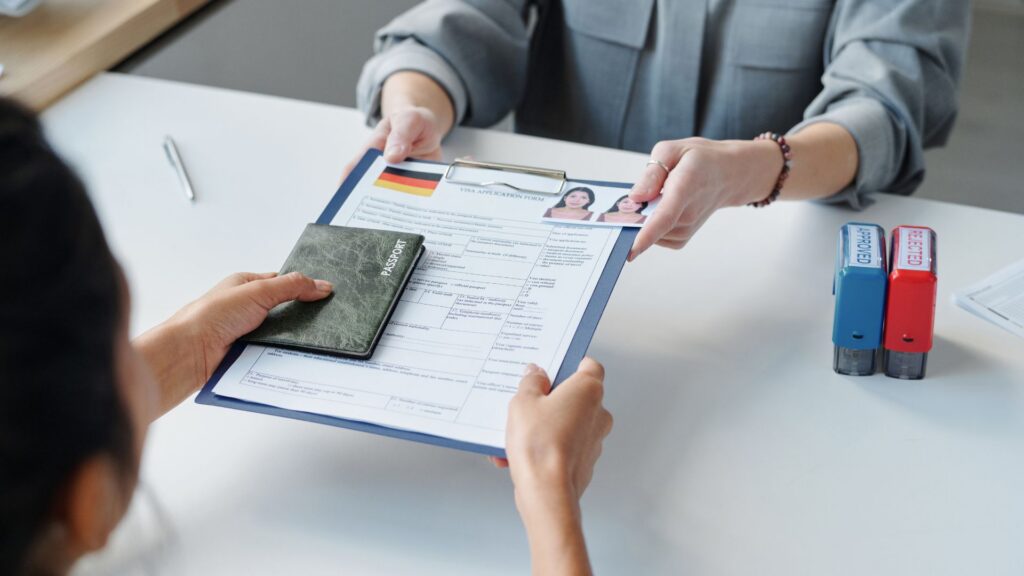











You cannot renew an I-94 the way you renew a passport. To stay longer, most temporary visitors must ask U.S. Citizenship and Immigration Services (USCIS) to extend their stay before the date on the I-94 passes. Visitors and many family members file Form I-539, and employers file Form I-129 for many temporary workers.
The I-94 is the arrival and departure record that U.S. Customs and Border Protection (CBP) creates when it admits a nonimmigrant, meaning someone in the country on a temporary basis. It shows your class of admission and your admit-until date. It also serves as evidence of lawful admission and immigration status.
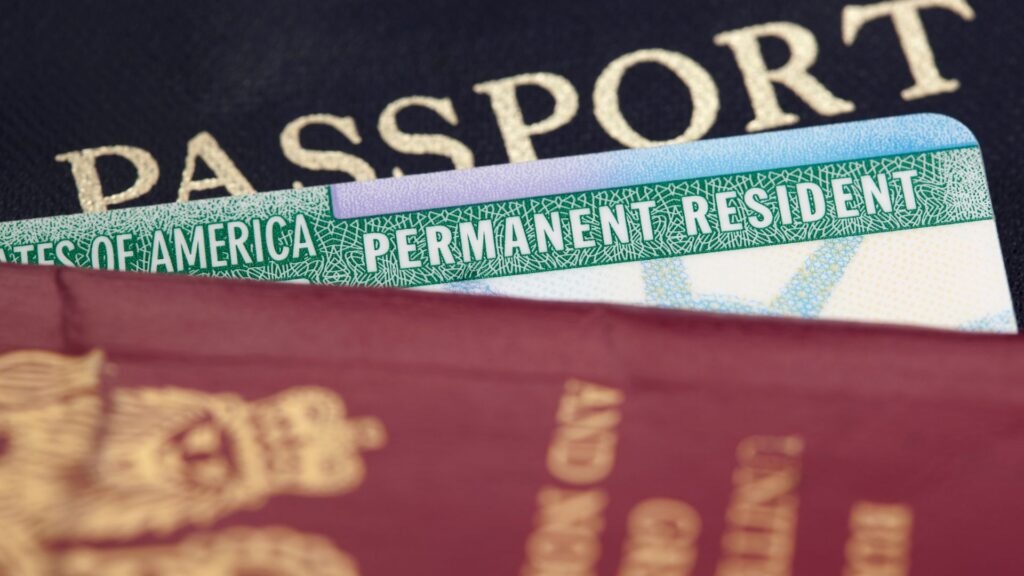
The question applies only to people in temporary status. Lawful permanent residents, or green card holders, have the privilege of living in the United States permanently. No I-94 date limits their stay. Some temporary visitors cannot extend at all, including Visa Waiver Program travelers and K-1 fiancés.
Who Can Extend an I-94 Through USCIS
A nonimmigrant who wants to stay past the authorized period must file an extension request under federal rules. The request needs fees, evidence and any required biometrics. Visitors in B-1 or B-2 status usually file Form I-539. Family members in the same status may file together, and USCIS gives every member the same period.
Temporary workers follow a different path. For categories such as H-1B, L-1, O-1, TN and E-2, the sponsoring employer generally files Form I-129 to extend the worker’s stay. A spouse or child generally files Form I-539 unless the petition form allows their inclusion.
Students and exchange visitors have their own rules. In July 2026, the Department of Homeland Security (DHS) published a final rule to change how long F, J and I nonimmigrants may stay and how they request more time. Whether and when those changes apply has been in flux, so a student should confirm the current process with the designated school official before the program end date.
Consider a tourist from Colombia on a B-2 visa whose mother in El Paso needs surgery. Before her I-94 date passes, she could file Form I-539 with medical records showing why she needs more time. USCIS decides the request in its discretion, and she could not appeal a denial. Faragalla Law can review your status and explain your options through its immigration services.
Who Cannot Renew an I-94 by Filing an Extension
Federal rules bar several groups from extending their stay. They include Visa Waiver Program visitors, crew members in D status and travelers in transit in C status. K-1 fiancés and their K-2 children cannot extend either. The same bar covers travelers who entered under the Guam-CNMI Visa Waiver Program.
A K-1 fiancé has a different next step. Federal law expects the couple to marry within 90 days after the fiancé arrives. After the wedding, the foreign spouse may seek a green card through K-1 adjustment of status. That process lets the spouse apply for permanent residence without leaving the country.
A Visa Waiver Program visitor has no extension option through USCIS. If an emergency prevents a timely departure, the government may grant up to 30 days of satisfactory departure in its discretion. Leaving within that period counts as completing the visit without an overstay.
How to Check Your I-94 Date and What Happens If You Overstay
Start by checking your record. CBP’s I-94 website lets you pull up your most recent I-94, including your class of admission and admit-until date. The expiration date on your visa does not show how long you may stay, so rely on the I-94 date instead.
File any extension before that date passes. USCIS may excuse a late filing only in its discretion, and only when extraordinary circumstances beyond your control caused the delay. You must also show, among other things, that you did not otherwise violate your status and remain a genuine nonimmigrant.
Staying past the admit-until date can create unlawful presence, meaning time in the country after your authorized stay ends. A person with more than 180 days but less than one year of unlawful presence faces a 3-year bar after leaving. Unlawful presence of one year or more leads to a 10-year bar, and both bars have limited exceptions. An overstay also voids the visa in your passport.
Leaving and coming back creates a new admission, not a renewal. At each port of entry, an immigration officer decides whether to let you in and how long you can stay. Take a Visa Waiver visitor who spends a weekend in Mexico. An officer may readmit that visitor only for the rest of the original admission period.
Official Sources on I-94 Records and Extensions of Stay
CBP’s I-94 website lets nonimmigrants retrieve their most recent I-94 and travel history. The State Department explains what the visa expiration date means and why it differs from your authorized stay. It also says to apply to USCIS before your authorized stay expires.
Federal regulation 8 CFR 214.1 sets out who files Form I-129 or an extension request. It also lists the groups that cannot extend and explains when USCIS may excuse a late filing.
Plan Your Next Step With a Houston Immigration Lawyer
The right way to stay longer depends on how you entered and what status you hold. Faragalla Law can review your I-94, visa and travel history and explain whether you can extend, change status or pursue another option.
To set up a free consultation, call (800) 707-3038 while your current stay is still valid. Faragalla Law, which serves clients across Texas, meets with each client remotely.
Message the firm online with the admit-until date on your I-94, and it can explain whether you can renew an I-94 through a USCIS extension.