







No rule sets a fixed wait for a green card after biometrics. At the appointment, U.S. Citizenship and Immigration Services (USCIS) collects your fingerprints, photograph or signature. It uses them to confirm your identity and run required background and security checks.
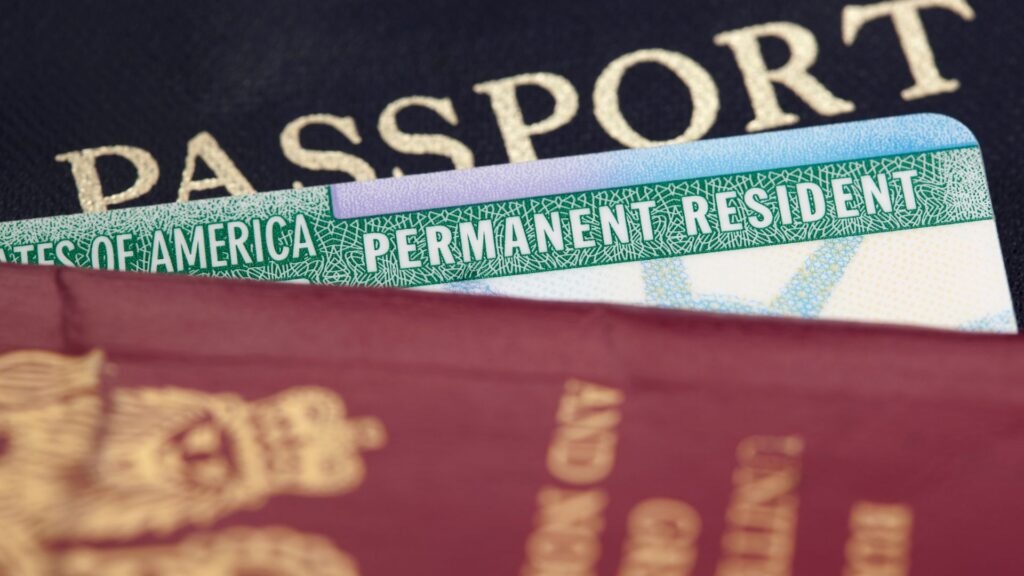
The rest of the timeline depends on your form, your office and what the officer still needs. Someone applying for adjustment of status, which means seeking a green card from inside the United States, may still have an interview ahead. When a permanent resident, or green card holder, files Form I-90 to renew a card, USCIS also uses the biometrics to produce the new card.
For current ranges, the USCIS processing times tool shows how long each office is taking with each form. USCIS updates it around the 15th of each month. Faragalla Law reviews stalled renewals and other slow cases through its green card renewal delay practice.
What Happens After Your Biometrics Appointment
USCIS runs your biometrics through background and security checks tied to your identity. Once the checks come back, an officer reviews your file.
The officer may approve the case, schedule an interview or deny it. Another option is a Request for Evidence (RFE), a notice asking for more documents. Federal rules call for an interview of each adjustment applicant, but USCIS may waive it in some cases.
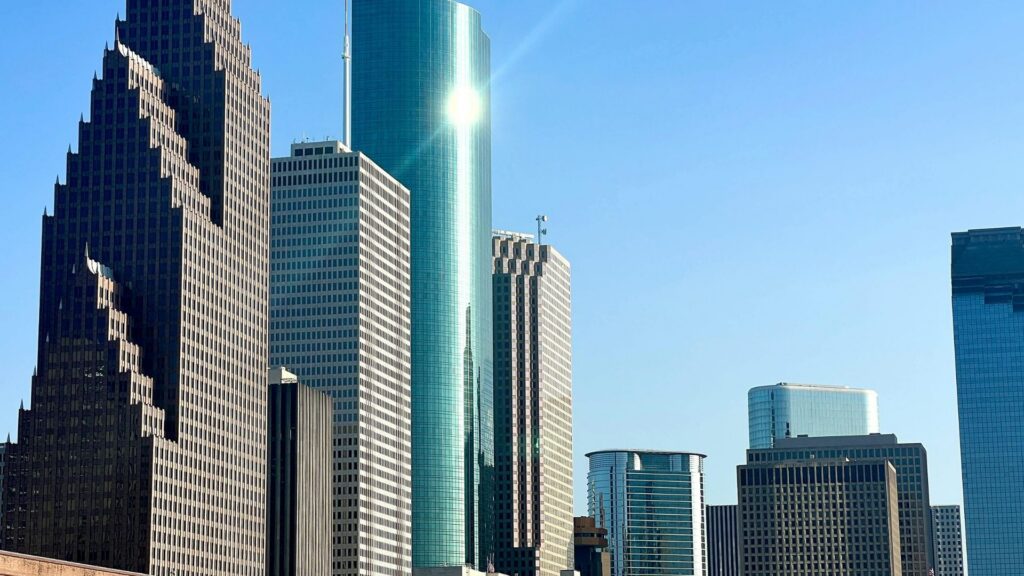
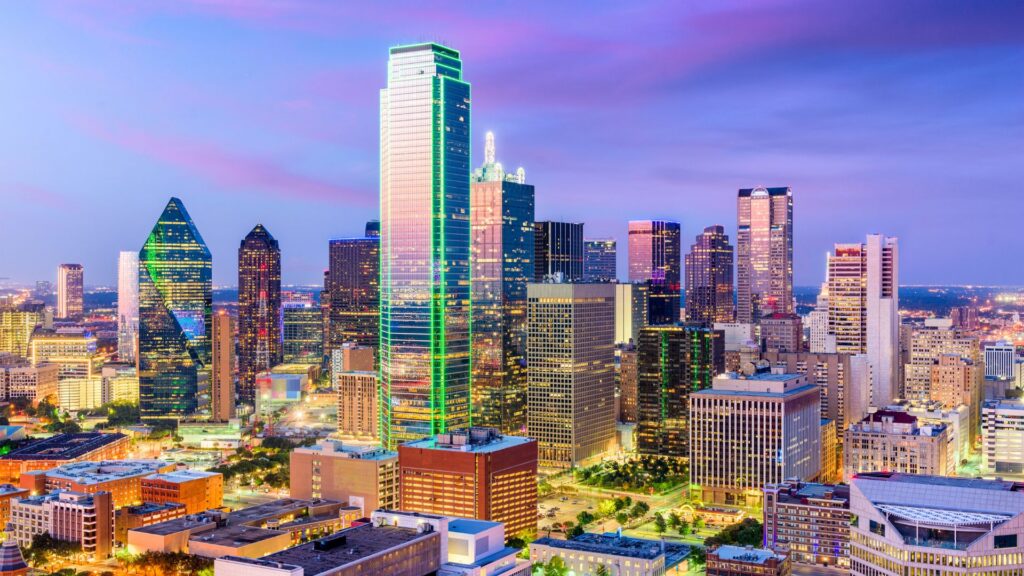
Consider a permanent resident in Dallas who files Form I-90 because her card will expire soon. USCIS uses her biometrics to produce the replacement card if it approves the renewal. A spouse seeking adjustment in Houston, by contrast, may still face an interview before any decision. Faragalla Law helps couples get ready for that meeting through its marriage green card interview preparation.
What Can Delay a Green Card After Biometrics?
An RFE can pause a case. Federal rules suspend USCIS processing time limits on the date it requests more evidence. The clock resumes at the same point once USCIS receives your response. A related answer covers what happens after an RFE response.
A missed notice can also stall a case. Most noncitizens in the United States must report a new address within 10 days, and USCIS accepts the change online or on Form AR-11. If you move and USCIS mails an interview notice to your old address, you could miss the appointment.
When someone skips a required interview, USCIS treats the application as abandoned and denies it. USCIS can excuse the absence if it received a change of address or rescheduling request before the appointment.
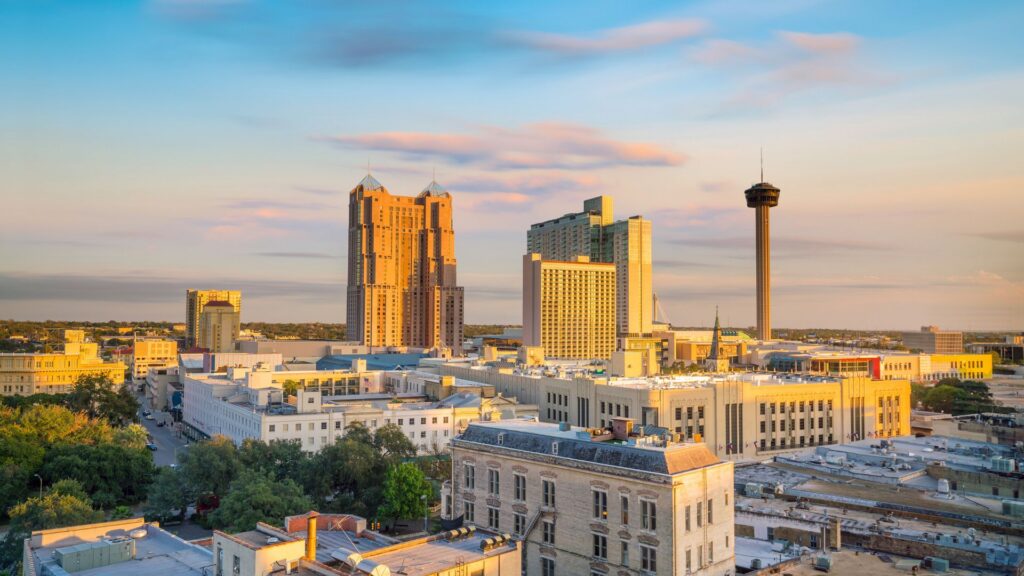
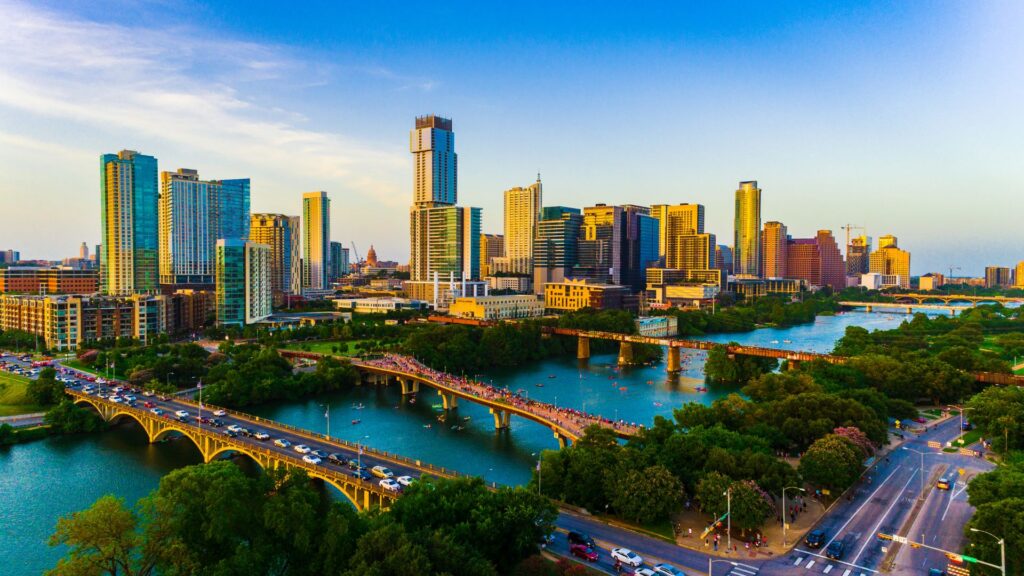
Picture a man who entered on a K-1 fiancé visa and married in San Antonio. After biometrics, he moves to Austin for a new job. If he never updates his address, an interview notice could go to the old apartment.
Security reviews can also hold a case. Federal rules let USCIS withhold a decision during certain investigations tied to eligibility or discretion. USCIS must then review that hold at set intervals.
How to Check Your Case Status After Biometrics
Start with USCIS Case Status Online. Enter the 13-character receipt number printed on your USCIS notice to look up your case.
Next, open the USCIS processing times tool and select your form and the office handling your case. The tool shows how long that office is taking, starting from the date USCIS received each case. It also lists a Case Inquiry Date. If your receipt date falls before that date, you can submit an outside normal processing time service request online.
Keep every notice USCIS sends and answer any request by its deadline. Some cases stay outside normal processing times even after a service request. A lawyer can then review the file for a missing response, an address problem or another issue.
Official USCIS Sources on Biometrics and Processing Times
USCIS explains what to bring, how to reschedule and how it uses your biometrics on its page about preparing for your biometric services appointment. Its case processing times tool shows current ranges by form and office, along with the Case Inquiry Date.
For the rules themselves, federal regulation 8 CFR 103.2 covers biometrics and interview appointments, RFE deadlines, missed appointments and decisions withheld during an investigation.
Talk With a Houston Immigration Lawyer About a Delayed Green Card
A long wait for a green card after biometrics can come from an unanswered request, a missed notice or a slow office. Faragalla Law can review your receipt notices and USCIS letters and explain what may be holding your case.
Reach Faragalla Law at (800) 707-3038 and ask for a free consultation about your wait since biometrics. Every consultation happens remotely, wherever in Texas you live.
Prefer writing? Send the firm a message with your form type and receipt date.