











What K-1 Visa Petition Evidence Should Show About the Relationship

K-1 visa evidence should show how an engaged couple reached the point of planning marriage in the United States. The petition needs more than photos or a short statement because USCIS reviews the required in-person meeting, the relationship timeline, the legal ability to marry, and the intent to marry after entry. Faragalla Law's Arlington K-1 fiancé visa lawyer can examine whether travel records, engagement details, family involvement, civil documents, and written statements support the same timeline. Evidence should answer the questions USCIS must evaluate instead of simply proving that the couple cares about each other. A stronger petition gives the relationship history a structure the government can follow.
Some couples have frequent travel records and family photos, while others have fewer visits because of cost, distance, work schedules, or consular limitations. The filing should explain the relationship through the records that actually exist, not through an evidence pattern copied from another couple. USCIS may review whether the couple met in person, whether both people are free to marry, and whether the future marriage plan appears realistic. Each document should connect to one of those points. A petition becomes easier to review when the evidence has a defined purpose.
Why Consular Preparation Should Start Before the Interview Notice
Consular preparation should begin before an interview notice arrives because the foreign fiancé may need records, forms, medical steps, and relationship details ready within a limited window. The petition creates the first record, but the consular stage asks the applicant to confirm identity, eligibility, prior history, and intent to marry through a separate review process. An Arlington K-1 fiancé visa lawyer can examine whether the submitted petition, civil documents, travel proof, and future marriage plans remain consistent before the appointment becomes urgent. Waiting until the interview is scheduled may leave too little time to gather police certificates, correct civil records, review DS-160 answers, or prepare for questions about the relationship. Early consular preparation gives the case a steadier path into the next stage.
The U.S. citizen petitioner and foreign fiancé also need a shared understanding of what the consular officer may review. Questions may involve the in-person meeting, engagement timeline, family awareness, wedding expectations, prior marriages, immigration history, and plans after entry into the United States. The foreign fiancé should not have to rely on memory when the filed petition already contains dates, statements, and supporting records. A case becomes easier to discuss when both people know what was submitted and why those records matter. Consular preparation protects the couple from entering the interview stage with unfinished documents or unclear answers.
How Faragalla Law Organizes Arlington Fiancé Visa Cases Before USCIS Review

Faragalla Law organizes fiancé visa cases by looking at the relationship record before the petition becomes official. Travel proof, meeting details, engagement history, prior marriage records, identity documents, and intent statements each need to support the same K-1 visa request. Arlington couples may have strong relationship facts, but those facts still need structure before USCIS and the consulate review the case. The firm prepares the filing so the evidence explains the couple’s timeline instead of leaving important events scattered across the packet. An Arlington K-1 fiancé visa lawyer can help build the case around records that are accurate, specific, and easier to follow.
Fiancé visa planning also needs to account for what happens after the first petition. Consular forms, civil documents, interview preparation, entry timing, the 90-day marriage requirement, and later green card planning may all connect back to the original filing. Faragalla Law reviews those stages together so couples understand how early answers may appear again later. That approach keeps the case focused on the couple’s actual path toward marriage in the United States. Better organization before filing can reduce confusion when the case moves into later review.
Call Our Arlington K-1 Fiancé Visa Lawyer at Faragalla Law Today for Help
The K-1 process asks couples to think beyond the visa petition itself. Meeting evidence, civil records, consular forms, interview questions, and the 90-day marriage rule should all point toward the same future plan. Faragalla Law works with Arlington couples to shape those pieces into a filing that feels organized before the case advances. An Arlington K-1 fiancé visa lawyer can help make each stage easier to understand before pressure builds.
A fiancé visa case becomes easier to handle when both partners know what belongs in the record and what may come next. Faragalla Law can review the petition history, interview documents, and post-entry steps with the attention this process deserves. The goal is to prepare the case around the relationship timeline. Call Faragalla Law at (800) 707-3038 or visit our contact page today to discuss your Arlington K-1 fiancé visa case.
Proof of the Required In-Person Meeting
The in-person meeting requirement is one of the most important parts of a K-1 visa petition. USCIS usually expects evidence showing that the couple met within the required period before filing. Travel records, passport stamps, flight confirmations, hotel records, photographs, and dated messages may help establish when and where the meeting happened. The evidence should connect the visit to the couple’s relationship timeline instead of appearing as separate travel documents. Strong meeting proof makes the petition easier to evaluate.
Travel Records That Confirm the Visit
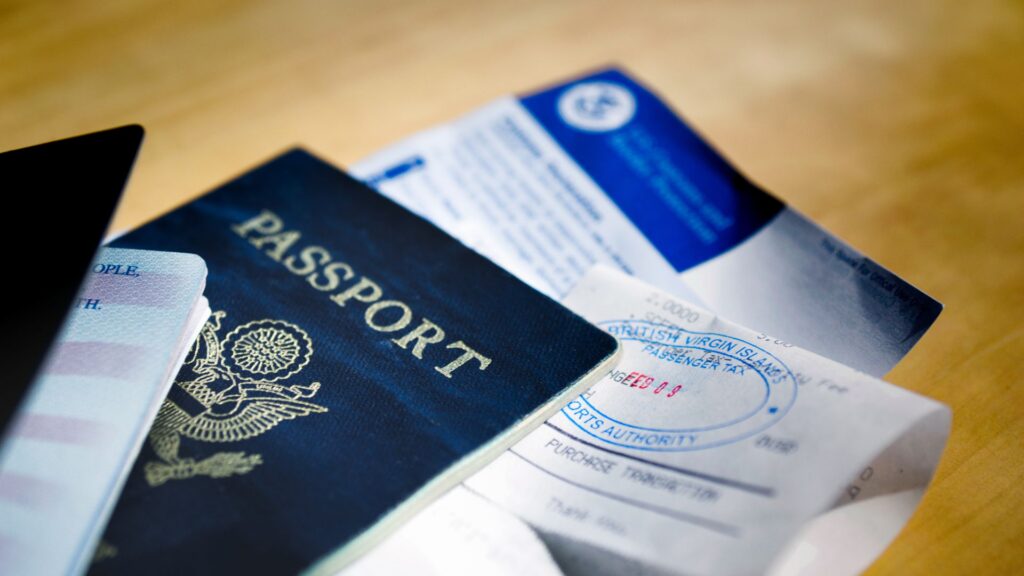
Passport stamps and flight records can show travel dates, entry locations, and the timing of the couple’s visit. These records should match the dates described in the petition and supporting statements. Matching travel proof helps USCIS confirm the in-person meeting without unnecessary confusion.
Photographs Connected to Documented Time Together
Photos should connect to visits supported by travel records or other dated proof. Captions, locations, family context, and event details can make photographs more useful. Photos work best when they support the documented meeting history instead of standing alone.
Relationship Timeline Before the K-1 Engagement
The relationship timeline should explain how the couple moved from first contact to engagement. USCIS may review communication history, travel, family involvement, proposal details, and plans for marriage after entry. A timeline helps the officer understand the relationship as a sequence of real events rather than a collection of unrelated documents. The petition should avoid vague statements that leave important dates or transitions unclear. Clear timeline evidence gives the relationship record better direction.
Dated Communication Records That Show Continuity
Communication records can support the relationship timeline when they show ongoing contact across meaningful periods. Messages, call logs, emails, and video call records should be selected carefully instead of being included in overwhelming volume. Dated examples help show continuity without making the petition difficult to review.
Engagement Details and Family Awareness of the Relationship
Engagement details may include proposal timing, family discussions, celebrations, photographs, or written statements. Family awareness can add context when relatives attended events or knew about marriage plans. These details help explain the relationship beyond private communication.
Legal Ability to Marry After Visa Approval
A K-1 petition must show that both people are legally able to marry. Prior marriages, divorce decrees, annulment records, death certificates, and name-change documents may need careful review before filing. Missing or unclear civil records can create questions even when the relationship evidence is strong. The petition should make marital history easy to understand. Proper documentation helps USCIS confirm that the couple can legally marry after entry.
Records Showing Prior Marriages Legally Ended
Prior marriage termination records should clearly show that earlier marriages ended before the K-1 petition was filed. Divorce decrees, annulment documents, or death certificates should include names, dates, and final orders. Complete records help prevent eligibility questions tied to marital history.
Name Change Documents That Connect Identity Records
Name changes after divorce or prior marriage can affect identity review. Passports, divorce records, birth certificates, and petition forms should connect the same person across different names. Organized name-change proof helps prevent identity confusion during USCIS review.
Intent to Marry Within the Required Timeframe
Intent to marry should be supported by practical records and consistent statements. USCIS may review written intent letters, engagement details, future living plans, family involvement, and wedding discussions to decide whether the couple plans to marry after entry. The petition does not need a fully finished wedding plan, but it should show a realistic commitment to marry within the required period. Vague statements can make the plan harder to understand. Specific intent evidence gives the petition more credibility.
Written Intent Statements From Both Fiancés
Written intent statements should clearly confirm the couple’s plan to marry after the foreign fiancé enters the United States. The statements should match the relationship timeline, engagement details, and future plans described elsewhere in the petition. Consistent statements help USCIS understand the purpose of the K-1 filing.
Practical Plans After Entry Into the United States
Post-entry planning details may include housing expectations, family discussions, wedding timing, and preparation for the 90-day marriage requirement. These details should feel realistic and connected to the couple’s actual plans. Practical planning helps support the intent to marry after arrival.
Civil Documents Needed Before the Interview
Civil documents should be gathered early because some records take time to request, replace, translate, or correct. The foreign fiancé may need a passport, birth certificate, police certificate, divorce decree, death certificate, name-change record, or other country-specific document before the interview. These records should match the petition and visa forms so identity, marital history, and eligibility remain consistent throughout the case. Missing civil documents may delay visa processing even when the relationship proof is strong. Early document review gives the applicant more time to resolve issues before the interview date approaches.
Police Certificates From Required Locations
Police certificate requirements may depend on where the foreign fiancé has lived and for how long. The applicant should confirm which locations require records before the interview notice creates pressure. Gathering the correct certificates early helps prevent avoidable delays after the appointment.
Translations for Foreign Civil Records
Foreign-language documents should include complete English translations that preserve names, dates, places, stamps, and legal details. A partial or inaccurate translation may leave the consular officer without information needed for review. Proper translation preparation helps the record stay complete and easier to understand.
DS-160 Answers and Petition Consistency
The DS-160 becomes part of the consular record, so its answers should be checked against the I-129F petition before submission. Identity details, addresses, prior travel, employment history, prior marriages, and security answers should be completed carefully. Differences between the DS-160 and the petition may create questions even when the discrepancy comes from a simple mistake. The foreign fiancé should use records rather than estimates when answering detailed questions. Consistent answers give the consular stage a stronger starting point.
Identity and Address Details on Visa Forms
Identity and address details should match passports, civil records, prior applications, and the original petition whenever possible. Names, birth dates, prior surnames, and residence history deserve careful review before the DS-160 is submitted. Accurate form answers reduce confusion during consular processing.
Prior Travel and Background Questions
Prior travel and background questions should be answered with careful attention to the applicant’s actual history. Old visas, previous entries, employment details, and security-related answers may affect how the officer reviews the case. Reviewing those answers early helps the applicant avoid mistakes caused by memory alone.
Medical Exam Requirements Before Consular Review
The medical exam is a required part of the fiancé visa process, and the applicant must follow the consulate’s instructions closely. The foreign fiancé may need vaccination records, passport information, appointment confirmations, and forms required by the approved panel physician. Medical timing matters because the exam should fit the interview schedule without leaving the applicant scrambling for records at the last moment. The exam process may also require country-specific instructions that should be reviewed before scheduling. Organized medical preparation helps the applicant approach the interview stage with fewer document problems.
Approved Panel Physician Instructions
The medical exam generally must be completed through a consulate-approved panel physician. Applicants should review provider instructions, required identification, vaccination records, and appointment timing before attending. Following the correct instructions helps avoid processing problems tied to an incomplete medical exam.
Vaccination and Exam Records
Vaccination and exam records may affect whether the medical step is completed properly before the interview. Applicants should gather available medical history and understand what the panel physician may require. Preparing these records early reduces stress near the appointment date.
Interview Questions About the Relationship
The consular interview may include questions about how the couple met, how the engagement developed, and what plans exist after entry. The foreign fiancé should understand the relationship timeline submitted with the petition, including visits, family involvement, engagement details, and written intent statements. Interview preparation should not create rehearsed answers because officers expect truthful explanations grounded in the actual relationship. The better goal is familiarity with the record and comfort in explaining the couple’s plans. Strong preparation helps the applicant answer clearly without sounding uncertain or disconnected from the filing.
Meeting Timeline and Engagement Details
The meeting timeline should feel familiar before the interview begins. Travel dates, locations, proposal details, family involvement, and photographs may all become discussion points during consular questioning. Reviewing those details helps the applicant answer from the record instead of guessing.
Housing and Marriage Plans After Entry
Housing and marriage plans may show how the couple expects to begin life together after entry. The applicant should understand where the couple plans to live, how wedding timing may work, and what steps follow the marriage. Practical answers help support the intent behind the K-1 visa.
Petition Evidence Organized Around the Relationship Timeline
Faragalla Law reviews the couple’s relationship timeline before deciding how the K-1 petition should be assembled. Meeting dates, travel records, communication history, engagement details, and family involvement should appear in an order that USCIS can follow. The firm looks for gaps, unclear dates, or unsupported statements before the petition becomes part of the official record. This timeline-based review helps the filing explain how the relationship developed and why the couple intends to marry after entry. Strong organization gives the petition a more reliable structure from the beginning.
Meeting Proof Should Match Travel Records
Meeting proof should show when and where the couple spent time together in person. Faragalla Law reviews passport stamps, flight records, photographs, hotel records, and visit details for consistency. Matching records helps prevent avoidable questions about the required meeting.
Engagement Details Should Support Intent
Engagement details should connect naturally to the couple’s plan to marry after entry. Faragalla Law reviews proposal details, family involvement, written intent statements, and future planning records. Consistent details strengthen the purpose behind the K-1 petition.
Consular Readiness Before the Interview Stage
Faragalla Law prepares couples for the consular stage before the interview notice creates pressure. The foreign fiancé may need police certificates, civil records, translations, medical exam materials, and DS-160 answers that match the original petition. The firm reviews these materials early so identity details, prior marriages, travel history, and relationship facts remain consistent across the case. This preparation helps the foreign fiancé understand what the consular officer may review during the appointment. Early consular readiness keeps the case from feeling rushed near the interview date.
Civil Records Need Complete Documentation
Civil records should confirm identity, marital history, and legal ability to marry. Faragalla Law reviews birth certificates, divorce decrees, name-change records, passports, and translations before consular review. Complete documentation helps the interview record remain easier to evaluate.
DS-160 Answers Should Stay Consistent
DS-160 answers should match the petition, civil documents, and relationship timeline. Faragalla Law compares names, addresses, travel history, prior marriage details, and background answers before submission. Consistency reduces confusion when the consular officer reviews the case.
Post-Entry Planning for the K-1 Visa
Faragalla Law also reviews what happens after the foreign fiancé enters the United States. The 90-day marriage requirement, wedding timing, housing plans, and later green card preparation should be understood before approval occurs. Couples benefit from knowing how records created after entry may affect the next immigration step. The firm explains how the K-1 visa process continues beyond the interview and arrival date. This forward-looking review helps couples prepare for marriage and adjustment planning with fewer surprises.
Marriage Timing Needs Practical Planning
Marriage timing should account for travel, licensing, family needs, and the 90-day requirement. Faragalla Law reviews these practical details so couples understand what should happen after entry. Planning early helps prevent rushed decisions during an important transition.
Green Card Preparation Follows the Wedding
After marriage, the foreign spouse may need to prepare an adjustment of status filing. Faragalla Law reviews how marriage records, shared residence proof, sponsorship documents, and identity materials may support that step. Early planning helps the next filing begin with better organization.