











Can a Fort Worth K-1 Fiancé Visa Lawyer Speed Up the Process
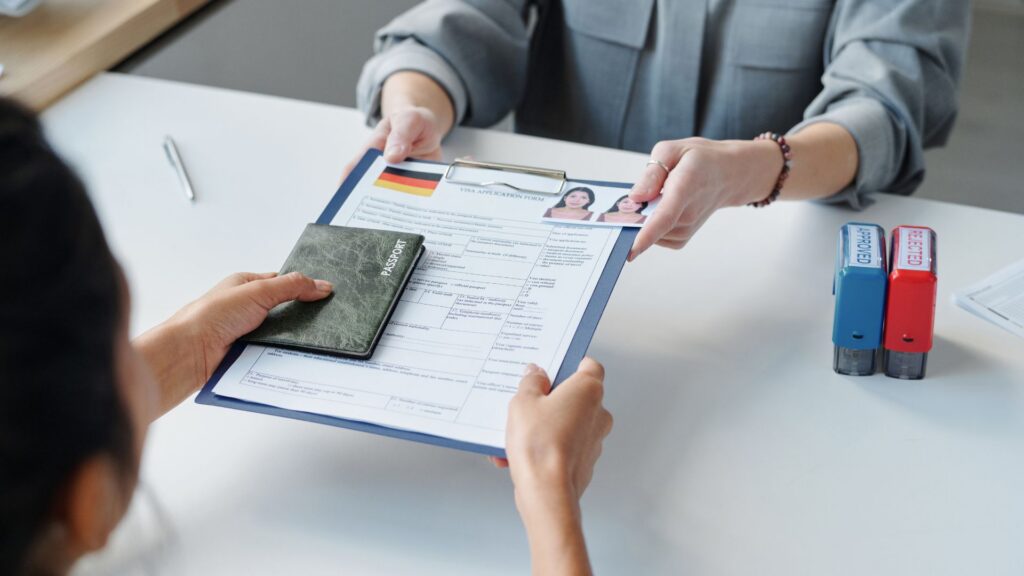
A Fort Worth K-1 fiancé visa lawyer cannot make USCIS, the National Visa Center, or the U.S. consulate process a case faster simply by getting involved. What a lawyer can do is help prevent the kinds of problems that slow a case down. Many couples who contact Faragalla Law want to know whether a lawyer can help them avoid unnecessary delays, repeated government requests, interview complications, or a denial that forces them to start over. While no Fort Worth K-1 fiancé visa lawyer can move a case ahead of others in the government system, the right preparation can reduce setbacks caused by filing errors, missing evidence, or inconsistencies in the petition.
The K-1 visa process involves several stages, multiple government agencies, and extensive documentation. A problem at the beginning of the case can affect later stages, including the consular interview. In many situations, delays occur because important information was omitted or because the evidence submitted did not fully support the relationship.
Immigration officers may compare travel records, passport stamps, photographs, prior immigration filings, divorce records, and interview responses. Even small inconsistencies can lead to additional scrutiny. A Fort Worth K-1 fiancé visa lawyer at Faragalla Law can help identify potential concerns before they become larger obstacles.
How Do You Prove a Genuine Relationship for a K-1 Visa
A real relationship does not always look the same on paper as it feels to the couple living through it. Two people may have years of calls, family visits, shared plans, and travel history, but the K-1 visa file still has to explain that history in a way USCIS and the consulate can follow. The officer reviewing the case does not know the couple personally. The petition needs to show the relationship clearly through dates, documents, photos, travel records, communication history, and a believable plan to marry.
For Fort Worth couples, relationship proof often needs to connect long-distance history with plans in Texas. A U.S. citizen may live near the Cultural District, work near Downtown Fort Worth, and plan to marry after a fiancé arrives from another country. That local plan matters because the K-1 visa exists for a specific purpose. The foreign fiancé comes to the United States to marry the U.S. citizen petitioner within 90 days of arrival, then moves into the next immigration stage after the wedding.
Faragalla Law helps couples think beyond simply uploading documents. We review the full relationship record, identifies weak areas, and helps organize proof in a way that answers the questions immigration officers usually ask. A Fort Worth K-1 fiancé visa lawyer can help couples present a stronger file when the relationship is real, but the evidence needs better structure. Faragalla Law regularly assists couples with K-1 visa petitions and relationship evidence preparation.
Contact a Fort Worth K-1 Fiancé Visa Lawyer at Faragalla Law - Call Us Today
The K-1 visa process can feel stressful when your future together depends on a strong petition, clear evidence, and careful timing. Faragalla Law helps couples in Fort Worth, Tarrant County, and throughout Texas prepare with a focused plan from the start. Whether you are preparing Form I-129F, gathering proof of a real relationship, responding to a government request, or planning for adjustment of status after marriage, our firm can help you understand what comes next.
Call Faragalla Law today at (800) 707-3038 or contact us to speak with a Fort Worth K-1 fiancé visa lawyer about your case.
How Legal Preparation Helps K-1 Visa Timelines
Strong K-1 petitions usually start with careful preparation long before filing. This work includes documenting the relationship, confirming eligibility requirements, reviewing the two-year in-person meeting rule, and anticipating questions that may arise during review.
Many couples focus heavily on Form I-129F, however, the supporting evidence is just as important. Immigration officers want to understand how the couple met, how the relationship developed, when the engagement occurred, and whether both individuals genuinely intend to marry after the foreign fiancé arrives in the United States.
A well-arranged petition can make it easier for officers to review the case and locate important information. Faragalla Law cannot guarantee faster processing, but thorough preparation may help reduce delays caused by requests for additional evidence.
Avoiding Petition Mistakes Before Filing
Many K-1 visa delays begin with preventable filing mistakes; some errors are obvious, such as missing signatures or incorrect filing fees, while others are less noticeable but can create serious problems later.
For example, a couple may submit photographs without explaining when or where they were taken. Another couple may provide travel records but fail to include evidence showing they actually met during the trip. In either situation, USCIS may request additional documentation before continuing its review.
A Fort Worth K-1 fiancé visa lawyer reviews the petition from the perspective of the officer evaluating the case. Rather than simply collecting documents, Faragalla Law works to present a clear relationship story supported by reliable evidence.
Common Evidence Problems That Trigger Delays
Relationship evidence can become a problem when couples assume that submitting a large volume of documents automatically creates a stronger case. In many situations, organized and meaningful evidence is more effective than hundreds of unrelated records.
Common issues that may lead to delays include unclear proof of the required in-person meeting, missing divorce records from prior marriages, inconsistent relationship timelines, limited evidence of ongoing communication, incomplete translations, missing passport pages, or unexplained periods of separation. Addressing these concerns before filing may help avoid additional waiting time.
Prior Immigration History Requires Special Attention
Previous immigration filings often receive close review. If either person has filed immigration petitions before, overstayed a visa, received a prior denial, or experienced issues at a U.S. port of entry, those circumstances should be examined carefully.
For example, a foreign fiancé who previously visited the United States may face questions about the purpose of those visits. Likewise, a U.S. citizen who has filed multiple fiancé petitions in the past may encounter additional legal requirements under rules that apply to repeat filings.
Faragalla Law helps couples evaluate these issues early so explanations and supporting documentation can be included before concerns arise.
Responding to USCIS Requests Without Losing Time
Receiving a Request for Evidence does not automatically mean a case will be denied. It simply means USCIS needs additional information before making a decision.
The response should directly address every issue identified by the officer. Sending unrelated documents or overwhelming USCIS with unnecessary records can create confusion and make review more difficult.
A Fort Worth K-1 fiancé visa lawyer helps organize the response so each piece of evidence addresses a specific concern raised by USCIS. Faragalla Law focuses on presenting information clearly and effectively.
Understanding Why USCIS Issued the Request
Not all requests for evidence involve the same concerns. Some relate to administrative matters, while others involve questions about eligibility or the legitimacy of the relationship.
USCIS may request additional information regarding the in-person meeting requirement, proof that prior marriages were legally terminated, evidence supporting the relationship, missing biographical details, or incomplete translations. Understanding the reason behind the request is often an important part of preparing an effective response.
Why Fort Worth Couples Need a Clear Visa Strategy
The K-1 visa process affects much more than immigration paperwork. Couples often coordinate wedding plans, housing arrangements, employment transitions, family travel, and financial commitments while waiting for approval.
Without a clear strategy, couples sometimes make decisions based on estimated timelines that later change. Reserving a wedding venue too early, purchasing nonrefundable airline tickets, or making employment commitments before visa issuance can create unnecessary stress.
Faragalla Law helps couples understand what can realistically be planned and what should remain flexible until important immigration milestones are reached.
Planning Around the 90 Day Marriage Requirement
The K-1 visa allows entry into the United States for one specific purpose. The foreign fiancé must marry the petitioning U.S. citizen within 90 days of arrival.
Many couples mistakenly believe the 90-day period begins when the visa is issued. In reality, the countdown starts after admission into the United States. Understanding this distinction is important when coordinating travel and wedding plans.
A Fort Worth K-1 fiancé visa lawyer at Faragalla Law can help couples understand how the timing of entry may affect marriage planning and future immigration filings.
Marriage License Considerations in Tarrant County
Couples planning to marry in Fort Worth should also understand local marriage license procedures. Requirements may vary depending on individual circumstances, prior marriages, and scheduling considerations.
Waiting until the last minute to obtain necessary documents can create avoidable complications. Reviewing local requirements before arrival often helps couples move forward more smoothly once the foreign fiancé enters the country.
What Happens If the Marriage Does Not Occur
The 90-day requirement is strict; if the marriage does not take place within the required period, the foreign national generally cannot simply marry later and continue with the same immigration process.
Failure to comply with the requirement can create serious immigration consequences and may affect future options. Faragalla Law helps couples understand these rules before making important travel or wedding decisions.
Preparing for the Next Green Card Step
Many people view K-1 visa approval as the end of the process. In reality, it is often the beginning of the next major immigration stage.
After marriage, the foreign spouse typically files for adjustment of status to pursue lawful permanent residence. This process requires additional forms, filing fees, supporting evidence, financial sponsorship records, and government review.
A Fort Worth K-1 fiancé visa lawyer can help couples prepare for adjustment of status while the K-1 petition is pending, making the transition easier after the wedding.
Preserving Evidence Throughout the Relationship
Evidence collected during the fiancé visa process may remain valuable later. Couples should continue maintaining records that demonstrate an ongoing marital relationship.
Documents such as joint bank account statements, lease agreements, utility bills, insurance policies, travel records, photographs from family events, and correspondence addressed to both spouses may become useful during future immigration filings. Maintaining these records from the beginning often reduces stress when preparing later applications.
Financial Sponsorship Issues After Marriage
Many couples are surprised to learn that financial sponsorship requirements continue after the wedding. The adjustment of status process generally requires a new affidavit of support along with updated financial documentation.
Income calculations, household size determinations, and supporting evidence can become more complicated when sponsors are self-employed, recently changed jobs, or rely on multiple income sources. Addressing these issues early may help reduce delays during the green card stage.
What Relationship Evidence Matters Most in a K-1 Visa Case
Good K-1 visa evidence should answer several questions without forcing the officer to guess. How did the couple meet? When did the relationship become serious? When did they see each other in person? How have they stayed connected while apart? What shows they intend to marry after arrival in the United States? These points matter because the government reviews both eligibility and sincerity in every K-1 visa case.
A strong fiancé visa petition usually combines personal proof with objective records. Personal proof may include photographs, messages, cards, engagement details, and statements from people who know the couple. Objective records may include passport stamps, flight confirmations, hotel records, receipts, call logs, divorce decrees, and prior immigration documents. Faragalla Law helps couples decide which records add value and which records create clutter.
In-Person Meeting Evidence Should Be Easy to Verify
Most K-1 visa cases require proof that the couple met in person during the required period before filing. Photos alone may help, but they often need backup. Travel records can show when the U.S. citizen left Dallas Fort Worth International Airport, when the fiancé entered the destination country, and when both people spent time together.
A stronger file may include passport stamps, boarding passes, hotel records, restaurant receipts, event tickets, dated photographs, and family photos from the same visit. For example, a Fort Worth petitioner may have visited a fiancé overseas for two weeks, met the fiancé’s parents, attended an engagement gathering, and kept receipts from shared travel. Those records work better when the petition places them in a clear timeline.
Communication Records Should Show Ongoing Contact
Long-distance couples often communicate across several platforms. They may use WhatsApp, FaceTime, email, text messages, social media, and video calls. USCIS does not need every conversation, but the petition should show consistent contact across the relationship.
Faragalla Law helps couples choose communication samples that show continuity rather than volume. A few dated examples from different months can show an ongoing relationship better than hundreds of repetitive screenshots from one week. The goal is to show a pattern of contact before and after visits, especially when the couple spent long stretches apart. Strong communication records are often an important part of a K-1 visa petition.
Engagement Proof Should Connect to Marriage Plans
An engagement ring receipt may help, but it does not tell the whole story. Officers often look for proof that the couple genuinely plans to marry after the K-1 visa holder enters the United States. That proof may include venue inquiries, family discussions, guest plans, religious ceremony planning, or steps toward a Tarrant County marriage license.
Couples should avoid making expensive, nonrefundable plans before the visa process reaches the right stage. Still, they can document realistic wedding planning. A couple may show messages with family about a Fort Worth ceremony, contact with an officiant, or plans for a small courthouse wedding followed by a larger celebration later.
Realistic Fort Worth Wedding Plans Support K-1 Visa Proof
A believable wedding plan does not need to look extravagant. In many cases, a simple plan makes more sense because visa timing remains uncertain. The couple may plan a small ceremony first, then celebrate with relatives after the foreign fiancé settles in Texas.
Faragalla Law helps couples explain wedding plans without overpromising. If the couple has not reserved a venue, the petition can still describe the intended timeline, preferred location, family involvement, and plan to marry within 90 days. Honest planning often works better than documents that look rushed or artificial.
How Fort Worth Couples Can Build a Clear Relationship Timeline
A relationship timeline helps the officer see the story in order. Without it, the evidence can feel scattered. Photos, travel records, messages, and engagement proof may all support the case, but they need a structure that shows how the relationship grew over time.
A Fort Worth K-1 fiancé visa lawyer can help couples create a timeline that matches the documents. This matters because officers may compare the written petition with the consular interview. If the dates do not match or if the couple gives confusing answers, the case may face extra questions. Faragalla Law frequently works with couples to create organized timelines for K-1 visa filings.
The Timeline Should Start With How the Couple Met
The first part of the timeline should explain how the couple met and how the relationship began. Some couples meet while traveling abroad. Others connect through family, school, work, religious communities, or online platforms. The explanation should stay direct and specific.
For example, a petitioner from Fort Worth may have met a fiancé while visiting relatives overseas, then continued speaking after returning to Texas. Another couple may have started talking online before meeting in person months later. The petition should describe the beginning honestly and connect the story to supporting records.
Visit History Should Match the Travel Documents
Each visit should have dates, locations, and supporting proof. If the couple met in person more than once, the petition should show those visits in order. This helps establish both the required meeting and the continued nature of the relationship.
Travel evidence should match the timeline. If the timeline says the couple met in June, the passport stamps, flight confirmations, and photos should support that month. When records conflict, Faragalla Law can help identify the issue before filing and decide whether an explanation belongs in the petition.
Family Involvement Can Strengthen the Story
Family involvement often helps show that the relationship is known to others. This may include photos with relatives, messages between families, engagement celebrations, holiday visits, or family travel plans for the wedding. These details can matter when the relationship develops across borders.
Couples should not force family evidence if it does not exist. Some families live far apart, have limited contact, or keep private matters quiet. In that situation, the petition can rely on other proof. A Fort Worth fiancé visa attorney can help select evidence that fits the couple’s actual relationship rather than trying to make every case look the same.
What Red Flags Can Affect a K-1 Fiancé Visa Petition
A red flag does not always mean the relationship is false. It means the officer may look more closely at certain facts. Couples should identify these issues early instead of waiting for USCIS or the consulate to raise them first.
Common concerns may involve short relationships, limited in-person time, large gaps in communication, prior marriage history, previous visa denials, criminal history, prior fiancé petitions, or inconsistencies between documents. Faragalla Law helps couples address sensitive facts directly when the law and the record require it. Addressing potential concerns early can strengthen a K-1 visa application.
Prior Marriages Need Complete Records
Both people must be legally free to marry before filing a K-1 petition. If either person had a prior marriage, the petition should include proof that the prior marriage legally ended. Divorce decrees, annulment orders, or death certificates may become necessary.
Problems can arise when divorce records use different names, come from another country, or lack certified translations. These issues can create avoidable delays. A Fort Worth K-1 fiancé visa lawyer can review the records early and help determine what needs correction or explanation.
Previous Immigration Filings Require Careful Review
Prior immigration history can affect how the government reviews a K-1 visa case. A past tourist visa denial, overstay, removal issue, prior marriage-based filing, or earlier fiancé petition may lead to closer review. The petition should not ignore these facts.
Faragalla Law helps couples review prior filings and prepare consistent answers. For instance, if the foreign fiancé previously applied for a visitor visa to see the U.S. citizen, that history should match the current relationship timeline. Conflicting information can create problems at the consular interview.
Short Courtships Need Stronger Context
Some couples become engaged quickly for sincere reasons. Still, a short courtship may draw questions if the petition does not explain the relationship well. Officers may want to see how the couple knows each other, how often they communicate, and why the marriage plan makes sense.
Evidence can help fill that gap. Frequent calls, family involvement, return visits, shared planning, and a clear engagement history can support the relationship. Faragalla Law helps couples present short relationships with enough context to reduce unnecessary doubt.
How a Fort Worth K-1 Visa Attorney Helps Organize Proof
Many couples have enough evidence, but they do not know how to present it. They may upload random screenshots, mix old and new documents, leave photos unlabeled, or submit records that create more questions than answers. The organization can change how the case reads.
Faragalla Law helps couples turn a folder of scattered proof into a case record with direction. We review the relationship timeline, separate evidence by topic, check for missing documents, and help prepare the couple for later questions. That process can make the petition easier to review and easier to defend if the government asks for more information. Faragalla Law understands the documentation standards commonly applied in K-1 visa cases.

Documents Should Match Future Interview Answers
The foreign fiancé may answer questions at the consular interview about the relationship, engagement, wedding plans, family members, prior visits, and future home in the United States. Those answers should match the petition. If the documents say one thing and the interview says another, the officer may pause the case.
Preparation does not mean memorizing fake answers. It means knowing the timeline, reviewing the petition, and answering truthfully. Faragalla Law helps couples prepare for the interview by reviewing likely topics and clearing up confusion before the appointment.
Fort Worth Marriage Planning Should Support the Case
K-1 visa cases lead to real marriage planning. Fort Worth couples may plan a courthouse wedding, a ceremony near Downtown, a small family event in Tarrant County, or a larger celebration after immigration timing becomes clear. The petition should reflect a realistic plan.
The couple should understand the 90-day marriage rule before the foreign fiancé enters the United States. They should also plan for the next step after marriage, which often involves adjustment of status. Faragalla Law helps couples prepare for the K-1 visa process with those later requirements in mind.