












Why You Should Get Help From a Plano K-1 Fiancé Visa Lawyer Early

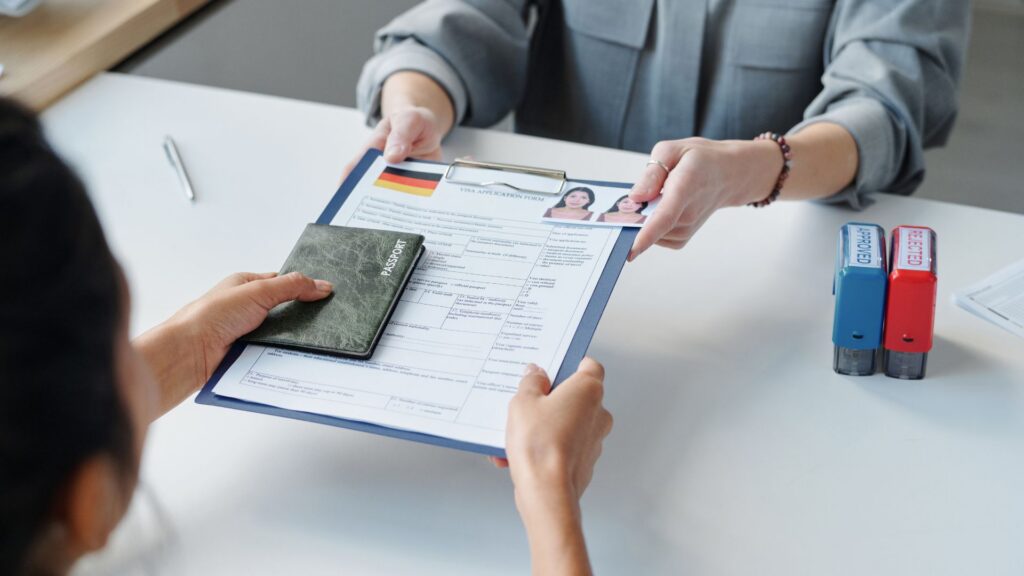
The K-1 fiancé visa process begins before a couple sends the first petition, because timing, relationship history, travel records, and future marriage plans all need careful review. A Plano K-1 fiancé visa lawyer at Faragalla Law can help couples understand what must be proven before the case moves from petition preparation to consular processing. Unlike a marriage green card case, this process focuses on bringing a fiancé to the United States so the couple can marry within the required timeframe. Faragalla Law helps couples look at the full sequence before filing, including eligibility, evidence, interview preparation, and the immigration steps that follow entry. Early legal review can prevent confusion when personal plans and immigration requirements begin moving together.
Couples may feel ready to file because the relationship is real, yet USCIS and consular officers still need records that match the legal requirements. The petition may involve proof of meeting in person, intent to marry, prior relationship history, identity documents, travel records, and background details. A missing document or unclear timeline can slow the process before the foreign fiancé ever reaches the interview stage. Early preparation gives couples time to organize the relationship history without rushing through details that may matter later. A stronger start can make each later step easier to understand.
What Couples Should Understand About the 90 Day Marriage Requirement
The 90-day marriage requirement gives the K-1 visa process a very specific purpose after the foreign fiancé enters the United States. The visa is not designed for an open-ended engagement, extended trial period, or delayed wedding plan that can be handled whenever life feels calmer. Couples need to understand that entry on a K-1 visa starts a limited window for marriage to the U.S. citizen petitioner. A Plano K-1 fiancé visa lawyer can explain how that requirement affects wedding planning, document preparation, and the next immigration filing after marriage. This timing rule should be part of the plan before the visa is approved.
The pressure of the 90-day window can surprise couples who focused mostly on getting through the petition and interview stages. After arrival, practical details such as marriage licensing, housing, financial records, name changes, insurance, and future green card preparation can begin moving quickly. Couples should think about what must happen immediately after entry, not only what must happen before the visa interview. A careful plan can reduce stress during a period that already carries emotional and logistical weight. Strong preparation helps couples move from engagement to marriage with fewer avoidable immigration concerns.
Why Plano Couples Trust Faragalla Law With Their K-1 Fiancé Visa Cases

A K-1 fiancé visa case involves more than proving that two people plan to marry. Couples also need to understand how the petition, relationship history, consular steps, entry timing, and future green card process connect. Faragalla Law helps Plano couples approach those steps with a careful review of the facts behind the case, not a rushed packet built around assumptions. The firm looks at the relationship timeline, travel records, prior marriages, identity documents, and timing concerns before the filing moves forward. A Plano K-1 fiancé visa lawyer can help couples feel better prepared when love, distance, and immigration rules all meet in one process.
Sam Faragalla brings long-standing immigration experience to fiancé visa cases that require accuracy, patience, and practical planning. Couples may have questions about meeting requirements, interview preparation, the 90-day marriage deadline, or what happens after the foreign fiancé enters the United States. Faragalla Law explains those issues in a way that helps couples understand what each stage is meant to accomplish. That kind of support matters when a couple wants to avoid preventable confusion during a process that already carries emotional weight. K-1 visa preparation should give couples a clearer view of the road ahead.
Discuss Your K-1 Fiancé Visa Case With Faragalla Law Today
A K-1 visa case requires couples to plan for the petition, consular interview, U.S. entry, 90-day marriage deadline, and later green card filing. Faragalla Law helps Plano couples understand how those stages connect before the case reaches a point where timing feels stressful. A Plano K-1 fiancé visa lawyer can help you prepare with a more complete view of the visa process.
Your case deserves planning that respects both the relationship and the immigration requirements attached to it. Faragalla Law can review your timeline, explain possible concerns, and help you understand what should happen before and after your fiancé enters the United States. Call Faragalla Law at (800) 707-3038 to discuss your fiancé visa case with a Texas immigration team, or reach out through the contact page when you are ready to begin.
K-1 Visa Timing Before Filing
Timing can affect the entire K-1 fiancé visa process because the petition stage, consular stage, entry date, and marriage deadline all connect. Couples may already be thinking about travel plans, wedding plans, family expectations, and work responsibilities before the filing begins. When those personal plans do not match the immigration timeline, the process can become more stressful than expected. Early review helps couples understand what can be prepared now, what may depend on government processing, and what must wait until the fiancé enters the United States. Planning ahead gives couples a more realistic view of the road before them.
Petition Timing Should Fit Couple Plans
A K-1 petition should match the couple’s realistic travel, wedding, and family timeline. Work obligations, consular availability, document collection, and expected processing stages may affect how prepared the couple feels later. Reviewing timing before filing helps couples avoid building plans around assumptions that may not match immigration requirements.
Future Marriage Plans Need Early Review
The K-1 process requires a real plan to marry after the foreign fiancé enters the United States. Couples should understand how the required timeline affects wedding plans, travel arrangements, housing decisions, and later green card preparation. Early review helps keep immigration planning connected to decisions the couple is already making together.
Relationship History Needs Careful Preparation
K-1 fiancé visa cases require couples to explain the relationship before the marriage occurs in the United States. Officers may review how the couple met, when they spent time together, how the relationship developed, and why they intend to marry. Evidence should give the government a clear view of the relationship without forcing the officer to piece together scattered records. Couples may need travel records, photographs, messages, statements, passport stamps, and other documents that show the relationship is genuine. A thoughtful record can make the case easier to understand during both petition review and consular processing.
Meeting Requirements Need Supporting Records
K-1 cases usually require proof that the couple met in person within the required period. Travel records, passport stamps, flight details, photographs, hotel records, and written statements may help explain the meeting history. Organizing those records early can make the relationship timeline easier for USCIS and the consular officer to follow.
Relationship Details Should Stay Consistent
Dates, locations, names, travel details, and relationship milestones should remain consistent across the petition and supporting records. A small mismatch may seem harmless to the couple but can create questions when the government compares documents. Careful preparation helps couples correct errors before they become part of the filed record.
Consular Review Can Raise Questions
After USCIS approves the petition, the case may move into consular processing, where the foreign fiancé must complete additional steps before a visa decision. This stage can feel unfamiliar because it involves forms, civil records, medical exam requirements, interview preparation, and embassy or consulate procedures outside the United States. Petition approval does not mean every later requirement is complete, so couples should prepare for the next phase before they reach it. The interview may include questions about the relationship, prior marriages, future plans, travel history, and eligibility concerns. Early preparation can help couples understand the consular stage before it feels urgent.
Interview Preparation Should Begin Early
The consular interview can include questions about relationship history, in-person meetings, wedding plans, and prior immigration issues. Applicants should review the petition, supporting evidence, and personal records before answering questions under pressure. Preparing before the interview notice arrives can help the foreign fiancé feel more ready for a serious appointment.
Required Documents May Take Time
Civil records, police certificates, medical exam steps, identity documents, and translations may take longer than couples expect. Some records may need to come from another country, agency, or local office, which can create timing problems near the interview. Starting early gives couples more room to collect documents before consular deadlines become stressful.
Early Help Protects the Next Step
A K-1 fiancé visa case does not end when the foreign fiancé enters the United States. The couple must marry within the required timeframe, and the foreign spouse may need to prepare for adjustment of status after the wedding. Decisions made during the fiancé visa process can affect later filings because records, dates, addresses, relationship details, and identity documents may appear again. Early legal guidance helps couples understand how the K-1 stage connects to permanent residence after marriage. Planning from the beginning helps protect both arrival and the next immigration step.
Entry Starts a New Timeline
Entry on a K-1 visa begins a time-sensitive period that directly affects the couple’s next decisions. The couple should understand the marriage deadline, document needs, and later filing expectations before the fiancé arrives. Knowing what happens after entry can help prevent rushed decisions during an already emotional transition.
Later Green Card Steps Need Planning
Marriage after K-1 entry usually leads to another immigration filing for permanent residence. Couples should keep records showing the wedding, shared residence, financial connection, and continued relationship after arrival. Planning ahead helps the later green card case begin with stronger organization.
The 90-Day Window Starts After Entry
The 90-day period begins when the foreign fiancé enters the United States using the K-1 visa, not when the visa is approved or issued. That distinction matters because couples may still need to coordinate travel dates, wedding logistics, family schedules, and document needs before arrival. Once entry occurs, the couple should be ready to move toward marriage without unnecessary delay. Waiting too long can create pressure that affects both personal planning and later immigration steps. Understanding the start date helps couples make informed decisions before travel occurs.
Visa Approval Does Not Start the Countdown
Approval at the consular stage does not begin the 90-day marriage period. The deadline starts only after the foreign fiancé enters the United States on the K-1 visa. Couples should plan around the actual entry date instead of the approval date.
Travel Timing Should Match Wedding Plans
Travel should be coordinated with a realistic wedding schedule. Couples may need time for licensing, family arrangements, and local requirements after arrival. Planning travel carefully can prevent unnecessary pressure once the countdown begins.
Marriage Must Be to the Original Petitioner
The K-1 visa is connected to the U.S. citizen petitioner who filed the case. The foreign fiancé cannot use that visa to enter the United States and marry someone else while staying on the same immigration path. This rule matters because the government approved the visa based on a specific relationship and a specific intent to marry. Couples should understand that the petition, visa, entry, marriage, and later green card step are all connected to the same relationship. The case depends on that relationship remaining the basis for the process.
The Petition Is Relationship Specific
The K-1 petition is based on one engaged couple. USCIS and consular officers review that relationship before the visa is issued. The later marriage should match the relationship presented in the filing.
Changes in Plans Need Legal Review
Major changes after approval can affect immigration options. Couples should not assume a different plan will still fit the K-1 process. Legal review can help clarify what choices remain available.
Marriage Timing Affects the Green Card Step
Marriage within 90 days is usually the bridge between K-1 entry and the later green card process. After the wedding, the foreign spouse may need to prepare an adjustment of status so permanent residence can be requested. That later filing may use information from the K-1 case, including names, dates, addresses, relationship history, and identity records. Couples who keep records during the 90-day period can make the next step easier to organize. The marriage deadline should be viewed as part of a longer immigration sequence.
Wedding Records Become Important Later
The marriage certificate can become a central document after the wedding. Couples may also need records showing shared residence, financial connection, and updated identity information. Keeping documents organized during this period can support the next filing.
Adjustment Planning Should Begin Early
Adjustment of status preparation should not wait until confusion develops. Couples can begin thinking about records, medical requirements, and financial sponsorship after marriage. Early planning helps the next immigration step begin more smoothly.
Missing the Deadline Can Create Serious Problems
Failing to marry within the required 90-day window can create immigration complications for the foreign fiancé. The person may lose the intended path connected to the K-1 entry, and future options may become more difficult to evaluate. Couples should not treat the deadline as flexible or assume that personal reasons automatically solve the issue. If timing problems arise, legal advice should be sought quickly before decisions are made. The safest approach is to respect the deadline from the beginning.
Delays Should Be Addressed Immediately
Unexpected delays can happen after the foreign fiancé arrives. Illness, document issues, family emergencies, or scheduling problems may affect wedding plans. Couples should seek help quickly when the deadline becomes difficult to meet.
Assumptions Can Create Immigration Risk
K-1 rules should not be handled through assumptions. Advice from friends, online forums, or outdated examples may not fit the couple’s situation. Reliable legal guidance can help couples avoid preventable mistakes.
A Relationship Timeline Built Around Real Events
Faragalla Law helps couples organize the relationship history around actual meetings, travel, communication, engagement details, and future marriage plans. A K-1 petition should show how the relationship developed before the foreign fiancé seeks entry to the United States. The timeline may include trips, photographs, passport records, messages, family involvement, and written explanations that connect the couple’s history. This review helps couples avoid presenting scattered evidence that leaves important events unclear. A stronger timeline can make the relationship easier to understand during both USCIS and consular review.
Travel Records Can Support the Meeting History
Travel records may show when and where the couple met in person. Passport stamps, flight records, hotel details, and photographs can help explain those visits. Organized travel proof can make the relationship timeline more reliable.
Engagement Details Should Match the Filing
Engagement details should fit the relationship story presented to the government. Dates, locations, family involvement, and wedding plans may appear during review. Consistent information helps couples avoid unnecessary questions.
Clear Guidance Through Consular Processing
After USCIS reviews the petition, the case may move into consular processing, where the foreign fiancé must prepare for another important stage. Faragalla Law helps couples understand how forms, civil records, medical steps, police certificates, and interview preparation can affect the visa decision. This stage can feel unfamiliar because it often happens through an embassy or consulate outside the United States. Couples benefit from knowing what documents may be requested before the interview approaches. Clear guidance can reduce stress when the process moves from petition approval to visa review.
Interview Preparation Should Reflect the Petition
The consular interview may revisit details already included in the petition. Applicants should understand the relationship timeline, travel history, and marriage plans before answering questions. Reviewing the submitted record helps reduce confusion during the appointment.
Civil Documents May Require Early Collection
Civil records can take time to obtain from local offices or foreign agencies. Birth certificates, police certificates, divorce records, and translations may require planning. Early collection can prevent document problems near the interview stage.
Planning for Life After K-1 Entry
Faragalla Law also helps couples understand that the K-1 visa is not the final immigration step. After the foreign fiancé enters the United States, the couple must marry within the required timeframe and prepare for the next filing if permanent residence is the goal. Records created after arrival, including the marriage certificate, shared residence proof, financial documents, and updated identity records, can become important later. A Plano K-1 fiancé visa lawyer can explain why planning should continue after visa approval. Couples often feel more secure when they know what happens after arrival.
The 90-Day Deadline Needs Attention
The 90-day marriage deadline begins after the foreign fiancé enters the United States. Couples should understand that this timing affects both the wedding and later immigration planning. Missing the deadline can create serious problems for the next step.
Green Card Preparation Starts After Marriage
After marriage, the foreign spouse may need adjustment of status. Couples should begin saving records that show shared life after arrival. Good preparation can make the later filing easier to organize.