














Why EAD Delay Problems Happen After Filing
An EAD delay may begin quietly, with no denial notice and no clear explanation from USCIS. The case may sit because of processing backlogs, missing biometrics, address problems, category questions, incomplete records, or a request for evidence that the applicant never saw. Faragalla Law can examine the timeline to determine whether the case is waiting normally or showing signs that something needs attention. That distinction matters when employment, licensing, payroll, or household income depends on the delayed card. A stalled work permit case should be read through the filing history, not through guesswork.
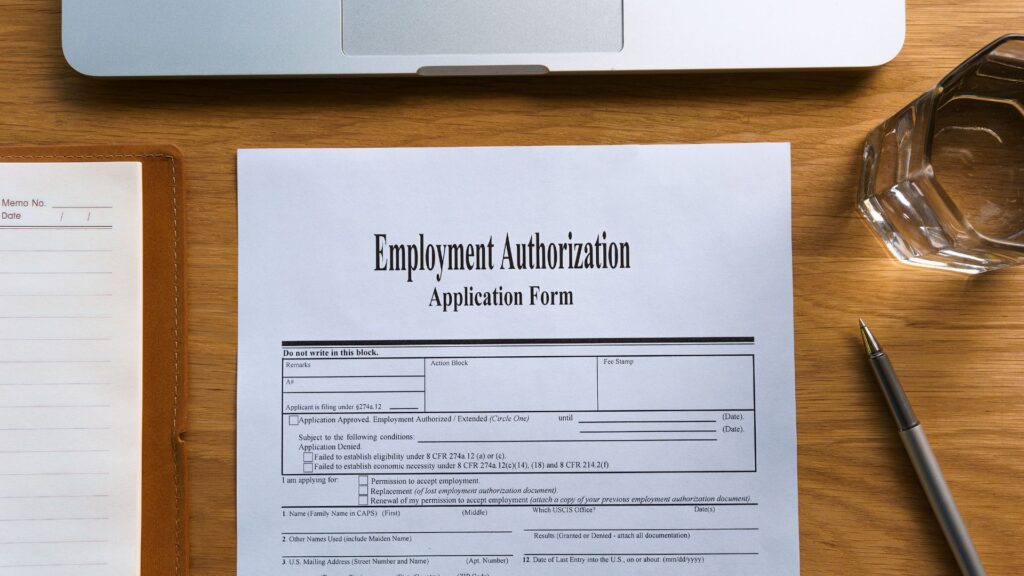
Some delays also come from issues that were present when Form I-765 was filed. A wrong category, expired supporting record, mismatched name, missing receipt notice, or outdated address can slow the case before the applicant realizes something is wrong. Faragalla Law looks at the case record, USCIS notices, filing category, delivery history, and prior EAD information to identify what may be holding the application back. The goal is to understand whether the delay comes from agency processing, applicant records, or a correctable filing issue. EAD delay problems require a response based on the reason the case stopped moving.
How an EAD Delay Lawyer in Texas Tracks a Stalled USCIS Case
A delayed EAD case needs a timeline before the next step can make sense. USCIS activity may show receipt acceptance, biometrics scheduling, evidence review, approval, card production, mailing, or no meaningful movement after filing. An EAD delay lawyer in Texas can compare those steps against the applicant’s category, filing date, notice history, address records, and prior work authorization. This review matters because a stalled case may require a different response than a case that is still inside ordinary processing. The goal is to identify the point where the work permit stopped moving.
A work permit delay can also create pressure outside the immigration file. Employers may ask for updated proof, licensing boards may require current authorization, and families may need income before USCIS gives an answer. Faragalla Law examines both the case record and the practical employment problem so the applicant understands what is urgent and what USCIS still needs to resolve. The analysis may involve missing notices, category concerns, service request options, delivery problems, or evidence requests. A delay review should connect the immigration timeline with the applicant’s real work deadline.
How Faragalla Law Responds to Delayed EAD Cases

Faragalla Law handles delayed EAD cases by separating ordinary waiting from problems that may need action. A delayed work permit may involve a stalled filing, missing notice, wrong address, category issue, biometrics problem, USCIS request, or card delivery failure. An EAD delay lawyer in Texas can identify which part of the record needs attention before the applicant loses more time waiting without direction. The firm looks at the delay through both the USCIS timeline and the applicant’s employment needs. A delayed EAD case should have a clear reason for the next step.
Work authorization delays can affect income, job offers, licensing, family bills, and confidence in the larger immigration process. Faragalla Law checks the receipt history, case status, mailing records, prior EAD documents, employer deadlines, and any USCIS notice connected to the delay. Sam Faragalla brings more than 27 years of immigration experience to applicants facing stalled employment authorization cases. The firm focuses on what can be documented, corrected, followed up on, or explained. Delayed work permission should not leave applicants guessing about their options.
Speak With an EAD Delay Lawyer in Texas About Your Work Permit
The same USCIS status message should not be the only answer you have while your ability to work is on hold. A delayed EAD may involve a category problem, an unanswered evidence request, a mailing issue, or a card that was approved but never delivered. Faragalla Law studies where the case last moved and why the next step has not happened yet.
Every week without work authorization can affect more than employment paperwork. Paychecks, licensing, employer trust, rent, bills, and family support may all depend on a card USCIS has not issued. Sam Faragalla looks at the delay through both the immigration file and the pressure it creates in daily life. Call Faragalla Law at (800) 707-3038 or visit our contact page to speak with an EAD delay lawyer in Texas about your delayed work permit today.
USCIS Processing Delays After Form I-765
USCIS processing delays can happen even when an EAD application was filed correctly. The applicant may receive a receipt notice, complete biometrics, and still wait longer than expected without a clear update. Processing times can vary by category, service center, workload, and whether USCIS needs additional review before issuing the card. Applicants should compare the filing timeline with the notices actually received before assuming the case is simply delayed. A processing delay should be tracked through documented case activity.
Receipt Notices and Case Status Updates
Receipt notices confirm that USCIS accepted the filing for processing. Case status updates may show biometrics, pending review, evidence requests, or card production steps. Applicants should keep those records together so the delay can be evaluated accurately.
Service Center Processing Concerns
Service center processing can vary depending on workload and application category. A case may appear inactive while USCIS continues internal review. The applicant should know when waiting becomes unusual enough to require follow-up.
Biometrics or Notice Problems That Slow EAD Cases
Biometrics and notice problems can delay a work permit case when USCIS needs action from the applicant before moving forward. A missed biometrics appointment, wrong mailing address, returned notice, or online account issue can leave the applicant unaware that the case needs attention. These problems are especially stressful because the applicant may believe USCIS is simply taking longer than normal. The delay should be checked against address records, appointment history, and USCIS correspondence. A missing notice can create a delay that looks like ordinary processing.
Missed Biometrics Appointment Issues
A missed biometrics appointment can stop an EAD case from moving forward. Applicants may miss the appointment because a notice arrived late, went to the wrong address, or was never received. The issue should be addressed quickly once discovered.
Address Errors and Returned Mail
Address errors can cause USCIS notices to go to the wrong location. Returned mail may affect biometrics appointments, evidence requests, approval notices, or card delivery. Applicants should confirm address records before delays become harder to fix.
Category or Evidence Issues Behind Delays
A work permit delay may come from a category or evidence issue that USCIS has not resolved yet. The selected category must match the applicant’s pending case, approved status, or qualifying immigration basis. If the records do not support the category, USCIS may need more time, issue a request, or hold the case while reviewing eligibility. Applicants should not assume every delay is caused by agency backlog when the filing may contain a mismatch. The category and proof should be reviewed together.
Form I-765 Category Mismatches
A category mismatch can make the case harder for USCIS to process. The applicant may have selected a prior EAD category, outdated category, or category that does not match the pending benefit. The filing should reflect the current immigration record.
Missing Proof of Eligibility
Missing proof may involve receipt notices, approval records, identity documents, prior EAD copies, or court filings. USCIS may need those records before issuing the work permit. The delay should be checked against the evidence submitted.
Card Production and Delivery Delays
Some EAD delays happen after approval, when the applicant is waiting for card production or delivery. The case may show approval online, but the physical card may not arrive because of mailing issues, production delay, address problems, or delivery confusion. This stage can still affect employment because many applicants need the actual document before starting or continuing work. Applicants should track approval notices, card production updates, tracking information, and mailing records. A delayed card can create real problems even after USCIS approves the request.
Approved EAD With No Card Received
An approved EAD may still create stress when the card does not arrive. The applicant should check USCIS updates, delivery details, and mailing address records. Approval alone may not solve employment needs without the physical card.
Lost Delivery or Mailing Problems
Mailing problems can occur when the card is sent to an old address, returned, or lost in delivery. Tracking information and USCIS notices may show where the problem happened. The applicant should act before the missing card creates longer work delays.
Finding the Last Confirmed USCIS Case Update
The last confirmed update shows whether the EAD delay began immediately after filing or later in USCIS processing. Receipt notices, biometrics updates, online status messages, evidence requests, approval notices, and card production updates can each identify where the case last moved. Applicants should gather every notice before assuming USCIS has done nothing. A timeline can reveal whether the issue involves processing delay, missed action, or delivery after approval. The first step is finding the last documented movement in the case.
Receipt Dates and Work Permit Category Details
The receipt date helps measure how long the EAD case has been pending. The filing category helps determine which processing expectations and eligibility records apply. Both details should be checked before deciding what follow-up makes sense.
Online Case Status and USCIS Notice History
Online case status may show limited information, but it can still identify major processing steps. USCIS notices can provide more detail about biometrics, evidence requests, approval, or card production. Both sources should be compared before drawing conclusions.
Missing USCIS Notices and Mailing Address Problems
Missing notices can leave an applicant unaware that USCIS is waiting for action. A biometrics notice, request for evidence, approval notice, or card delivery update may go to an old address or fail to arrive. Address problems can make the case look inactive while USCIS believes it already sent important instructions. Applicants should confirm whether USCIS has the correct mailing address and whether any notices were returned. A delayed case may depend on fixing communication before anything else moves.
Returned USCIS Mail During EAD Processing
Returned mail can affect appointments, evidence requests, approvals, and card delivery. USCIS may not always resolve the issue quickly without follow-up. Returned notices should be addressed before the delay becomes harder to correct.
Address Changes While the Case Remains Pending
Address updates should be handled carefully while an EAD case remains pending. A move can affect where USCIS sends biometrics notices, evidence requests, or the final card. Applicants should keep proof of any address update submitted.
Follow-Up Options for Delayed Work Permit Cases
Some delayed EAD cases may qualify for a USCIS service request or another organized follow-up step. The right option depends on processing time, filing category, case history, and whether USCIS has already asked for more information. A service request should be based on the actual delay rather than frustration alone. Applicants should understand what the request can accomplish and what records may support it. Follow-up should be organized around the reason the case appears stalled.
USCIS Delay Inquiry Records and Responses
A delayed case inquiry may require receipt numbers, filing dates, category details, address information, and prior USCIS notices. The applicant should preserve proof of each inquiry submitted. Follow-up records can show what steps were already taken.
Employer Deadlines and Work Authorization Pressure
Employer deadlines may make the delay more urgent for the applicant. Job start dates, renewal deadlines, licensing needs, or payroll issues may support a clearer explanation of the work impact. The urgency should be documented without overstating the case.
Approved EAD Cases With No Card Delivered
Some EAD delays happen after USCIS approves the request. The applicant may see approval online but still wait for card production, mailing, or delivery. This problem can affect employment because many employers need the physical card or acceptable proof before work can begin. Tracking records, approval notices, mailing updates, and address history should be reviewed together. A post-approval delay should be treated differently from a case still waiting for decision.
Card Production Delays After USCIS Approval
Card production may take additional time after USCIS approves the EAD. Applicants should track whether the status shows production, mailing, or delivery. A production delay should be separated from a denial or evidence issue.
Delivery Tracking and Missing EAD Cards
Delivery tracking can show whether the card was mailed, returned, or lost. Address history and postal updates may help identify where the problem occurred. A missing card should be addressed before work authorization problems grow.
Delay Review Based on USCIS Case History
Faragalla Law begins by studying the documented history of the EAD filing. Receipt notices, biometrics records, case status updates, address changes, evidence requests, and approval notices may show where the delay began. This review can reveal whether the case is waiting in processing, missing an applicant response, delayed by mail problems, or stalled after approval. The firm compares those records with the applicant’s work authorization category and filing date. The case history should guide the response instead of frustration alone.
Notices That Show Case Movement
USCIS notices may show receipt, biometrics, evidence requests, approval, production, or delivery updates. Faragalla Law organizes those notices to identify the last confirmed action in the case. The next step should be based on documented movement.
Missing Updates That Need Follow-Up
Missing updates may suggest that the case has stalled or that USCIS sent a notice the applicant did not receive. Faragalla Law checks mailing records, address history, and online status information. Follow-up should target the point where communication stopped.
Work Impact Connected to the Delay
Faragalla Law also considers how the delay affects the applicant’s real employment situation. A stalled EAD can affect a job start date, renewal deadline, payroll continuation, professional license, or employer verification process. Those facts may shape how urgently the delay needs attention and what documentation should be preserved. The firm helps applicants explain the work impact without overstating the case. Employment pressure should be documented clearly when it affects daily stability.
Job Start Dates and Renewal Deadlines
Job start dates and renewal deadlines can turn an EAD delay into an immediate problem. Faragalla Law identifies what proof shows the timing issue and how it connects to the pending work permit. Clear records can support organized follow-up.
Licensing and Payroll Concerns
Licensing and payroll concerns may require current work authorization documentation. Faragalla Law helps applicants identify which records may explain the pending EAD situation. The delay should be addressed before employment consequences grow.
Corrective Steps for Notice or Filing Problems
Some delayed EAD cases need correction before USCIS can move the filing forward. Address errors, missing biometrics notices, unanswered requests for evidence, category mismatches, and incomplete records can each affect processing. Faragalla Law identifies whether the applicant needs to update information, respond to a notice, locate missing records, or clarify the category used on Form I-765. A delay caused by a correctable issue should not be treated like ordinary waiting. Corrective action should answer the exact problem in the record.
Address and Mailing Corrections
Address and mailing corrections may be needed when USCIS sent notices or cards to the wrong location. Faragalla Law checks whether the applicant updated USCIS and whether mail was returned. Correct address records can prevent further delay.
Evidence Requests and Category Issues
Evidence requests and category issues can stop an EAD case until USCIS receives the right response. Faragalla Law reviews what the notice asks for and what documents support eligibility. The response should stay focused on the issue USCIS raised.
Follow-Through Until the Card Issue Is Resolved
Faragalla Law continues tracking delayed EAD issues after the first follow-up step. Some cases require service requests, updated documents, delivery tracking, card replacement steps, or additional communication with USCIS. The firm keeps attention on whether the case needs a decision, a produced card, a corrected mailing record, or a response to a specific USCIS request. That follow-through matters because a partial update may not solve the applicant’s employment problem. The delay should remain organized until the applicant understands what happened and what remains.
Service Requests and USCIS Responses
Service requests may create a record of the delay and the applicant’s follow-up. Faragalla Law preserves those responses so the case history remains clear. Each inquiry should build on the documented timeline.
Card Delivery After Approval
Card delivery problems can continue after USCIS approves the EAD. Faragalla Law reviews production updates, tracking records, mailing history, and address issues when the card does not arrive. Approval should lead to a usable document.