











How Engaged Couples Prepare a K-1 Petition From Corpus Christi, Texas

A K-1 petition begins with proof that the couple qualifies before the case ever reaches a consular officer. The United States citizen petitioner must show an in-person meeting within the required period, legal freedom to marry, and a real plan to marry after the foreign fiancé enters the country. A Corpus Christi K-1 fiancé visa lawyer at Faragalla Law can review travel records, engagement proof, prior marriage documents, passport history, and filing details before the petition moves into USCIS processing. Couples may need extra preparation when visits were brief, travel records are incomplete, or family plans developed across different countries. The first packet should answer the core eligibility questions without forcing the government to request basic proof later.
K-1 cases differ from marriage green card filings because the couple has not married yet. The record must show a qualifying engagement, not a completed marital household. That difference changes the evidence, forms, timeline, interview focus, and post-entry obligations. Faragalla Law reviews these details so the petition reflects the relationship stage accurately and avoids proof that belongs in a different immigration process. Fiancé visa preparation should match the couple’s actual timeline.
How Consular Interviews Shape K-1 Fiancé Visa Outcomes After USCIS Approval
A K-1 petition does not finish when USCIS approves the first filing. The case then shifts to consular review, where the foreign fiancé must complete visa forms, schedule medical exam steps, gather civil documents, and answer questions about the relationship in an interview setting. A Corpus Christi K-1 fiancé visa lawyer can prepare the couple for that stage by reviewing the petition record, consular paperwork, financial sponsorship documents, and likely questions before the appointment occurs. Consular officers may compare interview answers against travel proof, engagement statements, family records, prior immigration history, and the original petition. The interview can decide whether the visa moves forward or stalls for more documentation.
Consular preparation requires a different mindset than the first USCIS filing. The officer does not simply review whether the petition was approved, since the interview also examines identity, admissibility, relationship history, and the couple’s plan after entry into the United States. Some fiancé visa cases need extra attention when the couple has limited in-person visits, a large gap between meetings, prior visa denials, family objections, language barriers, or records from several countries. Faragalla Law prepares couples for these issues by connecting interview answers to the documents already submitted. A focused interview plan reduces the risk of avoidable confusion.
How Faragalla Law Manages the K-1 Visa Timeline for Corpus Christi Couples

Faragalla Law treats the K-1 timeline as a sequence of legal checkpoints, not a single petition waiting for approval. The case may begin in Corpus Christi, but it must pass through USCIS review, transfer steps, consular processing, interview scheduling, visa issuance, United States entry, and the 90-day marriage requirement. A Corpus Christi K-1 fiancé visa lawyer can track how each stage affects the next deadline, document request, and preparation decision. Couples benefit from knowing when to gather civil records, update relationship proof, prepare financial documents, and plan post-entry marriage steps. Timeline management keeps the case organized across multiple government stages.
Fiancé visa delays can occur when couples prepare only for the step directly in front of them. A petition may leave USCIS with missing context, reach the consulate without updated evidence, or move toward an interview before civil documents are ready. Faragalla Law reviews the case with the full sequence in mind, which allows the couple to prepare for later requirements before pressure builds. That approach matters when a foreign fiancé must coordinate medical exams, police certificates, travel plans, and interview attendance from another country. A well-managed timeline gives the relationship a more stable path toward marriage in the United States.
Speak With a Corpus Christi K-1 Fiancé Visa Lawyer About Your Case
K-1 visa planning should begin before a couple submits records that may shape the entire process. Meeting proof, prior marriage documents, financial sponsorship, consular forms, and post-entry marriage timing each carry separate requirements. Faragalla Law reviews those details so the petition reflects the relationship, the eligibility rules, and the next government stage. A more complete record can make the path from petition to entry easier to manage.
Distance already places enough pressure on engaged couples waiting to live in the same country. Legal preparation should reduce confusion around what USCIS needs, what the consulate may question, and what must happen after arrival. If you want a Corpus Christi K-1 fiancé visa lawyer to review your case before filing or interview preparation begins, call Faragalla Law at (800) 707-3038 or visit our contact page today for help.
Meeting Proof That Supports the K-1 Petition
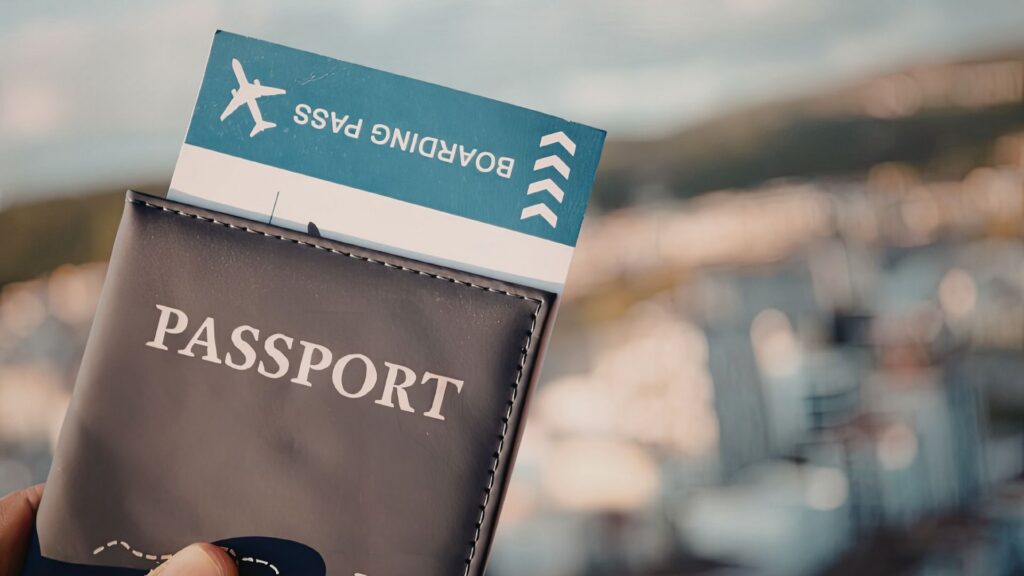
The in-person meeting requirement plays a central role in most fiancé visa cases. USCIS may review passport stamps, boarding passes, hotel confirmations, dated photographs, travel itineraries, receipts, and location records to confirm that the couple met within the required timeframe. Couples should organize proof from each visit instead of relying on a few photos without dates or context. Meeting evidence becomes stronger when it matches the relationship timeline stated in the petition. Specific records make the visit history easier to verify.
Travel Records From Each In-Person Visit
Travel records should show where each partner went, when the visit happened, and how the records connect to the relationship. Passport pages, flight receipts, hotel bookings, and dated photographs may support the same meeting period. Consistent dates reduce confusion during petition review.
Photos Connected to Places and Dates
Photos work best when they connect to identifiable events, locations, relatives, or travel dates. USCIS needs more than images that appear disconnected from the couple’s timeline. Captions and supporting records can give photo evidence more value.
Legal Ability to Marry Before Filing
A fiancé visa petition requires both partners to be legally free to marry. Prior marriages, foreign divorce decrees, annulments, death certificates, and translated records may need review before USCIS accepts the petition. A missing or unclear divorce record can slow the case even when the current relationship is genuine. Couples should confirm that every prior marriage ended legally under the rules that apply to the country where the divorce occurred. Marriage eligibility must be documented before the petition moves forward.
Divorce Records and Certified Translations
Divorce records should show the final legal end of each prior marriage. Foreign documents may require certified translations that accurately reflect names, dates, courts, and final orders. Incomplete records can create unnecessary problems during USCIS review.
Name Changes After Prior Relationships
Name changes can affect identity documents, passport records, divorce papers, and petition forms. USCIS may need documents connecting each name to the same person. Identity records should match before filing begins.
Intent to Marry Within 90 Days After Entry
The K-1 visa exists for couples who plan to marry after the foreign fiancé arrives in the United States. USCIS and consular officers may review statements of intent, wedding planning records, family communications, venue discussions, travel plans, and other proof showing that marriage will happen within the required period. The plan does not need to look extravagant, but it should appear realistic and consistent with the couple’s circumstances. Couples should avoid vague statements that do not explain how they intend to marry after entry. A believable plan makes the petition more complete.
Written Statements From Both Partners
Both partners usually provide written statements confirming their intent to marry. The statements should match the petition timeline, relationship history, and planned next steps after entry. Clear statements reduce uncertainty about the couple’s purpose.
Wedding Planning Records With Practical Detail
Wedding planning records may include venue messages, family discussions, travel planning, or basic ceremony arrangements. The evidence should fit the couple’s budget, culture, timing, and location. Practical details make the marriage plan easier to understand.
Petition Details That Should Match the Couple’s Timeline
The petition should present the relationship in a way that matches the documents attached to it. Dates involving first contact, travel, engagement, prior marriages, immigration history, and planned marriage should remain consistent across forms and evidence. Inconsistent timelines can create questions even when the relationship is real. A Corpus Christi K-1 fiancé visa lawyer can review those details before the petition creates avoidable issues for USCIS or the consulate. Careful timing review protects the petition from preventable confusion.
Relationship History Across Forms and Evidence
Relationship history should align across the petition, statements, travel proof, photographs, and consular documents. Differences in dates or descriptions may raise questions during later review. The record should tell one consistent timeline.
Filing Details Before USCIS Review
Small form errors can affect petition processing when they involve names, addresses, dates, or immigration history. Supporting evidence should match the information written on the forms. A clean filing gives the case a stronger start.
Interview Questions About the Engagement History
Consular officers may ask how the couple met, when the relationship became serious, how the engagement happened, and what contact continued after the last visit. These questions test whether the relationship timeline sounds consistent with the petition record. Answers should match travel documents, messages, photos, statements, and family involvement without sounding memorized. A foreign fiancé should know the important dates, locations, and relationship details before sitting for the interview. Strong preparation keeps truthful answers organized under pressure.
First Contact and Relationship Development
The officer may ask how communication began and how the relationship moved toward engagement. Messages, call records, travel history, and family introductions may support those answers. The explanation should match the couple’s real timeline.
Engagement Details and Future Plans
Questions may focus on the proposal, family awareness, wedding plans, and expected living arrangements. The answers should show a real plan for marriage after entry. Consistency matters when the officer compares spoken answers with submitted proof.
Civil Documents Required Before the Visa Interview
A K-1 visa interview usually requires identity records, birth certificates, police certificates, passport documents, divorce records, medical exam proof, photographs, and financial sponsorship materials. Missing or incorrect civil documents can delay a decision even when the relationship evidence is strong. Some records may need certified translations or country-specific formatting before the consulate accepts them. Applicants should not wait until the appointment week to learn which documents the consulate expects. Document readiness affects whether the interview can move forward smoothly.
Police Certificates and Country-Specific Records
Police certificates may be required from countries where the foreign fiancé has lived for certain periods. The required format can vary depending on the country and consulate. Applicants should confirm certificate rules before the interview date approaches.
Birth Records and Translation Issues
Birth certificates must usually show complete identity information in an acceptable format. Foreign language records may need certified translations that match names, dates, and places accurately. Small document defects can create interview delays.
Financial Sponsorship During Fiancé Visa Processing
A K-1 visa case may require financial sponsorship proof before the consulate issues the visa. The United States citizen petitioner may need income records, tax documents, employment proof, and sponsorship forms that show the foreign fiancé will have financial support after entry. Some cases require additional planning when income changed recently, self-employment records look uneven, or household size affects the financial analysis. Consular officers may ask about work, housing, and support after the foreign fiancé arrives. Sponsorship proof should match the couple’s post-entry plan.
Income Records From the United States Citizen
Income records may include tax transcripts, pay stubs, employer letters, and proof of current work. The documents should show reliable support rather than unexplained numbers. Financial evidence should be organized before the interview packet is complete.
Housing and Support After Arrival
The officer may ask where the couple will live after entry. Housing plans, employment information, and family support may affect how the officer understands financial stability. Practical answers make the post-entry plan easier to evaluate.
Administrative Processing and Follow-Up After Interview
Some fiancé visa cases do not receive an immediate approval at the interview. The consulate may place the case into administrative processing, request more documents, or ask for clarification about identity, background, relationship proof, or admissibility concerns. Couples should read any notice carefully because the next response must address the exact issue raised by the officer. Sending unrelated documents may slow the case instead of resolving the concern. Follow-up strategy matters when the interview does not end with approval.
Requests for Additional Relationship Proof
The consulate may ask for more evidence when the officer wants added confirmation of the engagement. Updated messages, recent photos, travel plans, family communications, or wedding arrangements may address that concern. The response should strengthen the exact area questioned.
Delays After Consular Review
Administrative processing can create uncertainty after the interview ends. Couples should track notices, preserve updated records, and avoid inconsistent follow-up statements. Careful responses protect the case during post-interview review.
Filing Stage Planning Before USCIS Review
The first stage should account for what USCIS needs now and what the consulate may need later. Faragalla Law reviews the petition, meeting evidence, prior marriage records, identity documents, and relationship timeline before the first submission. The firm also considers whether future interview questions may arise from brief visits, long-distance communication, or limited family involvement. Early planning prevents the petition from becoming a narrow packet that lacks enough context for later review. The first filing should support the full K-1 journey.
Petition Records Built for Later Review
The original petition may influence consular questioning months later. Travel proof, engagement statements, photos, and prior marriage documents should remain consistent throughout the case. Strong early records make later preparation more efficient.
Timeline Notes for Long-Distance Couples
Long-distance couples may need records showing communication between visits. Messages, call logs, travel planning, and family introductions can support the timeline. Organized notes prevent relationship details from becoming scattered later.
Transfer Steps After USCIS Petition Approval
Approval of the first petition does not place the visa in the foreign fiancé’s passport. The case must transfer into the next processing stage before interview preparation can begin. Faragalla Law explains what couples should expect after approval, including document gathering, consular instructions, and timing changes that may affect travel plans. Couples should use this transition period to update relationship proof and confirm civil records before the interview date arrives. Post-approval preparation should begin before the appointment appears.
Updated Evidence During Case Transfer
Relationship proof may need updates after USCIS approval. New messages, recent photos, visit records, and wedding planning details can show the engagement continued. Updated evidence keeps the record current for consular review.
Civil Records Before Interview Scheduling
Civil records may take time to obtain from foreign agencies. Birth certificates, police certificates, divorce records, and passport renewals can affect scheduling readiness. Couples should begin document collection before deadlines become tight.
Entry Planning Before the 90-Day Marriage Deadline
The K-1 visa creates a strict post-entry requirement after the foreign fiancé arrives. The couple must marry within 90 days, then prepare the next immigration filing if the foreign spouse will seek permanent residence. Faragalla Law explains how entry timing, wedding plans, travel expectations, and future adjustment paperwork fit together before the visa holder arrives. Couples should not treat visa issuance as the final immigration step when marriage and green card preparation still remain. The 90-day period requires practical planning before travel begins.
Marriage Plans After United States Entry
The wedding plan should fit the visa timeline and the couple’s real circumstances. A courthouse ceremony, family gathering, or larger event may all require different planning. The legal marriage date must fall within the required period.
Documents Needed After the Wedding
After marriage, the couple may need a certified marriage certificate for the next filing. The foreign spouse may also need identity records, medical records, and updated immigration documents. Post-wedding preparation should begin before the deadline passes.
Timeline Problems That Need Early Attention
Some K-1 cases need closer timeline control because delays can affect travel, family plans, or document validity. Medical exam timing, police certificate expiration, consular appointment availability, passport validity, prior divorce records, and financial sponsorship updates may all create timing issues. Faragalla Law identifies these concerns before they interrupt the case at a later stage. A Corpus Christi K-1 fiancé visa lawyer can also explain which delays are routine and which issues need a response. Early attention reduces pressure during important decision points.
Expiring Documents During Visa Processing
Some records may expire before the interview or visa decision. Police certificates, medical exam results, passports, and financial documents may need updates. Couples should monitor expiration dates during every stage.
Travel Timing After Visa Issuance
Visa issuance does not mean the couple can ignore timing rules. The foreign fiancé must enter before visa expiration and marry within 90 days afterward. Travel plans should account for both deadlines.