











How El Paso Couples Should Prepare Before Filing a K-1 Visa Petition
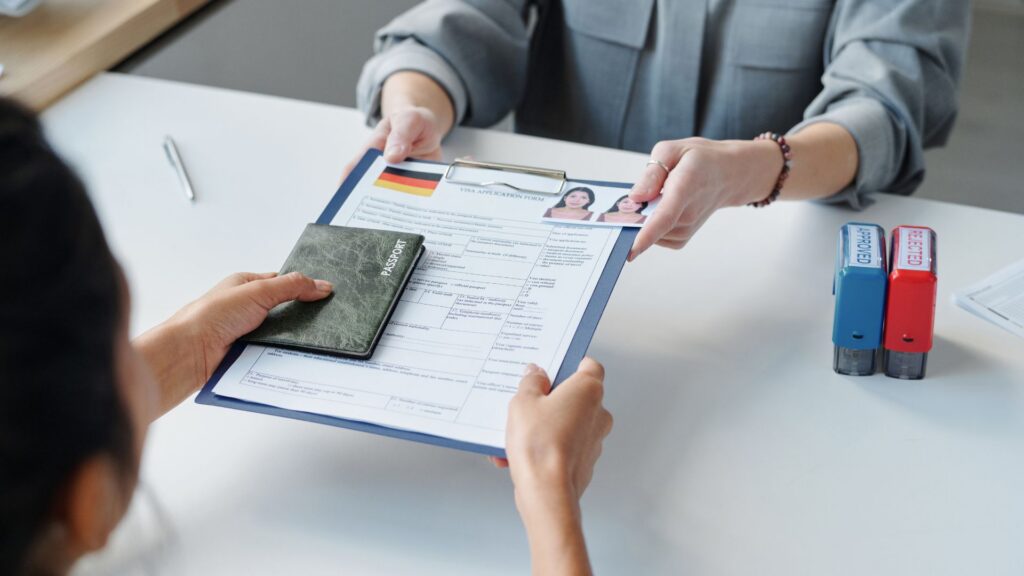
A K-1 visa petition should begin with a practical review of the couple’s relationship history, not a rushed effort to gather documents after questions appear. Engaged couples in El Paso should confirm how their in-person meeting, travel dates, engagement details, prior marriages, and intent to marry will appear in the filing. An El Paso K-1 fiancé visa lawyer at Faragalla Law should also look at whether the petition tells a complete story before it moves toward government review. The strongest filings usually connect personal history with the requirements USCIS expects to see. Preparation before filing gives couples more room to fix missing records and unclear details.
The first petition also shapes the later consular stage because the foreign fiancé may be asked about information already submitted months earlier. Couples should review what the petition says about visits, family involvement, wedding plans, and the future move to the United States. A weak filing can create confusion later if the interview record does not match the first packet. Careful planning helps the couple avoid treating the petition, interview, entry, and marriage deadline as separate events. Each step should support the next one clearly.
What the K-1 Visa Process Requires Before the Consular Interview
The consular interview does not stand alone in a K-1 fiancé visa case because several earlier steps shape what the foreign fiancé must explain. USCIS first reviews the petition, then the case moves toward visa processing where forms, civil documents, medical exam steps, and interview preparation become important. Couples should understand that approval of the first petition does not mean every later requirement has already been satisfied. An El Paso K-1 fiancé visa lawyer can help review the record before the interview stage brings relationship details, travel history, and marriage plans into direct questioning. Better preparation helps the foreign fiancé approach the appointment with a stronger understanding of what has already been submitted.
Consular preparation requires attention to both documents and answers. The foreign fiancé may need to review the petition, gather records from local agencies, complete required visa forms, prepare for the medical exam, and understand how the relationship history may be discussed. A missing police certificate, incomplete divorce record, unclear meeting timeline, or inconsistent statement can create stress close to the interview date. Couples should treat the consular stage as a continuation of the petition instead of a separate event. A well-prepared record can make the interview process feel less uncertain.
How Faragalla Law Supports El Paso Fiancé Visa Planning

Faragalla Law supports El Paso fiancé visa cases by helping couples understand what the government needs before the case moves from one stage to the next. A K-1 filing begins with the petition, yet the same relationship history may later appear during consular review, interview preparation, entry planning, and the green card process after marriage. The firm looks at the couple’s meeting history, travel proof, civil records, prior marriages, and post-entry plans before important details become harder to organize. Sam Faragalla brings immigration experience to fiancé visa cases that require both legal accuracy and respect for the relationship behind the filing. An El Paso K-1 fiancé visa lawyer should help couples prepare for the full process, not only the first submission.
Couples may feel confident about the relationship while still feeling unsure about how to present the case to USCIS and the consulate. Faragalla Law helps identify which records explain the couple’s timeline, which documents support eligibility, and which issues need context before review begins. This matters when travel history, family involvement, engagement details, consular instructions, or the 90-day marriage deadline creates practical questions. The firm’s approach gives couples a more organized way to prepare for the steps ahead. Fiancé visa planning works best when the filing reflects both the relationship and the immigration process clearly.
Talk With Faragalla Law Before Your Fiancé Visa Case Moves Forward
A K-1 fiancé visa case reaches beyond the petition because each step prepares the couple for entry, marriage, and the immigration filing that may follow. El Paso couples should understand how meeting proof, consular documents, interview questions, and the 90-day marriage deadline work together before the process advances. Faragalla Law can help you review those dynamic steps before timing or missing records create unnecessary strain. The goal is to prepare the immigration green card case in a way that reflects the relationship and the legal path ahead.
Your fiancé visa case deserves more than a packet assembled around uncertainty. Faragalla Law reviews the petition record, consular requirements, civil documents, and post-entry planning with the care this process requires. Call Faragalla Law at (800) 707-3038 or visit our contact page today to talk through your case with our El Paso K-1 fiancé visa lawyer.
Meeting Proof for a K-1 Visa Petition
Meeting proof plays a central role because USCIS usually expects evidence that the couple met in person within the required period. Travel records, passport stamps, hotel records, flight confirmations, photographs, and written explanations may help show when and where the couple spent time together. The evidence should connect to a specific timeline instead of appearing as scattered proof without context. Couples in El Paso may need extra care when travel, border movement, or family visits create several dates to review. A well-organized meeting record helps the petition explain the relationship more directly.
Travel Records Should Match the Timeline
Travel records should support the dates and locations described in the petition. Passport stamps, tickets, photographs, and hotel records should fit together without creating avoidable confusion. Matching those records early helps the filing present the couple’s meeting history accurately.
Photos Should Support Documented Visits
Photographs should connect to documented visits, family moments, engagement details, or time spent together. They work best when paired with travel records that explain when the visit happened. This approach keeps photos meaningful instead of relying on them alone.
Intent to Marry After Entry
The K-1 process requires more than showing a serious relationship because the couple must also show intent to marry after the foreign fiancé enters the United States. USCIS and consular officers may look for statements, engagement details, wedding planning, family awareness, and practical arrangements that support that intent. Couples do not need every wedding detail finalized before filing, but the plan should feel realistic and consistent. A vague promise to marry may leave questions when the case reaches later review. Strong intent evidence helps explain what the couple plans to do after approval.
Wedding Plans Should Be Realistic
Wedding plans should reflect the couple’s actual expectations after entry. Location ideas, family discussions, timing goals, and practical arrangements may support the intent to marry. Realistic plans help the filing avoid vague or unsupported statements.
Statements Should Stay Consistent
Statements from both people should describe the same relationship direction and future marriage plan. Differences in timing, location, or intent may create questions during review. Consistent statements make the couple’s plan easier to understand.
Prior Marriages and Eligibility Records
Prior marriages should be reviewed before a K-1 petition is filed because both people must be legally free to marry. Divorce decrees, annulment records, death certificates, and name-change documents may need to match the information listed in the petition. Older civil records can take time to locate, translate, or correct when they come from different agencies or countries. Eligibility records also help prevent confusion about identity, marital history, and future marriage plans. Reviewing these materials early protects the petition from avoidable document problems.
Divorce Records Need Complete Details
Divorce records should show that any prior marriage ended legally before the K-1 petition moves forward. Dates, names, court information, and final orders should match the petition and supporting records. Complete divorce documents help avoid eligibility questions later.
Name Changes Should Be Easy to Trace
Name changes may appear across passports, civil records, divorce documents, and immigration forms. The filing should make those changes easy to follow with supporting documents. A clear record helps prevent identity confusion during review.
Petition Records for Later Review
The K-1 petition often becomes the reference point for later consular questions. Relationship dates, travel history, intent statements, civil records, and engagement details may return during the interview. Couples should keep copies of every form, statement, notice, and evidence item submitted with the petition. Reviewing those records before the interview helps the foreign fiancé answer from the actual filing instead of relying only on memory. A complete petition file makes the next stage easier to prepare.
Copies Should Be Saved Carefully
Couples should keep copies of the full petition package after filing. Forms, statements, receipts, travel proof, civil records, and photos may all become useful later. Good recordkeeping helps the couple prepare for future questions.
Interview Preparation Starts With the Petition
The consular interview may revisit facts from the first petition. Meeting dates, engagement details, travel history, and marriage plans should feel familiar before the appointment. Reviewing the petition early helps reduce confusion during interview preparation.
Consular Forms and Visa Processing Steps
Consular processing usually requires additional forms after USCIS completes the petition stage. These forms may ask about identity, address history, employment, travel, prior marriages, security questions, and future plans in the United States. The answers should match the petition and supporting evidence already submitted because officers may compare details during review. Couples should avoid guessing on dates or relying on memory when records can confirm the information. Accurate forms give the consular stage a stronger foundation before the interview begins.
DS-160 Answers Should Match the I-129F Petition
The DS-160 should align with the petition details already submitted to USCIS. Names, addresses, employment history, travel dates, and prior marriage information should be checked against the original record. Matching answers helps reduce interview questions caused by avoidable differences.
Security and Travel Questions Need Accurate Records
Security and travel questions should be answered from reliable documents instead of memory. Prior trips, visa history, employment details, and background questions may affect how the consular officer reviews the case. Accurate records help the foreign fiancé answer with better confidence.
Civil Documents Before the Interview
Civil documents often require time to locate, update, translate, or replace before the consular interview. The foreign fiancé may need a birth certificate, passport, police certificate, divorce decree, name-change record, or other country-specific document. These records should be complete and consistent with the petition, visa forms, and identity documents. Waiting too long to gather civil records can create pressure when the interview date approaches. Early collection gives couples more time to correct problems before consular review.
Police Certificates Should Cover the Required Locations
Police certificate requirements may depend on where the foreign fiancé has lived. The applicant should confirm which countries, cities, or agencies must provide records before the interview. Missing a required certificate can delay visa processing after the appointment.
Divorce and Name Records Should Connect Clearly
Divorce decrees and name-change records should explain prior marital history without leaving gaps. Names, dates, and court details should match the petition and consular forms. Clear documentation helps the officer confirm the applicant is legally free to marry.
Medical Exam and Interview Scheduling
The medical exam is a required step in the fiancé visa process, and timing can affect how smoothly the interview stage moves forward. The foreign fiancé should follow consular instructions about approved medical providers, appointment timing, vaccination records, and documents to bring. Interview scheduling also requires attention because the applicant may need to coordinate travel, records, and preparation around the appointment date. Rushing these steps can cause unnecessary stress when the case is close to decision. Good organization helps the applicant enter the final stage with fewer last-minute problems.
Approved Panel Physician Instructions Should Be Followed
The medical exam must usually be completed through a consulate-approved panel physician. Vaccination records, passport information, appointment confirmations, and required forms should be prepared before the medical visit. Following the consulate’s instructions helps avoid delays connected to incomplete medical processing.
Interview Scheduling Should Account for Document Readiness
The interview date should fit the applicant’s record collection and medical exam timing. Civil documents, translations, police certificates, and travel logistics should be ready before the appointment approaches. Better scheduling helps prevent avoidable stress during the final stage.
Relationship Questions During Consular Review
Consular officers may ask relationship questions to confirm that the couple intends to marry after entry into the United States. The foreign fiancé should be ready to discuss how the couple met, when they spent time together, how the engagement developed, and what plans exist after arrival. These answers should match the petition without sounding rehearsed or disconnected from the couple’s actual history. Couples should review the relationship timeline together before the appointment so major details feel familiar. Honest preparation helps the interview feel more manageable.
In-Person Meeting Details Should Be Easy to Explain
The foreign fiancé should understand the dates, locations, and circumstances of the couple’s required in-person meeting. Travel records, photographs, family involvement, and engagement details may all connect to that history. Familiarity with those facts helps the interview feel less intimidating.
Post-Entry Marriage Plans Should Sound Practical
The couple’s marriage plans should reflect realistic timing after entry into the United States. Housing plans, family arrangements, wedding expectations, and later green card preparation may become part of the discussion. Practical answers help support the stated intent to marry.
K-1 Petition Review Before Filing
Faragalla Law reviews the K-1 petition before filing so the relationship history, meeting proof, and eligibility records fit together. The petition should show the couple’s in-person meeting, intent to marry, legal ability to marry, and identity records without leaving avoidable gaps. This review helps couples understand what the first filing needs to prove before USCIS creates the official case record. The firm also checks whether prior marriages, name changes, travel documents, or missing records need attention before submission. Strong petition review gives the case a more stable beginning.
Meeting Evidence Should Tell the Right Story
Meeting evidence should show when, where, and how the couple spent time together in person. Faragalla Law helps connect travel records, passport stamps, photographs, and visit details to the relationship timeline. This organization helps prevent important proof from appearing disconnected.
Intent to Marry Needs Practical Support
Intent to marry should appear through consistent statements, engagement details, and realistic planning after entry. Faragalla Law helps couples review those details before the petition moves forward. Practical support gives the filing more substance than a general promise.
Consular Preparation for Fiancé Visa Interviews
Faragalla Law helps couples prepare for the consular stage before the interview becomes the only focus. The foreign fiancé may need civil records, police certificates, translations, medical exam materials, DS-160 answers, and a review of the original petition. Consular officers may ask about meeting history, future marriage plans, prior marriages, family awareness, and the couple’s timeline. Preparation helps the applicant understand the record instead of relying only on memory during the appointment. This support makes the interview stage easier to approach with accurate information.
DS-160 Answers Should Reflect the Petition
The DS-160 should match the relationship and identity details already submitted in the I-129F petition. Faragalla Law helps couples compare names, dates, travel history, prior marriages, and address information before submission. Matching answers reduces avoidable confusion during consular review.
Interview Topics Should Be Reviewed Early
Interview topics may include the couple’s meeting, engagement, wedding plans, prior relationships, and future home arrangements. Faragalla Law helps the foreign fiancé understand how those topics connect to the filed record. Early review helps the appointment feel less unfamiliar.
Planning for the 90 Day Marriage Deadline
Faragalla Law helps couples understand what happens after the K-1 visa holder enters the United States. The 90-day marriage deadline affects wedding planning, household decisions, recordkeeping, and the next immigration step after marriage. Couples should know that visa approval does not finish the process because the later green card filing may rely on records created after arrival. The firm explains how entry timing, marriage timing, and adjustment preparation fit together. This planning helps couples avoid treating the post-entry period as an afterthought.
Entry Timing Should Fit Wedding Plans
Entry timing should give the couple enough room to meet the 90-day marriage requirement. Faragalla Law helps couples think through travel timing, family plans, licensing needs, and practical wedding arrangements. Better timing reduces pressure after arrival.
Adjustment Planning Begins After Marriage
After the wedding, the foreign spouse may need to prepare for adjustment of status. Faragalla Law helps couples understand how marriage records, shared residence proof, and sponsorship materials may support that next filing. Early planning helps the green card step begin more smoothly.
Support for Complicated Fiancé Visa Facts
Some K-1 fiancé visa cases involve facts that deserve closer attention before filing or interview review. Prior marriages, long-distance communication, limited travel records, cultural wedding customs, border travel, old visa history, or missing documents may need explanation. Faragalla Law helps couples decide which facts require records, context, or additional preparation. This approach keeps the case honest while preventing normal life details from appearing confusing. Complicated facts become easier to address when they are reviewed before USCIS or the consulate asks about them.
Prior Marriages Need Complete Records
Prior marriages should be documented with final divorce decrees, annulment records, or death certificates. Faragalla Law reviews those records to confirm that both people remain legally free to marry. Complete documentation helps protect the petition from eligibility concerns.
Limited Travel Proof Needs Context
Some couples have fewer travel records because of finances, distance, work, or family obligations. Faragalla Law helps identify alternative records that still explain the relationship history. Context helps the case reflect the couple’s real circumstances.