










How Does a Houston K-1 Fiancé Visa Lawyer Start Your Case
When you hire a Houston K-1 fiancé visa lawyer, Faragalla Law begins with a full review of your relationship, immigration history, prior marriages, travel records, and filing goals. The team looks for problems before USCIS sees them. That early review helps catch missing records, inconsistent dates, or incomplete answers that could cause the case to take a wrong turn.
Many couples believe an engagement alone proves eligibility, but USCIS reviews whether the couple met in person, whether both people can legally marry, and whether the petition supports a real plan to marry within 90 days after entry. Faragalla Law reviews those requirements before filing, then prepares the petition so each form, record, and explanation supports the case from the start.
What Evidence Helps a Houston K-1 Fiancé Visa Case
A successful Houston K-1 fiancé visa case depends on evidence that answers the officer’s main questions. The records should show a real relationship, an in-person meeting, legal eligibility to marry, and a plan to marry within 90 days after entry. Faragalla Law helps couples turn those records into a filing that is easier to review.
Photos help, but they rarely carry the case by themselves. Travel records should match the photos. Messages should support the timeline. Marriage plans should match the couple’s next steps. A Houston K 1 fiancé visa lawyer can help organize the evidence before weak proof creates delays.
Call a Houston K-1 Fiancé Visa Lawyer at Faragalla Law - Contact Us Today, We’re Open 24/7
Do not let missing records, unclear dates, or interview mistakes slow down your future together. When you work with Faragalla Law, you get help from an immigration team with more than 27 years of experience and over 2,000 immigration cases handled. Whether your fiancé lives abroad while you prepare for life in Houston, Katy, Sugar Land, The Woodlands, or Clear Lake, the right legal guidance can help you avoid problems that delay the process.
If you need a Houston K-1 fiancé visa lawyer, contact Faragalla Law today. Call (800) 707-3038 or contact us to discuss your fiancé visa case and take the next step toward bringing your fiancé to the United States.
Reviewing Your Engagement and Relationship History
Before preparing forms, Faragalla Law studies how the relationship began and how it developed; some couples meet during travel, through family, at work, online, or after years of long-distance communication. The attorney looks for important dates, travel patterns, engagement details, family involvement, and future marriage plans. Then, the team compares those facts against the records available. This step helps prevent a scattered filing that leaves USCIS with unanswered questions.
Confirming the In-Person Meeting Requirement
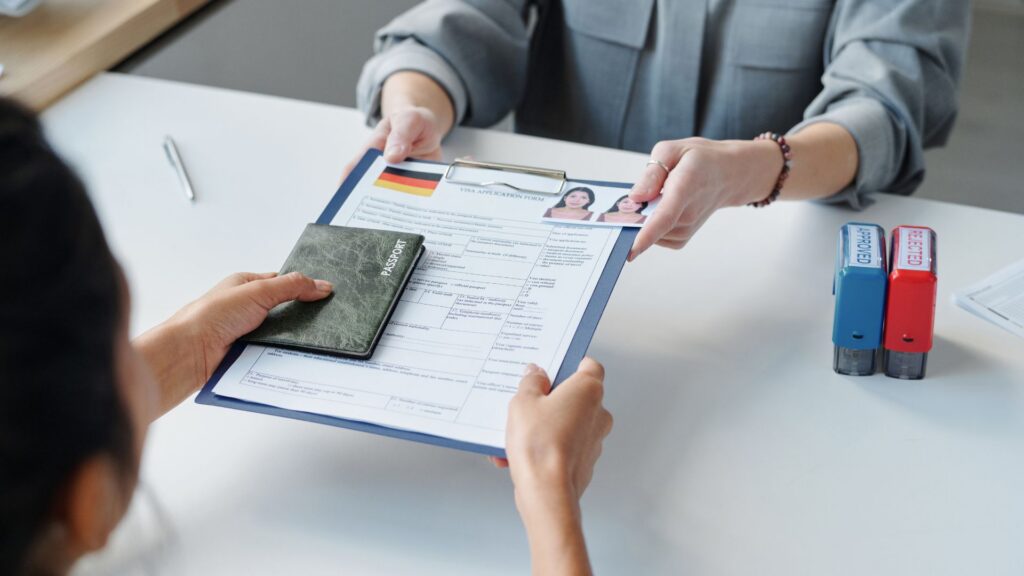
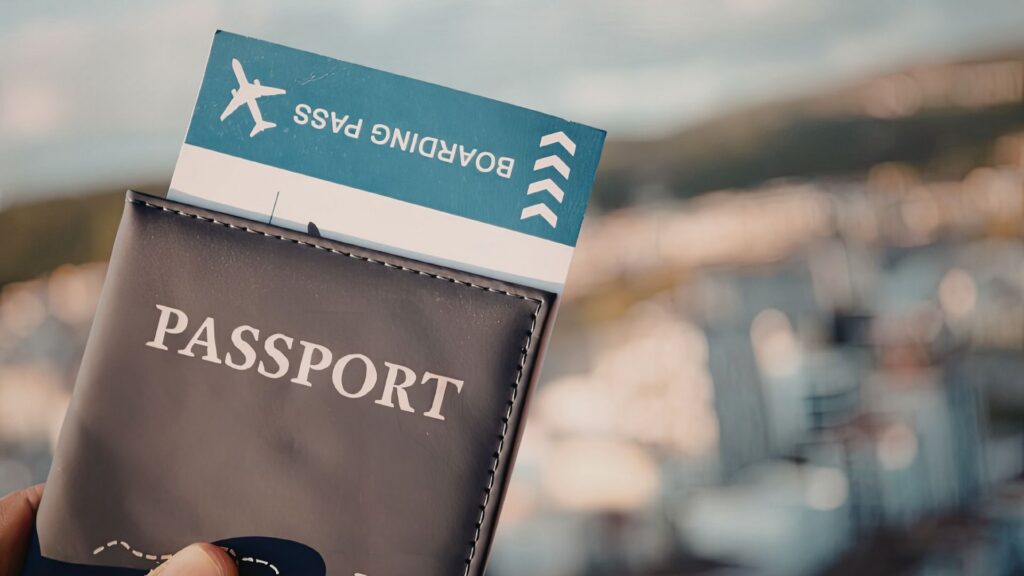
Most K-1 visa cases require proof that the couple met in person during the required period before filing. Faragalla Law reviews passport stamps, airline records, boarding passes, hotel confirmations, photographs, and travel receipts. These records should show when and where the couple met.
Some couples face travel barriers because of work, health, military service, visa issues, or family duties. In those situations, the case may need extra explanation and stronger proof. A Houston K 1 fiancé visa lawyer can help identify the records that best support the filing.
Evaluating Travel Evidence for a K-1 Visa Petition
Travel evidence works best when several records support the same visit. For example, passport stamps, flight confirmations, engagement photos, family pictures, and hotel receipts can show one clear trip. Together, those records help prove the couple spent time in person.
USCIS may compare dates across every document. Because of that, Faragalla Law checks the evidence for gaps or conflicts before filing. This review can prevent avoidable questions later.
Checking Marriage Plans Before Filing
The K-1 visa exists for couples who plan to marry after the foreign fiancé enters the United States. Faragalla Law reviews wedding plans, family discussions, engagement records, venue communications, and housing plans. These details help show a real intent to marry.
Houston couples may plan a ceremony near Hermann Park, the Galleria area, Sugar Land, or another Texas community. The exact location matters less than the proof of real planning. USCIS wants to see that the couple has a genuine plan, not a vague promise.
Verifying Legal Eligibility to Marry
Both people must be legally free to marry before filing a K-1 fiancé visa petition. Prior marriages, divorce decrees, annulments, name changes, and foreign civil records can all affect eligibility. Missing or unclear records can delay the case.
Faragalla Law reviews these documents before submission. If a record needs translation, clarification, or replacement, the team can address the issue before it becomes a USCIS problem.
How a Houston K-1 Visa Lawyer Prepares USCIS Forms
Once Faragalla Law confirms eligibility, the team prepares the petition for USCIS. This stage includes Form I-129F, identity records, relationship evidence, travel proof, prior marriage records, and supporting statements. Each item should match the facts listed across the filing.
USCIS officers review both eligibility and consistency. A mistake in a date, address, or prior filing history can create extra questions. A Houston K-1 fiancé visa lawyer helps keep the forms and documents aligned.
Organizing Form I-129F and Personal Information
Form I 129F asks for detailed information about both parties. Names, birth dates, addresses, employment history, prior marriages, and immigration history must match official records. Even small differences can create confusion.
International cases often involve foreign naming customs, translated documents, and records from different agencies. Faragalla Law reviews these details before filing so the petition reads as one complete record.
Resolving Documentation Issues Before Filing
Many fiancé visa delays begin with records that could have been fixed earlier. Common problems include missing birth certificates, incomplete translations, spelling differences, expired passports, and unclear divorce records. These issues can trigger requests for more evidence.
Faragalla Law checks the document packet before submission. Then, the team helps clients correct problems before the case reaches USCIS.
Building a Case Timeline USCIS Can Follow
A case timeline helps USCIS understand how the relationship progressed. It may include first contact, first visit, later visits, engagement date, family introductions, wedding planning, and the intended move to Houston. This structure helps officers review the case without piecing together scattered records.
The timeline should connect directly to the evidence. Photos, messages, travel records, and family statements become stronger when they match specific events. Faragalla Law uses this approach to make the petition easier to review.
Connecting Relationship Proof to Major Events
Evidence carries more weight when it supports important relationship milestones. Messages about a visit can match flight records. Engagement photos can match family messages from the same time. Wedding discussions can match venue inquiries or housing plans.
This structure keeps the petition focused. Instead of sending unrelated documents, Faragalla Law helps couples present proof that answers the questions USCIS is likely to ask.
How Houston Couples Prepare for K-1 Visa Interviews
USCIS approval does not end the K-1 visa process. After approval, the case usually moves through the National Visa Center and then to a U.S. embassy or consulate. The foreign fiancé may need civil records, a medical exam, financial support documents, and updated relationship evidence.
Planning early helps couples avoid last-minute stress. Faragalla Law explains what documents may matter at the consular stage and helps clients prepare for interview questions before the appointment arrives.
Reviewing K-1 Visa Red Flags Early
Some facts may bring closer review. These may include prior visa denials, prior fiancé petitions, limited visits, large age differences, criminal history, language barriers, or short engagement periods. These facts do not always prevent approval, but they need careful handling.
A Houston K-1 fiancé visa lawyer reviews those issues within the full relationship record. Faragalla Law helps clients address possible concerns with documentation instead of hoping officers overlook them.
Addressing Consular Concerns Before the Interview
Consular officers often ask about facts that seem unusual, unclear, or inconsistent. For example, a couple may need to explain long gaps between visits, online communication before meeting, or changed wedding plans. Good preparation helps the applicant answer with accuracy.
Faragalla Law helps clients review the petition, timeline, and evidence before the interview. This preparation can reduce confusion and help the foreign fiancé understand what the record already says.
Preparing for Financial Support and Medical Exam Steps
The consular stage may require financial support documents and a medical exam before visa issuance. Couples should prepare for these steps early because missing paperwork can slow the process. A Houston fiancé visa attorney can explain what documents the petitioner may need to gather.
The foreign fiancé should also understand how the medical exam fits into the interview process. Delays can happen when applicants wait too long to schedule required steps or bring incomplete records. Faragalla Law helps clients plan for these requirements before they become urgent.
Understanding Interview Questions About Life in Houston
Consular officers may ask where the couple will live, how they plan to marry, whether family knows about the engagement, and what life will look like after arrival. A Houston petitioner may need to explain housing plans near the Medical Center, Clear Lake, Katy, or another local area. These answers should match the evidence in the case.
The interview should not feel like the first time the couple has reviewed the details. Faragalla Law helps clients prepare so answers remain accurate and connected to the petition.
Proving a Real Relationship for USCIS Review
USCIS reviews whether the engagement is genuine. Officers may look at how the couple met, how often they communicate, whether families know about the relationship, and whether the couple has taken real steps toward marriage. A strong petition shows more than one visit or one set of photos.
Faragalla Law helps couples choose evidence that fits their actual story. Culture, distance, family involvement, and travel limits can shape the record. The goal is to present proof that matches the relationship and satisfies K-1 visa requirements.
Showing Communication Across Long Distances
Many engaged couples live in different countries for months or years before filing. During that time, they may use messages, video calls, emails, and social media to stay connected. Those records can help prove ongoing contact.
USCIS does not need every message ever sent. Instead, the filing should include communication that shows a steady relationship over time. Faragalla Law helps clients select records that support the petition without burying stronger proof.
Choosing Messages That Support the Timeline
The best messages often connect to major events. These may include travel plans, engagement discussions, family introductions, wedding plans, and future housing in Houston. These conversations help prove that the relationship moved forward over time. If the petition says the engagement happened in one month, messages from that period should support the claim. Faragalla Law checks all these little details before filing.
Including Family and Engagement Records
Family evidence can help show that the relationship exists openly. Engagement photos, family gathering pictures, messages with relatives, and written statements may support the case. These records can matter when family involvement plays a major role in the couple’s culture.
Houston K-1 fiancé visa lawyer helps couples avoid dumping unrelated photos into the petition. A smaller set of strong records often works better than a large packet with no order. The evidence should help the officer understand the relationship quickly.
Explaining Engagement Plans With Specific Proof
K-1 visa cases require an intent to marry within 90 days after entry. Specific proof can include venue inquiries, wedding planning messages, guest discussions, family travel plans, and housing plans. These records help show that marriage is a real next step.
For example, a couple planning to marry in Houston may have messages about ceremony locations, apartment searches, family visits, or combining households. These details make the petition stronger because they show planning, not guesswork.
Documenting the Required In-Person Meeting
Most K-1 visa petitions must prove that the couple met in person during the required period before filing. This requirement often causes trouble when couples save only photos. Photos help, but objective travel records usually support the meeting more directly.
Faragalla Law reviews passport stamps, boarding passes, airline confirmations, hotel records, travel receipts, and dated photographs. Then, the team organizes those records so USCIS can confirm the visit without confusion.
Matching Travel Records With Visit Photos
Travel records should support the same dates shown in photos and statements. A passport stamp may prove entry into another country. Photos from the same trip can show the couple together during that visit. Together, the records create a stronger document trail.
A Houston fiancé visa case can weaken when travel dates conflict. Houston K-1 fiancé visa lawyer, Faragalla Law, reviews the records before filing and helps clients correct or explain any problems.
Using Receipts and Location Records Carefully
Receipts from hotels, restaurants, events, rideshares, and travel bookings can support an in-person meeting. Location records may also help when they match the visit timeline. These details can fill gaps when other records do not tell the full story.
Still, more paper does not always mean more proof. Faragalla Law helps clients choose records that support specific dates and locations without overwhelming the petition.
Addressing Limited Visits or Short Trips
Some couples only manage one short visit before filing. Work schedules, travel costs, visa restrictions, family duties, and health issues can limit travel. A short trip does not automatically weaken the case.
The petition should explain the visit clearly and support it with records. For instance, a Houston resident may travel abroad for five days to meet a fiancé and family members. Travel records, photos, messages before the trip, and messages after the trip can still create a useful record.
Explaining Gaps Between Visits
Long gaps between visits can raise questions. Couples should address those gaps directly with evidence of continued contact, future planning, and the reason travel did not happen sooner. This helps USCIS understand the relationship during the waiting period.
Financial limits, visa restrictions, health concerns, and family obligations may explain long gaps. Faragalla Law helps clients decide which proof can support those explanations.
What Evidence Helps at the K-1 Visa Interview
By the time the interview arrives, months may have passed since USCIS received the petition. Updated proof can show that the relationship remains active. Faragalla Law helps couples prepare interview evidence such as:
This preparation helps the foreign fiancé answer interview questions with a record that supports those answers.
Updating Relationship Proof Before the Interview
Consular officers may ask what has happened since the petition was filed. Recent communication, updated wedding plans, new travel records, and current photos can help answer that question. These records should build on the original filing.
If plans changed, the applicant should know how to explain the change honestly. Faragalla Law helps couples review the updated record before the interview date.
Keeping Interview Answers Consistent With the Filing
Interview answers should match the petition, travel timeline, and supporting documents. Officers may ask about important dates, family members, work history, wedding plans, and where the couple plans to live in Houston. Inconsistent answers can lead to more reviews.
A Houston K-1 fiancé visa lawyer helps clients review the facts before the interview. This preparation helps couples avoid preventable mistakes and present the Houston K 1 fiancé visa case with stronger proof from start to finish.
Planning the Next Step After K-1 Visa Entry
Approval of the K-1 visa is not the final immigration step. After the foreign fiancé enters the United States, the couple must marry within 90 days. Then, many couples move into the marriage green card process.
Faragalla Law helps couples think ahead so they do not treat the wedding and green card filing as separate problems. Early planning can help with records, timing, work authorization, and future travel questions.
Preparing for Marriage and Green Card Filing
After marriage, the foreign spouse may need to file for adjustment of status. This process can involve new forms, marriage evidence, financial records, medical documentation, and identity records. Couples should keep organized records from the beginning.
A Houston K-1 fiancé visa lawyer can help couples understand how today’s evidence may matter later. Wedding records, lease agreements, joint accounts, photographs, and family proof may support the next immigration filing.
Reviewing Work Authorization and Travel Issues
After the marriage, many couples want to know the same things. When can the foreign spouse start working, can they leave the United States to visit family, what happens if a job opportunity, emergency, or trip comes up before the green card is approved?
These questions need careful answers because timing matters. Leaving the United States too early can create immigration problems, and working without proper authorization can affect future filings. Faragalla Law helps Houston couples understand work permit and travel document options before they make a decision that could put the case at risk.