









How Does a Dallas K-1 Fiancé Visa Lawyer Build Strong Cases
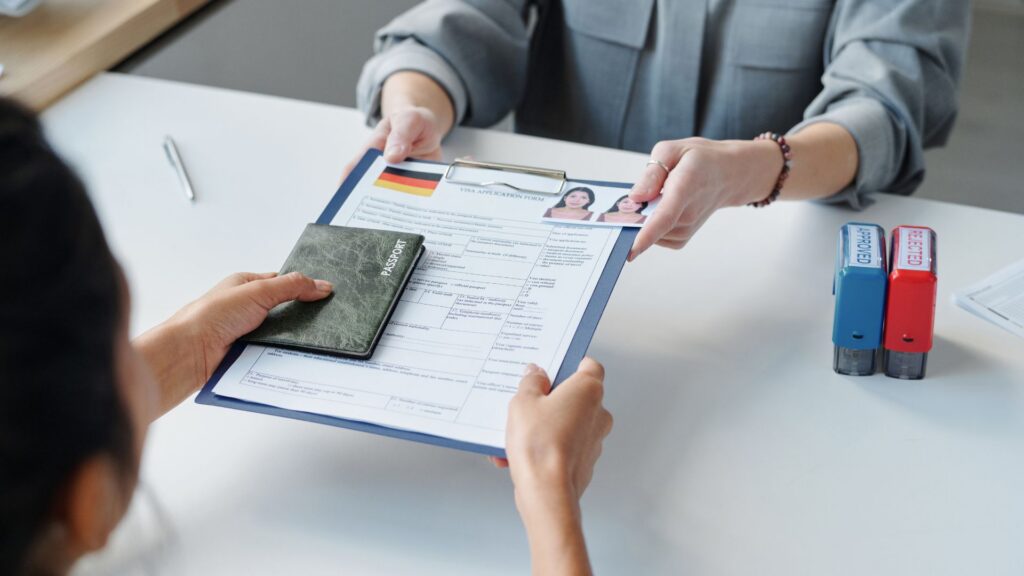
A K-1 visa case can look simple from the outside, but USCIS and the consular officer review far more than engagement photos. They look for a complete relationship history, a lawful path to marriage, consistent statements, and proof that the couple can follow the visa rules after arrival. Dallas K-1 fiancé visa lawyer Faragalla Law helps couples build the case before weak spots become delays.
Dallas couples often face practical issues that do not fit neatly into a form. One partner may live near Uptown or Oak Cliff, while the other is waiting abroad for a consular interview. The couple may have travel records through DFW Airport, family photos from visits overseas, and wedding plans tied to Dallas County. Faragalla Law helps put those details into a clear case record, so the petition feels organized instead of rushed.
What Happens After Your Fiancé Arrives in Dallas
Receiving a K-1 fiancé visa approval is a major milestone, but many couples are surprised to learn that some of the most important immigration steps happen after arrival in the United States. Once your fiancé enters through Dallas Fort Worth International Airport or another U.S. port of entry, the focus shifts from visa approval to marriage compliance, adjustment of status preparation, document preservation, and long-term immigration planning.
The period immediately following arrival often affects how smoothly the marriage green card process unfolds. Small mistakes during these first few months can create delays that last much longer than expected. Missing records, incorrect addresses, incomplete sponsorship documents, and misunderstandings about work authorization frequently become issues later in the process. A Dallas K-1 fiancé visa lawyer can help couples understand exactly what needs attention after entry and how to prepare for the next stage of immigration. Faragalla Law regularly assists couples with these important post-arrival requirements.
Call a Dallas K-1 Fiancé Visa Lawyer at Faragalla Law
A Dallas K- 1 fiancé visa lawyer can help you understand what USCIS and the consular officer may review, from in-person meeting proof to financial sponsorship and post-arrival travel risks. Sam Faragalla brings more than 27 years of immigration experience, and the firm takes a team-based approach for couples who need direct answers during an emotional process.
Your fiancé visa case deserves careful preparation from the first filing through the next immigration step after marriage. Call Faragalla Law at (800) 707-3038 or contact us today to speak with a Dallas K-1 fiancé visa lawyer about your petition, interview concerns, RFE response, or post-arrival filing plan.
How Dallas Fiancé Visa Lawyers Review the Relationship Timeline
The relationship timeline matters because it explains how the couple met, how the relationship developed, when they saw each other in person, and why they now plan to marry. USCIS does not need a romantic essay. It needs a reliable sequence of facts that matches the documents in the filing.
Faragalla Law may review the first contact date, first in-person meeting, later visits, engagement date, family introductions, wedding planning steps, and any major gaps between visits. For example, a couple may have met through family friends, visited in Mexico City, stayed in contact for a year, then planned a Dallas wedding after the fiancé arrives. That story works best when the dates, photos, travel proof, and written statements all support each other.
Travel Records That Prove In-Person Meetings
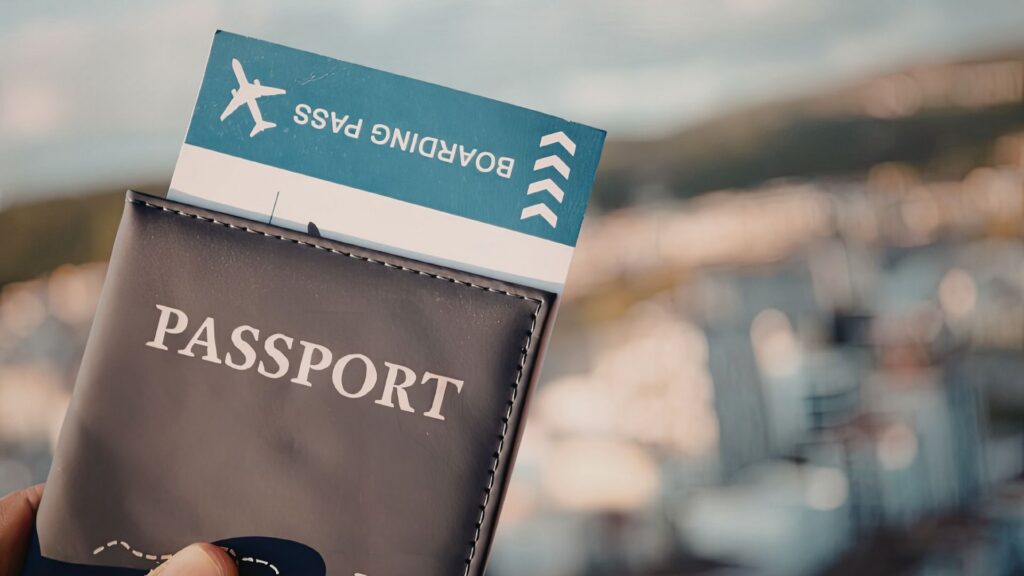
Travel records often carry more weight than a large stack of casual photos. Passport stamps, boarding passes, hotel receipts, flight confirmations, rideshare receipts, restaurant receipts, and dated pictures can help prove that the couple met in person within the required period. These records help the officer connect the relationship to verifiable travel.
For a Dallas petitioner, the record may include flights from DFW Airport, return trips through Dallas Love Field, or receipts from visits abroad. Faragalla Law helps couples decide which records show the meeting most clearly. That prevents the filing from becoming crowded with weak proof while stronger documents sit unused.
Travel Gaps Need a Clear Explanation
A long gap between visits does not automatically mean the relationship lacks proof. Work schedules, military service, school obligations, visa limits, family duties, medical issues, or travel costs may explain why the couple could not meet more often. The case becomes stronger when the explanation matches the couple’s records.
For example, a Dallas petitioner who works in healthcare may have limited vacation time, while the foreign fiancé may face delays in obtaining travel documents. Faragalla Law can help present those facts in a direct way, supported by records when available. This helps the officer see the full timeline instead of assuming the relationship stalled.
Family and Engagement Details That Add Context
Family involvement can help show that the relationship exists outside private messages. Photos with parents, engagement celebrations, religious ceremonies, shared travel with relatives, or wedding planning conversations may add useful context. These details show that the couple treats the relationship seriously.
The evidence should still stay focused. A few strong examples often work better than dozens of repetitive screenshots. Faragalla Law helps couples choose records that show family awareness, future planning, and steady commitment without overwhelming the petition.
Dallas Wedding Plans That Support Intent to Marry
The K-1 visa requires the couple to marry within 90 days after the foreign fiancé enters the United States. Wedding planning records can support that intent when they look practical and realistic. A venue inquiry, religious ceremony discussion, Dallas County marriage license planning, family travel plan, or civil ceremony appointment may all help.
Couples should avoid presenting plans that look vague or disconnected from the timeline. If the fiancé expects to arrive in Dallas in the spring, the wedding plans should make sense for that period. Faragalla Law helps couples prepare proof that supports intent without making promises they cannot keep.
Why K-1 Visa Evidence Needs More Than Screenshots
Many couples assume text messages alone will prove the relationship. Messages help, but they rarely tell the full story by themselves. A strong K-1 fiancé visa petition uses different types of proof that work together.
The case should show contact, visits, emotional commitment, legal eligibility, plans, and consistency across the record. Screenshots may show daily communication, but travel records prove the couple met. Family photos may show public recognition, while wedding plans show intent to marry. Faragalla Law helps Dallas couples build that fuller record before filing.
Communication Samples That Show Real Contact
Communication records should cover the relationship over time. A petition does not need thousands of messages, but it should show steady contact across different stages. Messages from early dating, trip planning, engagement discussions, family conversations, wedding planning, and post-visit follow-ups can each serve a purpose.
Couples should avoid sending random screenshots with no dates or context. A cleaner approach uses selected samples from different months and relationship stages. Faragalla Law helps couples organize those records so the officer can follow the relationship without guessing.
Photos That Match the Couple’s Story
Photos can help, but only when they connect to the timeline. A picture with no date, place, or surrounding explanation may not prove much. Better photos show the couple together during specific visits, with family members, or at meaningful events.
For example, a Dallas petitioner may include photos from a visit abroad, a family dinner, and an engagement gathering. Those images become stronger when they match travel records and written statements. Faragalla Law helps couples avoid relying on pictures alone when the case needs stronger support.
Captions and Dates That Prevent Confusion
A photo packet should not force the officer to guess who appears in each image. Short captions can identify the couple, location, date, and occasion. This helps the evidence move faster and reduces confusion.
Captions also help when family members appear in the record. If the photo shows the petitioner with the fiancé’s parents, say that directly. Small details like this can make the file easier to review.
How a Dallas K-1 Fiancé Visa Lawyer Finds Case Risks
Some K-1 visa cases need extra planning because one fact may raise questions. A prior visa denial, a short courtship, limited in-person visits, past criminal history, prior marriage, or previous immigration filing can affect how the government reviews the case. These issues do not always prevent approval, but they should never be ignored.
A Dallas K-1 fiancé visa lawyer from Faragalla Law looks for those problems early. That gives the couple time to gather records, explain the facts, and prepare for questions before the consular interview. For Dallas couples trying to reunite, early risk review can protect months of planning.
Prior Marriages and Divorce Records
If either partner was married before, the petition must prove that the prior marriage legally ended. Divorce decrees, annulment records, or death certificates may be required. Missing or unclear records can create delays.
The timing also matters. If the couple got engaged before a prior divorce became final, the case may need careful explanation. Faragalla Law reviews these details so the filing does not create avoidable doubts about the legal ability to marry.
Prior Visa Denials and Immigration History
A previous tourist visa denial, student visa issue, overstay, removal order, or misrepresentation concern can affect a fiancé visa case. The couple should know what happened before filing, not after the interview, which becomes difficult. Old immigration records can shape the questions a consular officer asks.
Faragalla Law helps couples review prior filings and identify what needs explanation. If the foreign fiancé once applied for a visitor visa and was denied, the K-1 petition should stay consistent with that history. Clear preparation helps prevent contradictory answers.
Interview Questions Tied to Past Filings
Consular officers may ask about prior travel, earlier visa applications, or past statements to U.S. immigration officials. The answers should match the record. Guessing during the interview can create serious problems.
Preparation helps the fiancé answer directly and truthfully. Faragalla Law can help the couple review likely interview issues before the appointment. That way, the fiancé understands the case record instead of walking into the interview cold.
How Faragalla Law Organizes the K-1 Visa Petition
Faragalla Law helps Dallas couples build a petition that connects each document to the legal requirement it supports. The goal is not to bury the officer in paper. The goal is to present a complete case that answers the main questions before they become problems. Working with a Dallas K-1 fiancé visa lawyer can help make every part of the petition support the same record.
Form I-129F must match the evidence. Names, dates, addresses, prior marriages, travel dates, and immigration history should remain consistent throughout the packet. A mismatch can create confusion even when the couple has a real relationship.
The order of evidence affects how easily the case can be understood. A petition that jumps from photos to divorce records to chat logs to flight receipts may feel disorganized. Better structure helps the officer see the case more clearly. Faragalla Law may group evidence by eligibility, in-person meeting proof, relationship history, intent to marry, and supporting identity records. This makes the file easier to follow. It also helps couples avoid sending duplicate or low-value documents.
What Couples Should Do Immediately After K-1 Visa Entry
The first several weeks after arrival are often filled with wedding planning, family visits, housing arrangements, and adjusting to life together in Dallas. Immigration requirements continue moving forward during that same period. Couples should treat the first month as both a personal transition and a filing preparation window.
Many couples focus entirely on the wedding and overlook important immigration records that may later become critical evidence. Creating an organized file from the beginning can save time and frustration when preparing adjustment of status paperwork. Faragalla Law helps couples identify what to preserve before documents get lost in the move, the wedding, or the first months of married life.
Preserve Every Entry and Travel Record
The foreign fiancé should keep copies of every document connected to entry into the United States. These records establish lawful admission and often become required evidence during the green card process. Losing these records can slow down the next filing stage.
Important records include the passport biographical page, K-1 visa page, entry stamp, boarding passes, flight itineraries, customs documentation, the electronic I-94 arrival record, and any airport admission records. Even documents that seem minor can become useful later. For example, if USCIS questions an entry date or requests clarification regarding admission history, complete records can prevent unnecessary delays.
Why the I-94 Record Matters So Much
The I-94 arrival record is one of the most important documents after the K-1 visa entry. It confirms lawful admission and identifies the immigration category under which the fiancé entered the United States. USCIS often reviews this record during the adjustment of status process.
Errors occasionally occur. An incorrect admission class, misspelled name, or inaccurate entry date can create complications during adjustment of status. Couples should review the I-94 shortly after arrival rather than discovering a problem months later while preparing immigration forms. A Dallas K-1 fiancé visa lawyer often reviews these records early because correcting mistakes can be easier before additional filings are submitted.
Confirm the Exact 90-Day Marriage Deadline
One of the most misunderstood parts of the K-1 visa process involves the marriage deadline. The countdown begins on the date of entry into the United States, not when the couple receives the visa and not when wedding planning begins. This distinction matters because a few weeks of delay can create serious problems.
The foreign fiancé must marry the petitioning U.S. citizen within 90 days of arrival. Missing this deadline can create immigration complications that are often far more difficult to resolve than couples expect. Faragalla Law helps couples calculate the deadline and plan the marriage date with the immigration timeline in mind.
Dallas Wedding Planning Should Account for Immigration Timing
Many couples envision a large wedding celebration with family travel arrangements, venue reservations, and months of planning. Those plans may be meaningful, but immigration deadlines cannot be postponed because a preferred wedding date falls outside the 90 days. The law does not pause for venue availability.
For example, a couple living in Uptown Dallas may initially plan a large ceremony several months away. If that date falls beyond the K-1 deadline, they may need to complete a civil marriage first and hold a larger celebration later. Obtaining certified marriage certificates quickly after the ceremony also matters because those records will likely be needed for the adjustment of status filing.
How Marriage Starts the Dallas K-1 Green Card Process
Marriage marks the transition from fiancé visa status to the permanent residence process. Many couples mistakenly believe that entering the United States on a K-1 visa automatically leads to a green card. In reality, marriage creates eligibility for the next filing stage, but additional applications remain necessary.
After the wedding, the foreign spouse generally applies for adjustment of status to become a lawful permanent resident. This filing requires extensive documentation and often involves evidence that extends beyond what the couple submitted during the fiancé visa petition. Faragalla Law helps Dallas couples prepare for that next phase before the paperwork becomes overwhelming.
Adjustment of Status After Marriage in Dallas
Adjustment of status allows the foreign spouse to remain in the United States while seeking permanent residence. The filing package is often significantly larger than couples anticipate. It can include personal records, financial records, medical documentation, and proof of the marriage.
A complete adjustment filing may include forms, identity documents, marriage records, birth certificates, medical examination documentation, financial sponsorship materials, tax records, employment information, entry documentation, and evidence of the marital relationship. Each document serves a specific purpose, and missing records or inconsistencies can trigger requests for additional evidence that extend processing times.
K-1 Visa Versus Marriage Green Card Filing
The K-1 visa helps the foreign fiancé enter the United States for marriage to the U.S. citizen petitioner. The marriage green card process is the next step after the couple marries. These are connected, but they are not the same filing.
This difference matters because a couple can win the fiancé visa stage and still face problems during adjustment of status if records are missing. Faragalla Law helps couples understand how the earlier petition affects the later green card case. That approach helps prevent the couple from treating visa approval as the end of the process.
Building Strong Marriage Evidence After Arrival
Many couples focus heavily on proving their relationship before the K-1 visa approval and then stop collecting evidence after arrival. That approach can create weaknesses later. USCIS often wants to see how the relationship continued after entry and after marriage.
Evidence showing a shared life together frequently carries weight. Joint leases, utility bills, bank accounts, insurance policies, beneficiary designations, wedding photographs, family event photos, and travel records can all help demonstrate a genuine marital relationship. A newly married couple living in Plano, Richardson, Frisco, or Downtown Dallas should begin preserving these records immediately rather than attempting to recreate evidence months later.
Certified Marriage Records Should Be Ordered Early
The couple should obtain certified marriage records as soon as possible after the ceremony. USCIS usually needs official proof of the marriage, not just photos or informal documents. Waiting too long can delay the adjustment filing.
This can matter when the couple marries in Dallas County but needs records quickly for a filing package. Faragalla Law helps couples identify which marriage documents belong in the case. The right records can help the green card filing move forward with fewer document issues.
Financial Sponsorship Requirements Become More Important
The financial sponsorship portion of the green card process often receives less attention than relationship evidence, yet it remains one of the most common sources of delays. The U.S. citizen spouse generally must demonstrate sufficient income to support the immigrant spouse. This requires more than simply showing current employment.
USCIS may review tax returns, W-2 forms, pay statements, employment verification letters, household size calculations, prior sponsorship obligations, and self-employment records when evaluating eligibility. A Dallas K-1 fiancé visa lawyer can help identify whether the sponsorship packet needs extra documentation before filing.
Income Challenges Require Early Planning
Certain financial situations deserve additional attention before filing. Recent job changes, self-employment income, commission-based compensation, seasonal work, missing tax returns, multiple dependents, or prior immigration sponsorships can all require additional documentation. These issues are manageable when identified early.
A Dallas resident who recently transitioned from one employer to another may have adequate income but still needs extra evidence to demonstrate financial eligibility. Faragalla Law frequently assists couples with financial sponsorship preparation and review. That review can reduce the risk of a request for more evidence based on incomplete income proof.
Can Your Fiancé Work After Arriving on a K-1 Visa
One of the most common questions couples ask after arrival involves employment. Many foreign fiancés understandably want to begin working as soon as possible, especially when adjusting to the cost of living in Dallas. Rent, transportation, insurance, and household expenses can make the waiting period feel stressful.
Employment authorization rules are more restrictive than many people realize. Entering the United States on a K-1 visa does not automatically mean the fiancé can begin working right away. Faragalla Law helps couples understand the difference between arriving lawfully, marrying on time, applying for adjustment, and receiving work permission.
Work Authorization During Adjustment of Status
Entering the United States on a K-1 visa does not automatically grant unrestricted employment authorization. The foreign spouse generally needs proper authorization before accepting employment. The timing can affect job offers, start dates, and household budgeting.
Many couples submit an employment authorization application together with the adjustment of status package. Once approved, the spouse may be eligible to work while the green card application remains pending. A Dallas K-1 fiancé visa lawyer can help couples plan for this filing so employment questions do not get handled too late.
Common Employment Mistakes After Arrival
Unauthorized employment issues often arise in situations that initially seem harmless. Working for cash, performing freelance services, helping at a family-owned business, accepting consulting work, or engaging in paid online activities can all raise immigration concerns if proper authorization has not been obtained.
Some individuals assume that because they are married to a U.S. citizen, employment restrictions no longer apply. That assumption can create avoidable immigration complications. Before accepting any paid work, couples should understand exactly what authorization is required. Faragalla Law helps clients review employment-related concerns during the adjustment process.
Can Your Fiancé Travel After Entering on a K-1 Visa
Travel becomes significantly more complicated after a K-1 visa entry than many couples expect. International trips that seem routine can create serious immigration consequences if proper procedures are not followed. This is especially important after marriage and during the adjustment of status process.
Before booking flights or making overseas plans, couples should understand how travel interacts with pending immigration applications. A Dallas K-1 fiancé visa lawyer can help review whether the foreign spouse may need travel authorization before leaving the United States. Faragalla Law helps couples think through travel before a family emergency or celebration forces a rushed decision.
International Travel During the Green Card Process
After marriage and adjustment of status filing, international travel generally requires careful review. In many situations, the foreign spouse should obtain appropriate travel authorization before departing the United States. Leaving without proper authorization can jeopardize a pending adjustment application.
This issue commonly arises when family emergencies occur overseas, relatives schedule weddings abroad, parents become ill, cultural ceremonies are planned outside the United States, or international vacations are booked before the couple understands immigration restrictions. The safest plan is to review travel before buying tickets.
Emergency Travel Situations Require Immediate Attention
Unexpected emergencies often create difficult decisions. Imagine a newly married spouse in Dallas receives news that a parent overseas has suffered a serious medical event. The desire to travel immediately is understandable, but immigration consequences still need review before departure.
Emergencies frequently require individualized analysis because the wrong decision can affect months of immigration progress. Faragalla Law helps couples evaluate travel risks before making important decisions. This can help the couple respond to the emergency without accidentally damaging the pending case.
Why Dallas Couples Need K-1 Visa Help After Arrival
The period between arrival and permanent residence often moves faster than couples anticipate. Every stage connects to the next. Entry records support adjustment of status. Marriage timing affects eligibility. Financial sponsorship influences approval. Employment authorization affects household planning. Travel decisions can impact pending applications.
When viewed individually, each requirement may seem manageable. Taken together, the post-arrival stage involves deadlines, forms, supporting documents, and procedural rules. Faragalla Law helps Dallas couples keep the process organized after the fiancé arrives, so the next filing stage does not become reactive.

Avoiding Delays Before They Start
Many immigration delays originate from preventable issues rather than complex legal problems. Common examples include missing I-94 records, incorrect addresses, incomplete sponsorship documentation, insufficient marriage evidence, delayed adjustment filings, travel mistakes, and employment misunderstandings. These issues often appear months after the original mistake.
Addressing these concerns early can create a smoother path toward permanent residence. A Dallas K-1 fiancé visa lawyer can help couples identify and resolve these issues before they become obstacles. Faragalla Law helps clients prepare for the next filing step instead of waiting for a problem notice.