









CR-1 Visa Guide: How to Bring Your Spouse to the U.S. as a Conditional Resident

Detailed Information

The CR-1 Visa is an immigrant visa category that allows the foreign spouse of a U.S. citizen to enter the United States as a Conditional Resident. The “CR” stands for “Conditional Resident,” indicating that the residency status granted is conditional and subject to certain requirements. This visa is specifically designed for couples who have been married for less than two years at the time of visa issuance.

Understanding Conditional Residency

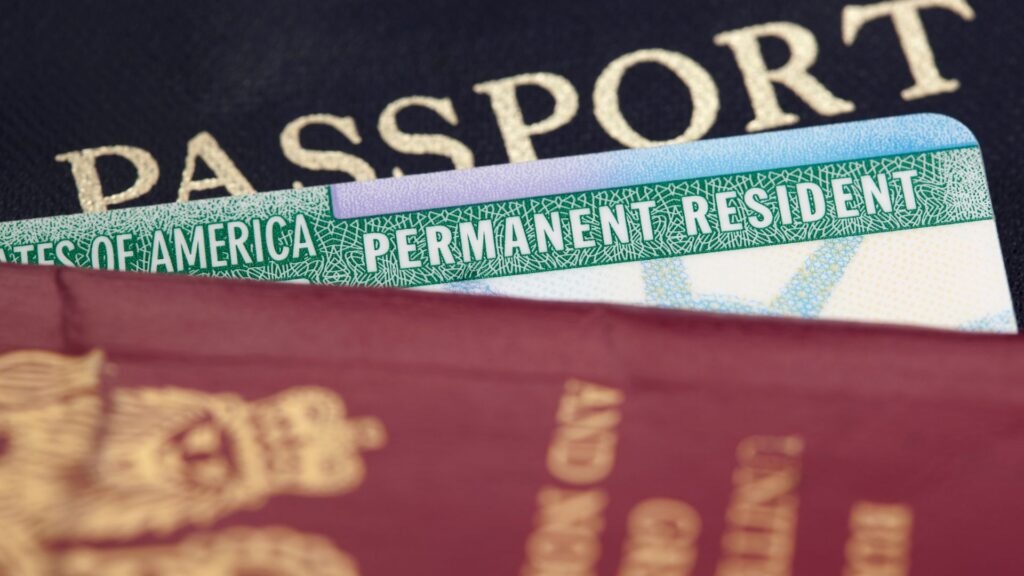
When a marriage is less than two years old, U.S. immigration law imposes a conditional period on the foreign spouse’s permanent resident status. This is to ensure that the marriage is genuine and not entered into solely for immigration benefits. The conditional residency is valid for two years from the date of entry into the United States.
During this two-year period, the couple must demonstrate that their marriage is bona fide. Before the conditional residency expires, they are required to file a joint petition to remove the conditions, allowing the foreign spouse to become a full permanent resident.

Purpose of the CR-1 Visa
The CR-1 visa serves several important purposes within the U.S. immigration system:

  • Facilitating Family Reunification: It enables U.S. citizens to bring their foreign spouses to live with them permanently in the United States.
  • Ensuring Marriage Authenticity: The conditional aspect allows the U.S. government to verify the legitimacy of the marriage over time, deterring fraudulent marriages arranged solely for immigration purposes.

Legal Basis and Regulations
The CR-1 visa is governed by the Immigration and Nationality Act (INA), particularly under sections related to immediate relatives of U.S. citizens. The visa process is administered by both the U.S. Citizenship and Immigration Services (USCIS) and the U.S. Department of State through its consular offices abroad.
Key legal points include:

  • Immediate Relative Category: Spouses of U.S. citizens are classified as immediate relatives, meaning there are no numerical limits or quotas on the number of visas issued annually in this category.
  • Conditional Residence under INA Section 216: This section outlines the requirements and procedures for conditional permanent residents, including the necessity to file a joint petition to remove conditions.

Features of the CR-1 Visa

  1. Immigrant Visa Status: The CR-1 is an immigrant visa, granting the holder conditional permanent residency upon entry into the U.S.
  2. Work Authorization: Holders are automatically authorized to work in the United States without the need for an Employment Authorization Document (EAD).
  3. Travel Flexibility: Conditional residents can travel outside the United States and re-enter without obtaining additional permissions, such as advance parole.
  4. Social Benefits: Eligible to obtain a Social Security Number and, in some cases, access certain government benefits available to permanent residents.
  5. Inclusion of Children: Unmarried children under 21 may also qualify for immigration benefits under the CR-2 Visa category as derivatives of the primary applicant.

Conditional Residency Explained
Conditional residency is a safeguard against immigration fraud. It requires the foreign spouse to prove that the marriage is ongoing and entered in good faith. Key aspects include:

  • Joint Petition Requirement: Both spouses must file Form I-751, Petition to Remove Conditions on Residence, within the 90-day period before the two-year anniversary of the foreign spouse’s entry into the U.S.
  • Evidence of Genuine Marriage: The couple must provide documentation such as joint financial records, property leases, insurance policies, and evidence of cohabitation.
  • Waivers: In certain circumstances, the foreign spouse may apply for a waiver of the joint filing requirement, such as in cases of divorce, abuse, or if the U.S. citizen spouse has died.

Distinction from Other Spousal Visas
Understanding the CR-1 visa involves recognizing how it differs from similar visa types:

  • CR-1 vs. IR-1 Visa:
    • CR-1 Visa: For spouses married less than two years; grants conditional permanent residency.
    • IR-1 Visa: For spouses married more than two years; grants immediate unconditional permanent residency (10-year Green Card).
  • CR-1 vs. K-3 Visa:
    • CR-1 Visa: Immigrant visa leading directly to conditional permanent residency.
    • K-3 Visa: Nonimmigrant visa intended to shorten the physical separation between spouses by allowing the foreign spouse to enter the U.S. while the immigrant visa petition is pending.

Benefits of the CR-1 Visa

  • Permanent Residency Pathway: Provides a clear path to obtaining a Green Card and eventually U.S. citizenship.
  • No Need for Adjustment of Status: Since it’s an immigrant visa, there is no need to apply for adjustment of status after entering the U.S., unlike some nonimmigrant visa holders.
  • Access to Rights and Privileges: Ability to live, work, and study in the United States with most of the rights of a permanent resident.
  • Avoiding Long Separation: Allows couples to be together in the U.S. relatively quickly compared to other visa processes.

Obligations of CR-1 Visa Holders

  • Compliance with U.S. Laws: Must abide by all federal, state, and local laws.
  • Removal of Conditions: Required to file Form I-751 jointly with the U.S. citizen spouse before the conditional Green Card expires.
  • Maintaining the Marriage: The conditional residency is contingent upon the marriage remaining valid and genuine.

Potential Challenges

  • Evidence Gathering: Collecting sufficient evidence to prove the authenticity of the marriage can be complex and requires careful documentation.
  • Conditional Status Risks: Failure to remove conditions in a timely manner can result in loss of residency status and initiation of removal proceedings.
  • Changes in Marital Status: Divorce or separation within the conditional period can complicate the process of obtaining full permanent residency.

Relevance in the Immigration System
The CR-1 visa is a critical component of the U.S. immigration system’s emphasis on family reunification, balanced with measures to prevent fraud. It reflects the policy goal of allowing U.S. citizens to live with their foreign spouses in the United States while ensuring that immigration benefits are not misused.
Historical Context

  • Immigration Marriage Fraud Amendments of 1986: Introduced the concept of conditional residency to combat marriage fraud.
  • Evolution of Spousal Immigration: Over the years, laws have adapted to address concerns about fraud while facilitating legitimate family-based immigration.

Conclusion
The CR-1 visa is more than just a means to enter the United States; it’s a commitment to building a life together in a new country. It requires both spouses to actively participate in the immigration process, demonstrating their genuine relationship and adherence to legal requirements. Understanding the nuances of the CR-1 visa is essential for couples considering this path.


At Faragalla Law, we specialize in guiding clients through the complexities of the CR-1 visa process. Our expertise ensures that you are well-informed and prepared every step of the way.


Disclaimer: This information is provided for educational purposes and does not constitute legal advice. Immigration laws are subject to change, and individual circumstances can vary. For personalized guidance, please consult a qualified immigration attorney or official government resources.

(Eligibly Requirements)

Obtaining a CR-1 visa is a multi-step process that requires both the U.S. citizen petitioner and the foreign national spouse to meet specific eligibility criteria. Understanding these requirements is crucial for a successful application. This section provides a comprehensive overview of the eligibility criteria, ensuring you are well-prepared for each stage of the process.

Eligibility Criteria for the U.S. Citizen Petitioner

  1. U.S. Citizenship
  • Proof of Citizenship: The petitioner must be a U.S. citizen. Acceptable documents include:
    • U.S. passport
    • U.S. birth certificate
    • Certificate of Naturalization
    • Certificate of Citizenship
  1. Legal Marriage
    • Valid Marriage: Must be legally married to the foreign national spouse. This includes marriages performed abroad, provided they are legally recognized in the country where they occurred.
    • Termination of Prior Marriages: All previous marriages must have been legally terminated through divorce, annulment, or death. Documentation such as divorce decrees or death certificates is required.
  2. Age Requirement
    • Minimum Age: While there is no minimum age to file Form I-130, the petitioner must be at least 18 years old to sign the Affidavit of Support (Form I-864) during the National Visa Center processing stage.
  3. Financial Ability
    • Income Requirements: Must demonstrate the ability to financially support the foreign spouse at 125% above the Federal Poverty Guidelines.
    • Affidavit of Support (Form I-864): A legally binding contract where the petitioner agrees to support the spouse financially.
    • Use of Joint Sponsor: If the petitioner doesn’t meet income requirements, a joint sponsor (U.S. citizen or lawful permanent resident) can assist.
  4. Domicile in the United States
    • Residency: Must have a primary residence in the U.S. If living abroad, the petitioner must intend to re-establish domicile in the U.S. before or at the same time the spouse immigrates.

Eligibility Criteria for the Foreign National Spouse

  1. Valid Marriage
    • Legal Recognition: The marriage must be legally valid in the country where it was performed.
    • Proof of Marriage: Provide a marriage certificate and evidence that prior marriages for both spouses have been legally terminated.
  2. Genuine Relationship
    • Bona Fide Marriage: The marriage must be genuine and not entered into solely for immigration benefits.
    • Evidence of Relationship: Include joint bank accounts, property ownership, photographs, correspondence, and affidavits from friends and family.
  3. Admissibility to the United States
  • No Grounds of Inadmissibility: Must not be barred from entering the U.S. due to:
    • Health-related issues: Communicable diseases, lack of required vaccinations.
    • Criminal history: Convictions for crimes involving moral turpitude, drug trafficking, terrorism.
    • Security concerns: Espionage, sabotage activities.
    • Public charge: Likelihood of becoming dependent on government assistance.
    • Previous immigration violations: Overstays, deportations, misrepresentation.
  1. Medical Examination
    • Authorized Physician: Must undergo a medical exam conducted by a physician approved by the U.S. embassy or consulate.
    • Vaccinations: Required vaccinations must be up-to-date per U.S. immigration law.
  2. Valid Passport
    • Travel Document: Must possess a passport valid for at least six months beyond the intended date of entry into the U.S.
  3. Police Certificates
    • Background Checks: Obtain police certificates from countries where the spouse has lived for more than six months since turning 16.

Joint Requirements

  1. Marital Status
    • Legal Capacity to Marry: Both parties must have been free to marry at the time of the marriage (i.e., not already married to someone else).
  • Recognition of Marriage Types:
    • Same-Sex Marriages: Recognized if legally valid in the country where performed.
    • Common-Law Marriages: Accepted if recognized in the jurisdiction where it occurred.
  1. Age and Consent
    • Legal Age: Both spouses must meet the legal age requirements for marriage in the country where the marriage took place.
    • Consent: Marriage must be entered into voluntarily by both parties.

Special Considerations

  1. Previous Immigration Petitions
    • Multiple Petitions: If the U.S. citizen petitioner has previously sponsored a spouse or fiancée, additional scrutiny may be applied.
    • Marriage Fraud Bar: A prior finding of marriage fraud can permanently bar the petitioner from sponsoring another spouse.
  2. Criminal History of Petitioner
    • Adam Walsh Act: Petitioners with certain criminal convictions involving minors may be ineligible to sponsor a spouse unless they can demonstrate they pose no risk.
  3. Public Charge Considerations
    • Financial Obligations: The petitioner must prove the ability to support the foreign spouse to prevent them from becoming a public charge.
  4. Military Service
    • Expedited Processing: Certain benefits may be available to military personnel, such as faster processing times.

Evidence to Support Eligibility

  1. For U.S. Citizen Petitioner
    • Proof of Citizenship: As previously mentioned.
  • Financial Documents:
    • Recent federal tax returns
    • Pay stubs
    • Employment verification letter
    • Bank statements
  • Proof of Domicile:
    • Property ownership or lease agreements
    • Utility bills
    • U.S. driver’s license or state ID
  1. For Foreign National Spouse
  • Civil Documents:
    • Birth certificate
    • Previous marriage termination documents
    • Police Certificates: From all countries of residence.
    • Medical Examination Report: Sealed envelope from the panel physician.
    • Evidence of Relationship: As previously detailed.

Common Reasons for Ineligibility

  1. Insufficient Proof of Genuine Marriage
    • Lack of shared financial accounts, property, or social recognition of the relationship.
  2. Financial Inadequacy
    • Petitioner does not meet income requirements and cannot find a suitable joint sponsor.
  3. Inadmissibility Issues
    • Health concerns without appropriate waivers.
    • Serious criminal convictions without available waivers.
  4. Immigration Violations
    • Past deportations or misrepresentation during immigration processes.
  5. Fraud or Misrepresentation
    • Providing false information or fraudulent documents can lead to denial and potential bans.

Overcoming Ineligibility

  1. Waivers
    • I-601 Waiver: For certain grounds of inadmissibility, demonstrating that refusal of admission would result in extreme hardship to the U.S. citizen spouse.
    • I-212 Waiver: For prior deportations, allowing reapplication for admission.
  2. Additional Evidence
    • Submitting more comprehensive documentation to prove eligibility.
  3. Legal Assistance
    • Consulting with an immigration attorney to navigate complex issues and present the strongest possible case.

Steps to Ensure Eligibility

  1. Early Preparation
    • Begin collecting necessary documents as soon as possible.
  2. Honest Communication
    • Provide truthful and complete information on all forms and during interviews.
  3. Professional Guidance
    • Seek assistance from immigration professionals to avoid common pitfalls.
  4. Financial Planning
    • Review the Federal Poverty Guidelines and ensure you meet or exceed the required income level.
  5. Medical and Legal Clearances
    • Schedule medical exams and obtain police certificates in a timely manner.

How Faragalla Law Can Assist
At Faragalla Law, we are dedicated to helping you navigate the eligibility requirements for the CR-1 visa with confidence:

  • Comprehensive Eligibility Assessment: We evaluate your unique circumstances to identify any potential challenges early in the process.
  • Customized Documentation Checklists: Provide tailored lists of required documents to ensure nothing is overlooked.
  • Expert Guidance on Waivers: If inadmissibility issues arise, we guide you through the waiver application process.
  • Financial Requirement Strategies: Assist in understanding and meeting the financial sponsorship obligations, including finding joint sponsors if necessary.
  • Proprietary Technology for Efficiency: Our advanced technology streamlines the preparation of forms based on your personalized questionnaire responses, reducing errors and saving time.
  • Consular Interview Preparation: Equip you with the knowledge and confidence to succeed in your consular interview.

Step by Step Process

Applying for a CR-1 visa involves several stages, each with specific requirements and procedures. This step-by-step guide will help you understand the entire process, from the initial petition to entering the United States as a conditional permanent resident.
Overview of the CR-1 Visa Process
The CR-1 visa application typically involves the following stages:

  1. Filing the Petition with USCIS
  2. Processing with the National Visa Center (NVC)
  3. Consular Interview and Visa Issuance
  4. Entry into the United States
  5. Removal of Conditions

Stage 1: Filing the Petition with USCISStep 1: Prepare and File Form I-130 and Form I-130A

  • Form I-130: Petition for Alien Relative
    • Purpose: Establishes the qualifying relationship between the U.S. citizen petitioner and the foreign spouse.
    • Who Completes: The U.S. citizen petitioner.
  • Form I-130A: Supplemental Information for Spouse Beneficiary
    • Purpose: Provides additional information about the foreign spouse.
    • Who Completes: The foreign spouse beneficiary.

Supporting Documents:

  • Proof of U.S. Citizenship: Copy of U.S. passport, birth certificate, or naturalization certificate.
  • Marriage Certificate: Legal document proving the marriage.
  • Evidence of Bona Fide Marriage: Photos together, joint financial statements, lease agreements, affidavits from friends and family.
  • Proof of Termination of Prior Marriages: Divorce decrees or death certificates, if applicable.
  • Passport-Style Photos: One of the petitioner and one of the beneficiary.

Filing Fee:

  • $675 payable to the U.S. Department of Homeland Security.

Submission:

  • Mail the completed forms, supporting documents, and filing fee to the appropriate USCIS Lockbox Facility. The address depends on your location; refer to the USCIS website for details.

Step 2: Receive Receipt Notice

  • Form I-797C, Notice of Action: Acknowledges that USCIS has received your petition. Keep this for your records; it contains your case number.

Step 3: USCIS Processing

  • Processing Time: Varies, but typically takes 7–10 months.
  • Requests for Evidence (RFEs): If additional information is needed, USCIS will issue an RFE. Respond promptly with the requested documents.

Step 4: Approval Notice

  • Form I-797, Notice of Action: Indicates that your petition has been approved.
  • Case Forwarded to NVC: USCIS sends your approved petition to the National Visa Center for further processing.

Stage 2: National Visa Center (NVC) ProcessingStep 5: NVC Case Number Assignment

  • Notification: NVC assigns a case number and sends instructions via email or mail to both petitioner and beneficiary.

Step 6: Pay Required Fees

  • Affidavit of Support Fee (AOS Fee)$120
  • Immigrant Visa Application Processing Fee$325
  • Payment Method: Fees are paid online through the Consular Electronic Application Center (CEAC) portal.

Step 7: Submit Form DS-260

  • Form DS-260: Immigrant Visa Electronic Application
    • Who Completes: The foreign spouse beneficiary.
    • Submission: Online via the CEAC portal.
    • Information Required: Personal, educational, and employment history; previous U.S. visits; security and background information.

Step 8: Submit Form I-864

  • Form I-864: Affidavit of Support
    • Who Completes: The U.S. citizen petitioner (and joint sponsor, if needed).
    • Purpose: To demonstrate financial ability to support the beneficiary at 125% above the Federal Poverty Guidelines.
  • Supporting Documents:
    • Recent federal tax returns (usually last 3 years).
    • W-2s and 1099s.
    • Pay stubs or employment verification letters.
      • Proof of assets, if applicable.

Step 9: Submit Civil Documents

  • Documents Required:
    • Birth certificates.
    • Marriage certificate.
    • Police certificates from countries where the beneficiary has lived for more than 6 months since age 16.
    • Court and prison records, if applicable.
    • Military records, if applicable.
    • Photocopy of the biographical page of the beneficiary’s passport.
  • Submission: Upload scanned copies to the CEAC portal.

Step 10: Document Review

  • NVC Processing Time: Typically 1–3 months.
  • Communication: NVC will notify you if any documents are missing or incomplete.
  • Case Complete: Once all documents are accepted, NVC schedules your interview.

Stage 3: Consular Interview and Visa IssuanceStep 11: Receive Interview Appointment

  • Notification: NVC sends an appointment letter with the date, time, and location of your visa interview at the U.S. Embassy or Consulate.

Step 12: Schedule Medical Examination

  • Authorized Physician: Must be performed by a doctor approved by the U.S. Embassy or Consulate.
  • Documents to Bring:
    • Passport.
    • Appointment letter.
    • Vaccination records.
  • Costs: Varies by country (approx. $200–$500).

Step 13: Gather Original Documents

  • Bring to Interview:
    • Original civil documents and translations.
    • Proof of relationship (additional photos, correspondence).
    • Updated financial documents, if necessary.

Step 14: Attend Visa Interview

  • Interview Day:
    • Arrive early with all required documents.
    • Be prepared to answer questions about your relationship, background, and eligibility.
  • Possible Outcomes:
    • Approval: Consular officer approves the visa.
    • Administrative Processing: Additional review is needed.
    • Denial: You will receive a letter explaining the reasons and any possible remedies.

Step 15: Visa Issuance

  • Visa Packet: You will receive a sealed envelope containing your visa packet, which must not be opened.
  • Visa Validity: Generally valid for 6 months from the date of issuance.

Stage 4: Entry into the United StatesStep 16: Pay USCIS Immigrant Fee

  • Fee Amount$220
  • Purpose: Covers the cost of producing your Green Card.
  • Payment: Online through the USCIS website before traveling to the U.S.

Step 17: Travel to the United States

  • Port of Entry:
    • Present your passport with the CR-1 visa and the sealed visa packet to the Customs and Border Protection (CBP) officer.
    • Undergo inspection and questioning.
  • Conditional Permanent Resident Status:
    • Upon admission, you become a conditional permanent resident.
    • Your passport will be stamped to indicate your status.

Step 18: Receive Your Green Card

  • Delivery: Mailed to the U.S. address you provided, typically within 45 days.
  • Validity: The conditional Green Card is valid for 2 years.

Stage 5: Removal of ConditionsStep 19: Prepare to File Form I-751

  • When to File:
    • Within the 90-day period before your conditional Green Card expires.
  • Form I-751: Petition to Remove Conditions on Residence.
  • Filing Fee:
    • $750 filing fee.
    • $85 biometrics fee.
  • Purpose: To obtain a 10-year permanent resident card.

Supporting Documents:

  • Evidence of Continued Bona Fide Marriage:
    • Joint tax returns.
    • Lease or mortgage agreements.
    • Joint bank accounts.
    • Birth certificates of children born into the marriage.
    • Affidavits from friends and family.

Step 20: Attend Biometrics Appointment

  • Notification: USCIS will send an appointment notice.
  • Purpose: Collect fingerprints, photograph, and signature.

Step 21: USCIS Processing

  • Processing Time: May take 12–18 months.
  • Extension of Status:
    • USCIS provides a receipt notice extending your conditional residency for 18 months while your I-751 is pending.

Step 22: Receive 10-Year Green Card

  • Approval: USCIS approves your petition and mails your new Green Card.
  • Validity: The new card is valid for 10 years and can be renewed indefinitely.
  • Additional ConsiderationsChildren (CR-2 Visas):
    • Unmarried children under 21 may be eligible for CR-2 visas.
    • Process is similar but requires separate applications.
  • Travel During Processing:
    • After filing I-751, you can travel using the extension notice and expired Green Card.
    • Always carry your passport and these documents when traveling.
  • Applying for U.S. Citizenship:
    • You may be eligible to apply for naturalization after 3 years of permanent residency if married to a U.S. citizen.
  • Tips for a Successful ApplicationAccuracy:
    • Double-check all forms for errors.
    • Ensure consistency across all documents.
  • Documentation:
    • Provide ample evidence of your relationship.
    • Organize documents clearly.
  • Communication:
    • Keep copies of all correspondence.
    • Respond promptly to any requests from USCIS or NVC.
  • Professional Assistance:
    • Consider consulting with an immigration attorney to navigate complex issues.

How Faragalla Law Can AssistAt Faragalla Law, we’re committed to making your CR-1 visa journey as smooth as possible:

  • Expert Guidance:
    • Navigate each step with personalized advice.
  • Proprietary Technology:
    • Utilize our advanced system to electronically prepare all required forms based on your questionnaire responses, ensuring accuracy and efficiency.
  • Document Review:
    • Thoroughly check all documents to avoid delays.
  • Interview Preparation:
    • Provide coaching and resources to help you succeed in your consular interview.
  • Ongoing Support:
    • Assist with removal of conditions and any future immigration needs.

Embarking on the CR-1 visa process can be complex, but with the right guidance and preparation, you can reunite with your spouse in the United States. Faragalla Law is here to support you every step of the way.

Possible Problems

Applying for a CR-1 visa can be a complex and daunting task, especially without the guidance of an experienced immigration professional. This section highlights common issues that applicants may encounter when attempting to navigate the process on their own, including Requests for Evidence (RFEs), delays, and denials. Being aware of these potential pitfalls can help you take proactive steps to avoid them.
1. Errors and Omissions in Application Forms
Common Issues:

  • Incomplete Forms: Leaving sections blank or incomplete on forms like Form I-130Form DS-260, or Form I-864.
  • Incorrect Information: Providing inaccurate personal details, dates, or inconsistent information across different forms.
  • Improper Formatting: Not following USCIS guidelines for document submission, such as incorrect photo specifications or improperly assembled application packets.

Consequences:

  • RFEs: USCIS may issue a Request for Evidence, causing delays.
  • Application Rejection: Forms may be returned unprocessed.
  • Denials: Significant errors can lead to outright denials.

Example:

  • Incorrect Filing Fee: Submitting the wrong fee amount can result in the entire application being rejected and returned.

2. Insufficient Evidence of a Bona Fide Marriage
Common Issues:

  • Lack of Supporting Documents: Not providing enough evidence to prove the genuineness of the marriage.
  • Poor Quality Evidence: Submitting unclear or irrelevant documents.
  • Inconsistent Evidence: Discrepancies in the information provided.

Consequences:

  • RFEs: Additional evidence will be requested.
  • Denials: Failure to convince USCIS of a bona fide marriage can result in denial.

Example:

  • Inadequate Relationship Proof: Only submitting wedding photos without any joint financial documents or affidavits.

3. Missing Deadlines and Delayed Responses
Common Issues:

  • Late Submission of RFEs: Not responding to Requests for Evidence within the specified time frame.
  • Missing Filing Windows: Failing to file Form I-751 to remove conditions within the 90-day window before the Green Card expires.
  • Delayed Fee Payments: Not paying NVC fees promptly.

Consequences:

  • Application Abandonment: USCIS may consider the application abandoned.
  • Loss of Status: Failure to remove conditions can result in loss of permanent resident status.
  • Additional Delays: Overall processing time increases significantly.

Example:

  • Missed RFE Deadline: Ignoring an RFE due to oversight leads to application denial.

4. Financial Sponsorship Problems
Common Issues:

  • Insufficient Income: Petitioner does not meet the 125% Federal Poverty Guidelines requirement.
  • Incorrect Form Completion: Errors in Form I-864, Affidavit of Support.
  • Lack of Supporting Documents: Missing tax returns, employment letters, or proof of assets.

Consequences:

  • RFEs: Requests for additional financial evidence.
  • Denials: Visa can be denied if financial requirements aren’t met.

Example:

  • No Joint Sponsor: Petitioner doesn’t qualify financially and doesn’t secure a joint sponsor.

5. Medical Examination and Health-Related Issues
Common Issues:

  • Incorrect Medical Procedures: Undergoing medical examination with a non-authorized physician.
  • Incomplete Vaccinations: Not receiving all required vaccinations.
  • Failure to Disclose Medical Conditions: Omitting information about medical issues.

Consequences:

  • Visa Delays: Need to redo the medical exam.
  • Inadmissibility: Certain medical conditions can lead to visa denial.

Example:

  • Unauthorized Physician: Medical exam conducted by a general doctor instead of a panel physician approved by the consulate.

6. Police Certificates and Criminal History
Common Issues:

  • Missing Police Certificates: Not obtaining required police certificates from all countries of residence.
  • Undisclosed Criminal Records: Failing to disclose past arrests or convictions.
  • Incomplete Records: Providing incomplete or outdated police certificates.

Consequences:

  • RFEs: Delays due to requests for missing documents.
  • Denials: Visa denial due to inadmissibility on criminal grounds.

Example:

  • Omitted Conviction: Not disclosing a minor offense that appears in background checks leads to denial.

7. Inadmissibility Due to Immigration Violations
Common Issues:

  • Previous Overstays: Past unlawful presence in the U.S.
  • Misrepresentation: Providing false information in prior visa applications.
  • Deportation Orders: Overlooking previous removal orders.

Consequences:

  • Denials: Immediate denial of the visa application.
  • Bans: Possible entry bans ranging from 3 to 10 years or permanent.

Example:

  • Misrepresentation: Lying about previous visa denials results in a permanent bar.

8. Failure to Prove Domicile
Common Issues:

  • Petitioner Residing Abroad: U.S. citizen petitioner living outside the U.S. without intent to re-establish domicile.
  • Insufficient Proof: Inadequate evidence of plans to return to the U.S.

Consequences:

  • RFEs: Requests for additional evidence of domicile.
  • Denials: Visa denial if domicile requirement isn’t met.

Example:

  • No U.S. Address: Petitioner doesn’t have a U.S. residence or job prospects.

9. Miscommunication and Lack of Documentation
Common Issues:

  • Ignoring Official Communications: Failing to read or respond to notices from USCIS or NVC.
  • Lost Documents: Misplacing important documents like the Notice of Action or appointment letters.
  • Language Barriers: Misunderstanding instructions due to language difficulties.

Consequences:

  • Missed Appointments: Leading to delays or case closure.
  • Application Denials: Due to non-compliance with requests.

Example:

  • Unopened Mail: Missing an interview because the appointment letter was overlooked.

10. Consular Interview Challenges
Common Issues:

  • Unpreparedness: Not knowing what to expect during the interview.
  • Inconsistent Answers: Providing answers that don’t match the information in the application.
  • Nervousness or Suspicious Behavior: Causing the officer to doubt the legitimacy of the marriage.

Consequences:

  • Administrative Processing: Further delays due to additional investigations.
  • Denials: Visa may be refused under Section 221(g) or other grounds.

Example:

  • Contradictory Responses: Spouse cannot answer basic questions about the petitioner.

11. Travel Issues During Processing
Common Issues:

  • Traveling to the U.S. on a Tourist Visa: Attempting to enter the U.S. on a B-2 visa while the CR-1 application is pending, which can be seen as immigrant intent.
  • Status Violations: Overstaying or violating terms of a visa during the application process.

Consequences:

  • Denials: Future visas may be denied due to perceived misrepresentation.
  • Removal Proceedings: Risk of being denied entry or deported.

Example:

  • Intent Misrepresentation: Using a tourist visa to join the spouse in the U.S. permanently.

12. Not Using Updated Forms or Procedures
Common Issues:

  • Outdated Forms: Submitting expired versions of USCIS forms.
  • Incorrect Filing Addresses: Sending applications to the wrong USCIS or NVC address.
  • Ignoring Policy Changes: Not adhering to new immigration policies or requirements.

Consequences:

  • Application Rejection: Entire packet returned unprocessed.
  • Delays: Increased processing times due to resubmission.

Example:

  • Old Form Version: Using an outdated Form I-130 that’s no longer accepted.

13. Ignoring Professional Legal Advice
Common Issues:

  • Overconfidence: Believing that online resources are sufficient without recognizing the complexities of immigration law.
  • Misinterpretation of Laws: Misunderstanding eligibility criteria or legal terminology.
  • DIY Approach: Attempting to handle complicated issues like waivers or inadmissibility without expertise.

Consequences:

  • Denials: Incorrect applications lead to rejection.
  • Legal Complications: Potential for appeals or litigation, increasing costs and time.

Example:

  • Waiver Misfiling: Incorrectly filing an I-601 waiver without understanding the legal standards.

14. Failure to Maintain Copies and Records
Common Issues:

  • No Personal Copies: Not keeping copies of submitted forms and supporting documents.
  • Disorganized Documentation: Difficulty tracking what has been sent or received.

Consequences:

  • Inability to Respond to RFEs: Lack of records makes it hard to address issues.
  • Delays: Time lost in reconstructing documents.

Example:

  • Lost Evidence: Misplacing proof of mailing leads to disputes over submission dates.

15. Overlooking Cultural and Language Nuances
Common Issues:

  • Translation Errors: Providing poor translations of required documents.
  • Cultural Misunderstandings: Not anticipating how cultural differences might be perceived during the interview.

Consequences:

  • RFEs: Requests for certified translations.
  • Interview Challenges: Miscommunications may raise red flags.

Example:

  • Uncertified Translation: Submitting a translated marriage certificate without a proper certification.

How Faragalla Law Can Help You Avoid These Pitfalls

Navigating the CR-1 visa process without professional assistance can be risky and may lead to costly delays or denials. At Faragalla Law, we offer comprehensive services to help you avoid these common pitfalls:

  • Expert Legal Guidance:
    • Personalized Consultation: We assess your unique situation to provide tailored advice.
    • Up-to-Date Knowledge: Stay informed about the latest immigration laws and policies.
  • Accurate Form Preparation:
    • Proprietary Technology: Our advanced system electronically prepares all required forms based on your responses to a personalized questionnaire, minimizing errors and omissions.
    • Thorough Review: Experienced attorneys review all documents for accuracy and completeness.
  • Comprehensive Documentation Support:
    • Evidence Gathering: Assistance in collecting and organizing strong evidence of your bona fide marriage.
    • Financial Guidance: Help in meeting sponsorship requirements, including securing joint sponsors if necessary.
  • Timely Communication:
    • Deadline Management: We track all critical deadlines to ensure timely submissions.
    • Responsive Communication: Promptly address any RFEs or inquiries from USCIS or NVC.
  • Interview Preparation:
    • Mock Interviews: Practice sessions to build confidence and prepare for potential questions.
    • Cultural Sensitivity Training: Guidance on navigating cultural nuances during the interview.
  • Problem Resolution:
    • Inadmissibility Issues: Expertise in handling waivers and overcoming grounds of inadmissibility.
    • Appeals and Motions: Representation in case of denials, including filing motions to reopen or appeals.
  • Peace of Mind:
    • Record Keeping: Maintain organized records of all submissions and communications.
    • Ongoing Support: Continuous assistance from initial application through removal of conditions and beyond.

Final ThoughtsThe CR-1 visa process is intricate and filled with potential challenges that can be difficult to navigate without professional help. Mistakes can lead to significant delays, financial loss, and emotional stress. By entrusting your case to Faragalla Law, you benefit from our expertise, dedication, and commitment to reuniting you with your loved one in the United States as smoothly and efficiently as possible.

The ICE Detention Process Explained: Your Guide to Bond, Release, and Legal Relief 🛡️

Understanding ICE Detention

At Faragalla Law, we understand that facing ICE detention can be a stressful and overwhelming experience for both detainees and their families. This guide provides comprehensive information about the detention process, options for release, and various forms of relief available to those detained.

What is ICE Detention?

The U.S. Immigration and Customs Enforcement (ICE) is responsible for enforcing immigration laws within the United States. ICE detention refers to the temporary confinement of individuals awaiting immigration proceedings or the removal (deportation) process.

Reasons for Detention

Individuals may be detained by ICE for various reasons, including:

  • Pending removal proceedings
  • Pending criminal charges
  • Deterrence of illegal immigration
  • Ensuring the individual’s presence for immigration hearings

Rights of Detainees

Even while detained, individuals have certain rights, including:

  • The right to legal representation
  • The right to communicate with family and friends
  • The right to medical care
  • The right to humane treatment

Bond and Release

In some cases, detainees may be eligible for bond, allowing them to be released from custody while their immigration case is pending. Key points include:

  • Bond Eligibility: Not all detainees qualify for bond. Eligibility depends on factors such as the reason for detention and the likelihood of appearing for future hearings.
  • Bond Amount: Determined by an immigration judge based on the individual’s circumstances.
  • Process: A detainee can request a bond hearing where they can present evidence for their release.

Prosecutorial Discretion

Prosecutorial discretion allows ICE to decide whether to pursue removal actions against certain individuals. Factors considered may include:

  • Length of time in the U.S.
  • Family ties in the U.S.
  • Criminal history
  • Contribution to the community

Obtaining prosecutorial discretion can potentially lead to the termination of removal proceedings.

Request for Parole

Parole is a temporary permission to enter or remain in the U.S. It does not confer any permanent immigration status but can be granted for urgent humanitarian reasons or significant public benefit.

  • Eligibility: Individuals may request parole for reasons such as family reunification, medical emergencies, or other compelling circumstances.
  • Application Process: Requires submitting Form I-131, Application for Travel Document, along with supporting documentation.
  • Decision: Parole requests are granted on a case-by-case basis and are discretionary.

Forms of Relief Available to Detainees

Several forms of relief may be available to individuals in ICE detention, depending on their specific circumstances:

  • Asylum: Protection for individuals fearing persecution in their home country based on race, religion, nationality, membership in a particular social group, or political opinion.
  • Cancellation of Removal: Available for certain individuals who have been in the U.S. for a long time, have good moral character, and can demonstrate that their removal would cause exceptional and extremely unusual hardship to a U.S. citizen or lawful permanent resident spouse, parent, or child.
  • Temporary Protected Status (TPS): Granted to individuals from designated countries affected by ongoing armed conflict, environmental disasters, or other extraordinary conditions.
  • Deferred Action for Childhood Arrivals (DACA): Provides protection from deportation and work authorization to eligible individuals who were brought to the U.S. as children.
  • U Visa: For victims of certain crimes who have suffered substantial mental or physical abuse and are helpful to law enforcement in the investigation or prosecution of criminal activity.
  • T Visa: For victims of human trafficking who assist in the investigation or prosecution of trafficking cases.

The ICE Detention Process

Understanding the detention process can help detainees and their families navigate the complexities of immigration proceedings:

  • Initial Detention: Occurs upon apprehension by ICE officers.
  • Notice to Appear: The detained individual receives a Notice to Appear (NTA), initiating removal proceedings.
  • Detention Hearing: An immigration judge determines whether the individual should remain detained or be released, possibly on bond.
  • Immigration Court Proceedings: Includes various hearings where the individual can present their case and apply for forms of relief.
  • Final Order: The judge issues a decision, which can be an order of removal, grant of relief, or continuation of detention.

Common Challenges and Potential Problems

Facing ICE detention involves numerous challenges, including:

  • Limited Access to Legal Representation: Ensuring timely and effective legal assistance is crucial.
  • Complex Legal Procedures: Navigating immigration law requires specialized knowledge.
  • Emotional and Financial Stress: The process can be emotionally taxing and financially burdensome for families.
  • Language Barriers: Miscommunication can hinder the legal process.

How Faragalla Law Can Help

At Faragalla Law, our dedicated team is committed to supporting detainees and their families through every step of the ICE detention process:

  • Comprehensive Legal Representation: We provide skilled legal advocacy in immigration court.
  • Expedited Bond Applications: Assist in filing and arguing for bond to secure release from detention.
  • Prosecutorial Discretion Requests: Guide you through the process of requesting prosecutorial discretion.
  • Parole Applications: Help prepare and submit parole requests for urgent or humanitarian reasons.
  • Relief Applications: Evaluate eligibility and prepare applications for asylum, cancellation of removal, TPS, and other forms of relief.
  • Family Support: Offer compassionate support to families seeking to reunite with their loved ones.
  • Language Assistance: Provide translation services and ensure clear communication throughout the process.
  • Ongoing Support: Stay by your side from initial detention through the resolution of your case.

Facing ICE detention is daunting, but you don’t have to go through it alone. Faragalla Law is here to provide the expertise and compassionate support you need to navigate this challenging time.

Contact Us

If you or a loved one is facing ICE detention, contact Faragalla Law today for a consultation. Our experienced attorneys are ready to help you understand your rights and explore all available options for relief.

Email: info@faragallalaw.com

Phone: (123) 456-7890

Address: 1234 Immigration Blvd, Suite 100, City, State, ZIP

How to Avoid Common TN Visa Pitfalls: Stay Compliant and Secure Your Job❗

TN Visa Information

Detailed Information

The TN Visa is a non-immigrant visa category that allows qualified Canadian and Mexican citizens to seek temporary entry into the United States to engage in professional business activities. Established under the United States-Mexico-Canada Agreement (USMCA), formerly known as the North American Free Trade Agreement (NAFTA), the TN visa facilitates the seamless movement of professionals between these neighboring countries.

Understanding the TN Visa Classification

The TN visa is specifically designed for professionals in designated occupations who possess the necessary qualifications and intend to work in the United States on a temporary basis. Unlike other work visas, the TN visa offers a streamlined application process, particularly for Canadian citizens who can apply directly at a U.S. port of entry without the need for prior petition approval from U.S. Citizenship and Immigration Services (USCIS).

Purpose of the TN Visa

The TN visa serves several key purposes within the U.S. immigration and economic framework:

  • Facilitating Professional Mobility: Enables skilled professionals from Canada and Mexico to work in the United States, supporting cross-border business operations.
  • Enhancing Bilateral Trade: Strengthens economic ties between the U.S., Canada, and Mexico by promoting the exchange of professional expertise.
  • Supporting U.S. Workforce Needs: Addresses specific labor market needs by allowing qualified professionals to fill essential roles in various industries.

Legal Basis and Regulations

The TN visa is governed by the United States-Mexico-Canada Agreement (USMCA), which outlines the eligibility criteria, application procedures, and regulations for professionals seeking temporary entry into the United States. Key legal provisions include:

  • Designated Professions: The USMCA specifies a list of eligible professions, each with specific education and credential requirements.
  • Non-Immigrant Intent: TN visa applicants must demonstrate an intent to return to their home country upon completion of their temporary employment in the U.S.
  • Employer-Specific: The TN visa is employer-specific, meaning applicants must have a job offer from a U.S. employer in a qualifying profession.

Features of the TN Visa

  • Non-Immigrant Status: The TN visa is a temporary visa, valid for up to three years, with the possibility of unlimited renewals.
  • Work Authorization: TN visa holders are authorized to work exclusively for the sponsoring U.S. employer in the designated profession.
  • Dependents: Spouses and unmarried children under the age of 21 may accompany the TN visa holder under the TD (Trade Dependent) status, though they are not permitted to work in the U.S.
  • Multiple Entries: The TN visa allows for multiple entries into the United States during its validity period.
  • Port of Entry Application: Canadian citizens can apply for TN status directly at a U.S. port of entry, streamlining the process without the need for prior USCIS approval.

Designated TN Professions

The TN visa is available to professionals in a wide range of occupations, including but not limited to:

  • Accountants
  • Architects
  • Engineers
  • Lawyers (in-state positions)
  • Pharmacists
  • Scientists
  • Teachers (post-secondary)
  • Medical Professionals (e.g., Dentists, Veterinarians)
  • Management Consultants

Each profession has specific educational and credential requirements that must be met to qualify for the TN visa.

Renewal and Extension of the TN Visa

The TN visa can be renewed indefinitely in three-year increments, provided the employment remains in a qualifying profession and the applicant continues to meet all eligibility criteria. Renewal applications can be submitted either at a U.S. port of entry or through USCIS, depending on the applicant’s location and circumstances.

Duration of Stay

The initial TN visa is typically granted for up to three years. Subsequent renewals can extend the stay for additional three-year periods, allowing professionals to maintain their employment in the United States on a long-term temporary basis.

Transferability and Flexibility

The TN visa offers flexibility for professionals to change employers or update their job roles, provided the new employment also falls under a designated TN profession. TN visa holders must apply for a new TN visa or update their existing status when changing employers.

Comparison with Other Visa Categories

Understanding the TN visa involves recognizing how it differs from other similar visa types:

  • TN vs. H-1B Visa:
    • TN Visa: Available only to Canadian and Mexican citizens, with no annual cap, and generally faster processing.
    • H-1B Visa: Available to citizens of any country, subject to annual caps, and typically involves a lottery system.
  • TN vs. L-1 Visa:
    • TN Visa: For professionals in designated occupations with a specific job offer.
    • L-1 Visa: For intra-company transferees who are executives, managers, or possess specialized knowledge.
  • TN vs. B-1 Visa:
    • TN Visa: Allows for employment in the U.S. under specific professional categories.
    • B-1 Visa: For short-term business visits without authorization to work.

Conclusion

The TN visa is a valuable option for Canadian and Mexican professionals seeking temporary employment in the United States. It offers a streamlined application process, flexibility in employment, and the ability to renew indefinitely, making it an attractive choice for skilled workers. Understanding the intricacies of the TN visa is essential for a successful application and a smooth transition into the U.S. workforce.

At Faragalla Law, we specialize in guiding clients through the complexities of the TN visa process. Our expertise ensures that you are well-informed and prepared every step of the way.

Related Topics:

  • Eligibility Criteria for the TN Visa
  • Requirements for TN Visa Applicants
  • Understanding TN Visa Renewals
  • Differences Between TN and H-1B Visas

Explore these topics to gain a deeper understanding of the TN visa and related processes.

Eligibility Requirements

Eligibility Requirements for the TN Visa

The TN visa is designed for qualified professionals from Canada and Mexico who seek temporary employment in the United States in specific occupations. Meeting the eligibility criteria is essential for a successful application. This section provides a comprehensive overview of the eligibility requirements for both the applicant and the job offer.

Eligibility Criteria for the Applicant

1. Treaty Nationality

Citizenship Requirement: The applicant must be a citizen of Canada or Mexico. Permanent residents or other non-citizens of these countries are not eligible for the TN visa.

Dual Citizenship: If the applicant holds citizenship in both a treaty country and a non-treaty country, they must apply using their treaty country citizenship.

2. Professional Qualification

Designated Occupation: The applicant must seek entry in a profession listed under the USMCA agreement. Examples include accountants, engineers, scientists, and teachers.

Educational Requirements: Most professions require at least a bachelor’s degree or its equivalent in a related field. Some occupations may have alternative qualification standards, such as professional certifications or licenses.

3. Job Offer from a U.S. Employer

Prearranged Employment: The applicant must have a valid job offer from a U.S. employer in a designated TN profession.

Temporary Intent: The employment must be temporary, and the applicant must intend to depart the U.S. upon completion of their job.

4. Non-Immigrant Intent

Temporary Stay: Applicants must demonstrate that they do not intend to immigrate permanently to the United States. Evidence of ties to their home country, such as property ownership, family connections, or ongoing business interests, can support this requirement.

5. Credential Evaluation

Documentation: Applicants must provide evidence of their qualifications, such as diplomas, transcripts, licenses, or certifications, to prove they meet the professional requirements of their designated occupation.

Eligibility Criteria for the Job Offer

1. Employer Eligibility

U.S. Employer: The employer must be a U.S. entity, such as a corporation, partnership, or sole proprietorship. Non-profit organizations and government entities are also eligible.

2. Nature of the Job

Professional Capacity: The position must fall under a designated TN profession and require the specialized knowledge or skills associated with that occupation.

Job Duties: The job description should clearly align with the requirements of the designated profession and demonstrate that the position is not marginal or intended to fill a general labor need.

3. Compensation

Competitive Salary: The offered salary must be commensurate with the industry standards for the designated profession and sufficient to support the applicant and their dependents.

Additional Requirements

1. Documentation

Letter of Employment: A detailed letter from the U.S. employer outlining the job offer, including job title, duties, duration of employment, salary, and qualifications required.

2. Continuous Employment

Ongoing Role: The TN visa holder must maintain continuous employment in the designated profession and comply with all visa conditions to ensure ongoing eligibility.

Evidence to Support Eligibility

1. For the Applicant

  • Proof of Citizenship: Valid passport or citizenship certificate from Canada or Mexico.
  • Educational Credentials: Diplomas, transcripts, and any required licenses or certifications.
  • Job Offer Letter: Detailed employment offer from the U.S. employer.
  • Proof of Professional Qualifications: Certifications, licenses, or other documentation relevant to the designated occupation.
  • Evidence of Non-Immigrant Intent: Documents demonstrating ties to the home country, such as property deeds, family ties, or business ownership.

2. For the Job Offer

  • Employer Documentation: Articles of incorporation, business licenses, or other proof of the U.S. employer’s legitimacy.
  • Job Description: Detailed description of the role, duties, and requirements that align with the designated TN profession.
  • Financial Stability: Evidence that the employer can sustain the offered salary, such as financial statements or tax returns.

Common Reasons for Ineligibility

  • Ineligible Profession: The desired occupation is not listed under the USMCA agreement.
  • Insufficient Qualifications: The applicant does not meet the educational or professional requirements for the designated occupation.
  • Lack of a Valid Job Offer: No prearranged employment from a U.S. employer in a qualifying profession.
  • Non-Immigrant Intent Issues: Inability to demonstrate a clear intent to return to the home country after temporary employment.
  • Documentation Errors: Missing or incomplete documentation supporting the application.

Steps to Ensure Eligibility

  • Early Preparation: Begin gathering necessary documents and verifying job eligibility as soon as possible.
  • Professional Guidance: Consult with experienced immigration attorneys to navigate the specific requirements of the TN visa.
  • Accurate Documentation: Ensure all forms and supporting documents are complete, accurate, and well-organized.
  • Credential Evaluation: Obtain necessary evaluations or translations of educational and professional credentials.
  • Clear Job Offer: Secure a detailed and valid job offer from a U.S. employer in a designated TN profession.

How Faragalla Law Can Assist

At Faragalla Law, we are dedicated to helping you navigate the eligibility requirements for the TN visa with confidence:

  • Comprehensive Eligibility Assessment: We evaluate your unique circumstances to identify any potential challenges early in the process.
  • Customized Documentation Checklists: Provide tailored lists of required documents to ensure nothing is overlooked.
  • Professional Credential Evaluation: Assist in obtaining and validating your educational and professional credentials to meet TN requirements.
  • Job Offer Verification: Help ensure that your job offer aligns with TN visa standards and is properly documented.
  • Legal Guidance on Non-Immigrant Intent: Advise on how to effectively demonstrate your intent to return to your home country.
  • Consular Interview Preparation: Equip you with the knowledge and confidence to succeed in your consular interview.

Understanding and meeting the eligibility requirements for the TN visa is a critical step toward securing your professional role in the United States. At Faragalla Law, we are here to support you every step of the way.

Related Sections in Our TN Visa Series:

  • What is a TN Visa?
  • Step-by-Step Application Process for the TN Visa
  • Required Documentation for the TN Visa
  • Understanding TN Visa Renewals
  • Frequently Asked Questions about the TN Visa

Explore these sections to gain a comprehensive understanding of the TN visa process.

Step-by-Step Process

Step-by-Step Application Process for the TN Visa

The TN visa application involves several stages, each with specific requirements and procedures. This step-by-step guide will help you understand the entire process, from determining eligibility to entering the United States as a TN visa holder.

Overview of the TN Visa Process

The TN visa application typically involves the following stages:

  • 1. Determining Treaty Eligibility
  • 2. Securing a Job Offer
  • 3. Preparing Documentation
  • 4. Applying for TN Status
  • 5. Consular Interview and Visa Issuance (if applicable)
  • 6. Entry into the United States
  • 7. Renewal and Extension of the TN Visa

Stage 1: Determining Treaty Eligibility

Step 1: Verify Treaty Country Status

  • Check Eligibility: Confirm that you are a citizen of Canada or Mexico, as only nationals of these countries are eligible for the TN visa.
  • Dual Nationality Consideration: If you hold dual citizenship, ensure that you apply using your treaty country citizenship.

Stage 2: Securing a Job Offer

Step 2: Obtain a Qualified Job Offer

  • Designated Occupation: Ensure that the job offer is in a profession listed under the USMCA agreement.
  • Detailed Job Description: The job offer should include a detailed description of duties, duration of employment, salary, and qualifications required.

Stage 3: Preparing Documentation

Step 3: Gather Required Documents

  • Proof of Citizenship: Valid passport or citizenship certificate from Canada or Mexico.
  • Job Offer Letter: Detailed employment offer from the U.S. employer.
  • Educational Credentials: Diplomas, transcripts, licenses, or certifications relevant to the designated occupation.
  • Evidence of Professional Qualifications: Any additional documentation supporting your expertise and suitability for the role.
  • Proof of Non-Immigrant Intent: Documents demonstrating ties to your home country, such as property ownership, family ties, or business interests.

Stage 4: Applying for TN Status

Step 4: Canadian Citizens – Apply at a U.S. Port of Entry

  • Application Submission: Present your documentation at a U.S. port of entry, such as a border crossing or airport.
  • Interview: Answer questions from the U.S. Customs and Border Protection (CBP) officer regarding your employment and qualifications.
  • Approval: If approved, you will receive TN status, allowing you to enter the United States for the duration of your employment.

Step 5: Mexican Citizens – Apply for TN Visa at a U.S. Consulate

  • Complete Form DS-160: Fill out the Online Nonimmigrant Visa Application form DS-160 accurately.
  • Pay the Visa Fee: Pay the required visa application fees through the designated channels.
  • Schedule and Attend Consular Interview: Book an appointment at the nearest U.S. Embassy or Consulate and attend the interview with all required documentation.
  • Visa Issuance: If approved, the TN visa will be stamped in your passport, allowing entry into the United States.

Stage 5: Consular Interview and Visa Issuance (if applicable)

Step 6: Attend the Visa Interview (Mexican Citizens)

  • Document Presentation: Bring all required documents to the interview, including the job offer letter and proof of qualifications.
  • Interview Process: Answer questions about your job, qualifications, and intent to return to your home country.
  • Visa Approval: If approved, the TN visa will be affixed to your passport.

Step 7: Receive the TN Visa (Mexican Citizens)

  • Visa Stamping: The TN visa will be placed in your passport, allowing entry into the United States.
  • Validity Period: The visa is typically valid for up to three years, depending on the job offer and treaty agreements.

Stage 6: Entry into the United States

Step 8: Travel to the U.S.

  • Port of Entry: Present your TN visa (for Mexican citizens) or TN status documentation (for Canadian citizens) to the U.S. Customs and Border Protection (CBP) officer.
  • Admission: Upon approval, you will be admitted as a TN nonimmigrant, allowing you to begin your employment in the United States.

Step 9: Commence Employment

  • Start Working: Begin your employment with the sponsoring U.S. employer as outlined in your job offer.
  • Maintain Compliance: Adhere to all TN visa conditions, including working only for the sponsoring employer and in the designated profession.

Stage 7: Renewal and Extension of the TN Visa

Step 10: Prepare for Renewal

  • Timing: Begin the renewal process before your current TN status expires, typically at least six months in advance.
  • Update Documentation: Gather updated job offer letters, proof of continued employment, and any changes to your professional qualifications.

Step 11: Apply for Renewal

  • Canadian Citizens: Apply for TN status again at a U.S. port of entry with updated documentation.
  • Mexican Citizens: Submit a new TN visa application at a U.S. consulate with all required renewal documentation.
  • Approval: If approved, receive renewed TN status or a new TN visa stamp, allowing continued employment in the United States.

Additional Considerations

  • Dependents: Spouses and unmarried children under 21 can accompany the TN visa holder under TD status.
  • Business Growth: Expanding your role or changing employers requires updating or reapplying for TN status accordingly.
  • Compliance Maintenance: Ensure ongoing compliance with TN visa conditions to avoid status violations and potential deportation.

Tips for a Successful Application

  • Thorough Preparation: Ensure all forms are accurately completed and supporting documents are comprehensive.
  • Clear Job Offer: Present a detailed and valid job offer that aligns with TN visa requirements.
  • Professional Assistance: Consult with an immigration attorney to navigate complex aspects of the application.
  • Consistent Documentation: Maintain organized and consistent records of your employment and qualifications.
  • Prompt Communication: Respond promptly to any requests from consular officials to avoid delays.

How Faragalla Law Can Assist

At Faragalla Law, we’re committed to making your TN visa journey as smooth as possible:

  • Expert Guidance: Navigate each step with personalized advice tailored to your professional and immigration needs.
  • Proprietary Technology: Utilize our advanced system to electronically prepare all required forms based on your personalized questionnaire responses, ensuring accuracy and efficiency.
  • Document Review: Thoroughly check all documents to avoid delays and enhance the strength of your application.
  • Interview Preparation: Provide coaching and resources to help you succeed in your consular interview.
  • Ongoing Support: Assist with renewals, compliance issues, and any future immigration needs related to your professional endeavors.

Embarking on the TN visa process can be complex, but with the right guidance and preparation, you can secure your professional role in the United States successfully. Faragalla Law is here to support you every step of the way.

Related Sections in Our TN Visa Series:

  • What is a TN Visa?
  • Eligibility Requirements for the TN Visa
  • Step-by-Step Application Process for the TN Visa
  • Understanding TN Visa Renewals
  • Frequently Asked Questions about the TN Visa

Explore these sections to gain a comprehensive understanding of the TN visa process.

Possible Problems

Common Challenges and Potential Pitfalls in the TN Visa Process

Navigating the TN visa application process can be intricate and may present several challenges, especially without the guidance of an experienced immigration professional. This section highlights common issues that applicants may encounter during the TN visa process, including ineligible professions, documentation errors, and compliance requirements. Being aware of these potential pitfalls can help you take proactive steps to avoid them.

1. Ineligible Profession

Common Issues:

  • Choosing an Occupation Not Listed Under USMCA: Applying for a profession that is not recognized as a designated TN occupation.
  • Misclassification of Job Role: Describing the job in a way that does not align with the designated profession’s requirements.

Consequences:

  • Visa Denial: Applications for ineligible professions will be denied outright.
  • Requests for Clarification: May lead to RFEs (Requests for Evidence), causing delays.

Example: An applicant attempting to apply as a “Software Developer” when the designated occupation is “Computer Systems Analyst.”

2. Insufficient Documentation

Common Issues:

  • Missing Required Documents: Failing to provide all necessary supporting documentation, such as proof of citizenship or educational credentials.
  • Incomplete Job Offer Letter: Submitting a job offer letter that lacks detailed information about the position and duties.

Consequences:

  • RFEs: Requests for additional documentation can delay the application process.
  • Application Denial: Incomplete applications may be denied outright.

Example: Submitting an application without including a copy of the official job offer letter from the U.S. employer.

3. Inadequate Professional Qualifications

Common Issues:

  • Lack of Required Education: Not possessing the necessary degree or professional credentials for the designated occupation.
  • Unverified Credentials: Failing to provide verified and translated (if necessary) educational and professional documents.

Consequences:

  • Visa Denial: Inability to prove that the applicant meets the professional qualifications can result in denial.
  • Extended Processing Times: Additional time may be required to obtain and submit the necessary qualifications.

Example: An applicant for a TN “Engineer” position without a recognized engineering degree.

4. Non-Immigrant Intent Issues

Common Issues:

  • Perceived Immigrant Intent: Inability to convincingly demonstrate the intent to return to the home country after temporary employment.
  • Strong Ties Not Evident: Failing to provide sufficient evidence of ties to the home country, such as property ownership or family connections.

Consequences:

  • Visa Denial: Lack of proof of non-immigrant intent can lead to outright denial of the TN visa.
  • Extended Scrutiny: Applications may undergo additional scrutiny, increasing the likelihood of RFEs.

Example: An applicant without any significant ties to their home country, raising doubts about their intention to return.

5. Documentation Errors and Inconsistencies

Common Issues:

  • Incorrect Information: Providing inaccurate personal details or job information on application forms.
  • Inconsistent Documentation: Submitting documents with conflicting information, such as different job titles or qualifications.

Consequences:

  • RFEs: Requests for clarification or correction can delay the application process.
  • Application Rejection: Significant errors or inconsistencies can result in denial.

Example: Submitting a job offer letter that lists a different job title than the one specified in the application forms.

6. Employer Compliance Issues

Common Issues:

  • Employer Ineligibility: The U.S. employer does not have the necessary business licenses or is not a legitimate entity.
  • Changing Employers Without Updating Status: Switching employers without properly updating or reapplying for TN status.

Consequences:

  • Visa Revocation: Non-compliance by the employer can lead to the revocation of the TN visa.
  • Legal Penalties: Employers may face legal consequences for fraudulent or non-compliant practices.

Example: An applicant’s employer loses their business license, jeopardizing the validity of the TN visa.

7. Renewal and Extension Challenges

Common Issues:

  • Delayed Renewal Applications: Failing to apply for renewal before the current TN status expires.
  • Changes in Employment Conditions: Significant changes in job duties, employer, or location that are not properly documented.

Consequences:

  • Loss of Status: Failure to renew on time can result in loss of TN status and potential deportation.
  • Renewal Denial: Changes in employment conditions without proper documentation can lead to denial of the renewal application.

Example: An applicant does not apply for TN renewal six months before their current status expires, resulting in a lapse of status.

8. Legal and Regulatory Compliance Issues

Common Issues:

  • Violations of TN Visa Conditions: Engaging in unauthorized employment or violating the terms of the TN visa.
  • Failure to Maintain Proper Status: Not adhering to the requirements of the TN visa, such as maintaining employment in the designated profession.

Consequences:

  • Visa Revocation: Non-compliance can lead to the revocation of the TN visa and potential removal from the United States.
  • Legal Penalties: Violations may result in fines, legal actions, or bans on future entries.

Example: An applicant begins working in a different occupation that is not designated under the TN visa, violating visa conditions.

9. Language Barriers and Miscommunication

Common Issues:

  • Incomplete Understanding of Requirements: Misinterpreting TN visa regulations due to language barriers.
  • Poor Communication with Consular Officers: Difficulty in effectively communicating job details and qualifications during the interview.

Consequences:

  • RFEs: Requests for additional clarification or documentation due to miscommunication.
  • Visa Denials: Miscommunication may lead to misunderstandings about eligibility and intent.

Example: An applicant unable to clearly explain their job duties in English during the consular interview, resulting in doubts about the job’s alignment with the designated profession.

10. Overlooking Compliance with TN Requirements

Common Issues:

  • Failure to Renew on Time: Not applying for renewal before the current TN visa expires.
  • Ignoring Regulatory Changes: Not staying updated with changes in TN visa regulations and requirements.

Consequences:

  • Loss of Status: Failure to comply with renewal requirements can lead to loss of TN status and potential deportation.
  • Barred Re-entry: Non-compliance may result in being barred from future U.S. entries.

Example: An applicant does not apply for renewal six months before the TN visa expires, resulting in a lapse of status.

How Faragalla Law Can Help You Avoid These Pitfalls

Navigating the TN visa process without professional assistance can be challenging and may lead to costly delays or denials. At Faragalla Law, we offer comprehensive services to help you avoid these common pitfalls:

  • Expert Legal Guidance: Personalized consultation to assess your unique situation and provide tailored advice.
  • Accurate Form Preparation: Utilize our proprietary technology to electronically prepare all required forms based on your personalized questionnaire responses, minimizing errors and omissions.
  • Comprehensive Documentation Support: Assistance in gathering and organizing strong evidence of your professional qualifications and job offer.
  • Credential Evaluation: Help in obtaining and validating your educational and professional credentials to meet TN requirements.
  • Consular Interview Preparation: Provide coaching and resources to help you succeed in your consular interview, including mock interviews and communication strategies.
  • Renewal Assistance: Guide you through the renewal process, ensuring timely applications and updated documentation.
  • Ongoing Compliance Support: Advise on maintaining TN status and adhering to all visa conditions to avoid legal issues.

By partnering with Faragalla Law, you benefit from our expertise, dedication, and commitment to ensuring your TN visa application is thorough, accurate, and compelling. Our goal is to help you secure your professional role in the United States successfully and without unnecessary hurdles..

Conclusion

The TN visa offers a streamlined pathway for qualified Canadian and Mexican professionals to work in the United States on a temporary basis. However, the application process is intricate and requires careful planning and execution to avoid common pitfalls. At Faragalla Law, our expertise in TN visa applications ensures that you are well-prepared to meet all requirements, submit a robust application, and navigate any challenges that may arise. Trust us to support you in achieving your professional and immigration goals in the United States.

L-1 Visa: A Step-by-Step Guide to Bring International Talent to the U.S. 📈

Detailed Information

The L-1 Visa is a non-immigrant visa category that allows multinational companies to transfer employees from their foreign offices to their U.S. offices. The “L” stands for “Intracompany Transferee,” indicating that this visa is specifically designed for employees moving within the same company.

Understanding the L-1 Visa

The L-1 visa facilitates the transfer of employees who hold managerial positions or possess specialized knowledge from a foreign branch, subsidiary, affiliate, or parent company to a U.S. branch. This visa is instrumental for companies seeking to leverage global talent and maintain consistent business operations across international locations.

Purpose of the L-1 Visa

  • Business Expansion: Supports the growth and expansion of multinational companies by enabling the seamless transfer of key personnel.
  • Knowledge Sharing: Promotes the transfer of specialized knowledge and managerial expertise between international offices.
  • Operational Continuity: Ensures that U.S. operations are staffed with experienced employees familiar with the company’s culture and processes.

Legal Basis and Regulations

The L-1 visa is governed by the Immigration and Nationality Act (INA), specifically under Section 101(a)(15)(L). The visa process is administered by the U.S. Citizenship and Immigration Services (USCIS) and involves strict compliance with regulatory requirements to ensure that only eligible employees are granted this visa status.

Key Legal Points Include:

  • Intracompany Relationship: The U.S. and foreign entities must have a qualifying relationship, such as parent, branch, subsidiary, or affiliate.
  • Employment Duration: Employees must have been employed by the foreign company for at least one continuous year within the three years preceding their application.
  • Position Requirements: The employee must be coming to the U.S. to work in an executive, managerial, or specialized knowledge capacity.

Features of the L-1 Visa

  1. Types of L-1 Visas:
    • L-1A: For executives and managers, valid for up to seven years.
    • L-1B: For employees with specialized knowledge, valid for up to five years.
  2. Dual Intent: L-1 visa holders can pursue permanent residency (Green Card) while on the visa.
  3. Dependents: Spouses and unmarried children under 21 can accompany the visa holder under the L-2 visa category.
  4. Portability: Allows for extensions and changes in employment within the same corporate structure.
  5. Travel Flexibility: L-1 visa holders can travel in and out of the United States during the visa validity period.

Regulatory Compliance

Employers must adhere to various regulatory requirements to maintain L-1 status:

  • Job Description: Clearly define the roles and responsibilities of the executive, manager, or specialized knowledge employee.
  • Maintaining Corporate Structure: Ensure that the qualifying relationship between the U.S. and foreign entities remains intact.
  • Reporting Requirements: Comply with any reporting obligations to USCIS regarding changes in employment or corporate structure.

L-1 Visa Cap and Processing

Unlike the H-1B visa, the L-1 visa does not have an annual cap, allowing companies to transfer employees without being subject to lottery selection. However, the application process is stringent, requiring thorough documentation to prove eligibility and the intracompany relationship.

Conclusion

The L-1 visa is a vital tool for multinational companies aiming to maintain operational continuity and leverage global talent. Understanding the intricacies of the L-1 process is essential for both employers and employees to navigate the system successfully.

At Faragalla Law, we specialize in assisting businesses and professionals through the complexities of the L-1 visa process. Our expertise ensures that your application is meticulously prepared and compliant with all regulatory requirements.

Related Topics:

  • L-1 Visa Eligibility Criteria
  • L-1 Visa Application Process
  • L-1A vs. L-1B Visas
  • L-1 Visa Extensions and Renewals
  • Understanding L-1 Visa Cap Exemptions

Explore these topics to gain a deeper understanding of the L-1 visa and related processes.

Eligibility Requirements

Eligibility Requirements for the L-1 Visa

Obtaining an L-1 visa involves meeting specific criteria for both the U.S. employer and the foreign national employee. This section provides a comprehensive overview of the eligibility requirements to ensure a successful application.

Eligibility Criteria for the U.S. Employer

  1. Qualifying Relationship:The U.S. company must have a qualifying relationship with a foreign company, such as parent, branch, subsidiary, or affiliate.
  2. Active Operations:Both the U.S. and foreign entities must be actively doing business during the entire period of the employee’s stay in the United States.
  3. Intent to Employ:The U.S. employer must demonstrate the intention to employ the L-1 visa holder in an executive, managerial, or specialized knowledge capacity.
  4. Employment Offer:A formal job offer outlining the role, responsibilities, and terms of employment in the U.S. is required.

Eligibility Criteria for the Foreign National Employee

  1. Employment Duration:The employee must have been employed continuously by the foreign company for at least one year within the three years preceding the application.
  2. Position Requirements:
    • Executive or Managerial Capacity (L-1A): Involves directing the management of the organization or a major component, department, or subdivision.
    • Specialized Knowledge (L-1B): Possesses advanced knowledge of the company’s products, services, research, equipment, techniques, management, or other interests.
  3. Intent:The employee must intend to return to their home country upon the expiration of the L-1 visa.
  4. Licensure:If the position requires specific licensing, the employee must possess the necessary licenses to practice in the U.S.

Additional Requirements

  • Multiple Employees: Companies may sponsor multiple L-1 visa holders, provided each meets the eligibility criteria.
  • Dependent Employment: Dependents (spouses and unmarried children under 21) can apply for L-2 visas and may be eligible for work authorization.
  • Blanket L Certification: Large multinational companies may obtain a blanket L certification to expedite the transfer process for eligible employees.

Evidence to Support Eligibility

For U.S. Employers

  • Corporate Documentation: Business licenses, tax returns, organizational charts, and evidence of the qualifying relationship between entities.
  • Job Offer Details: Detailed job description, terms of employment, and evidence of the executive, managerial, or specialized knowledge role.
  • Proof of Active Operations: Financial statements, annual reports, and other documents demonstrating ongoing business activities.

For Foreign National Employees

  • Employment Records: Letters from the foreign employer detailing the employee’s role, duration of employment, and responsibilities.
  • Educational Documents: Degrees, transcripts, and any relevant certifications.
  • Professional Experience: Detailed resumes, letters of recommendation, and evidence of specialized knowledge or managerial experience.
  • Licenses and Certifications: If applicable, proof of necessary licenses to practice in the U.S.

Common Reasons for Ineligibility

  • Lack of Qualifying Relationship: Inability to demonstrate a parent, branch, subsidiary, or affiliate relationship between the U.S. and foreign entities.
  • Insufficient Employment Duration: Employee has not been employed for the required one-year period within the three years preceding the application.
  • Incorrect Position Classification: Misclassification of the employee’s role, failing to meet executive, managerial, or specialized knowledge criteria.
  • Inactive Business Operations: Either the U.S. or foreign entity is not actively conducting business during the intended period of stay.
  • Incomplete Documentation: Failure to provide necessary supporting documents to substantiate the application.

How Faragalla Law Can Assist

At Faragalla Law, we provide comprehensive support to ensure both employers and employees meet all L-1 visa eligibility requirements:

  • Employer Consultation: Advising businesses on compliance with L-1 regulations and preparing necessary documentation.
  • Application Preparation: Assisting in the accurate completion and submission of all required forms and supporting documents.
  • Strategic Planning: Guiding employers and employees through the L-1A and L-1B processes, including blanket L certification.
  • Compliance Assurance: Ensuring ongoing compliance with L-1 requirements to avoid penalties and maintain visa status.

Understanding and meeting the eligibility requirements for the L-1 visa is essential for a successful application. Faragalla Law is dedicated to providing expert guidance and support throughout the process.

Step-by-Step Process

Step-by-Step Application Process for the L-1 Visa

Applying for an L-1 visa involves multiple stages, each with specific requirements and procedures. This guide outlines the comprehensive process from employer sponsorship to the issuance of the visa.

Overview of the L-1 Visa Process

  1. Determine Eligibility
  2. Establish Qualifying Relationship
  3. Prepare and File Form I-129 with USCIS
  4. USCIS Processing and Approval
  5. Consular Processing or Change of Status
  6. Entry into the United States

Stage 1: Determine Eligibility

  1. Identify Qualifying Employee:Ensure the employee meets the one-year employment requirement and is coming to the U.S. to work in an executive, managerial, or specialized knowledge capacity.
  2. Confirm Qualifying Relationship:Verify that the U.S. and foreign entities have a parent, branch, subsidiary, or affiliate relationship.

Stage 2: Establish Qualifying Relationship

  1. Corporate Documentation:Gather evidence of the corporate structure, such as organizational charts, business licenses, and financial statements.
  2. Proof of Active Operations:Provide documentation demonstrating that both the U.S. and foreign entities are actively conducting business.

Stage 3: Prepare and File Form I-129 with USCIS

  1. Complete Form I-129:Petition for a Nonimmigrant Worker, including all required sections specific to the L-1 classification.
  2. Prepare Supporting Documents:
    • Certified corporate documentation showing the qualifying relationship.
    • Detailed job description outlining the executive, managerial, or specialized knowledge role.
    • Proof of the employee’s one-year employment with the foreign entity.
    • Evidence of the employee’s qualifications, such as degrees and professional experience.
  3. Pay Filing Fees:Fees include the base filing fee, fraud prevention and detection fee, and any applicable premium processing fees.
  4. Submit Petition:Send the completed Form I-129 and supporting documents to the appropriate USCIS Service Center.

Stage 4: USCIS Processing and Approval

  1. Receipt Notice:Upon receipt of the petition, USCIS issues Form I-797, Notice of Action, confirming receipt and providing a case number.
  2. USCIS Review:USCIS reviews the petition, which may include Requests for Evidence (RFEs) if additional information is needed.
  3. Approval Notice:If approved, USCIS issues Form I-797A with an approval notice, allowing the employee to proceed with visa stamping if outside the U.S.

Stage 5: Consular Processing or Change of Status

  1. Consular Processing (if outside the U.S.):
    • Schedule Visa Interview: The employee schedules an appointment at a U.S. Embassy or Consulate.
    • Prepare for Interview: Gather necessary documents, including the approval notice, passport, and supporting evidence.
    • Attend Visa Interview: Participate in the consular interview, answering questions about the job and qualifications.
    • Receive L-1 Visa: If approved, the L-1 visa is stamped in the employee’s passport, allowing entry to the United States.
  2. Change of Status (if already in the U.S.):
    • Maintain Current Status: Ensure compliance with the terms of the current visa until the L-1 status is approved.
    • Receive Approval: Upon approval, the employee’s status changes to L-1 without needing to leave the U.S.

Stage 6: Entry into the United States

  1. Travel to the U.S.:Upon receiving the visa, the employee can travel to the United States and present their visa at the port of entry.
  2. Begin Employment:The L-1 worker can commence employment with the U.S. employer on the start date indicated on the visa.

Additional Steps for Extensions and Transfers

  1. L-1 Visa Extensions:File Form I-129 for extensions before the current L-1 status expires, up to a maximum of seven years for L-1A and five years for L-1B.
  2. L-1 Visa Transfers:When changing employers within the same corporate structure, the new employer must file a new Form I-129 petition for the employee.

Tips for a Successful L-1 Application

  • Early Preparation: Begin the application process well in advance of the intended start date.
  • Accurate Documentation: Ensure all forms are correctly filled out and all supporting documents are complete and accurate.
  • Compliance with Deadlines: Adhere to all filing deadlines and respond promptly to any USCIS requests for additional information.
  • Professional Assistance: Consider consulting with an immigration attorney to navigate complex aspects of the application.

How Faragalla Law Can Assist

At Faragalla Law, we provide expert guidance throughout the L-1 visa application process:

  • Eligibility Assessment: Evaluate your qualifications and job offer to ensure they meet L-1 requirements.
  • Document Preparation: Assist in gathering and organizing all necessary documentation for a strong petition.
  • Form Completion: Ensure accurate and complete completion of all required forms to minimize errors.
  • Filing Strategy: Develop strategic approaches for L-1A and L-1B petitions, including blanket L certification.
  • RFE Response: Provide comprehensive support in responding to any Requests for Evidence issued by USCIS.
  • Visa Interview Preparation: Offer coaching and resources to prepare for the consular interview.

Navigating the L-1 visa process can be complex and competitive. Faragalla Law is committed to providing the expertise and support needed to enhance your chances of a successful application.

Related Sections in Our L-1 Visa Series:

  • What is an L-1 Visa?
  • Eligibility Requirements for the L-1 Visa
  • Step-by-Step Application Process for the L-1 Visa
  • Required Documentation for the L-1 Visa
  • L-1 Visa Extensions and Renewals

Explore these sections to gain a comprehensive understanding of the L-1 visa process.

Possible Problems

Common Challenges and Potential Pitfalls in the L-1 Visa Process

Applying for an L-1 visa involves navigating a complex legal framework and adhering to strict regulatory requirements. Without professional assistance, applicants may encounter various challenges that could jeopardize their chances of obtaining the visa. This section outlines common issues that may arise during the L-1 application process and offers strategies to mitigate these risks.

1. Errors and Omissions in Application Forms

Common Issues:

  • Incomplete Forms: Leaving sections blank or providing incomplete information on Form I-129.
  • Incorrect Information: Providing inaccurate details about the company, job role, or employee qualifications.
  • Improper Formatting: Not following USCIS guidelines for document submission, such as incorrect photo specifications.

Consequences:

  • Requests for Evidence (RFEs): USCIS may issue RFEs, leading to delays.
  • Application Rejection: Forms may be returned unprocessed.
  • Denials: Significant errors can result in outright denials.

Example: Submitting an L-1 petition with an incorrect job title can lead to the entire application being rejected.

2. Insufficient Evidence of Qualifying Relationship

Common Issues:

  • Lack of Corporate Documentation: Failing to provide adequate evidence of the parent, branch, subsidiary, or affiliate relationship.
  • Weak Business Structure Evidence: Inadequate proof that both the U.S. and foreign entities are actively conducting business.
  • Incomplete Organizational Charts: Missing or unclear organizational charts that illustrate the corporate hierarchy.

Consequences:

  • RFEs: Additional evidence may be requested to substantiate the qualifying relationship.
  • Denials: Failure to convincingly demonstrate the corporate relationship can result in denial.

Example: An L-1 petition without clear organizational charts showing the relationship between the U.S. and foreign offices may be denied.

3. Missing Deadlines and Delayed Responses

Common Issues:

  • Late Filing: Submitting the L-1 petition after the required timeline.
  • Delayed Responses to RFEs: Failing to respond to USCIS requests within the specified timeframe.
  • Missed Renewal Deadlines: Not filing for extensions before the current L-1 status expires.

Consequences:

  • Application Abandonment: Late submissions may be considered abandoned.
  • Loss of Status: Failure to renew on time can result in loss of L-1 status.
  • Additional Delays: Missed deadlines can significantly prolong the processing time.

Example: Missing the L-1 visa renewal deadline due to inadequate preparation can prevent the employee from maintaining their legal status in the U.S.

4. Financial Sponsorship Problems

Common Issues:

  • Inadequate Financial Documentation: Failing to provide sufficient evidence of the company’s financial stability and ability to support the employee.
  • Incorrect Fee Payments: Miscalculating or incorrectly submitting required filing fees.

Consequences:

  • RFEs: Requests for additional financial documentation.
  • Denials: Visa can be denied if financial requirements are not met.

Example: An employer submitting an L-1 petition without adequate financial statements to prove business stability can lead to petition denial.

5. Position Misclassification

Common Issues:

  • Incorrect Role Classification: Misclassifying the employee’s role, failing to meet executive, managerial, or specialized knowledge criteria.
  • Vague Job Descriptions: Providing unclear or non-specific job descriptions that do not align with L-1 requirements.

Consequences:

  • RFEs: Additional evidence may be requested to clarify the employee’s role.
  • Denials: Failure to accurately classify the position can result in petition denial.

Example: An L-1B petition for a specialized knowledge employee without a clear description of the specialized skills required can be denied.

6. Incomplete Documentation

Common Issues:

  • Missing Supporting Documents: Failing to include essential documents such as employment verification letters, organizational charts, or business licenses.
  • Incorrect Translations: Providing untranslated or improperly translated foreign documents.

Consequences:

  • RFEs: Requests for missing or corrected documentation.
  • Denials: Incomplete applications can lead to outright denials.

Example: Submitting an L-1 petition without a certified translation of foreign business licenses can result in an RFE or denial.

7. Inadmissibility Due to Immigration Violations

Common Issues:

  • Previous Overstays: Past unlawful presence in the U.S. can affect eligibility.
  • Misrepresentation: Providing false information in prior visa applications.
  • Deportation Orders: Existing removal orders can bar entry.

Consequences:

  • Denials: Immediate denial of the visa application.
  • Bans: Potential entry bans ranging from 3 to 10 years or permanently.

Example: A prior L-1 visa overstay can result in a three-year ban on reentry.

8. Failure to Prove Employee Qualifications

Common Issues:

  • Insufficient Educational Credentials: Lack of required degrees or equivalent experience.
  • Weak Professional Experience Evidence: Inadequate documentation of specialized knowledge or managerial experience.

Consequences:

  • RFEs: Additional evidence may be requested to substantiate qualifications.
  • Denials: Failure to prove the employee’s qualifications can result in petition denial.

Example: An L-1B petition without sufficient proof of the employee’s specialized knowledge can lead to denial.

9. Miscommunication and Lack of Documentation

Common Issues:

  • Ignoring Official Communications: Failing to respond to USCIS notices or requests.
  • Lost Documents: Misplacing important forms or correspondence.
  • Language Barriers: Misunderstanding instructions due to language differences.

Consequences:

  • Missed Deadlines: Leading to application abandonment.
  • Application Denials: Due to non-compliance with requests.

Example: Missing an RFE deadline because the notice was overlooked can lead to petition denial.

10. Consular Interview Challenges

Common Issues:

  • Unpreparedness: Not knowing what to expect during the visa interview.
  • Inconsistent Answers: Providing information that contradicts the petition.
  • Nervousness or Suspicious Behavior: Causing the consular officer to doubt the legitimacy of the application.

Consequences:

  • Administrative Processing: Further delays due to additional reviews.
  • Denials: Visa may be refused under Section 214(b) or other grounds.

Example: Inconsistent responses about the employee’s role during the interview can lead to visa denial.

11. Travel Issues During Processing

Common Issues:

  • Traveling on Incorrect Visa: Attempting to enter the U.S. on a tourist visa while an L-1 petition is pending.
  • Status Violations: Overstaying or violating the terms of a current visa during the L-1 application process.

Consequences:

  • Denials: Future visas may be denied due to perceived misrepresentation.
  • Removal Proceedings: Risk of being denied entry or deported.

Example: Using a B-1/B-2 visa to work in the U.S. without proper authorization can result in visa denial and future bans.

12. Not Using Updated Forms or Procedures

Common Issues:

  • Outdated Forms: Submitting expired versions of USCIS forms.
  • Incorrect Filing Addresses: Sending applications to the wrong USCIS Service Center.
  • Ignoring Policy Changes: Not adhering to the latest immigration policies or procedural updates.

Consequences:

  • Application Rejection: Entire petition may be returned unprocessed.
  • Delays: Increased processing times due to resubmission of correct forms.

Example: Filing Form I-129 with outdated fee structures can result in the petition being rejected.

13. Ignoring Professional Legal Advice

Common Issues:

  • Overconfidence: Relying solely on online resources without professional guidance.
  • Misinterpretation of Laws: Misunderstanding eligibility criteria or legal terminology.
  • DIY Approach: Attempting to handle complex issues like LCA compliance or RFE responses without expertise.

Consequences:

  • Denials: Incorrect or incomplete applications can lead to rejection.
  • Legal Complications: Potential for appeals or litigation, increasing costs and time.

Example: Incorrectly filing an LCA without meeting wage requirements can result in petition denial.

14. Failure to Maintain Copies and Records

Common Issues:

  • No Personal Copies: Not keeping copies of submitted forms and supporting documents.
  • Disorganized Documentation: Difficulty tracking what has been sent or received.

Consequences:

  • Inability to Respond to RFEs: Lack of records makes it hard to address issues.
  • Delays: Time lost in reconstructing documents.

Example: Misplacing proof of corporate relationship can lead to disputes over submission dates and potential denial.

15. Overlooking Regulatory and Policy Nuances

Common Issues:

  • Ignoring New Regulations: Failing to comply with recent changes in L-1 regulations.
  • Misunderstanding Blanket L Certifications: Incorrectly applying for blanket L certification or misunderstanding its benefits.

Consequences:

  • Application Rejection: Non-compliance with updated regulations can lead to denial.
  • Legal Penalties: Potential fines or sanctions for employers.

Example: Not adhering to the latest Department of Labor guidelines for maintaining qualifying relationships can result in petition denial.

How Faragalla Law Can Help You Avoid These Pitfalls

Navigating the L-1 visa process without professional assistance can lead to costly delays, denials, and legal complications. At Faragalla Law, we offer comprehensive services to help you avoid common challenges:

  • Expert Legal Guidance:Personalized consultation to assess your eligibility and develop a strong application strategy.
  • Accurate Form Preparation:Ensure all forms are correctly filled out and compliant with the latest USCIS requirements.
  • Thorough Documentation Review:Comprehensive review of all supporting documents to substantiate your petition.
  • RFE Response Assistance:Provide detailed and timely responses to any Requests for Evidence issued by USCIS.
  • Interview Preparation:Equip you with the knowledge and confidence needed to succeed in the consular interview.
  • Ongoing Support:Assist with extensions, transfers, and compliance with L-1 regulations throughout your stay.

By partnering with Faragalla Law, you benefit from our extensive experience and commitment to navigating the complexities of the L-1 visa process, ensuring a smooth and successful application.

H-1B Visa Explained: How Foreign Professionals Can Work in the U.S. 🛂

Detailed Information

The H-1B Visa is a non-immigrant visa category that allows U.S. employers to temporarily employ foreign workers in specialty occupations. A “specialty occupation” requires the application of specialized knowledge and a bachelor’s degree or higher in the specific field.

Understanding the H-1B Visa

The H-1B visa is designed for professionals in fields such as information technology, engineering, mathematics, medicine, and more. It enables U.S. companies to hire foreign talent to fill roles that require specific expertise not readily available in the domestic labor market.

Purpose of the H-1B Visa

  • Talent Acquisition: Facilitates the recruitment of highly skilled professionals to support business growth and innovation.
  • Economic Contribution: Enhances the competitiveness of U.S. businesses by providing access to a diverse pool of global talent.
  • Knowledge Transfer: Promotes the exchange of skills and expertise between foreign professionals and U.S. employees.

Legal Basis and Regulations

The H-1B visa is governed by the Immigration and Nationality Act (INA), specifically under Section 101(a)(15)(H). The visa process is administered by the U.S. Citizenship and Immigration Services (USCIS) and involves strict compliance with regulatory requirements to ensure the protection of both the employer and the employee.

Key Legal Points Include:

  • Specialty Occupation Requirement: Positions must require at least a bachelor’s degree or its equivalent in a specialized field.
  • Employer-Employee Relationship: The petitioner must demonstrate a bona fide employer-employee relationship with the H-1B worker.
  • Wage Requirements: Employers must pay the prevailing wage for the position to ensure that hiring foreign workers does not adversely affect the wages and working conditions of U.S. workers.

Features of the H-1B Visa

  1. Duration of Stay: Initially granted for up to three years, extendable to a maximum of six years.
  2. Dual Intent: H-1B holders can pursue permanent residency (Green Card) while on the visa.
  3. Portability: Allows workers to change employers, provided the new employer files a new H-1B petition.
  4. Dependents: H-1B holders can bring their spouse and unmarried children under 21 years old under the H-4 visa category.
  5. Travel Flexibility: H-1B visa holders can travel in and out of the United States during the visa validity period.

Regulatory Compliance

Employers must adhere to various regulatory requirements to maintain H-1B status:

  • LCA Filing: Employers must obtain a Labor Condition Application (LCA) from the Department of Labor, attesting to the wage and working conditions.
  • Public Access File: Maintain documentation related to the H-1B worker’s employment, including the LCA, wage information, and recruitment efforts.
  • Non-Displacement: Employers must not displace U.S. workers in similar roles due to the employment of H-1B workers.

H-1B Visa Cap and Lottery System

There is an annual cap on H-1B visas, currently set at 85,000 visas per fiscal year, which includes 65,000 for regular H-1B petitions and an additional 20,000 for applicants with a U.S. master’s degree or higher. Due to high demand, a lottery system is implemented to randomly select petitions for processing.

Conclusion

The H-1B visa is a vital tool for U.S. employers seeking to attract and retain highly skilled international professionals. Understanding the intricacies of the H-1B process is essential for both employers and employees to navigate the system successfully.

At Faragalla Law, we specialize in assisting businesses and professionals through the complexities of the H-1B visa process. Our expertise ensures that your application is meticulously prepared and compliant with all regulatory requirements.

Related Topics:

  • H-1B Visa Eligibility Criteria
  • H-1B Visa Application Process
  • H-1B vs. L-1 Visas
  • H-1B Visa Extensions and Renewals
  • Understanding H-1B Cap Exemptions

Explore these topics to gain a deeper understanding of the H-1B visa and related processes.

Eligibility Requirements

Eligibility Requirements for the H-1B Visa

Obtaining an H-1B visa involves meeting specific criteria for both the employer and the foreign worker. This section provides a comprehensive overview of the eligibility requirements to ensure a successful application.

Eligibility Criteria for the U.S. Employer

  1. Valid Employer-Employee Relationship:The U.S. employer must establish a bona fide employer-employee relationship with the H-1B worker, demonstrating the ability to hire, pay, and discharge the employee.
  2. Labor Condition Application (LCA):The employer must file an LCA with the Department of Labor, attesting to the following:
    • Wage Level: Agree to pay the H-1B worker the prevailing wage for the occupation in the geographic area.
    • Working Conditions: Ensure that the employment of the H-1B worker will not adversely affect the working conditions of similarly employed U.S. workers.
    • Notice of Filing: Provide notice of the LCA filing to current employees.
  3. Business Operations:The employer must be a legitimate business entity operating in the United States, capable of sponsoring the H-1B visa.

Eligibility Criteria for the Foreign Worker

  1. Specialty Occupation:The job must qualify as a specialty occupation, requiring theoretical and practical application of highly specialized knowledge and at least a bachelor’s degree or its equivalent.
  2. Educational Qualifications:The foreign worker must possess a minimum of a bachelor’s degree in the specific field related to the job. Equivalent work experience may be considered if the degree is not directly related.
  3. Licensure:If the occupation requires a license (e.g., medicine, law), the foreign worker must possess the necessary licensure to practice in the United States.
  4. Proof of Expertise:Documentation such as diplomas, transcripts, professional licenses, and letters of experience must be provided to demonstrate eligibility.
  5. Non-Immigrant Intent:While the H-1B allows for dual intent, applicants must initially demonstrate their intent to return to their home country, though they may pursue permanent residency while on H-1B status.

Additional Requirements

  • Cap Exemptions: Certain employers, such as universities and non-profit research organizations, may be exempt from the H-1B cap.
  • Previous H-1B Status: Individuals previously holding H-1B status may be eligible for extensions or transfers without being subject to the annual cap.

Evidence to Support Eligibility

For U.S. Employers

  • Company Documentation: Business licenses, tax returns, and organizational charts.
  • Job Offer Details: Detailed job description, salary information, and proof of the specialty occupation.
  • LCA Approval: Certified LCA from the Department of Labor.

For Foreign Workers

  • Educational Documents: Degrees, transcripts, and evaluations of foreign education credentials.
  • Professional Experience: Letters from previous employers, detailed resumes, and evidence of specialized skills.
  • Licenses and Certifications: If applicable, proof of required licensure to practice in the U.S.

Common Reasons for Ineligibility

  • Non-Specialty Occupation: Job does not meet the criteria for a specialty occupation.
  • Insufficient Educational Qualifications: Lack of the required degree or equivalent experience.
  • LCA Issues: Failure to obtain an approved LCA or discrepancies in wage requirements.
  • Employer Ineligibility: Employer does not meet the necessary business requirements or is unable to establish a legitimate business operation.
  • Misrepresentation: Providing false or misleading information in the application process.

How Faragalla Law Can Assist

At Faragalla Law, we provide comprehensive support to ensure both employers and foreign workers meet all H-1B visa eligibility requirements:

  • Employer Consultation: Advising businesses on compliance with H-1B regulations and preparing necessary documentation.
  • Application Preparation: Assisting in the accurate completion and submission of all required forms and supporting documents.
  • Strategic Planning: Guiding employers and employees through the cap-subject and cap-exempt processes, including lottery strategies.
  • Compliance Assurance: Ensuring ongoing compliance with H-1B requirements to avoid penalties and maintain visa status.

Understanding and meeting the eligibility requirements for the H-1B visa is essential for a successful application. Faragalla Law is dedicated to providing expert guidance and support throughout the process.

Related Sections in Our H-1B Visa Series:

  • What is an H-1B Visa?
  • H-1B Visa Application Process
  • Required Documentation for the H-1B Visa
  • H-1B Visa Extensions and Renewals
  • Understanding H-1B Cap and Lottery System

Explore these sections to gain a comprehensive understanding of the H-1B visa process.

Step-by-Step Process

Step-by-Step Application Process for the H-1B Visa

Applying for an H-1B visa involves multiple stages, each with specific requirements and procedures. This guide outlines the comprehensive process from employer sponsorship to the issuance of the visa.

Overview of the H-1B Visa Process

  1. Determine Eligibility
  2. Obtain an Approved Labor Condition Application (LCA)
  3. File Form I-129 with USCIS
  4. USCIS Processing and Lottery Selection
  5. Approval Notice and Visa Stamping
  6. Entry into the United States

Stage 1: Determine Eligibility

  1. Identify Specialty Occupation:Ensure the job qualifies as a specialty occupation requiring specialized knowledge and at least a bachelor’s degree.
  2. Confirm Worker Qualifications:Verify that the foreign worker possesses the necessary educational qualifications and experience.

Stage 2: Obtain an Approved Labor Condition Application (LCA)

  1. Prepare LCA Documentation:Gather information about the job role, wage levels, and working conditions.
  2. File LCA with Department of Labor:Submit Form ETA-9035 electronically through the Department of Labor’s FLAG system.
  3. Await LCA Certification:The Department of Labor typically processes LCAs within 7 business days.

Stage 3: File Form I-129 with USCIS

  1. Complete Form I-129:Petition for a Nonimmigrant Worker, including all required sections specific to the H-1B classification.
  2. Prepare Supporting Documents:
    • Certified LCA
    • Evidence of the worker’s qualifications (degrees, transcripts, professional licenses)
    • Detailed job description
    • Employer’s business documentation
  3. Pay Filing Fees:Fees include the base filing fee, American Competitiveness and Workforce Improvement Act (ACWIA) fee, Fraud Prevention and Detection fee, and Public Law 114-113 fee if applicable.
  4. Submit Petition:Send the completed Form I-129 and supporting documents to the appropriate USCIS Service Center.

Stage 4: USCIS Processing and Lottery Selection

  1. Lottery Selection:If the number of petitions exceeds the annual cap, USCIS conducts a random lottery to select petitions for processing.
  2. Receipt Notice:Upon receipt of the petition, USCIS issues Form I-797, Notice of Action, confirming receipt and providing a case number.
  3. USCIS Processing:USCIS reviews the petition, which may include Requests for Evidence (RFEs) if additional information is needed.
  4. Approval Notice:If approved, USCIS issues Form I-797A with an H-1B visa stamp, allowing the worker to proceed with visa stamping if outside the U.S.

Stage 5: Approval Notice and Visa Stamping

  1. Schedule Visa Interview:The foreign worker schedules an appointment at a U.S. Embassy or Consulate for visa stamping.
  2. Prepare for Interview:Gather necessary documents, including the approval notice, passport, LCA, and evidence of qualifications.
  3. Attend Visa Interview:Participate in the consular interview, answering questions about the job and qualifications.
  4. Receive H-1B Visa:If approved, the H-1B visa is stamped in the worker’s passport, allowing entry to the United States.

Stage 6: Entry into the United States

  1. Travel to the U.S.:Upon receiving the visa, the worker can travel to the United States and present their visa at the port of entry.
  2. Begin Employment:The H-1B worker can commence employment with the sponsoring employer on the start date indicated on the visa.

Additional Steps for Extensions and Transfers

  1. H-1B Extensions:File Form I-129 for extensions before the current H-1B status expires, up to a maximum of six years.
  2. H-1B Transfers:When changing employers, the new employer must file a new Form I-129 petition for the worker.

Tips for a Successful H-1B Application

  • Early Preparation: Begin the application process well in advance of the H-1B filing period.
  • Accurate Documentation: Ensure all forms are correctly filled out and all supporting documents are complete and accurate.
  • Compliance with Deadlines: Adhere to all filing deadlines and respond promptly to any USCIS requests for additional information.
  • Professional Assistance: Consider consulting with an immigration attorney to navigate complex aspects of the application.

How Faragalla Law Can Assist

At Faragalla Law, we provide expert guidance throughout the H-1B visa application process:

  • Eligibility Assessment: Evaluate your qualifications and job offer to ensure they meet H-1B requirements.
  • Document Preparation: Assist in gathering and organizing all necessary documentation for a strong petition.
  • Form Completion: Ensure accurate and complete completion of all required forms to minimize errors.
  • Filing Strategy: Develop strategic approaches for cap-subject and cap-exempt petitions, including lottery participation.
  • RFE Response: Provide comprehensive support in responding to any Requests for Evidence issued by USCIS.
  • Visa Interview Preparation: Offer coaching and resources to prepare for the consular interview.

Navigating the H-1B visa process can be complex and competitive. Faragalla Law is committed to providing the expertise and support needed to enhance your chances of a successful application.

Related Sections in Our H-1B Visa Series:

  • What is an H-1B Visa?
  • Eligibility Requirements for the H-1B Visa
  • Step-by-Step Application Process for the H-1B Visa
  • Required Documentation for the H-1B Visa
  • H-1B Visa Extensions and Renewals

Explore these sections to gain a comprehensive understanding of the H-1B visa process.

Possible Problems

Common Challenges and Potential Pitfalls in the H-1B Visa Process

Applying for an H-1B visa involves navigating a complex legal framework and adhering to strict regulatory requirements. Without professional assistance, applicants may encounter various challenges that could jeopardize their chances of obtaining the visa. This section outlines common issues that may arise during the H-1B application process and offers strategies to mitigate these risks.

1. Errors and Omissions in Application Forms

Common Issues:

  • Incomplete Forms: Leaving sections blank or providing incomplete information on Form I-129.
  • Incorrect Information: Providing inaccurate details about the job, employer, or employee qualifications.
  • Improper Formatting: Not following USCIS guidelines for document submission, such as incorrect photo specifications.

Consequences:

  • Requests for Evidence (RFEs): USCIS may issue RFEs, leading to delays.
  • Application Rejection: Forms may be returned unprocessed.
  • Denials: Significant errors can result in outright denials.

Example: Submitting an H-1B petition with an incorrect employer name can lead to the entire application being rejected.

2. Insufficient Evidence of Specialty Occupation

Common Issues:

  • Lack of Detailed Job Description: Failing to clearly outline the specialized nature of the position.
  • Insufficient Employer Documentation: Not providing evidence that the employer qualifies to sponsor an H-1B worker.
  • Weak Justification of Degree Requirement: Inadequate explanation of why the role requires a bachelor’s degree or higher.

Consequences:

  • RFEs: Additional evidence may be requested to substantiate the specialty occupation claim.
  • Denials: Failure to convincingly demonstrate the specialty nature of the job can result in denial.

Example: A software development role without a clear description of specialized tasks may not meet the specialty occupation criteria.

3. Missing Deadlines and Delayed Responses

Common Issues:

  • Late Filing: Submitting the H-1B petition after the application window closes.
  • Delayed Responses to RFEs: Failing to respond to USCIS requests within the specified timeframe.
  • Missed Renewal Deadlines: Not filing for extensions before the current H-1B status expires.

Consequences:

  • Application Abandonment: Late submissions may be considered abandoned.
  • Loss of Status: Failure to renew on time can result in loss of H-1B status.
  • Additional Delays: Missed deadlines can significantly prolong the processing time.

Example: Missing the H-1B filing deadline due to inadequate preparation can prevent the worker from being considered in the annual lottery.

4. Financial Sponsorship Problems

Common Issues:

  • Inadequate Wage Filing: Failing to comply with prevailing wage requirements.
  • Insufficient Funds: Employer unable to demonstrate the ability to pay the H-1B worker’s salary.
  • Incorrect Fee Payments: Miscalculating or incorrectly submitting required filing fees.

Consequences:

  • RFEs: Requests for additional financial documentation.
  • Denials: Visa can be denied if financial requirements are not met.

Example: An employer submitting an LCA with a wage below the prevailing rate for the occupation and geographic location can lead to petition denial.

5. Medical Examination and Health-Related Issues

Common Issues:

  • Incorrect Medical Procedures: Not applicable for H-1B, as it is not required unless applying for visa stamping.
  • Incomplete Health Documentation: Missing required vaccinations or health records for visa stamping.

Consequences:

  • Visa Delays: Incomplete health documentation can delay visa issuance.
  • Inadmissibility: Certain health conditions may render the applicant inadmissible.

Example: Failing to provide vaccination records during the visa stamping process can result in delays or denial of the visa.

6. Police Certificates and Criminal History

Common Issues:

  • Missing Police Certificates: Not obtaining required police clearances from all countries of residence.
  • Undisclosed Criminal Records: Failing to disclose past arrests or convictions.
  • Incomplete Records:

Consequences:

  • RFEs: Requests for additional background information.
  • Denials: Visa denial due to inadmissibility on criminal grounds.

Example: Not disclosing a minor traffic violation that appears in background checks can lead to visa denial.

7. Inadmissibility Due to Immigration Violations

Common Issues:

  • Previous Overstays: Past unlawful presence in the U.S. can affect eligibility.
  • Misrepresentation: Providing false information in prior visa applications.
  • Deportation Orders: Existing removal orders can bar entry.

Consequences:

  • Denials: Immediate denial of the visa application.
  • Bans: Potential entry bans ranging from 3 to 10 years or permanently.

Example: A prior H-1B visa overstay can result in a three-year ban on reentry.

8. Failure to Prove Employer-Employee Relationship

Common Issues:

  • Insufficient Documentation: Lack of evidence demonstrating the employer’s control over the employee.
  • Contractual Issues: Vague or non-specific job contracts that do not establish clear employment terms.

Consequences:

  • RFEs: Additional evidence may be requested to establish the relationship.
  • Denials: Failure to prove the employer-employee relationship can result in petition denial.

Example: An H-1B petition without a clear employment contract outlining the employer’s control over the employee’s work may be denied.

9. Miscommunication and Lack of Documentation

Common Issues:

  • Ignoring Official Communications: Failing to respond to USCIS notices or requests.
  • Lost Documents: Misplacing important forms or correspondence.
  • Language Barriers: Misunderstanding instructions due to language differences.

Consequences:

  • Missed Deadlines: Leading to application abandonment.
  • Application Denials: Due to non-compliance with requests.

Example: Missing an RFE deadline because the notice was overlooked can lead to petition denial.

10. Consular Interview Challenges

Common Issues:

  • Unpreparedness: Not knowing what to expect during the visa interview.
  • Inconsistent Answers: Providing information that contradicts the petition.
  • Nervousness or Suspicious Behavior: Causing the consular officer to doubt the legitimacy of the application.

Consequences:

  • Administrative Processing: Further delays due to additional reviews.
  • Denials: Visa may be refused under Section 214(b) or other grounds.

Example: Inconsistent responses about job responsibilities during the interview can lead to visa denial.

11. Travel Issues During Processing

Common Issues:

  • Traveling on Incorrect Visa: Attempting to enter the U.S. on a tourist visa while an H-1B petition is pending.
  • Status Violations: Overstaying or violating the terms of a current visa during the H-1B application process.

Consequences:

  • Denials: Future visas may be denied due to perceived misrepresentation.
  • Removal Proceedings: Risk of being denied entry or deported.

Example: Using a B-1/B-2 visa to work in the U.S. without proper authorization can result in visa denial and future bans.

12. Not Using Updated Forms or Procedures

Common Issues:

  • Outdated Forms: Submitting expired versions of USCIS forms.
  • Incorrect Filing Addresses: Sending applications to the wrong USCIS Service Center.
  • Ignoring Policy Changes: Not adhering to the latest immigration policies or procedural updates.

Consequences:

  • Application Rejection: Entire petition may be returned unprocessed.
  • Delays: Increased processing times due to resubmission of correct forms.

Example: Filing Form I-129 with outdated fee structures can result in the petition being rejected.

13. Ignoring Professional Legal Advice

Common Issues:

  • Overconfidence: Relying solely on online resources without professional guidance.
  • Misinterpretation of Laws: Misunderstanding eligibility criteria or legal terminology.
  • DIY Approach: Attempting to handle complex issues like LCA compliance or RFE responses without expertise.

Consequences:

  • Denials: Incorrect or incomplete applications can lead to rejection.
  • Legal Complications: Potential for appeals or litigation, increasing costs and time.

Example: Incorrectly filing an LCA without meeting wage requirements can result in petition denial.

14. Failure to Maintain Copies and Records

Common Issues:

  • No Personal Copies: Not keeping copies of submitted forms and supporting documents.
  • Disorganized Documentation: Difficulty tracking what has been sent or received.

Consequences:

  • Inability to Respond to RFEs: Lack of records makes it hard to address issues.
  • Delays: Time lost in reconstructing documents.

Example: Misplacing proof of LCA filing can lead to delays or denial of the H-1B petition.

15. Overlooking Regulatory and Policy Nuances

Common Issues:

  • Ignoring New Regulations: Failing to comply with recent changes in H-1B regulations.
  • Misunderstanding Cap Exemptions: Incorrectly applying for cap-exempt status.

Consequences:

  • Application Rejection: Non-compliance with updated regulations can lead to denial.
  • Legal Penalties: Potential fines or sanctions for employers.

Example: Not adhering to the latest Department of Labor guidelines for LCAs can result in petition denial.

How Faragalla Law Can Help You Avoid These Pitfalls

Navigating the H-1B visa process without professional assistance can lead to costly delays, denials, and legal complications. At Faragalla Law, we offer comprehensive services to help you avoid common challenges:

  • Expert Legal Guidance:Personalized consultation to assess your eligibility and develop a strong application strategy.
  • Accurate Form Preparation:Ensure all forms are correctly filled out and compliant with the latest USCIS requirements.
  • Thorough Documentation Review:Comprehensive review of all supporting documents to substantiate your petition.
  • RFE Response Assistance:Provide detailed and timely responses to any Requests for Evidence issued by USCIS.
  • Interview Preparation:Equip you with the knowledge and confidence needed to succeed in the consular interview.
  • Ongoing Support:Assist with extensions, transfers, and compliance with H-1B regulations throughout your stay.

By partnering with Faragalla Law, you benefit from our extensive experience and commitment to navigating the complexities of the H-1B visa process, ensuring a smooth and successful application.

Investment for U.S. Residency: Everything You Need to Know About the EB-5 Visa in 2025

Detailed Information

The EB-5 Visa, also known as the Immigrant Investor Program, is a United States visa category that provides a pathway to permanent residency (Green Card) for foreign investors who make significant investments in the U.S. economy. Established by the Immigration Act of 1990, the EB-5 program aims to stimulate economic growth and job creation through foreign investment.

Understanding the EB-5 Visa

The EB-5 Visa requires applicants to invest a specific amount of capital in a new commercial enterprise within the United States. This investment must create or preserve at least ten full-time jobs for qualifying U.S. workers within two years of the investor’s admission to the United States as a Conditional Permanent Resident.

Purpose of the EB-5 Visa

  • Economic Growth: Encourages foreign investment in U.S. businesses, fostering economic development.
  • Job Creation: Mandates the creation of at least ten full-time jobs, contributing to employment opportunities for U.S. workers.
  • Immigration Pathway: Provides a direct route to U.S. permanent residency for investors and their immediate families.

Legal Basis and Regulations

The EB-5 Visa is governed by the Immigration and Nationality Act (INA), specifically under Section 203(b)(5). The program is administered by the U.S. Citizenship and Immigration Services (USCIS), with specific regulations detailing investment amounts, job creation requirements, and eligibility criteria.

Key Legal Points

  • Investment Amount: Typically, a minimum of $1.05 million is required, or $800,000 if investing in a Targeted Employment Area (TEA).
  • New Commercial Enterprise: The investment must be in a new commercial enterprise, which can be a sole proprietorship, partnership, corporation, or other business entity.
  • Job Creation: The investment must create or preserve at least ten full-time jobs for U.S. workers within two years.
  • At-Risk Investment: Funds must be committed and subject to partial or total loss if the business fails.

Features of the EB-5 Visa

  • Permanent Residency: Grants conditional permanent residency to investors and their immediate family members.
  • Family Inclusion: Includes spouse and unmarried children under 21 years of age.
  • Pathway to Citizenship: Conditional residency can lead to permanent Green Card status and eventual U.S. citizenship.
  • Geographical Flexibility: Investment can be made in various regions, with incentives for Targeted Employment Areas.
  • Regional Center Opportunities: Option to invest through USCIS-approved Regional Centers, which manage projects and streamline the investment process.

Conditional Residency Explained

Upon approval of the EB-5 petition, investors receive conditional permanent residency for two years. To obtain permanent residency without conditions, investors must file Form I-829, Petition by Investor to Remove Conditions, within the 90-day period immediately before the second anniversary of their admission to the United States.

Distinction from Other Investment Visas

  • EB-5 vs. E-2 Visa:
    • EB-5 Visa: Provides a pathway to permanent residency; requires a larger investment and job creation.
    • E-2 Visa: Non-immigrant visa for investors from treaty countries; does not directly lead to permanent residency.
  • EB-5 vs. L-1 Visa:
    • EB-5 Visa: Focuses on investment and job creation for permanent residency.
    • L-1 Visa: For intracompany transferees to managerial or executive positions; temporary non-immigrant status.

Benefits of the EB-5 Visa

  • Direct Path to Green Card: Eliminates the need for employer sponsorship.
  • Family Inclusion: Immediate family members can obtain permanent residency.
  • Geographic Flexibility: Freedom to live and work anywhere in the United States.
  • Potential for Fast-Track Processing: Certain investments, especially in Regional Centers, may experience expedited processing times.

Obligations of EB-5 Visa Holders

  • Investment Maintenance: Must maintain the investment in the new commercial enterprise throughout the conditional residency period.
  • Job Creation: Must ensure the creation or preservation of at least ten full-time jobs for U.S. workers.
  • Compliance with U.S. Laws: Must adhere to all federal, state, and local regulations.
  • Removal of Conditions: Required to file Form I-829 to transition from conditional to permanent residency.

Potential Challenges

  • Investment Risks: The possibility of losing the invested capital if the business fails.
  • Job Creation Verification: Ensuring and documenting the creation of the required number of jobs.
  • Regulatory Compliance: Navigating complex immigration and business regulations.
  • Processing Delays: Extended USCIS processing times can affect timelines.

Relevance in the Immigration System

The EB-5 Visa plays a pivotal role in the U.S. immigration system by attracting foreign investment that stimulates economic growth and job creation. It aligns the interests of investors with national economic objectives, fostering mutually beneficial outcomes.

Historical Context

  • Immigration Act of 1990: Introduced the EB-5 program to promote economic development through foreign investment.
  • Program Enhancements: Over the years, adjustments have been made to investment amounts, target areas, and regulatory frameworks to optimize the program’s effectiveness.

Conclusion

The EB-5 Visa offers a unique opportunity for foreign investors to achieve permanent residency in the United States while contributing to the nation’s economic vitality. It requires a strategic approach to investment and compliance with stringent immigration requirements. Understanding the intricacies of the EB-5 program is essential for prospective investors seeking to navigate this complex pathway.

At Faragalla Law, we specialize in guiding clients through the complexities of the EB-5 visa process. Our expertise ensures that you are well-informed and prepared every step of the way.

Related Topics:

  • Eligibility Criteria for the EB-5 Visa
  • Responsibilities of EB-5 Investors
  • Understanding Form I-526 and Form I-829
  • Differences Between EB-5 Regional Center and Direct Investment

Explore these topics to gain a deeper understanding of the EB-5 visa and related processes.

Eligibility Requirements

An EB-5 visa application requires both the investor and the investment project to meet specific eligibility criteria. Understanding these requirements is crucial for a successful application. This section provides a comprehensive overview of the eligibility criteria, ensuring you are well-prepared for each stage of the process.

Eligibility Criteria for the Investor

1. Investment Amount

  • Standard Investment: A minimum of $1.05 million in a new commercial enterprise.
  • Targeted Employment Area (TEA) Investment: A reduced minimum investment of $800,000 in a TEA, which includes rural areas or regions with high unemployment rates.

2. New Commercial Enterprise

  • The investment must be in a new commercial enterprise established after November 29, 1990.
  • A new commercial enterprise can be created by:
    • Creating a new business entity.
    • Purchasing an existing business and restructuring or expanding it.

3. Job Creation

  • The investment must create or preserve at least ten full-time jobs for qualifying U.S. workers within two years of the investor’s admission as a Conditional Permanent Resident.
  • Jobs must be direct, indirect, or induced, as defined by USCIS regulations.

4. Source of Funds

  • Investors must demonstrate that the invested capital is obtained through lawful means.
  • Acceptable sources include:
    • Business earnings.
    • Investment returns.
    • Gifts or inheritance.
    • Sale of assets.
  • Documentation required to prove the lawful source of funds includes tax returns, bank statements, business records, and legal documents.

5. Active Involvement

  • Investors must be engaged in the management of the new commercial enterprise, either through day-to-day managerial control or through policy formulation.
  • Passive investments, such as those made solely through Regional Centers without any managerial role, are permissible under certain conditions.

6. Admissibility to the United States

  • Investors must be admissible to the U.S., meaning they must not be barred due to:
    • Criminal history.
    • Health-related issues.
    • Security concerns.
    • Previous immigration violations.

7. Regional Center Investment (Optional)

  • Investors may choose to invest through a USCIS-approved Regional Center, which manages EB-5 projects and facilitates job creation.
  • Investing through a Regional Center can streamline the process and allow for indirect job creation metrics.

Eligibility Criteria for the Investment Project

1. Business Entity

  • The investment must be made in a for-profit U.S. business.
  • Non-profit organizations or passive investments without a commercial objective do not qualify.

2. Job Creation Compliance

  • The project must demonstrate the ability to create or preserve the required number of jobs.
  • Compliance with USCIS job creation guidelines is essential for petition approval.

3. Feasibility and Viability

  • The investment project must be financially viable and capable of sustaining the investment and job creation.
  • Business plans, financial projections, and market analyses are typically required to substantiate viability.

4. Regional Center Approval (If Applicable)

  • Regional Centers must be approved by USCIS and comply with program regulations.
  • Investors should verify the Regional Center’s standing and track record before investing.

Special Considerations

1. Consolidated Filings

  • Investors with multiple EB-5 projects may need to demonstrate the cumulative impact on job creation.
  • Each investment must independently meet the program requirements.

2. Family Inclusion

  • The EB-5 visa extends to the investor’s spouse and unmarried children under 21, who must also meet eligibility requirements.
  • Family members must undergo medical examinations and background checks.

3. Conditional to Permanent Residency

  • Investors must transition from conditional to permanent residency by filing Form I-829 within the specified timeframe.
  • Demonstrating continued investment and job creation is necessary for removing conditions.

Evidence to Support Eligibility

For the Investor

  • Investment Proof: Bank statements, wire transfer receipts, or escrow agreements showing the transfer of funds.
  • Source of Funds Documentation: Tax returns, business licenses, employment records, or legal documents verifying the origin of the investment capital.
  • Business Documentation: Business plans, articles of incorporation, operating agreements, and financial projections.
  • Job Creation Evidence: Payroll records, tax filings, and other documentation proving the creation or preservation of jobs.
  • Personal Identification: Valid passport, birth certificates, and any relevant legal documents.

For the Investment Project

  • Business Plan: Detailed plan outlining the business model, market analysis, operational strategy, and financial projections.
  • Financial Statements: Audited financial statements, investment agreements, and funding sources.
  • Job Creation Documentation: Projected and actual job creation data, including employee roles and compensation.
  • Regional Center Approval (If Applicable): Confirmation of Regional Center status and compliance with USCIS requirements.

Common Reasons for Ineligibility

  • Insufficient Investment Amount: Failure to meet the minimum required investment threshold.
  • Non-Qualifying Investment: Investing in non-commercial enterprises or projects that do not create the required number of jobs.
  • Unverifiable Source of Funds: Inability to demonstrate the lawful origin of investment capital.
  • Failure to Create Jobs: Inability to meet job creation requirements within the stipulated timeframe.
  • Inadmissibility Issues: Presence of criminal records, health issues, or other factors that render the investor inadmissible.
  • Non-Compliance with Program Regulations: Deviations from USCIS guidelines and requirements.

Overcoming Ineligibility

  • Legal Assistance: Consulting with experienced immigration attorneys to identify and address eligibility issues.
  • Additional Documentation: Providing supplementary evidence to substantiate investment and job creation claims.
  • Waivers and Appeals: Seeking waivers for specific inadmissibility grounds or appealing unfavorable decisions.
  • Reinvestment Strategies: Adjusting investment strategies to comply with EB-5 requirements, such as increasing investment amounts or relocating to TEAs.

Steps to Ensure Eligibility

  • Thorough Documentation: Maintain comprehensive records of all financial transactions, business operations, and job creation activities.
  • Compliance with Regulations: Adhere strictly to USCIS guidelines and program requirements throughout the investment and application process.
  • Professional Guidance: Engage with immigration attorneys and financial advisors to navigate complex legal and financial aspects.
  • Timely Filings: Ensure all required forms and petitions are submitted within the designated timeframes.
  • Continuous Monitoring: Regularly review the investment project’s performance and compliance to address any emerging issues promptly.

How Faragalla Law Can Assist

At Faragalla Law, we are dedicated to helping you navigate the eligibility requirements for the EB-5 visa with confidence:

  • Comprehensive Eligibility Assessment: We evaluate your unique circumstances to identify any potential challenges early in the process.
  • Customized Documentation Checklists: Provide tailored lists of required documents to ensure nothing is overlooked.
  • Expert Guidance on Investment Strategies: Assist in selecting and managing qualifying investment projects, including Regional Centers.
  • Legal Assistance with Source of Funds: Help gather and present evidence to demonstrate the lawful origin of your investment capital.
  • Job Creation Planning: Advise on strategies to meet and document job creation requirements effectively.
  • Consular Interview Preparation: Equip you with the knowledge and confidence to succeed in your visa interview.

Understanding and meeting the eligibility requirements for the EB-5 visa is a critical step toward achieving permanent residency through investment. At Faragalla Law, we are here to support you every step of the way.

Related Sections in Our EB-5 Visa Series:

  • What is an EB-5 Visa?
  • Step-by-Step Application Process for the EB-5 Visa
  • Required Documentation for the EB-5 Visa
  • Understanding Job Creation Requirements
  • Frequently Asked Questions about the EB-5 Visa

Explore these sections to gain a comprehensive understanding of the EB-5 visa process.

Step-by-Step Process

Applying for an EB-5 visa involves several stages, each with specific requirements and procedures. This step-by-step guide will help you understand the entire process, from the initial investment to obtaining permanent residency in the United States.

Overview of the EB-5 Visa Process

  1. Identify and Select an Eligible Investment Project
  2. Prepare and File Form I-526 Petition
  3. USCIS Processing and Approval
  4. Consular Processing or Adjustment of Status
  5. Obtain Conditional Permanent Residency
  6. File Form I-829 to Remove Conditions
  7. Receive Permanent Green Card

Stage 1: Identify and Select an Eligible Investment Project

Step 1: Research Investment Opportunities

  • Evaluate different investment options, including direct investments and Regional Center projects.
  • Assess the viability, potential return, and compliance with EB-5 requirements.

Step 2: Conduct Due Diligence

  • Review the business plan, financial projections, and job creation strategies of the investment project.
  • Verify the Regional Center’s accreditation and track record, if applicable.

Step 3: Make the Investment

  • Transfer the required investment funds to the designated account as per USCIS guidelines.
  • Ensure the investment is at risk and committed to the new commercial enterprise.

Stage 2: Prepare and File Form I-526 Petition

Step 4: Gather Required Documentation

  • Proof of investment (bank statements, wire transfer receipts).
  • Evidence of the lawful source of funds.
  • Detailed business plan and job creation evidence.

Step 5: Complete Form I-526

  • Fill out Form I-526, Petition by Immigrant Investor.
  • Provide comprehensive information about the investment and business plan.

Step 6: Submit the Petition

  • Mail the completed Form I-526 along with supporting documents and filing fees to the appropriate USCIS service center.
  • Ensure all information is accurate and complete to avoid RFEs.

Stage 3: USCIS Processing and Approval

Step 7: Receive Receipt Notice

  • USCIS issues a receipt notice (Form I-797C) acknowledging receipt of your petition.
  • Track the progress of your petition using the provided case number.

Step 8: Respond to Requests for Evidence (If Any)

  • If USCIS requires additional information, respond promptly with the requested documents.
  • Failure to respond within the specified timeframe may result in petition denial.

Step 9: Petition Approval

  • Upon approval, receive Form I-797, Notice of Action.
  • Move forward to the next stage: Consular Processing or Adjustment of Status.

Stage 4: Consular Processing or Adjustment of Status

Step 10: Choose Your Pathway

  • Consular Processing: If residing outside the U.S., apply for an immigrant visa at a U.S. Embassy or Consulate.
  • Adjustment of Status: If residing in the U.S., apply to adjust status to Conditional Permanent Resident using Form I-485.

Step 11: Complete Required Forms

  • For Consular Processing:
    • Complete Form DS-260, Immigrant Visa Electronic Application.
    • Submit required civil and financial documents to the National Visa Center (NVC).
  • For Adjustment of Status:
    • Complete Form I-485, Application to Register Permanent Residence or Adjust Status.
    • Submit supporting documentation and pay applicable fees.

Step 12: Attend Interview

  • Attend a visa interview at the U.S. Embassy or Consulate (Consular Processing).
  • Attend a biometrics appointment and possibly an interview with USCIS (Adjustment of Status).
  • Provide truthful and consistent answers to all questions regarding your investment and intentions.

Stage 5: Obtain Conditional Permanent Residency

Step 13: Receive Visa or Green Card

  • Upon successful interview, receive an immigrant visa or conditional Green Card.
  • Travel to the United States if processed through Consular Processing.

Step 14: Enter the United States

  • Present your immigrant visa at a U.S. port of entry.
  • Receive a stamp indicating your conditional permanent resident status.

Stage 6: File Form I-829 to Remove Conditions

Step 15: Prepare Form I-829

  • Within the 90-day period before the two-year anniversary of your conditional residency, prepare Form I-829, Petition by Investor to Remove Conditions.
  • Gather evidence demonstrating that the investment was sustained and the job creation requirements were met.

Step 16: Submit Form I-829

  • File Form I-829 along with supporting documents and applicable fees to USCIS.
  • Ensure all information is accurate to avoid delays or denials.

Step 17: USCIS Processing of I-829

  • USCIS reviews the petition and may request additional evidence if necessary.
  • Processing times can vary, typically ranging from 12 to 18 months.

Step 18: Approval of Form I-829

  • Upon approval, receive a permanent Green Card valid for ten years.
  • Conditions on residency are removed, granting full permanent resident status.

Additional Considerations

  • Dependents: Spouses and unmarried children under 21 included in the initial application must also file Form I-829.
  • Maintenance of Investment: The investment must remain at risk and committed throughout the conditional residency period.
  • Reinvestment: In some cases, reinvestment into the project may be necessary to meet job creation requirements.

Tips for a Successful Application

  • Accuracy: Ensure all forms are filled out correctly and consistently.
  • Documentation: Provide comprehensive and well-organized evidence to support your investment and job creation claims.
  • Timeliness: Adhere to all filing deadlines and respond promptly to any USCIS requests for additional information.
  • Professional Assistance: Engage with experienced immigration attorneys to navigate complex legal requirements and optimize your application.
  • Regular Monitoring: Keep track of your investment project’s progress and maintain thorough records.

How Faragalla Law Can Assist

At Faragalla Law, we’re committed to making your EB-5 visa journey as smooth as possible:

  • Expert Guidance: Navigate each step with personalized advice tailored to your unique investment and immigration needs.
  • Proprietary Technology: Utilize our advanced system to electronically prepare all required forms based on your personalized questionnaire responses, ensuring accuracy and efficiency.
  • Document Review: Thoroughly check all documents to avoid delays and ensure compliance with USCIS requirements.
  • Interview Preparation: Provide coaching and resources to help you succeed in your consular or USCIS interview.
  • Ongoing Support: Assist with the removal of conditions and any future immigration needs, ensuring long-term success.

Embarking on the EB-5 visa process can be complex, but with the right guidance and preparation, you can achieve permanent residency through investment in the United States. Faragalla Law is here to support you every step of the way.

Related Sections in Our EB-5 Visa Series:

  • What is an EB-5 Visa?
  • Eligibility Requirements for the EB-5 Visa
  • Required Documentation for the EB-5 Visa
  • Understanding Job Creation Requirements
  • Frequently Asked Questions about the EB-5 Visa

Explore these sections to gain a comprehensive understanding of the EB-5 visa process.

Possible Problems

Understanding the potential challenges in the EB-5 visa process is essential to prepare effectively and avoid common pitfalls. This section highlights common issues that applicants may encounter, including investment complications, job creation difficulties, and regulatory hurdles. Being aware of these potential problems can help you take proactive steps to mitigate them.

1. Investment Risks and Capital Loss

Common Issues:

  • Business Failure: The invested enterprise may fail, resulting in partial or total loss of capital.
  • Market Fluctuations: Economic downturns or market instability can negatively impact the investment.
  • Mismanagement: Poor management practices can lead to underperformance or closure of the business.

Consequences:

  • Loss of Investment: Potential loss of the capital invested.
  • Impact on Residency Status: Failure to maintain the investment may jeopardize conditional residency.
  • Legal and Financial Complications: Possible legal disputes or financial liabilities.

Example:

A Regional Center project may underperform due to poor management, leading to job losses and a reduction in the investor’s ability to meet EB-5 requirements.

2. Job Creation Verification

Common Issues:

  • Insufficient Job Creation: Failure to create the required number of jobs within the specified timeframe.
  • Inaccurate Documentation: Inadequate or incorrect records to demonstrate job creation.
  • Indirect Job Creation Discrepancies: Challenges in proving indirect job creation through Regional Centers.

Consequences:

  • Denial of Form I-829: Failure to meet job creation requirements can result in the denial of the petition to remove conditions.
  • Loss of Permanent Residency: Potential loss of conditional residency status.
  • Legal Challenges: Necessity to appeal or reapply under challenging circumstances.

Example:

If an investor’s project fails to create ten full-time jobs, the investor may not be able to transition to permanent residency.

3. Source of Funds Issues

Common Issues:

  • Inadequate Documentation: Insufficient evidence to prove the lawful origin of investment funds.
  • Complex Financial Histories: Complicated financial backgrounds can make verification difficult.
  • Transfers from High-Risk Jurisdictions: Investments originating from countries with high corruption or money laundering risks may face increased scrutiny.

Consequences:

  • Petition Denial: Failure to demonstrate lawful source of funds can lead to denial of the EB-5 petition.
  • Processing Delays: Increased review time and potential requests for additional evidence.
  • Legal Implications: Potential legal issues if funds are found to be improperly sourced.

Example:

An investor cannot adequately document the origin of funds used for investment, resulting in a Request for Evidence (RFE) and possible denial of the petition.

4. Regional Center Complications

Common Issues:

  • Regional Center Closure: Loss of Regional Center approval or closure can disrupt the investment process.
  • Poor Project Performance: Underperforming projects may fail to meet job creation and investment requirements.
  • Mismanagement by Regional Center: Inadequate oversight and management practices can negatively impact the investment.

Consequences:

  • Investment Instability: Potential loss of investment and inability to meet EB-5 requirements.
  • Petition Delays or Denials: Complications arising from Regional Center issues can affect petition outcomes.
  • Legal and Financial Losses: Investors may face legal disputes or financial liabilities due to Regional Center mismanagement.

Example:

A Regional Center loses its approval, forcing investors to find alternative ways to demonstrate compliance with EB-5 requirements.

5. Regulatory and Policy Changes

Common Issues:

  • Changes in Investment Requirements: Adjustments to required investment amounts or job creation criteria can impact existing applications.
  • Program Limitations: Caps on visa numbers and increased demand can lead to longer processing times and stricter eligibility scrutiny.
  • Shifts in USCIS Policies: Alterations in processing guidelines or documentation requirements can create confusion and delays.

Consequences:

  • Application Delays: Extended processing times due to increased demand or stricter regulations.
  • Increased Scrutiny: Higher standards for documentation and eligibility verification.
  • Potential Denials: Failure to comply with new requirements can result in petition denials.

Example:

A sudden increase in EB-5 visa demand leads to stricter documentation requirements, causing delays in petition approvals.

6. Processing Delays and Backlogs

Common Issues:

  • High Application Volumes: Increased number of applications can lead to significant processing backlogs.
  • USCIS Resource Constraints: Limited staffing and resources at USCIS service centers can slow down processing times.
  • Extended Review Periods: Comprehensive reviews and additional security checks can prolong the approval process.

Consequences:

  • Extended Wait Times: Longer periods between investment and obtaining permanent residency.
  • Financial Strain: Prolonged investment periods can affect financial planning and business operations.
  • Uncertainty: Delays create uncertainty regarding residency status and future plans.

Example:

Due to a surge in EB-5 applications, an investor’s Form I-526 petition remains pending for over two years, delaying the path to permanent residency.

7. Inadmissibility Issues

Common Issues:

  • Criminal History: Previous criminal convictions can render an investor inadmissible.
  • Health-Related Barriers: Certain medical conditions may prevent entry into the United States.
  • Security Concerns: Involvement in terrorism, espionage, or other security-related activities can lead to inadmissibility.
  • Immigration Violations: Past overstays, deportations, or fraudulent immigration activities can affect eligibility.

Consequences:

  • Petition Denial: Inadmissibility grounds can result in the denial of the EB-5 petition.
  • Visa Refusals: Consular officers may refuse to issue an immigrant visa based on inadmissibility.
  • Legal Barriers: Permanent or temporary bans on entering the United States.

Example:

An investor with a criminal record fails to obtain a waiver, leading to the denial of their EB-5 petition.

8. Failure to Maintain Investment

Common Issues:

  • Withdrawal of Funds: Removing or reallocating investment funds can jeopardize compliance with EB-5 requirements.
  • Lack of Active Involvement: Not maintaining an active role in the management of the investment project.
  • Non-Compliance with Investment Terms: Failure to adhere to the terms and conditions of the investment agreement.

Consequences:

  • Loss of Residency Status: Inability to meet investment maintenance requirements can result in the loss of conditional residency.
  • Petition Denial: Failure to sustain the investment can lead to the denial of Form I-829.
  • Financial Losses: Potential loss of invested capital and related financial repercussions.

Example:

An investor withdraws a portion of their investment funds prematurely, violating the terms of their EB-5 agreement and risking their conditional residency.

9. Miscommunication and Lack of Documentation

Common Issues:

  • Incomplete Documentation: Missing or incomplete forms and supporting documents.
  • Misunderstanding USCIS Requirements: Misinterpreting the information needed for a successful petition.
  • Language Barriers: Difficulty in understanding and completing forms due to language differences.

Consequences:

  • Requests for Evidence (RFEs): USCIS may request additional information, causing delays.
  • Petition Denials: Incomplete or inaccurate documentation can lead to outright denials.
  • Processing Delays: Miscommunication can significantly extend the overall processing time.

Example:

An investor submits incomplete financial documentation, resulting in an RFE and delaying the approval of their EB-5 petition.

10. Consular Interview Challenges

Common Issues:

  • Unpreparedness: Lack of understanding of the interview process and expected questions.
  • Inconsistent Information: Providing answers that do not align with submitted documentation.
  • Evidence of Fraudulent Intent: Appearing to misrepresent the purpose of the investment or residency intentions.

Consequences:

  • Administrative Processing: Additional reviews and delays due to interview performance.
  • Visa Denials: Potential refusal of the immigrant visa based on interview outcomes.
  • Legal Implications: Possible legal actions if fraudulent intent is suspected.

Example:

During the consular interview, an investor provides conflicting information about their investment source, leading to visa denial.

How Faragalla Law Can Help You Avoid These Pitfalls

Navigating the EB-5 visa process without professional assistance can be risky and may lead to costly delays or denials. At Faragalla Law, we offer comprehensive services to help you avoid these common pitfalls:

  • Expert Legal Guidance: Personalized consultations to assess your unique situation and identify potential challenges early in the process.
  • Accurate Form Preparation: Utilize our proprietary technology to electronically prepare all required forms based on your responses, minimizing errors and omissions.
  • Comprehensive Documentation Support: Assistance in gathering and organizing strong evidence of your investment, source of funds, and job creation.
  • Timely Communication: Manage all critical deadlines to ensure timely submissions and responses to USCIS or consular requests.
  • Interview Preparation: Provide coaching and resources to help you succeed in your consular or USCIS interview, addressing potential questions and concerns.
  • Problem Resolution: Expertise in handling inadmissibility issues, responding to RFEs, and representing you in appeals or motions if necessary.
  • Ongoing Support: Continuous assistance from initial application through the removal of conditions and beyond, ensuring long-term compliance and success.

The EB-5 visa process is intricate and filled with potential challenges that can be difficult to navigate without professional help. Mistakes can lead to significant delays, financial loss, and emotional stress. By entrusting your case to Faragalla Law, you benefit from our expertise, dedication, and commitment to achieving your investment and immigration goals in the United States as smoothly and efficiently as possible.

Is the EB-2 Visa Right for You? Key Benefits and Requirements

Detailed Information

The EB-2 Visa is an employment-based immigrant visa category that allows professionals with advanced degrees or individuals with exceptional ability in their field to obtain permanent residency in the United States. The “EB” stands for “Employment-Based,” and the number “2” designates the second preference category, which is highly sought after by skilled professionals worldwide.

Understanding the EB-2 Visa

The EB-2 visa is primarily divided into two subcategories:

  • Advanced Degree: For individuals who hold an advanced degree (beyond a baccalaureate degree) or a baccalaureate degree and at least five years of progressive experience in the profession.
  • Exceptional Ability: For individuals who possess a degree of expertise significantly above that ordinarily encountered in the sciences, arts, or business.
  • National Interest Waiver (NIW): Allows applicants to request a waiver of the job offer requirement if they can demonstrate that their work is in the national interest of the United States.

Purpose of the EB-2 Visa

  • Attracting Talent: Facilitates the entry of highly skilled professionals who can contribute significantly to the U.S. economy and society.
  • Promoting Innovation: Encourages advancements in various fields by enabling experts to work and collaborate in the United States.
  • Filling Labor Shortages: Addresses specific labor market needs by allowing employers to sponsor individuals with the requisite skills and expertise.

Legal Basis and Regulations

The EB-2 visa is governed by the Immigration and Nationality Act (INA), specifically under the provisions related to employment-based immigration. The visa process is administered by the U.S. Citizenship and Immigration Services (USCIS) and, in certain cases, involves the Department of Labor (DOL) for labor certification.

Key Legal Points Include:

  • Second Preference Category: EB-2 falls under the second preference for employment-based visas, with annual numerical limits.
  • Labor Certification (PERM): For most EB-2 applicants, obtaining a labor certification from the DOL is required to prove that there are no qualified U.S. workers for the position.
  • National Interest Waiver (NIW): Allows for the bypassing of the labor certification process if the applicant can demonstrate that their work benefits the U.S. national interest.

Features of the EB-2 Visa

  1. Permanent Residency Pathway: Grants lawful permanent resident status, leading to a Green Card.
  2. Work Authorization: Allows unrestricted employment in the United States.
  3. Portability: Beneficiaries can change employers without jeopardizing their visa status after obtaining the Green Card.
  4. Dependents: Spouses and unmarried children under 21 can also obtain derivative visas (EB-2D).
  5. Path to Citizenship: Eligible to apply for U.S. citizenship after fulfilling residency requirements.

Relevance in the Immigration System

The EB-2 visa plays a crucial role in the U.S. immigration framework by ensuring that the country attracts and retains top-tier talent. It supports the nation’s economic growth, technological advancements, and global competitiveness by facilitating the immigration of highly skilled professionals.

Historical Context

  • Immigration Act of 1990: Established the framework for employment-based visas, including the EB-2 category.
  • Evolution of Labor Certification: Adjustments to the PERM process have streamlined the application while maintaining labor market protections.
  • Expansion of NIW Criteria: Recent interpretations have broadened the scope of work considered to be in the national interest.

Conclusion

The EB-2 visa is a pivotal avenue for highly skilled professionals seeking to contribute to the United States. It offers a structured path to permanent residency, leveraging the expertise of individuals to bolster the nation’s workforce and innovation capabilities. At Faragalla Law, we specialize in guiding clients through the complexities of the EB-2 visa process, ensuring a smooth and efficient journey toward achieving your immigration goals.

Eligibility Requirements

Eligibility Requirements for the EB-2 Visa

Obtaining an EB-2 visa involves meeting specific eligibility criteria that vary depending on the subcategory under which you apply. This section provides a comprehensive overview of the requirements for both the Advanced Degree and Exceptional Ability categories, including the National Interest Waiver (NIW).

Eligibility Criteria for the Advanced Degree Subcategory

  • Educational Requirements:
    • Possess an advanced degree (master’s or higher) from a U.S. institution or a foreign equivalent.
    • If holding a bachelor’s degree, demonstrate at least five years of progressive post-bachelor’s work experience in the field.
  • Job Offer:
    • A permanent, full-time job offer from a U.S. employer is typically required.
    • The employer must obtain an approved labor certification (PERM) unless applying under the NIW.
  • Employer Sponsorship:
    • Employer must file Form I-140, Immigrant Petition for Alien Worker, on behalf of the applicant.

Eligibility Criteria for the Exceptional Ability Subcategory

  • Demonstrated Expertise:
    • Possess a degree of expertise significantly above that ordinarily encountered in the sciences, arts, or business.
  • Evidence of Exceptional Ability:
    • Must meet at least three of the following criteria:
      • Official academic records showing a degree, diploma, or certificate from a college, university, or other institution of learning relating to the area of exceptional ability.
      • Letters documenting at least ten years of full-time experience in the occupation.
      • License to practice the profession or certification for the profession or occupation.
      • Evidence of a high salary or remuneration for services compared to others in the field.
      • Membership in professional associations.
      • Recognition for achievements and significant contributions to the industry or field by peers, government entities, or professional or business organizations.
  • Job Offer:
    • A permanent, full-time job offer is generally required, with the employer obtaining an approved labor certification unless applying under the NIW.

Eligibility Criteria for the National Interest Waiver (NIW)

  • No Job Offer Required:
    • Applicants can self-petition without a specific job offer.
  • National Interest:
    • Demonstrate that waiving the job offer and labor certification requirements would benefit the United States.
  • Criteria for NIW:
    • The applicant’s work must have substantial merit and national importance.
    • The applicant is well-positioned to advance the proposed endeavor.
    • On balance, it would benefit the U.S. to waive the requirements of a job offer and labor certification.

General Eligibility Requirements

  • Admissibility:
    • Must be admissible to the United States. Inadmissibility grounds include health-related issues, criminal history, security concerns, and previous immigration violations.
  • Maintenance of Status:
    • Applicants already in the U.S. must maintain lawful status until the visa is approved.
  • Documentation:
    • Provide comprehensive documentation supporting the qualifications and eligibility under the chosen subcategory.

Special Considerations

  • Priority Dates:
    • Subject to annual caps, maintaining awareness of priority dates is crucial for timely processing.
  • Concurrent Filing:
    • Eligible applicants may file Form I-140 and Form I-485 (Adjustment of Status) concurrently if the priority date is current.
  • Dependents:
    • Spouses and unmarried children under 21 can obtain derivative visas, allowing them to live and work in the U.S.

Evidence to Support Eligibility

For Advanced Degree Applicants

  • Copies of advanced degrees and transcripts.
  • Letters from employers detailing work experience.
  • Professional licenses or certifications.
  • Evidence of higher salary or remuneration.
  • Membership certificates from professional associations.
  • Published work, patents, or awards recognizing achievements.

For Exceptional Ability Applicants

  • Official academic records demonstrating expertise.
  • Letters from employers or experts attesting to exceptional ability.
  • Documentation of high salary or significant contributions to the field.
  • Membership in professional organizations.
  • Media articles or publications highlighting achievements.

For National Interest Waiver Applicants

  • Detailed personal statement outlining the proposed endeavor.
  • Evidence of the work’s national importance and impact.
  • Proof of the applicant’s ability to advance the endeavor.
  • Letters of recommendation from experts in the field.
  • Any publications, patents, or media coverage related to the work.

Common Reasons for Ineligibility

  • Insufficient Qualifications: Failing to meet the educational or experience requirements for the chosen subcategory.
  • Lack of Evidence: Inadequate documentation to support claims of exceptional ability or national interest.
  • Admissibility Issues: Presence of factors that render the applicant inadmissible to the U.S.
  • Failure to Obtain Labor Certification: Not securing an approved PERM when required, unless applying under NIW.
  • Priority Date Backlogs: Delays due to oversubscription in certain countries or fields.

Steps to Ensure Eligibility

  • Comprehensive Documentation: Gather all necessary documents that demonstrate qualifications and eligibility.
  • Professional Assessment: Consult with immigration experts to evaluate eligibility and identify the most suitable subcategory.
  • Timely Filing: Adhere to all deadlines and filing requirements to avoid delays or denials.
  • Legal Compliance: Ensure all information provided is accurate and truthful to avoid issues related to misrepresentation.
  • Continuous Monitoring: Keep track of priority dates and visa bulletin updates to stay informed about processing times.

How Faragalla Law Can Assist

At Faragalla Law, we specialize in navigating the complexities of the EB-2 visa process. Our services include:

  • Eligibility Assessment: Comprehensive evaluation of your qualifications to determine the best subcategory for your application.
  • Documentation Guidance: Detailed checklists and assistance in gathering and organizing the necessary evidence.
  • Form Preparation: Expert preparation and review of all required forms to ensure accuracy and completeness.
  • Labor Certification Assistance: Guidance through the PERM process, including employer communication and filing.
  • NIW Strategy: Specialized support for National Interest Waiver applications, including crafting compelling petitions.
  • Interview Preparation: Coaching and resources to prepare you for any potential interviews.
  • Ongoing Support: Continuous assistance throughout the application process, from initial filing to obtaining your Green Card.

Understanding and meeting the eligibility requirements for the EB-2 visa is essential for a successful application. At Faragalla Law, we are committed to providing the expertise and support you need to achieve your immigration goals.

Related Sections in Our EB-2 Visa Series:

  • What is an EB-2 Visa?
  • Detailed Eligibility Criteria for the EB-2 Visa
  • Step-by-Step Application Process for the EB-2 Visa
  • Understanding the National Interest Waiver
  • Common Challenges in EB-2 Visa Applications

Explore these sections to gain a comprehensive understanding of the EB-2 visa process.

Step-by-Step Process

Step-by-Step Application Process for the EB-2 Visa

Applying for an EB-2 visa involves a multi-step process that requires careful planning and adherence to specific procedures. This guide outlines each stage, from determining eligibility to obtaining permanent residency in the United States.

Overview of the EB-2 Visa Process

  1. Determine Eligibility and Choose the Subcategory
  2. Obtain a Labor Certification (if required)
  3. File Form I-140, Immigrant Petition for Alien Worker
  4. Wait for Priority Date to Become Current
  5. File Form I-485, Application to Register Permanent Residence or Adjust Status
  6. Attend Biometrics Appointment
  7. Attend Interview (if required)
  8. Receive Decision and Obtain Green Card

Stage 1: Determine Eligibility and Choose the Subcategory

The first step is to assess whether you qualify under the Advanced Degree, Exceptional Ability, or National Interest Waiver (NIW) subcategory.

Step 1: Assess Qualifications

  • Evaluate your educational background and work experience.
  • Determine if your skills meet the exceptional ability criteria.
  • Consider whether your work can qualify for a National Interest Waiver.

Step 2: Choose the Appropriate Subcategory

  • Advanced Degree: If you hold an advanced degree or equivalent.
  • Exceptional Ability: If you have expertise significantly above the norm in your field.
  • National Interest Waiver: If you can demonstrate that your work benefits the national interest of the U.S.

Stage 2: Obtain a Labor Certification (PERM) – If Required

For most EB-2 applications, obtaining a labor certification from the Department of Labor (DOL) is mandatory. This process ensures that hiring a foreign worker will not negatively impact the job opportunities, wages, or working conditions of U.S. workers.

Step 3: Employer Recruitment

  • Employer must conduct a recruitment campaign to find qualified U.S. workers.
  • Advertising the position through specified channels, including newspapers and online job portals.

Step 4: File ETA Form 9089

  • Once recruitment is complete, the employer files the ETA Form 9089 with the DOL.
  • Include all required documentation demonstrating the recruitment efforts and the inability to find a qualified U.S. worker.

Step 5: Await Labor Certification Approval

  • Processing times vary, typically taking several months.
  • Respond promptly to any requests for additional information.

Stage 3: File Form I-140, Immigrant Petition for Alien Worker

Once the labor certification is approved (if required), the employer files Form I-140 with USCIS to classify the foreign worker under the EB-2 category.

Step 6: Prepare and Submit Form I-140

  • Complete Form I-140, providing detailed information about the job offer and the applicant’s qualifications.
  • Include supporting documents such as the labor certification, educational credentials, and evidence of exceptional ability or national interest.
  • Pay the required filing fee.

Step 7: USCIS Processing

  • Processing times can range from 6 months to over a year, depending on the service center.
  • Consider premium processing for expedited review, if eligible.

Stage 4: Wait for Priority Date to Become Current

The priority date is the date when the labor certification was filed or, if not required, the I-140 petition was submitted. Applicants must wait until their priority date is current according to the Visa Bulletin.

Stage 5: File Form I-485, Application to Register Permanent Residence or Adjust Status

Once the priority date is current, eligible applicants can file Form I-485 to adjust their status to lawful permanent resident if they are in the U.S., or proceed with consular processing if they are abroad.

Step 8: Prepare and Submit Form I-485

  • Complete Form I-485 with accurate and comprehensive information.
  • Include supporting documents such as medical examination results, proof of lawful entry, and evidence of financial support.
  • Pay the required filing fees.

Step 9: Attend Biometrics Appointment

  • USCIS will schedule an appointment to collect fingerprints, photographs, and signatures.
  • Bring the appointment notice and valid photo ID.

Stage 6: Attend Interview (If Required)

USCIS may schedule an interview to verify the information provided and assess eligibility.

Step 10: Prepare for the Interview

  • Gather all original documents and additional evidence supporting your application.
  • Practice answering potential questions regarding your employment and qualifications.

Step 11: Attend the Interview

  • Arrive early and present all required documentation.
  • Answer questions clearly and honestly.

Stage 7: Receive Decision and Obtain Green Card

After the interview, USCIS will make a decision on your application.

Step 12: Receive USCIS Decision

  • Approval: Receive your Green Card in the mail.
  • Request for Evidence (RFE): Provide additional information if needed.
  • Denial: Understand the reasons and explore options for appeal or reapplication.

Step 13: Receive Your Green Card

  • Green Card is typically mailed within a few weeks of approval.
  • Verify the information on the Green Card and notify USCIS of any discrepancies.

Additional Considerations

  • Concurrent Filing: Eligible applicants may file Form I-140 and Form I-485 simultaneously to expedite the process.
  • Travel During Processing: Apply for Advance Parole if you need to travel outside the U.S. while your application is pending.
  • Work Authorization: Obtain an Employment Authorization Document (EAD) while waiting for the Green Card.
  • Dependents: Ensure that spouses and children are included in the application to obtain derivative visas.

Tips for a Successful Application

  • Accuracy: Ensure all forms are filled out correctly and completely.
  • Comprehensive Documentation: Provide thorough and organized evidence to support your qualifications.
  • Timely Responses: Respond promptly to any requests for additional information or documentation.
  • Professional Assistance: Consider consulting with an immigration attorney to navigate complex aspects of the application.

How Faragalla Law Can Assist

At Faragalla Law, we are dedicated to guiding you through each step of the EB-2 visa process with expertise and precision:

  • Eligibility Assessment: Determine the most suitable subcategory for your qualifications.
  • Labor Certification Support: Assist employers in navigating the PERM process efficiently.
  • Form Preparation and Filing: Ensure all forms are accurately completed and submitted on time.
  • Document Compilation: Help gather and organize all necessary supporting evidence.
  • Interview Preparation: Provide coaching to prepare you for any required interviews.
  • Ongoing Support: Offer continuous assistance from initial assessment through to obtaining your Green Card.

Embarking on the EB-2 visa process can be complex, but with the right guidance and preparation, you can achieve your goal of permanent residency in the United States. Faragalla Law is here to support you every step of the way.

Related Sections in Our EB-2 Visa Series:

  • What is an EB-2 Visa?
  • Eligibility Requirements for the EB-2 Visa
  • Step-by-Step Application Process for the EB-2 Visa
  • Understanding the National Interest Waiver
  • Common Challenges in EB-2 Visa Applications

Explore these sections to gain a comprehensive understanding of the EB-2 visa process.

Possible Problems

Common Challenges and Potential Pitfalls in the EB-2 Visa Process

Navigating the EB-2 visa application process can be intricate and challenging, particularly without professional assistance. This section highlights common issues that applicants may encounter, including labor certification delays, insufficient documentation, and eligibility misinterpretations. Being aware of these potential pitfalls allows you to take proactive steps to mitigate risks and enhance the likelihood of a successful application.

1. Errors and Omissions in Application Forms

Common Issues:
  • Incomplete Forms: Leaving sections blank or providing incomplete information on Forms I-140, I-485, or supporting documents.
  • Incorrect Information: Providing inaccurate personal details, employment history, or inconsistent information across different forms.
  • Improper Formatting: Not adhering to USCIS guidelines for document submission, such as incorrect photo specifications or improperly organized application packets.
Consequences:
  • Requests for Evidence (RFEs) causing delays.
  • Application rejection due to incomplete or incorrect forms.
  • Potential denials if significant errors are found.
Example:
  • Incorrect Filing Fee: Submitting the wrong fee amount can result in the entire application being rejected and returned.

2. Insufficient Evidence of Eligibility

Common Issues:
  • Lack of Supporting Documents: Not providing enough evidence to prove advanced degree, exceptional ability, or national interest.
  • Poor Quality Evidence: Submitting unclear or irrelevant documents that do not adequately support the application.
  • Inconsistent Evidence: Discrepancies in the information provided, such as mismatched employment dates or qualifications.
Consequences:
  • RFEs requesting additional evidence.
  • Denials due to inability to demonstrate eligibility.
Example:
  • Inadequate Qualification Proof: Only submitting a bachelor’s degree without evidence of progressive work experience or additional qualifications.

3. Labor Certification Delays and Denials

Common Issues:
  • Recruitment Process Errors: Failing to follow the required recruitment steps accurately during the PERM process.
  • Inadequate Job Description: Providing vague or incomplete job descriptions that do not meet DOL standards.
  • Responding Late to DOL Requests: Missing deadlines for responding to audits or requests for additional information.
Consequences:
  • Extended processing times due to additional reviews or audits.
  • Denials of labor certification, halting the EB-2 application process.
Example:
  • Incomplete Recruitment Documentation: Not retaining copies of all recruitment advertisements and responses.

4. Priority Date Backlogs

Common Issues:
  • Oversubscription: High demand for EB-2 visas from certain countries can lead to significant delays.
  • Changing Visa Bulletins: Fluctuations in visa availability can affect processing times and priority dates.
Consequences:
  • Prolonged waiting periods before being able to file for adjustment of status.
  • Uncertainty regarding application timelines.
Example:
  • Country-Specific Backlogs: Applicants from countries like India or China may face longer wait times due to high demand.

5. Admissibility Issues

Common Issues:
  • Criminal History: Previous convictions can render an applicant inadmissible.
  • Health-Related Grounds: Certain medical conditions may lead to inadmissibility.
  • Previous Immigration Violations: Overstays, unauthorized work, or misrepresentation in prior applications.
Consequences:
  • Denials of the visa application.
  • Potential bans on re-entry to the United States.
Example:
  • Unresolved Legal Issues: Having pending criminal charges can halt the application process.

6. Inadequate National Interest Waiver (NIW) Justification

Common Issues:
  • Weak Case for National Interest: Failing to convincingly demonstrate how the work benefits the U.S.
  • Poorly Structured Petitions: Lack of a clear and compelling argument in the petition letter.
  • Insufficient Supporting Evidence: Not providing adequate documentation to support claims of national importance.
Consequences:
  • RFEs requesting more evidence.
  • Denials of the NIW petition.
Example:
  • Generic Statements: Using vague language like “my work is important” without specific examples or evidence.

7. Financial Sponsorship Problems

Common Issues:
  • Insufficient Employer Support: Employer unable or unwilling to meet financial sponsorship requirements.
  • Incorrect Form I-140 Completion: Errors in the Immigrant Petition for Alien Worker form.
  • Missing Financial Documents: Failure to provide necessary financial statements and evidence of the employer’s ability to pay.
Consequences:
  • RFEs requesting additional financial information.
  • Potential denials if financial requirements are not met.
Example:
  • Incomplete Financial Evidence: Not submitting recent tax returns or financial statements.

8. Miscommunication and Lack of Documentation

Common Issues:
  • Ignoring Official Communications: Failing to read or respond to notices from USCIS or the Department of Labor.
  • Lost Documents: Misplacing important documents like receipt notices or appointment letters.
  • Language Barriers: Misunderstanding instructions due to language differences.
Consequences:
  • Missed deadlines leading to application abandonment.
  • Application denials due to non-compliance.
Example:
  • Unopened Mail: Missing an interview appointment because the letter was overlooked.

9. Consular Interview Challenges

Common Issues:
  • Unpreparedness: Not knowing what to expect during the consular interview.
  • Inconsistent Answers: Providing answers that do not align with the information in the application.
  • Nervousness or Suspicious Behavior: Causing the consular officer to doubt the legitimacy of the application.
Consequences:
  • Administrative processing leading to delays.
  • Denials based on perceived ineligibility or fraud.
Example:
  • Contradictory Responses: Applicant cannot clearly explain their job responsibilities or qualifications.

10. Not Using Updated Forms or Procedures

Common Issues:
  • Outdated Forms: Submitting expired versions of USCIS forms.
  • Incorrect Filing Addresses: Sending applications to the wrong USCIS or DOL address.
  • Ignoring Policy Changes: Not adhering to new immigration policies or requirements.
Consequences:
  • Application rejection or returns due to incorrect forms.
  • Delays caused by the need to resubmit updated applications.
Example:
  • Old Form Version: Using a deprecated version of Form I-140 that is no longer accepted by USCIS.

11. Ignoring Professional Legal Advice

Common Issues:
  • Overconfidence: Believing that online resources are sufficient without understanding the complexities of immigration law.
  • Misinterpretation of Laws: Misunderstanding eligibility criteria or legal terminology.
  • DIY Approach: Attempting to handle complicated issues like waivers or inadmissibility without expert guidance.
Consequences:
  • Denials due to incorrect or incomplete applications.
  • Legal complications requiring appeals or litigation, increasing costs and time.
Example:
  • Waiver Misfiling: Incorrectly filing an I-601 waiver without understanding the legal standards, leading to denial.

12. Failure to Maintain Copies and Records

Common Issues:
  • No Personal Copies: Not keeping copies of submitted forms and supporting documents.
  • Disorganized Documentation: Difficulty tracking what has been sent or received.
Consequences:
  • Inability to respond effectively to RFEs or inquiries.
  • Delays caused by having to reconstruct lost or misplaced documents.
Example:
  • Lost Evidence: Misplacing proof of mailing leads to disputes over submission dates, potentially harming the application.

13. Overlooking Cultural and Language Nuances

Common Issues:
  • Translation Errors: Providing poor or uncertified translations of required documents.
  • Cultural Misunderstandings: Not anticipating how cultural differences might be perceived during interviews.
Consequences:
  • RFEs requesting certified translations.
  • Interview challenges leading to doubts about the applicant’s credibility.
Example:
  • Uncertified Translation: Submitting a translated academic transcript without proper certification, resulting in a request for resubmission.

How Faragalla Law Can Help You Avoid These Pitfalls

Navigating the EB-2 visa process without professional assistance can lead to significant challenges, including application delays, denials, and additional costs. At Faragalla Law, we offer comprehensive services to help you avoid these common pitfalls:

  • Expert Legal Guidance:
    • Personalized consultation to assess your unique situation and eligibility.
    • Up-to-date knowledge of the latest immigration laws and policies.
  • Accurate Form Preparation:
    • Utilize our proprietary technology to electronically prepare all required forms based on your personalized questionnaire responses, minimizing errors and omissions.
    • Thorough review by experienced attorneys to ensure all information is accurate and complete.
  • Comprehensive Documentation Support:
    • Assistance in gathering and organizing strong evidence of your qualifications and eligibility.
    • Guidance on securing necessary translations and certifications.
  • Timely Communication:
    • Track all critical deadlines to ensure timely submissions and responses.
    • Responsive communication to address any RFEs or inquiries from USCIS promptly.
  • Interview Preparation:
    • Conduct mock interviews to build confidence and prepare you for potential questions.
    • Provide cultural sensitivity training to navigate any nuances during the interview.
  • Problem Resolution:
    • Expertise in handling inadmissibility issues, including waivers and overcoming grounds of inadmissibility.
    • Representation in case of denials, including filing motions to reopen or appeals.
  • Peace of Mind:
    • Maintain organized records of all submissions and communications.
    • Ongoing support from initial application through to obtaining your Green Card and beyond.

The EB-2 visa process is intricate and filled with potential challenges that can be difficult to navigate without professional help. Mistakes can lead to significant delays, financial loss, and emotional stress. By entrusting your case to Faragalla Law, you benefit from our expertise, dedication, and commitment to securing your permanent residency in the United States as smoothly and efficiently as possible.

One Step Adjustment of Status Explained: Secure U.S. Residency Without Leaving the Country 🏠

Detailed Information

The One Step Adjustment of Status (AOS) process allows a foreign citizen spouse who is already present in the United States to apply for lawful permanent residency (a Green Card) without having to return to their home country. This streamlined process is designed to reunite families and simplify the path to permanent residency for spouses of U.S. citizens or lawful permanent residents.

Understanding Adjustment of Status

Adjustment of Status is a procedure that enables foreign citizen spouses to obtain permanent residency while remaining in the United States. Unlike consular processing, which requires applicants to attend an interview at a U.S. embassy or consulate abroad, AOS allows for a more seamless transition within the country.

Purpose of the One Step Adjustment of Status

The One Step Adjustment of Status simplifies the immigration process by combining multiple steps into a single application. This approach reduces the complexity and potential delays associated with traditional multi-step processes, making it easier for applicants to achieve their goal of becoming permanent residents.

Legal Basis and Regulations

The Adjustment of Status process is governed by the Immigration and Nationality Act (INA) and is administered by the U.S. Citizenship and Immigration Services (USCIS). Key legal provisions include:

  • INA Section 245: Outlines the eligibility criteria and procedures for adjusting status.
  • Immediate Relative Category: Allows close family members of U.S. citizens and lawful permanent residents to adjust status without numerical limitations.

Features of the One Step Adjustment of Status

  • Concurrent Filing: Ability to file Form I-130 and Form I-485 simultaneously, expediting the process.
  • Work Authorization: Applicants can apply for an Employment Authorization Document (EAD) using Form I-765.
  • Travel Flexibility: Optional filing of Form I-131 allows applicants to request Advance Parole for travel outside the U.S. while the application is pending.
  • Cost Efficiency: Combining multiple applications can reduce overall processing time and costs.

Benefits of the One Step Adjustment of Status

  • Streamlined Process: Reduces the number of separate applications and steps required.
  • Faster Decision Times: Potentially quicker approval compared to traditional multi-step processes.
  • Legal Work Status: Possibility to obtain work authorization while the application is being processed.
  • Continuous Residence: Applicants remain in the U.S. throughout the process, avoiding the need to travel abroad.

Obligations of Adjustment Applicants

  • Compliance with U.S. Laws: Must adhere to all federal, state, and local regulations.
  • Honest Information: Provide truthful and accurate information on all forms and during interviews.
  • Timely Responses: Respond promptly to any Requests for Evidence (RFEs) or additional documentation from USCIS.

Relevance in the Immigration System

The One Step Adjustment of Status plays a crucial role in facilitating the transition of eligible individuals to permanent residency. It emphasizes the importance of family reunification and allows individuals who have established their lives in the U.S. to continue doing so without unnecessary interruptions.

Historical Context

  • Immigration Reform and Control Act of 1986: Introduced significant changes to the immigration system, including provisions for adjusting status.
  • Legalization Efforts: Over the years, various administrations have modified AOS procedures to address immigration challenges and streamline processes.

Conclusion

The One Step Adjustment of Status offers a comprehensive and efficient pathway for eligible individuals to obtain permanent residency in the United States. By understanding the process and its requirements, applicants can navigate the system with greater confidence and success.

At Faragalla Law, we specialize in guiding clients through the complexities of the Adjustment of Status process. Our expertise ensures that you are well-informed and prepared every step of the way.


Eligibility Requirements for One Step AOS

Applying for Adjustment of Status is a significant step toward obtaining lawful permanent residency in the United States. Both the petitioner and the applicant must meet specific eligibility criteria to ensure a successful application. This section outlines the comprehensive requirements you need to fulfill to qualify for the One Step Adjustment of Status.

Eligibility Criteria for the Petitioner

  • U.S. Citizenship or Permanent Residency: The petitioner must be a U.S. citizen or a lawful permanent resident.
  • Valid Relationship: Must have a legitimate relationship with the applicant, typically as a spouse, parent, or child.
  • Financial Responsibility: Must meet the income requirements to support the applicant, typically at least 125% of the Federal Poverty Guidelines.
  • Legal Status: If a permanent resident, must have maintained lawful status in the U.S.

Eligibility Criteria for the Applicant

  • Lawful Entry: Must have been lawfully admitted or paroled into the United States.
  • Admissibility: Must not be inadmissible to the U.S. based on health, criminal history, security, or other grounds.
  • Continuous Residence: Must maintain continuous residence in the U.S. during the application process.
  • Eligibility for Specific Categories: Depending on the basis for adjustment (e.g., family, employment), must meet additional criteria.

Joint Requirements

  • Valid Marriage: If adjusting based on marriage, the marriage must be legally valid and bona fide.
  • Proof of Relationship: Must provide evidence demonstrating the legitimacy of the relationship.
  • No Prior Immigration Violations: Applicant should not have overstayed visas or violated immigration terms.

Special Considerations

  • Children: Unmarried children under 21 may also be eligible to adjust status as derivatives of the primary applicant.
  • Waivers: In certain cases, applicants may apply for waivers of inadmissibility based on specific grounds.
  • Concurrent Filing: Eligible applicants can file Form I-130 and Form I-485 simultaneously to expedite the process.

Evidence to Support Eligibility

  • For the Petitioner:
    • Proof of U.S. citizenship or permanent residency (e.g., passport, Green Card).
    • Evidence of the qualifying relationship (e.g., marriage certificate, birth certificates).
    • Financial documents demonstrating the ability to support the applicant (e.g., tax returns, pay stubs).
  • For the Applicant:
    • Form I-485 completed and signed.
    • Proof of lawful entry (e.g., visa, I-94 record).
    • Medical examination results (Form I-693).
    • Police clearance certificates if required.

Common Reasons for Ineligibility

  • Inadmissibility: Issues such as criminal convictions, health-related grounds, or security concerns.
  • Misrepresentation: Providing false information or fraudulent documents.
  • Failure to Maintain Status: Overstaying a visa or violating the terms of stay.
  • Insufficient Financial Support: Petitioner does not meet the income requirements.

Steps to Ensure Eligibility

  • Early Preparation: Gather all necessary documents and evidence before starting the application.
  • Honest Communication: Provide truthful and accurate information on all forms and during interviews.
  • Professional Guidance: Consult with an immigration attorney to navigate complex eligibility criteria.
  • Financial Planning: Ensure the petitioner meets the financial sponsorship requirements.
  • Medical and Legal Clearances: Complete required medical exams and obtain necessary legal documents.

How Faragalla Law Can Assist

At Faragalla Law, we are committed to helping you understand and meet the eligibility requirements for the One Step Adjustment of Status:

  • Comprehensive Eligibility Assessment: We evaluate your unique circumstances to identify any potential challenges early in the process.
  • Customized Documentation Checklists: Provide tailored lists of required documents to ensure nothing is overlooked.
  • Expert Guidance on Waivers: If inadmissibility issues arise, we guide you through the waiver application process.
  • Financial Requirement Strategies: Assist in understanding and meeting the financial sponsorship obligations, including finding joint sponsors if necessary.
  • Proprietary Technology for Efficiency: Our advanced technology streamlines the preparation of forms based on your personalized questionnaire responses, reducing errors and saving time.
  • Interview Preparation: Equip you with the knowledge and confidence to succeed in your USCIS interview.

Understanding and meeting the eligibility requirements for the One Step Adjustment of Status is a critical step toward obtaining permanent residency in the United States. At Faragalla Law, we are here to support you every step of the way.

Related Sections in Our Adjustment of Status Series:

  • What is Adjustment of Status?
  • Step-by-Step Application Process for Adjustment of Status
  • Required Documentation for Adjustment of Status
  • Understanding Form I-751 and Removing Conditions
  • Frequently Asked Questions about Adjustment of Status

Explore these sections to gain a comprehensive understanding of the Adjustment of Status process.


Step-by-Step Application Process for One Step Adjustment of Status

Navigating the One Step Adjustment of Status process involves several stages, each with specific requirements and procedures. This comprehensive guide will help you understand the entire process, from initial filing to receiving your Green Card.

Overview of the Adjustment of Status Process

The Adjustment of Status application typically involves the following stages:

  1. Preparation and Filing of Forms
  2. USCIS Processing
  3. Biometrics Appointment
  4. USCIS Interview
  5. Approval and Green Card Issuance

Stage 1: Preparation and Filing of Forms

Step 1: Prepare and File Form I-130 and Form I-485

  • Form I-130: Petition for Alien Relative
    • Purpose: Establishes the qualifying relationship between the petitioner and the applicant.
    • Who Completes: The U.S. citizen or permanent resident petitioner.
  • Form I-485: Application to Register Permanent Residence or Adjust Status
    • Purpose: Requests the adjustment of status to lawful permanent resident.
    • Who Completes: The foreign national applicant.

Supporting Documents:

  • Proof of U.S. Citizenship or Permanent Residency of the petitioner.
  • Evidence of a legitimate relationship (e.g., marriage certificate, photos, joint financial documents).
  • Proof of lawful entry into the U.S. (e.g., visa, I-94 record).
  • Medical examination results (Form I-693).
  • Passport-style photographs.

Filing Fee: Combined filing fees for Form I-130 and Form I-485.

Submission: Mail the completed forms, supporting documents, and filing fees to the appropriate USCIS address based on your location.

Step 2: File Form I-864

  • Form I-864: Affidavit of Support
    • Purpose: Demonstrates the petitioner’s ability to financially support the applicant.
    • Who Completes: The petitioner (and joint sponsor, if necessary).

Supporting Documents:

  • Recent federal tax returns (typically last 3 years).
  • W-2s and 1099s.
  • Pay stubs or employment verification letters.
  • Proof of assets, if applicable.

Step 3: Optional Forms

  • Form I-765: Application for Employment Authorization
    • Purpose: Allows the applicant to work while the AOS application is pending.
    • Who Completes: The applicant.
  • Form I-131: Application for Travel Document
    • Purpose: Requests Advance Parole for travel outside the U.S. during the application process.
    • Who Completes: The applicant.

Stage 2: USCIS Processing

Step 4: Receive Receipt Notices

  • Form I-797C: Notice of Action
    • Purpose: Confirms receipt of your application.
    • Action: Keep these notices for your records.

Step 5: USCIS Review

  • Processing Time: Varies by case, typically 8-14 months.
  • Requests for Evidence (RFEs): If additional information is needed, USCIS will issue an RFE. Respond promptly with the requested documents.

Stage 3: Biometrics Appointment

Step 6: Attend Biometrics Appointment

  • Notification: USCIS will send an appointment notice with the date, time, and location.
  • What to Bring: Appointment notice and valid photo ID.
  • Purpose: Collection of fingerprints, photograph, and signature for background checks.

Stage 4: USCIS Interview

Step 7: Receive Interview Notice

  • Notification: USCIS will schedule an interview at a local field office.
  • Preparation: Gather original documents and any additional evidence of your relationship.

Step 8: Attend the Interview

  • Interview Day: Arrive early with all required documents.
  • Questions: Be prepared to answer questions about your relationship, background, and eligibility.
  • Possible Outcomes:
    • Approval: Your application is approved.
    • Request for Additional Information: Further documentation may be required.
    • Denial: You will receive a letter explaining the reasons and any possible remedies.

Stage 5: Approval and Green Card Issuance

Step 9: Receive Approval Notice

  • Form I-797: Notice of Approval
    • Action: Indicates that your Adjustment of Status application has been approved.

Step 10: Receive Your Green Card

  • Delivery: Mailed to your U.S. address, typically within 45 days of approval.
  • Validity: Permanent Green Cards are valid for 10 years and can be renewed indefinitely.

Additional Considerations

  • Children (Derivative Beneficiaries): Unmarried children under 21 may also receive Green Cards through the primary applicant’s Adjustment of Status.
  • Travel During Processing: If you have applied for Advance Parole using Form I-131, you can travel outside the U.S. while your application is pending. Without it, traveling may result in abandonment of your application.
  • Applying for U.S. Citizenship: After obtaining permanent residency, you may be eligible to apply for naturalization after meeting residency and other requirements.

Tips for a Successful Application

  • Accuracy: Double-check all forms for errors and ensure consistency across documents.
  • Documentation: Provide ample evidence to support your eligibility and the legitimacy of your relationship.
  • Communication: Keep copies of all correspondence and respond promptly to any USCIS requests.
  • Professional Assistance: Consider consulting with an immigration attorney to navigate complex issues.

How Faragalla Law Can Assist

At Faragalla Law, we are dedicated to making your Adjustment of Status journey as smooth as possible:

  • Expert Guidance: Navigate each step with personalized advice tailored to your unique situation.
  • Proprietary Technology: Utilize our advanced system to electronically prepare all required forms based on your questionnaire responses, ensuring accuracy and efficiency.
  • Document Review: Thoroughly check all documents to avoid delays and ensure compliance with USCIS requirements.
  • Interview Preparation: Provide coaching and resources to help you succeed in your USCIS interview.
  • Ongoing Support: Assist with any future immigration needs, including renewing your Green Card or applying for citizenship.

Embarking on the Adjustment of Status process can be complex, but with the right guidance and preparation, you can achieve your goal of becoming a lawful permanent resident in the United States. Faragalla Law is here to support you every step of the way.

Related Sections in Our Adjustment of Status Series:

  • What is Adjustment of Status?
  • Eligibility Requirements for Adjustment of Status
  • Required Documentation for Adjustment of Status
  • Understanding Form I-751 and Removing Conditions
  • Frequently Asked Questions about Adjustment of Status

Explore these sections to gain a comprehensive understanding of the Adjustment of Status process.


Possible Problems

Common Challenges and Potential Pitfalls in the One Step Adjustment of Status Process

Navigating the One Step Adjustment of Status process can be intricate and challenging, especially without the guidance of an experienced immigration professional. This section highlights common issues that applicants may encounter, including Requests for Evidence (RFEs), delays, and denials. Being aware of these potential pitfalls can help you take proactive steps to avoid them.

1. Errors and Omissions in Application Forms

Common Issues:

  • Incomplete Forms: Leaving sections blank or incomplete on forms like Form I-130, Form I-485, or Form I-864.
  • Incorrect Information: Providing inaccurate personal details, dates, or inconsistent information across different forms.
  • Improper Formatting: Not following USCIS guidelines for document submission, such as incorrect photo specifications or improperly assembled application packets.

Consequences:

  • RFEs: USCIS may issue a Request for Evidence, causing delays.
  • Application Rejection: Forms may be returned unprocessed.
  • Denials: Significant errors can lead to outright denials.

Example: Incorrect Filing Fee: Submitting the wrong fee amount can result in the entire application being rejected and returned.

2. Insufficient Evidence of a Genuine Relationship

Common Issues:

  • Lack of Supporting Documents: Not providing enough evidence to prove the genuineness of the relationship.
  • Poor Quality Evidence: Submitting unclear or irrelevant documents.
  • Inconsistent Evidence: Discrepancies in the information provided.

Consequences:

  • RFEs: Additional evidence will be requested.
  • Denials: Failure to convince USCIS of a bona fide relationship can result in denial.

Example: Inadequate Relationship Proof: Only submitting wedding photos without any joint financial documents or affidavits.

3. Missing Deadlines and Delayed Responses

Common Issues:

  • Late Submission of RFEs: Not responding to Requests for Evidence within the specified time frame.
  • Missing Filing Windows: Failing to file Form I-751 to remove conditions within the 90-day window before the Green Card expires.
  • Delayed Fee Payments: Not paying USCIS fees promptly.

Consequences:

  • Application Abandonment: USCIS may consider the application abandoned.
  • Loss of Status: Failure to remove conditions can result in loss of permanent resident status.
  • Additional Delays: Overall processing time increases significantly.

Example: Missed RFE Deadline: Ignoring an RFE due to oversight leads to application denial.

4. Financial Sponsorship Problems

Common Issues:

  • Insufficient Income: Petitioner does not meet the 125% Federal Poverty Guidelines requirement.
  • Incorrect Form Completion: Errors in Form I-864, Affidavit of Support.
  • Lack of Supporting Documents: Missing tax returns, employment letters, or proof of assets.

Consequences:

  • RFEs: Requests for additional financial evidence.
  • Denials: Visa can be denied if financial requirements aren’t met.

Example: No Joint Sponsor: Petitioner doesn’t qualify financially and doesn’t secure a joint sponsor.

5. Medical Examination and Health-Related Issues

Common Issues:

  • Incorrect Medical Procedures: Undergoing medical examination with a non-authorized physician.
  • Incomplete Vaccinations: Not receiving all required vaccinations.
  • Failure to Disclose Medical Conditions: Omitting information about medical issues.

Consequences:

  • Visa Delays: Need to redo the medical exam.
  • Inadmissibility: Certain medical conditions can lead to visa denial.

Example: Unauthorized Physician: Medical exam conducted by a general doctor instead of a panel physician approved by USCIS.

6. Police Certificates and Criminal History

Common Issues:

  • Missing Police Certificates: Not obtaining required police certificates from all countries of residence.
  • Undisclosed Criminal Records: Failing to disclose past arrests or convictions.
  • Incomplete Records: Providing incomplete or outdated police certificates.

Consequences:

  • RFEs: Delays due to requests for missing documents.
  • Denials: Visa denial due to inadmissibility on criminal grounds.

Example: Omitted Conviction: Not disclosing a minor offense that appears in background checks leads to denial.

7. Inadmissibility Due to Immigration Violations

Common Issues:

  • Previous Overstays: Past unlawful presence in the U.S.
  • Misrepresentation: Providing false information in prior visa applications.
  • Deportation Orders: Overlooking previous removal orders.

Consequences:

  • Denials: Immediate denial of the visa application.
  • Bans: Possible entry bans ranging from 3 to 10 years or permanent.

Example: Misrepresentation: Lying about previous visa denials results in a permanent bar.

8. Failure to Prove Domicile

Common Issues:

  • Petitioner Residing Abroad: U.S. citizen petitioner living outside the U.S. without intent to re-establish domicile.
  • Insufficient Proof: Inadequate evidence of plans to return to the U.S.

Consequences:

  • RFEs: Requests for additional evidence of domicile.
  • Denials: Visa denial if domicile requirement isn’t met.

Example: No U.S. Address: Petitioner doesn’t have a U.S. residence or job prospects.

9. Miscommunication and Lack of Documentation

Common Issues:

  • Ignoring Official Communications: Failing to read or respond to notices from USCIS.
  • Lost Documents: Misplacing important documents like the Notice of Action or appointment letters.
  • Language Barriers: Misunderstanding instructions due to language difficulties.

Consequences:

  • Missed Appointments: Leading to delays or case closure.
  • Application Denials: Due to non-compliance with requests.

Example: Unopened Mail: Missing an interview because the appointment letter was overlooked.

10. Consular Interview Challenges

Common Issues:

  • Unpreparedness: Not knowing what to expect during the interview.
  • Inconsistent Answers: Providing answers that don’t match the information in the application.
  • Nervousness or Suspicious Behavior: Causing the officer to doubt the legitimacy of the relationship.

Consequences:

  • Administrative Processing: Further delays due to additional investigations.
  • Denials: Visa may be refused under Section 221(g) or other grounds.

Example: Contradictory Responses: Applicant cannot answer basic questions about the petitioner.

11. Travel Issues During Processing

Common Issues:

  • Traveling Abroad Without Advance Parole: Leaving the U.S. without approved Advance Parole can result in abandonment of the application.
  • Status Violations: Overstaying or violating terms of a visa during the application process.

Consequences:

  • Denials: Future visas may be denied due to perceived misrepresentation.
  • Removal Proceedings: Risk of being denied entry or deported.

Example: Intent Misrepresentation: Using a tourist visa to join the petitioner permanently.

12. Not Using Updated Forms or Procedures

Common Issues:

  • Outdated Forms: Submitting expired versions of USCIS forms.
  • Incorrect Filing Addresses: Sending applications to the wrong USCIS address.
  • Ignoring Policy Changes: Not adhering to new immigration policies or requirements.

Consequences:

  • Application Rejection: Entire packet returned unprocessed.
  • Delays: Increased processing times due to resubmission.

Example: Old Form Version: Using an outdated Form I-130 that’s no longer accepted.

13. Ignoring Professional Legal Advice

Common Issues:

  • Overconfidence: Believing that online resources are sufficient without recognizing the complexities of immigration law.
  • Misinterpretation of Laws: Misunderstanding eligibility criteria or legal terminology.
  • DIY Approach: Attempting to handle complicated issues like waivers or inadmissibility without expertise.

Consequences:

  • Denials: Incorrect applications lead to rejection.
  • Legal Complications: Potential for appeals or litigation, increasing costs and time.

Example: Waiver Misfiling: Incorrectly filing an I-601 waiver without understanding the legal standards.

14. Failure to Maintain Copies and Records

Common Issues:

  • No Personal Copies: Not keeping copies of submitted forms and supporting documents.
  • Disorganized Documentation: Difficulty tracking what has been sent or received.

Consequences:

  • Inability to Respond to RFEs: Lack of records makes it hard to address issues.
  • Delays: Time lost in reconstructing documents.

Example: Lost Evidence: Misplacing proof of mailing leads to disputes over submission dates.

15. Overlooking Cultural and Language Nuances

Common Issues:

  • Translation Errors: Providing poor translations of required documents.
  • Cultural Misunderstandings: Not anticipating how cultural differences might be perceived during the interview.

Consequences:

  • RFEs: Requests for certified translations.
  • Interview Challenges: Miscommunications may raise red flags.

Example: Uncertified Translation: Submitting a translated marriage certificate without proper certification.

How Faragalla Law Can Help You Avoid These Pitfalls

Navigating the Adjustment of Status process without professional assistance can be risky and may lead to costly delays or denials. At Faragalla Law, we offer comprehensive services to help you avoid these common pitfalls:

  • Expert Legal Guidance:
    • Personalized Consultation: We assess your unique situation to provide tailored advice.
    • Up-to-Date Knowledge: Stay informed about the latest immigration laws and policies.
  • Accurate Form Preparation:
    • Proprietary Technology: Our advanced system electronically prepares all required forms based on your responses to a personalized questionnaire, minimizing errors and omissions.
    • Thorough Review: Experienced attorneys review all documents for accuracy and completeness.
  • Comprehensive Documentation Support:
    • Evidence Gathering: Assistance in collecting and organizing strong evidence of your bona fide relationship.
    • Financial Guidance: Help in meeting sponsorship requirements, including securing joint sponsors if necessary.
  • Timely Communication:
    • Deadline Management: We track all critical deadlines to ensure timely submissions.
    • Responsive Communication: Promptly address any RFEs or inquiries from USCIS.
  • Interview Preparation:
    • Mock Interviews: Practice sessions to build confidence and prepare for potential questions.
    • Cultural Sensitivity Training: Guidance on navigating cultural nuances during the interview.
  • Problem Resolution:
    • Inadmissibility Issues: Expertise in handling waivers and overcoming grounds of inadmissibility.
    • Appeals and Motions: Representation in case of denials, including filing motions to reopen or appeals.
  • Peace of Mind:
    • Record Keeping: Maintain organized records of all submissions and communications.
    • Ongoing Support: Continuous assistance from initial application through permanent residency and beyond.

Final Thoughts

The One Step Adjustment of Status process is intricate and filled with potential challenges that can be difficult to navigate without professional help. Mistakes can lead to significant delays, financial loss, and emotional stress. By entrusting your case to Faragalla Law, you benefit from our expertise, dedication, and commitment to achieving your immigration goals smoothly and efficiently.

How the EB-2 NIW Visa Can Help You Secure U.S. Residency Without a Job Offer

Detailed Information

The EB-2 National Interest Waiver (NIW) Visa is an employment-based immigrant visa category that allows professionals with exceptional abilities or advanced degrees to obtain permanent residency in the United States without the need for a specific job offer or labor certification. The “EB” stands for “Employment-Based,” the number “2” designates the second preference category, and “NIW” signifies the National Interest Waiver, which exempts applicants from certain requirements typically necessary for employment-based visas.

Understanding the EB-2 NIW Visa

The EB-2 NIW visa is designed for individuals whose work is deemed to be in the national interest of the United States. This waiver allows applicants to self-petition, meaning they do not need an employer to sponsor them. The key subcategories under the EB-2 NIW include:

  • Advanced Degree: For individuals who hold an advanced degree or its equivalent.
  • Exceptional Ability: For individuals with a level of expertise significantly above that ordinarily encountered in their field.
  • National Interest Waiver (NIW): Specifically for those who can demonstrate that their work benefits the U.S. national interest.

Purpose of the EB-2 NIW Visa

  • Attracting Top Talent: Facilitates the entry of highly skilled professionals who can contribute significantly to the U.S. economy and society.
  • Promoting Innovation and Research: Encourages advancements in various fields by enabling experts to work and collaborate in the United States.
  • Addressing National Priorities: Aligns with U.S. national interests by supporting projects and endeavors that have substantial merit and national importance.

Legal Basis and Regulations

The EB-2 NIW visa is governed by the Immigration and Nationality Act (INA), specifically under the provisions related to employment-based immigration. The visa process is administered by the U.S. Citizenship and Immigration Services (USCIS), with certain aspects involving the Department of Labor (DOL) for labor certification, although the NIW exempts applicants from this requirement.

Key Legal Points Include:

  • Second Preference Category: EB-2 falls under the second preference for employment-based visas, with annual numerical limits.
  • National Interest Waiver Criteria: Allows applicants to bypass the labor certification process if they can demonstrate that their work benefits the U.S. national interest.
  • Self-Petitioning: Applicants can file for the NIW without the need for an employer sponsor.

Features of the EB-2 NIW Visa

  1. Permanent Residency Pathway: Grants lawful permanent resident status, leading to a Green Card.
  2. Self-Petitioning: No requirement for an employer to sponsor the applicant.
  3. Work Authorization: Allows unrestricted employment in the United States.
  4. Portability: Beneficiaries can change employers without jeopardizing their visa status after obtaining the Green Card.
  5. Dependents: Spouses and unmarried children under 21 can also obtain derivative visas (EB-2D).
  6. Path to Citizenship: Eligible to apply for U.S. citizenship after fulfilling residency requirements.

Relevance in the Immigration System

The EB-2 NIW visa plays a crucial role in the U.S. immigration framework by attracting and retaining individuals whose expertise and work are vital to the nation’s interests. It supports the country’s economic growth, technological advancements, and global competitiveness by facilitating the immigration of highly skilled professionals who can drive innovation and address key societal challenges.

Historical Context

  • Immigration Act of 1990: Established the framework for employment-based visas, including the EB-2 category and provisions for the NIW.
  • Evolution of the NIW: The criteria and interpretation of the National Interest Waiver have evolved to adapt to changing national priorities and labor market needs.
  • Policy Enhancements: Recent policy changes have aimed to streamline the NIW process, making it more accessible to qualified professionals.

Conclusion

The EB-2 NIW visa is a pivotal avenue for highly skilled professionals seeking to contribute to the United States without the necessity of employer sponsorship. It offers a structured path to permanent residency, leveraging the expertise of individuals to bolster the nation’s workforce and innovation capabilities. At Faragalla Law, we specialize in guiding clients through the complexities of the EB-2 NIW visa process, ensuring a smooth and efficient journey toward achieving your immigration goals.

Related Topics:

  • Eligibility Criteria for the EB-2 NIW Visa
  • The National Interest Waiver Explained
  • Differences Between EB-2 NIW and Other Employment-Based Visas
  • Advantages of Self-Petitioning

Explore these topics to gain a deeper understanding of the EB-2 NIW visa and related processes.

Section 2 Eligibility Requirements

Eligibility Requirements for the EB-2 NIW Visa

Obtaining an EB-2 NIW visa requires meeting specific eligibility criteria that demonstrate the applicant’s qualifications and the national importance of their work. This section provides a comprehensive overview of the eligibility requirements, ensuring you are well-prepared for each stage of the process.

Eligibility Criteria for the EB-2 NIW Visa

  • Advanced Degree or Exceptional Ability:
    • Advanced Degree: Possess an advanced degree (master’s or higher) or a bachelor’s degree with at least five years of progressive experience in the field.
    • Exceptional Ability: Demonstrate a level of expertise significantly above that ordinarily encountered in the sciences, arts, or business.
  • National Interest Waiver Criteria:
    • Substantial Merit and National Importance: The applicant’s proposed endeavor has both substantial merit and national importance.
    • Well-Positioned to Advance the Endeavor: The applicant is well-positioned to advance the proposed endeavor.
    • Benefit to the U.S.: On balance, it benefits the United States to waive the job offer and labor certification requirements.
  • Self-Petitioning:
    • The applicant can file the petition independently without the need for an employer sponsor.

General Eligibility Requirements

  • Admissibility:
    • Must be admissible to the United States. Inadmissibility grounds include health-related issues, criminal history, security concerns, and previous immigration violations.
  • Maintenance of Status:
    • Applicants already in the U.S. must maintain lawful status until the visa is approved.
  • Documentation:
    • Provide comprehensive documentation supporting the qualifications and eligibility under the EB-2 NIW category.

Special Considerations

  • Priority Dates:
    • Subject to annual caps, maintaining awareness of priority dates is crucial for timely processing.
  • Concurrent Filing:
    • Eligible applicants may file Form I-140 and Form I-485 (Adjustment of Status) concurrently if the priority date is current.
  • Dependents:
    • Spouses and unmarried children under 21 can obtain derivative visas, allowing them to live and work in the U.S.

Evidence to Support Eligibility

For Advanced Degree Applicants

  • Copies of advanced degrees and transcripts.
  • Letters from employers detailing work experience.
  • Professional licenses or certifications.
  • Evidence of higher salary or remuneration.
  • Membership certificates from professional associations.
  • Published work, patents, or awards recognizing achievements.

For Exceptional Ability Applicants

  • Official academic records demonstrating expertise.
  • Letters from employers or experts attesting to exceptional ability.
  • Documentation of high salary or significant contributions to the field.
  • Membership in professional organizations.
  • Media articles or publications highlighting achievements.

For National Interest Waiver Applicants

  • Detailed personal statement outlining the proposed endeavor.
  • Evidence of the work’s national importance and impact.
  • Proof of the applicant’s ability to advance the endeavor.
  • Letters of recommendation from experts in the field.
  • Any publications, patents, or media coverage related to the work.

Common Reasons for Ineligibility

  • Insufficient Qualifications: Failing to meet the educational or experience requirements for the EB-2 NIW category.
  • Lack of Evidence: Inadequate documentation to support claims of exceptional ability or national interest.
  • Admissibility Issues: Presence of factors that render the applicant inadmissible to the U.S.
  • Weak NIW Justification: Inability to convincingly demonstrate that waiving the job offer and labor certification benefits the U.S.
  • Priority Date Backlogs: Delays due to oversubscription in certain countries or fields.

Steps to Ensure Eligibility

  • Comprehensive Documentation: Gather all necessary documents that demonstrate qualifications and eligibility.
  • Professional Assessment: Consult with immigration experts to evaluate eligibility and identify the strongest case for the NIW.
  • Timely Filing: Adhere to all deadlines and filing requirements to avoid delays or denials.
  • Legal Compliance: Ensure all information provided is accurate and truthful to avoid issues related to misrepresentation.
  • Continuous Monitoring: Keep track of priority dates and visa bulletin updates to stay informed about processing times.

How Faragalla Law Can Assist

At Faragalla Law, we specialize in navigating the complexities of the EB-2 NIW visa process. Our services include:

  • Eligibility Assessment: Comprehensive evaluation of your qualifications to determine the best approach for your application.
  • Documentation Guidance: Detailed checklists and assistance in gathering and organizing the necessary evidence.
  • Form Preparation: Expert preparation and review of all required forms to ensure accuracy and completeness.
  • NIW Strategy: Specialized support for National Interest Waiver applications, including crafting compelling petitions and personal statements.
  • Interview Preparation: Coaching and resources to prepare you for any required interviews.
  • Ongoing Support: Continuous assistance throughout the application process, from initial filing to obtaining your Green Card.

Understanding and meeting the eligibility requirements for the EB-2 NIW visa is essential for a successful application. At Faragalla Law, we are committed to providing the expertise and support you need to achieve your immigration goals.

Related Sections in Our EB-2 NIW Visa Series:

  • What is an EB-2 NIW Visa?
  • Eligibility Requirements for the EB-2 NIW Visa
  • Step-by-Step Application Process for the EB-2 NIW Visa
  • Understanding the National Interest Waiver
  • Common Challenges in EB-2 NIW Visa Applications

Explore these sections to gain a comprehensive understanding of the EB-2 NIW visa process.

Section 3 Step-by-Step Process

Step-by-Step Application Process for the EB-2 NIW Visa

Applying for an EB-2 NIW visa involves a multi-step process that requires careful planning and adherence to specific procedures. This guide outlines each stage, from determining eligibility to obtaining permanent residency in the United States.

Overview of the EB-2 NIW Visa Process

  1. Determine Eligibility and Choose the Subcategory
  2. Prepare and File Form I-140, Immigrant Petition for Alien Worker
  3. Wait for Priority Date to Become Current
  4. File Form I-485, Application to Register Permanent Residence or Adjust Status (if in the U.S.)
  5. Attend Biometrics Appointment
  6. Attend Interview (if required)
  7. Receive Decision and Obtain Green Card

Stage 1: Determine Eligibility and Choose the Subcategory

The first step is to assess whether you qualify under the Advanced Degree, Exceptional Ability, or National Interest Waiver (NIW) subcategory.

Step 1: Assess Qualifications

  • Evaluate your educational background and work experience.
  • Determine if your skills meet the exceptional ability criteria.
  • Consider whether your work can qualify for a National Interest Waiver.

Step 2: Choose the Appropriate Subcategory

  • Advanced Degree: If you hold an advanced degree or equivalent.
  • Exceptional Ability: If you have expertise significantly above the norm in your field.
  • National Interest Waiver: If you can demonstrate that your work benefits the national interest of the U.S.

Stage 2: Prepare and File Form I-140, Immigrant Petition for Alien Worker

The EB-2 NIW application process primarily involves filing Form I-140 with USCIS. Unlike other EB-2 categories, the NIW allows for self-petitioning without the need for an employer sponsor.

Step 3: Prepare Form I-140

  • Complete Form I-140, providing detailed information about your qualifications and the proposed endeavor.
  • Include a well-crafted personal statement outlining how your work serves the national interest of the United States.
  • Gather supporting documents such as academic records, letters of recommendation, publications, and evidence of exceptional ability.

Step 4: Submit Form I-140

  • Submit the completed Form I-140 along with all supporting documentation and the required filing fee to the appropriate USCIS service center.
  • Consider using premium processing for expedited review, if eligible.

Step 5: USCIS Processing

  • USCIS will review your petition, which may take several months depending on the service center and processing times.
  • Respond promptly to any Requests for Evidence (RFEs) to avoid delays.

Stage 3: Wait for Priority Date to Become Current

The priority date is the date when your Form I-140 was filed. You must wait until your priority date is current according to the Visa Bulletin to proceed with the next steps.

Stage 4: File Form I-485, Application to Register Permanent Residence or Adjust Status

Once your priority date is current, you can file Form I-485 to adjust your status to lawful permanent resident if you are in the U.S., or proceed with consular processing if you are abroad.

Step 6: Prepare and Submit Form I-485

  • Complete Form I-485 with accurate and comprehensive information.
  • Include supporting documents such as medical examination results, proof of lawful entry, and evidence of financial support.
  • Pay the required filing fees.

Step 7: Attend Biometrics Appointment

  • USCIS will schedule an appointment to collect fingerprints, photographs, and signatures.
  • Bring the appointment notice and valid photo ID.

Stage 5: Attend Interview (If Required)

USCIS may schedule an interview to verify the information provided and assess eligibility.

Step 8: Prepare for the Interview

  • Gather all original documents and additional evidence supporting your application.
  • Practice answering potential questions regarding your work, qualifications, and the national interest of your endeavor.

Step 9: Attend the Interview

  • Arrive early and present all required documentation.
  • Answer questions clearly and honestly.

Stage 6: Receive Decision and Obtain Green Card

After the interview, USCIS will make a decision on your application.

Step 10: Receive USCIS Decision

  • Approval: Receive your Green Card in the mail.
  • Request for Evidence (RFE): Provide additional information if needed.
  • Denial: Understand the reasons and explore options for appeal or reapplication.

Step 11: Receive Your Green Card

  • Green Card is typically mailed within a few weeks of approval.
  • Verify the information on the Green Card and notify USCIS of any discrepancies.

Additional Considerations

  • Concurrent Filing: Eligible applicants may file Form I-140 and Form I-485 simultaneously to expedite the process.
  • Travel During Processing: Apply for Advance Parole if you need to travel outside the U.S. while your application is pending.
  • Work Authorization: Obtain an Employment Authorization Document (EAD) while waiting for the Green Card.
  • Dependents: Ensure that spouses and children are included in the application to obtain derivative visas.

Tips for a Successful Application

  • Accuracy: Ensure all forms are filled out correctly and completely.
  • Comprehensive Documentation: Provide thorough and organized evidence to support your qualifications and NIW criteria.
  • Timely Responses: Respond promptly to any Requests for Evidence (RFEs) or additional information requests.
  • Professional Assistance: Consider consulting with an immigration attorney to navigate complex aspects of the application.

How Faragalla Law Can Assist

At Faragalla Law, we are dedicated to guiding you through each step of the EB-2 NIW visa process with expertise and precision:

  • Eligibility Assessment: Determine the most suitable subcategory for your qualifications and assess your eligibility for the NIW.
  • NIW Strategy Development: Craft a compelling personal statement and petition that clearly demonstrate how your work benefits the U.S. national interest.
  • Form Preparation and Filing: Ensure all forms are accurately completed and submitted on time.
  • Document Compilation: Help gather and organize all necessary supporting evidence to strengthen your application.
  • Interview Preparation: Provide coaching and resources to prepare you for any required interviews.
  • Ongoing Support: Offer continuous assistance from initial assessment through to obtaining your Green Card.

Embarking on the EB-2 NIW visa process can be complex, but with the right guidance and preparation, you can achieve your goal of permanent residency in the United States. Faragalla Law is here to support you every step of the way.

Related Sections in Our EB-2 NIW Visa Series:

  • What is an EB-2 NIW Visa?
  • Eligibility Requirements for the EB-2 NIW Visa
  • Step-by-Step Application Process for the EB-2 NIW Visa
  • Understanding the National Interest Waiver
  • Common Challenges in EB-2 NIW Visa Applications

Explore these sections to gain a comprehensive understanding of the EB-2 NIW visa process.

Section 4 Possible Problems

Common Challenges and Potential Pitfalls in the EB-2 NIW Visa Process

Navigating the EB-2 NIW visa application process can be intricate and challenging, particularly without professional assistance. This section highlights common issues that applicants may encounter, including insufficient evidence, delays in processing, and eligibility misinterpretations. Being aware of these potential pitfalls allows you to take proactive steps to mitigate risks and enhance the likelihood of a successful application.

1. Errors and Omissions in Application Forms

Common Issues:
  • Incomplete Forms: Leaving sections blank or incomplete on forms like Form I-140 or Form I-485.
  • Incorrect Information: Providing inaccurate personal details, dates, or inconsistent information across different forms.
  • Improper Formatting: Not following USCIS guidelines for document submission, such as incorrect photo specifications or improperly assembled application packets.
Consequences:
  • Requests for Evidence (RFEs) causing delays.
  • Application rejection due to incomplete or incorrect forms.
  • Potential denials if significant errors are found.
Example:
  • Incorrect Filing Fee: Submitting the wrong fee amount can result in the entire application being rejected and returned.

2. Insufficient Evidence of Eligibility

Common Issues:
  • Lack of Supporting Documents: Not providing enough evidence to prove advanced degree, exceptional ability, or national interest.
  • Poor Quality Evidence: Submitting unclear or irrelevant documents that do not adequately support the application.
  • Inconsistent Evidence: Discrepancies in the information provided, such as mismatched employment dates or qualifications.
Consequences:
  • RFEs requesting additional evidence.
  • Denials due to inability to demonstrate eligibility.
Example:
  • Inadequate Qualification Proof: Only submitting a bachelor’s degree without evidence of progressive work experience or additional qualifications.

3. Weak National Interest Waiver (NIW) Justification

Common Issues:
  • Weak Case for National Interest: Failing to convincingly demonstrate how waiving the job offer and labor certification benefits the U.S.
  • Poorly Structured Petitions: Lack of a clear and compelling argument in the petition letter.
  • Insufficient Supporting Evidence: Not providing adequate documentation to support claims of national importance.
Consequences:
  • RFEs requesting more evidence.
  • Denials of the NIW petition.
Example:
  • Generic Statements: Using vague language like “my work is important” without specific examples or evidence.

4. Admissibility Issues

Common Issues:
  • Criminal History: Previous convictions can render an applicant inadmissible.
  • Health-Related Grounds: Certain medical conditions may lead to inadmissibility.
  • Previous Immigration Violations: Overstays, unauthorized work, or misrepresentation in prior applications.
Consequences:
  • Denials of the visa application.
  • Potential bans on re-entry to the United States.
Example:
  • Unresolved Legal Issues: Having pending criminal charges can halt the application process.

5. Priority Date Backlogs

Common Issues:
  • Oversubscription: High demand for EB-2 NIW visas from certain countries can lead to significant delays.
  • Changing Visa Bulletins: Fluctuations in visa availability can affect processing times and priority dates.
Consequences:
  • Prolonged waiting periods before being able to file for adjustment of status.
  • Uncertainty regarding application timelines.
Example:
  • Country-Specific Backlogs: Applicants from countries with high demand may face longer wait times.

6. Financial Sponsorship Problems

Common Issues:
  • Insufficient Financial Evidence: Failing to demonstrate the ability to support oneself without government assistance.
  • Incorrect Form Completion: Errors in Form I-140 or supporting financial documents.
Consequences:
  • RFEs requesting additional financial information.
  • Potential denials if financial requirements are not met.
Example:
  • Incomplete Financial Evidence: Not submitting recent tax returns or proof of ongoing funding for the proposed endeavor.

7. Miscommunication and Lack of Documentation

Common Issues:
  • Ignoring Official Communications: Failing to read or respond to notices from USCIS.
  • Lost Documents: Misplacing important documents like receipt notices or appointment letters.
  • Language Barriers: Misunderstanding instructions due to language differences.
Consequences:
  • Missed deadlines leading to application abandonment.
  • Application denials due to non-compliance.
Example:
  • Unopened Mail: Missing an interview appointment because the letter was overlooked.

8. Consular Interview Challenges

Common Issues:
  • Unpreparedness: Not knowing what to expect during the consular interview.
  • Inconsistent Answers: Providing answers that do not align with the information in the application.
  • Nervousness or Suspicious Behavior: Causing the consular officer to doubt the legitimacy of the application.
Consequences:
  • Administrative processing leading to delays.
  • Denials based on perceived ineligibility or fraud.
Example:
  • Contradictory Responses: Applicant cannot clearly explain their proposed endeavor or qualifications.

9. Not Using Updated Forms or Procedures

Common Issues:
  • Outdated Forms: Submitting expired versions of USCIS forms.
  • Incorrect Filing Addresses: Sending applications to the wrong USCIS service center.
  • Ignoring Policy Changes: Not adhering to new immigration policies or requirements.
Consequences:
  • Application rejection or returns due to incorrect forms.
  • Delays caused by the need to resubmit updated applications.
Example:
  • Old Form Version: Using a deprecated version of Form I-140 that is no longer accepted by USCIS.

10. Ignoring Professional Legal Advice

Common Issues:
  • Overconfidence: Believing that online resources are sufficient without understanding the complexities of immigration law.
  • Misinterpretation of Laws: Misunderstanding eligibility criteria or legal terminology.
  • DIY Approach: Attempting to handle complicated issues like waivers or inadmissibility without expert guidance.
Consequences:
  • Denials due to incorrect or incomplete applications.
  • Legal complications requiring appeals or litigation, increasing costs and time.
Example:
  • Waiver Misfiling: Incorrectly filing a waiver without understanding the legal standards, leading to denial.

11. Failure to Maintain Copies and Records

Common Issues:
  • No Personal Copies: Not keeping copies of submitted forms and supporting documents.
  • Disorganized Documentation: Difficulty tracking what has been sent or received.
Consequences:
  • Inability to respond effectively to RFEs or inquiries.
  • Delays caused by having to reconstruct lost or misplaced documents.
Example:
  • Lost Evidence: Misplacing proof of mailing leads to disputes over submission dates, potentially harming the application.

12. Overlooking Cultural and Language Nuances

Common Issues:
  • Translation Errors: Providing poor or uncertified translations of required documents.
  • Cultural Misunderstandings: Not anticipating how cultural differences might be perceived during interviews.
Consequences:
  • RFEs requesting certified translations.
  • Interview challenges leading to doubts about the applicant’s credibility.
Example:
  • Uncertified Translation: Submitting a translated academic transcript without proper certification, resulting in a request for resubmission.

How Faragalla Law Can Help You Avoid These Pitfalls

Navigating the EB-2 NIW visa process without professional assistance can lead to significant challenges, including application delays, denials, and additional costs. At Faragalla Law, we offer comprehensive services to help you avoid these common pitfalls:

  • Expert Legal Guidance:
    • Personalized consultation to assess your unique situation and eligibility.
    • Up-to-date knowledge of the latest immigration laws and policies.
  • Accurate Form Preparation:
    • Utilize our proprietary technology to electronically prepare all required forms based on your responses to a personalized questionnaire, minimizing errors and omissions.
    • Thorough review by experienced attorneys to ensure all information is accurate and complete.
  • Comprehensive Documentation Support:
    • Assistance in gathering and organizing strong evidence of your qualifications and the national interest of your work.
    • Guidance on securing necessary translations and certifications.
  • Timely Communication:
    • Track all critical deadlines to ensure timely submissions and responses.
    • Responsive communication to address any RFEs or inquiries from USCIS promptly.
  • Interview Preparation:
    • Conduct mock interviews to build confidence and prepare you for potential questions.
    • Provide cultural sensitivity training to navigate any nuances during the interview.
  • Problem Resolution:
    • Expertise in handling inadmissibility issues, including waivers and overcoming grounds of inadmissibility.
    • Representation in case of denials, including filing motions to reopen or appeals.
  • Peace of Mind:
    • Maintain organized records of all submissions and communications.
    • Ongoing support from initial application through to obtaining your Green Card and beyond.

The EB-2 NIW visa process is intricate and filled with potential challenges that can be difficult to navigate without professional help. Mistakes can lead to significant delays, financial loss, and emotional stress. By entrusting your case to Faragalla Law, you benefit from our expertise, dedication, and commitment to securing your permanent residency in the United States as smoothly and efficiently as possible.

Related Sections in Our EB-2 NIW Visa Series:

  • What is an EB-2 NIW Visa?
  • Eligibility Requirements for the EB-2 NIW Visa
  • Step-by-Step Application Process for the EB-2 NIW Visa
  • Understanding the National Interest Waiver
  • Common Challenges in EB-2 NIW Visa Applications

Explore these sections to gain a comprehensive understanding of the EB-2 NIW visa process and how to navigate it successfully.

How the EB-1 Visa Can Help You Build a Career in the U.S. in 2025

Detailed Information

The EB-1 Visa is an employment-based immigrant visa category that recognizes and facilitates the immigration of individuals who possess extraordinary abilities, are outstanding professors or researchers, or hold executive or managerial positions in multinational companies. The “EB” stands for “Employment-Based,” and the number “1” signifies the first preference category, which is reserved for individuals who demonstrate exceptional merit and capabilities.

Understanding the EB-1 Visa

The EB-1 visa is divided into three distinct subcategories, each catering to different types of highly skilled individuals:

  • EB-1A: Extraordinary Ability – For individuals who have demonstrated extraordinary ability in their field through sustained national or international acclaim.
  • EB-1B: Outstanding Professors and Researchers – For those who are recognized internationally as outstanding in their academic field and have at least three years of experience in teaching or research.
  • EB-1C: Multinational Executives and Managers – For executives or managers who have been employed by a multinational company in a managerial or executive capacity for at least one year within the three years preceding their application.

Purpose of the EB-1 Visa

  • Attracting Top Talent: Facilitates the immigration of individuals who can significantly contribute to the U.S. economy and innovation landscape.
  • Promoting Excellence: Recognizes and rewards individuals who have achieved exceptional success and recognition in their respective fields.
  • Enhancing Global Competitiveness: Ensures that the United States remains competitive on a global scale by welcoming leading professionals and executives.

Legal Basis and Regulations

The EB-1 visa is governed by the Immigration and Nationality Act (INA), specifically under the provisions related to employment-based immigration. The visa process is administered by the U.S. Citizenship and Immigration Services (USCIS), with certain subcategories involving the Department of Labor (DOL) for labor certification, although the EB-1A and EB-1B categories do not require labor certification.

Key Legal Points Include:

  • First Preference Category: EB-1 is the first preference for employment-based visas, with higher priority and typically shorter processing times compared to other categories.
  • No Labor Certification Required: Except for the EB-1C subcategory, most EB-1 visas do not require a labor certification, streamlining the application process.
  • Self-Petitioning: EB-1A allows for self-petitioning without the need for an employer sponsor, providing greater flexibility for applicants.

Features of the EB-1 Visa

  1. Permanent Residency Pathway: Grants lawful permanent resident status, leading to a Green Card.
  2. Self-Petitioning: Especially for EB-1A, applicants can file independently without employer sponsorship.
  3. Work Authorization: Allows unrestricted employment in the United States.
  4. Portability: Beneficiaries can change employers without jeopardizing their visa status after obtaining the Green Card.
  5. Dependents: Spouses and unmarried children under 21 can also obtain derivative visas (EB-1D).
  6. Path to Citizenship: Eligible to apply for U.S. citizenship after fulfilling residency requirements.

Relevance in the Immigration System

The EB-1 visa plays a crucial role in the U.S. immigration framework by ensuring that the country attracts and retains individuals who are leaders and innovators in their fields. It supports the nation’s economic growth, technological advancements, and global competitiveness by facilitating the immigration of top-tier professionals, researchers, and corporate executives.

Historical Context

  • Immigration Act of 1990: Established the framework for employment-based visas, including the EB-1 category.
  • Recognition of Global Talent: Over the years, the EB-1 category has evolved to better recognize and facilitate the immigration of global leaders and innovators.
  • Policy Enhancements: Recent policy changes have aimed to streamline the EB-1 process, reducing processing times and enhancing the criteria for eligibility.

Conclusion

The EB-1 visa is a pivotal avenue for highly accomplished individuals seeking to contribute to the United States without the necessity of employer sponsorship (in certain subcategories). It offers a structured path to permanent residency, leveraging the expertise and leadership of individuals to bolster the nation’s workforce and innovation capabilities. At Faragalla Law, we specialize in guiding clients through the complexities of the EB-1 visa process, ensuring a smooth and efficient journey toward achieving your immigration goals.

Related Topics:

  • Eligibility Criteria for the EB-1 Visa
  • The National Interest Waiver Explained
  • Differences Between EB-1 and Other Employment-Based Visas
  • Advantages of Self-Petitioning

Explore these topics to gain a deeper understanding of the EB-1 visa and related processes.

Eligibility Requirements

Eligibility Requirements for the EB-1 Visa

Obtaining an EB-1 visa involves meeting specific eligibility criteria that vary depending on the subcategory under which you apply. Understanding these requirements is crucial for a successful application. This section provides a comprehensive overview of the eligibility criteria for each EB-1 subcategory, ensuring you are well-prepared for each stage of the process.

Eligibility Criteria for the EB-1A: Extraordinary Ability Subcategory

  • Demonstrated Extraordinary Ability:
    • Must demonstrate extraordinary ability in the sciences, arts, education, business, or athletics through sustained national or international acclaim.
  • Evidence of Acclaim:
    • Must provide evidence of a one-time achievement (such as a Pulitzer, Oscar, Olympic Medal) or meet at least three of the following criteria:
      • Receipt of lesser nationally or internationally recognized prizes or awards.
      • Membership in associations that require outstanding achievements.
      • Published material about the individual in professional or major trade publications.
      • Participation as a judge of the work of others in the same or an allied field.
      • Original contributions of major significance to the field.
      • Authorship of scholarly articles in professional journals.
      • Artistic exhibitions or showcases.
      • Leading or critical roles for organizations with a distinguished reputation.
      • High salary or remuneration for services compared to others in the field.
  • No Job Offer Required:
    • Applicants can self-petition without the need for an employer sponsor.

Eligibility Criteria for the EB-1B: Outstanding Professors and Researchers Subcategory

  • International Recognition:
    • Must be internationally recognized as outstanding in a specific academic area.
  • Academic Experience:
    • Must have at least three years of experience in teaching or research in the academic area.
  • Job Offer:
    • Must have a permanent, full-time job offer from a U.S. employer (university, institution of higher education, or private employer with a documented history of significant research achievements).
  • Evidence of Outstanding Achievement:
    • Must meet at least two of the following criteria:
      • Receipt of major prizes or awards for outstanding achievement.
      • Membership in associations that require outstanding achievements.
      • Published material in professional publications written by others about the individual’s work.
      • Participation as a judge of the work of others in the same or an allied academic field.
      • Original scientific or scholarly research contributions to the field.
      • Authorship of scholarly books or articles in the field.

Eligibility Criteria for the EB-1C: Multinational Executives and Managers Subcategory

  • Executive or Managerial Capacity:
    • Must have been employed outside the United States in the three years preceding the petition for at least one year by a firm or corporation and be seeking to enter the U.S. to continue service to the same employer or a subsidiary or affiliate.
  • Employer Requirements:
    • The U.S. employer must have been doing business for at least one year as an affiliate, subsidiary, or parent of the foreign employer.
  • Position Requirements:
    • Must be entering to work in an executive or managerial capacity.

General Eligibility Requirements

  • Admissibility:
    • Must be admissible to the United States. Inadmissibility grounds include health-related issues, criminal history, security concerns, and previous immigration violations.
  • Maintenance of Status:
    • Applicants already in the U.S. must maintain lawful status until the visa is approved.
  • Documentation:
    • Provide comprehensive documentation supporting the qualifications and eligibility under the chosen EB-1 subcategory.

Special Considerations

  • Priority Dates:
    • Subject to annual caps, maintaining awareness of priority dates is crucial for timely processing.
  • Concurrent Filing:
    • Eligible applicants may file Form I-140 and Form I-485 (Adjustment of Status) concurrently if the priority date is current.
  • Dependents:
    • Spouses and unmarried children under 21 can obtain derivative visas, allowing them to live and work in the U.S.

Evidence to Support Eligibility

For EB-1A: Extraordinary Ability Applicants

  • Proof of one-time achievement (e.g., Pulitzer, Oscar, Olympic Medal) or documentation meeting at least three of the EB-1A criteria.
  • Letters of recommendation from recognized experts in the field.
  • Published work, patents, or significant contributions to the field.
  • Evidence of high salary or remuneration compared to peers.

For EB-1B: Outstanding Professors and Researchers Applicants

  • Letters of recommendation from international experts attesting to the applicant’s outstanding achievements.
  • Evidence of published work, citations, or significant research contributions.
  • Documentation of awards, memberships, or other recognitions in the academic field.
  • Proof of permanent, full-time job offer from a U.S. employer.

For EB-1C: Multinational Executives and Managers Applicants

  • Proof of employment with the foreign affiliate, subsidiary, or parent company for at least one year in the preceding three years.
  • Letters from the employer detailing the executive or managerial duties.
  • Documentation of the U.S. employer’s qualifying relationship with the foreign company.
  • Evidence of the U.S. employer’s business operations and organizational structure.

Common Reasons for Ineligibility

  • Insufficient Qualifications: Failing to meet the criteria for the chosen EB-1 subcategory.
  • Lack of Evidence: Inadequate documentation to support claims of extraordinary ability, outstanding achievements, or executive/managerial capacity.
  • Admissibility Issues: Presence of factors that render the applicant inadmissible to the U.S.
  • Priority Date Backlogs: Delays due to oversubscription in certain countries or fields.
  • Weak NIW Justification: For EB-1A and EB-1B, inability to convincingly demonstrate the impact and importance of the work.

Steps to Ensure Eligibility

  • Comprehensive Documentation: Gather all necessary documents that demonstrate qualifications and eligibility for the chosen EB-1 subcategory.
  • Professional Assessment: Consult with immigration experts to evaluate eligibility and identify the strongest case for the EB-1 visa.
  • Timely Filing: Adhere to all deadlines and filing requirements to avoid delays or denials.
  • Legal Compliance: Ensure all information provided is accurate and truthful to avoid issues related to misrepresentation.
  • Continuous Monitoring: Keep track of priority dates and visa bulletin updates to stay informed about processing times.

How Faragalla Law Can Assist

At Faragalla Law, we specialize in navigating the complexities of the EB-1 visa process. Our services include:

  • Eligibility Assessment: Comprehensive evaluation of your qualifications to determine the best EB-1 subcategory for your application.
  • Documentation Guidance: Detailed checklists and assistance in gathering and organizing the necessary evidence to support your case.
  • Form Preparation: Expert preparation and review of all required forms to ensure accuracy and completeness.
  • Petition Strategy: Crafting compelling petitions that effectively demonstrate your extraordinary ability, outstanding achievements, or executive/managerial capacity.
  • Interview Preparation: Coaching and resources to prepare you for any required interviews, ensuring you present your case effectively.
  • Ongoing Support: Continuous assistance throughout the application process, from initial assessment through to obtaining your Green Card.

Understanding and meeting the eligibility requirements for the EB-1 visa is essential for a successful application. At Faragalla Law, we are committed to providing the expertise and support you need to achieve your immigration goals.

Related Sections in Our EB-1 Visa Series:

  • What is an EB-1 Visa?
  • Eligibility Requirements for the EB-1 Visa
  • Step-by-Step Application Process for the EB-1 Visa
  • Understanding the National Interest Waiver
  • Common Challenges in EB-1 Visa Applications

Explore these sections to gain a comprehensive understanding of the EB-1 visa process.

Step-by-Step Process

Step-by-Step Application Process for the EB-1 Visa

Applying for an EB-1 visa involves a multi-step process that requires careful planning and adherence to specific procedures. This guide outlines each stage, from determining eligibility to obtaining permanent residency in the United States.

Overview of the EB-1 Visa Process

  1. Determine Eligibility and Choose the Subcategory
  2. Prepare and File Form I-140, Immigrant Petition for Alien Worker
  3. Wait for Priority Date to Become Current
  4. File Form I-485, Application to Register Permanent Residence or Adjust Status (if in the U.S.)
  5. Attend Biometrics Appointment
  6. Attend Interview (if required)
  7. Receive Decision and Obtain Green Card

Stage 1: Determine Eligibility and Choose the Subcategory

The first step is to assess whether you qualify under the EB-1A, EB-1B, or EB-1C subcategory.

Step 1: Assess Qualifications

  • Evaluate your achievements, expertise, and career history.
  • Determine if your qualifications align with the criteria for extraordinary ability, outstanding research, or executive/managerial roles.
  • Consider the strength of your evidence in supporting your eligibility.

Step 2: Choose the Appropriate Subcategory

  • EB-1A: Extraordinary Ability: If you have achieved sustained national or international acclaim in your field.
  • EB-1B: Outstanding Professors and Researchers: If you are recognized internationally for your outstanding achievements in academia or research.
  • EB-1C: Multinational Executives and Managers: If you have been employed in a managerial or executive capacity by a multinational company.

Stage 2: Prepare and File Form I-140, Immigrant Petition for Alien Worker

The EB-1 visa application process primarily involves filing Form I-140 with USCIS. Depending on the subcategory, certain additional documentation may be required.

Step 3: Prepare Form I-140

  • Complete Form I-140, providing detailed information about your qualifications and the chosen EB-1 subcategory.
  • Include a well-crafted personal statement or petition letter that outlines your achievements and how they meet the EB-1 criteria.
  • Gather supporting documents such as academic records, letters of recommendation, publications, awards, and evidence of leadership roles.

Step 4: Submit Form I-140

  • Submit the completed Form I-140 along with all supporting documentation and the required filing fee to the appropriate USCIS service center.
  • Consider using premium processing for expedited review, if eligible and necessary.

Step 5: USCIS Processing

  • USCIS will review your petition, which may take several months depending on the service center and processing times.
  • Respond promptly to any Requests for Evidence (RFEs) to avoid delays.

Stage 3: Wait for Priority Date to Become Current

The priority date is the date when your Form I-140 was filed. You must wait until your priority date is current according to the Visa Bulletin to proceed with the next steps.

Stage 4: File Form I-485, Application to Register Permanent Residence or Adjust Status

Once your priority date is current, you can file Form I-485 to adjust your status to lawful permanent resident if you are in the U.S., or proceed with consular processing if you are abroad.

Step 6: Prepare and Submit Form I-485

  • Complete Form I-485 with accurate and comprehensive information.
  • Include supporting documents such as medical examination results, proof of lawful entry, and evidence of financial support.
  • Pay the required filing fees.

Step 7: Attend Biometrics Appointment

  • USCIS will schedule an appointment to collect fingerprints, photographs, and signatures.
  • Bring the appointment notice and valid photo ID.

Stage 5: Attend Interview (If Required)

USCIS may schedule an interview to verify the information provided and assess eligibility.

Step 8: Prepare for the Interview

  • Gather all original documents and additional evidence supporting your application.
  • Practice answering potential questions regarding your achievements, qualifications, and the significance of your work.

Step 9: Attend the Interview

  • Arrive early and present all required documentation.
  • Answer questions clearly and honestly.

Stage 6: Receive Decision and Obtain Green Card

After the interview, USCIS will make a decision on your application.

Step 10: Receive USCIS Decision

  • Approval: Receive your Green Card in the mail.
  • Request for Evidence (RFE): Provide additional information if needed.
  • Denial: Understand the reasons and explore options for appeal or reapplication.

Step 11: Receive Your Green Card

  • Green Card is typically mailed within a few weeks of approval.
  • Verify the information on the Green Card and notify USCIS of any discrepancies.

Additional Considerations

  • Concurrent Filing: Eligible applicants may file Form I-140 and Form I-485 simultaneously to expedite the process.
  • Travel During Processing: Apply for Advance Parole if you need to travel outside the U.S. while your application is pending.
  • Work Authorization: Obtain an Employment Authorization Document (EAD) while waiting for the Green Card.
  • Dependents: Ensure that spouses and children are included in the application to obtain derivative visas.

Tips for a Successful Application

  • Accuracy: Ensure all forms are filled out correctly and completely.
  • Comprehensive Documentation: Provide thorough and organized evidence to support your qualifications and the significance of your work.
  • Timely Responses: Respond promptly to any Requests for Evidence (RFEs) or additional information requests.
  • Professional Assistance: Consider consulting with an immigration attorney to navigate complex aspects of the application.

How Faragalla Law Can Assist

At Faragalla Law, we are dedicated to guiding you through each step of the EB-1 visa process with expertise and precision:

  • Eligibility Assessment: Determine the most suitable EB-1 subcategory for your qualifications and assess your eligibility.
  • Documentation Guidance: Detailed checklists and assistance in gathering and organizing the necessary evidence to support your case.
  • Form Preparation: Expert preparation and review of all required forms to ensure accuracy and completeness.
  • Petition Strategy: Crafting compelling petitions that effectively demonstrate your extraordinary ability, outstanding achievements, or executive/managerial capacity.
  • Interview Preparation: Coaching and resources to prepare you for any required interviews, ensuring you present your case effectively.
  • Ongoing Support: Continuous assistance throughout the application process, from initial assessment through to obtaining your Green Card.

Embarking on the EB-1 visa process can be complex, but with the right guidance and preparation, you can achieve your goal of permanent residency in the United States. Faragalla Law is here to support you every step of the way.

Possible Problems

Common Challenges and Potential Pitfalls in the EB-1 Visa Process

Navigating the EB-1 visa application process can be intricate and challenging, particularly without professional assistance. This section highlights common issues that applicants may encounter, including errors in application forms, insufficient evidence, delays in processing, and eligibility misinterpretations. Being aware of these potential pitfalls allows you to take proactive steps to mitigate risks and enhance the likelihood of a successful application.

1. Errors and Omissions in Application Forms

Common Issues:
  • Incomplete Forms: Leaving sections blank or incomplete on forms like Form I-140 or Form I-485.
  • Incorrect Information: Providing inaccurate personal details, dates, or inconsistent information across different forms.
  • Improper Formatting: Not adhering to USCIS guidelines for document submission, such as incorrect photo specifications or improperly organized application packets.
Consequences:
  • Requests for Evidence (RFEs) causing delays.
  • Application rejection due to incomplete or incorrect forms.
  • Potential denials if significant errors are found.
Example:
  • Incorrect Filing Fee: Submitting the wrong fee amount can result in the entire application being rejected and returned.

2. Insufficient Evidence of Eligibility

Common Issues:
  • Lack of Supporting Documents: Not providing enough evidence to prove extraordinary ability, outstanding achievements, or executive/managerial capacity.
  • Poor Quality Evidence: Submitting unclear or irrelevant documents that do not adequately support the application.
  • Inconsistent Evidence: Discrepancies in the information provided, such as mismatched employment dates or qualifications.
Consequences:
  • RFEs requesting additional evidence.
  • Denials due to inability to demonstrate eligibility.
Example:
  • Inadequate Qualification Proof: Only submitting a bachelor’s degree without evidence of extraordinary achievements or exceptional ability.

3. Weak Petition Justification

Common Issues:
  • Weak Case for National Interest: Failing to convincingly demonstrate how waiving the job offer and labor certification benefits the U.S.
  • Poorly Structured Petitions: Lack of a clear and compelling argument in the petition letter.
  • Insufficient Supporting Evidence: Not providing adequate documentation to support claims of extraordinary ability or outstanding achievements.
Consequences:
  • RFEs requesting more evidence.
  • Denials of the petition.
Example:
  • Generic Statements: Using vague language like “my work is important” without specific examples or evidence.

4. Admissibility Issues

Common Issues:
  • Criminal History: Previous convictions can render an applicant inadmissible.
  • Health-Related Grounds: Certain medical conditions may lead to inadmissibility.
  • Previous Immigration Violations: Overstays, unauthorized work, or misrepresentation in prior applications.
Consequences:
  • Denials of the visa application.
  • Potential bans on re-entry to the United States.
Example:
  • Unresolved Legal Issues: Having pending criminal charges can halt the application process.

5. Priority Date Backlogs

Common Issues:
  • Oversubscription: High demand for EB-1 visas from certain countries can lead to significant delays.
  • Changing Visa Bulletins: Fluctuations in visa availability can affect processing times and priority dates.
Consequences:
  • Prolonged waiting periods before being able to file for adjustment of status.
  • Uncertainty regarding application timelines.
Example:
  • Country-Specific Backlogs: Applicants from countries with high demand may face longer wait times.

6. Financial Sponsorship Problems

Common Issues:
  • Insufficient Financial Evidence: Failing to demonstrate the ability to support oneself without government assistance.
  • Incorrect Form Completion: Errors in Form I-140 or supporting financial documents.
Consequences:
  • RFEs requesting additional financial information.
  • Potential denials if financial requirements are not met.
Example:
  • Incomplete Financial Evidence: Not submitting recent tax returns or proof of ongoing funding for the proposed endeavor.

7. Miscommunication and Lack of Documentation

Common Issues:
  • Ignoring Official Communications: Failing to read or respond to notices from USCIS.
  • Lost Documents: Misplacing important documents like receipt notices or appointment letters.
  • Language Barriers: Misunderstanding instructions due to language differences.
Consequences:
  • Missed deadlines leading to application abandonment.
  • Application denials due to non-compliance.
Example:
  • Unopened Mail: Missing an interview appointment because the letter was overlooked.

8. Consular Interview Challenges

Common Issues:
  • Unpreparedness: Not knowing what to expect during the consular interview.
  • Inconsistent Answers: Providing answers that do not align with the information in the application.
  • Nervousness or Suspicious Behavior: Causing the consular officer to doubt the legitimacy of the application.
Consequences:
  • Administrative processing leading to delays.
  • Denials based on perceived ineligibility or fraud.
Example:
  • Contradictory Responses: Applicant cannot clearly explain their achievements or the significance of their work.

9. Not Using Updated Forms or Procedures

Common Issues:
  • Outdated Forms: Submitting expired versions of USCIS forms.
  • Incorrect Filing Addresses: Sending applications to the wrong USCIS service center.
  • Ignoring Policy Changes: Not adhering to new immigration policies or requirements.
Consequences:
  • Application rejection or returns due to incorrect forms.
  • Delays caused by the need to resubmit updated applications.
Example:
  • Old Form Version: Using a deprecated version of Form I-140 that is no longer accepted by USCIS.

10. Ignoring Professional Legal Advice

Common Issues:
  • Overconfidence: Believing that online resources are sufficient without understanding the complexities of immigration law.
  • Misinterpretation of Laws: Misunderstanding eligibility criteria or legal terminology.
  • DIY Approach: Attempting to handle complicated issues like waivers or inadmissibility without expert guidance.
Consequences:
  • Denials due to incorrect or incomplete applications.
  • Legal complications requiring appeals or litigation, increasing costs and time.
Example:
  • Waiver Misfiling: Incorrectly filing a waiver without understanding the legal standards, leading to denial.

11. Failure to Maintain Copies and Records

Common Issues:
  • No Personal Copies: Not keeping copies of submitted forms and supporting documents.
  • Disorganized Documentation: Difficulty tracking what has been sent or received.
Consequences:
  • Inability to respond effectively to RFEs or inquiries.
  • Delays caused by having to reconstruct lost or misplaced documents.
Example:
  • Lost Evidence: Misplacing proof of mailing leads to disputes over submission dates, potentially harming the application.

12. Overlooking Cultural and Language Nuances

Common Issues:
  • Translation Errors: Providing poor or uncertified translations of required documents.
  • Cultural Misunderstandings: Not anticipating how cultural differences might be perceived during interviews.
Consequences:
  • RFEs requesting certified translations.
  • Interview challenges leading to doubts about the applicant’s credibility.
Example:
  • Uncertified Translation: Submitting a translated academic transcript without proper certification, resulting in a request for resubmission.

How Faragalla Law Can Help You Avoid These Pitfalls

Navigating the EB-1 visa process without professional assistance can lead to significant challenges, including application delays, denials, and additional costs. At Faragalla Law, we offer comprehensive services to help you avoid these common pitfalls:

  • Expert Legal Guidance:
    • Personalized consultation to assess your unique situation and eligibility.
    • Up-to-date knowledge of the latest immigration laws and policies.
  • Accurate Form Preparation:
    • Utilize our proprietary technology to electronically prepare all required forms based on your responses to a personalized questionnaire, minimizing errors and omissions.
    • Thorough review by experienced attorneys to ensure all information is accurate and complete.
  • Comprehensive Documentation Support:
    • Assistance in gathering and organizing strong evidence of your qualifications and the significance of your work.
    • Guidance on securing necessary translations and certifications.
  • Timely Communication:
    • Track all critical deadlines to ensure timely submissions and responses.
    • Responsive communication to address any RFEs or inquiries from USCIS promptly.
  • Interview Preparation:
    • Conduct mock interviews to build confidence and prepare you for potential questions.
    • Provide cultural sensitivity training to navigate any nuances during the interview.
  • Problem Resolution:
    • Expertise in handling inadmissibility issues, including waivers and overcoming grounds of inadmissibility.
    • Representation in case of denials, including filing motions to reopen or appeals.
  • Peace of Mind:
    • Maintain organized records of all submissions and communications.
    • Ongoing support from initial application through to obtaining your Green Card and beyond.

The EB-1 visa process is intricate and filled with potential challenges that can be difficult to navigate without professional help. Mistakes can lead to significant delays, financial loss, and emotional stress. By entrusting your case to Faragalla Law, you benefit from our expertise, dedication, and commitment to securing your permanent residency in the United States as smoothly and efficiently as possible.